★★★★★

"Arrived earlier than quoted, Thank you Just Camp for the great service"

Ross

★★★★★

"Website was easy to navigate and I received my purchase promptly"

Brenda

★★★★★

"Purchased for a great price, service was excellent, postage very quick"

Lindy

★★★★★

"Great product and service A++"

Anthony

★★★★★

"My order arrived faster than expected and the quality was just as good as the big name brands"

Aaron

How to Choose Picnic Baskets, Cooler Bags & Picnic Blankets

Choose for the Outing and Group Size

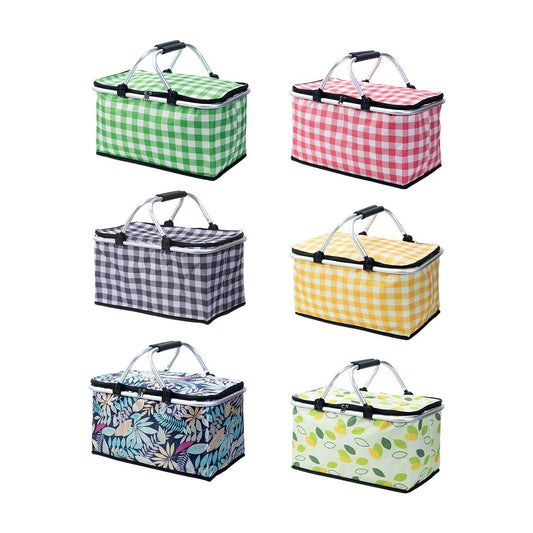
Start with how you plan to use the gear. A short park picnic, beach day, family event and camping weekend can all need a different balance of food capacity, insulation, tableware and carrying comfort. The current range includes compact cooler bags, hard coolers, picnic blankets and complete picnic sets for different group sizes.

Picnic sets may be listed for two, four or six people, but that person count is mainly a guide to the included place settings. Check the actual basket or bag dimensions, storage capacity and inclusions to make sure there is enough room for the food and drinks you intend to pack.

Picnic Basket vs Cooler Bag vs Hard Cooler

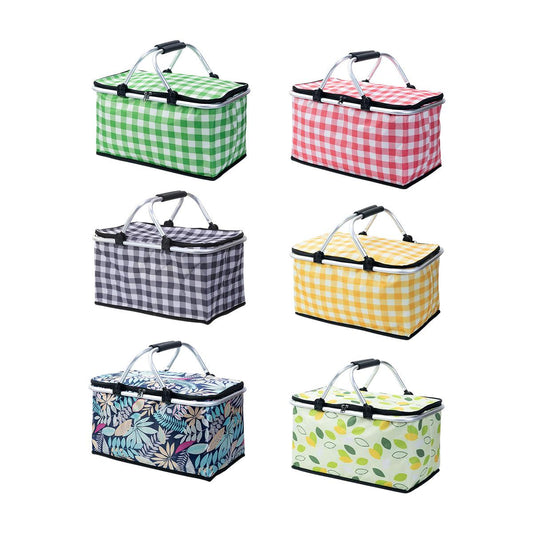
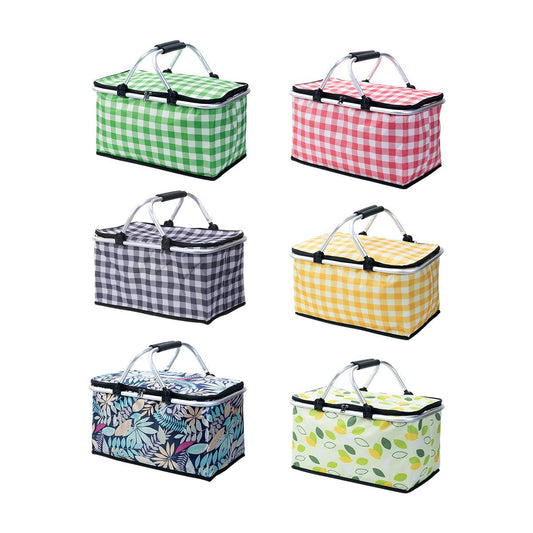
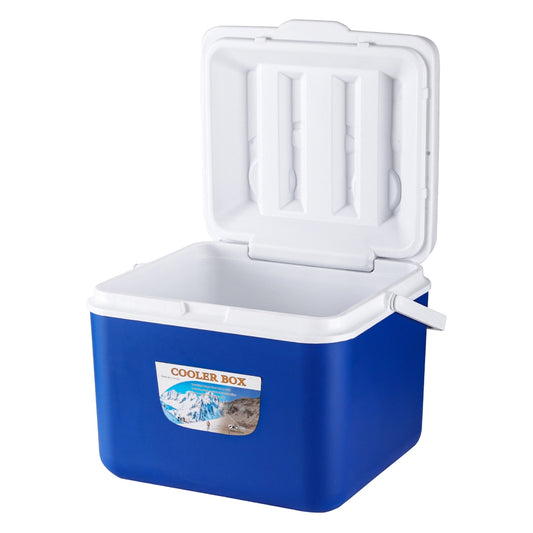
A picnic basket is useful when organisation and presentation matter, especially for plates, cutlery, glasses, napkins and dry food. A cooler bag is designed around insulation and portability for chilled food and drinks. Hard coolers add a rigid shell that protects contents and keeps its shape when packed.

Some current picnic baskets combine these roles with built-in or removable insulated sections, while other baskets focus more on carrying a complete dining set. Choose by the exact features you need rather than assuming every picnic basket is insulated or every cooler is designed for the same type of use.

Traditional Wicker Baskets vs Insulated Picnic Sets

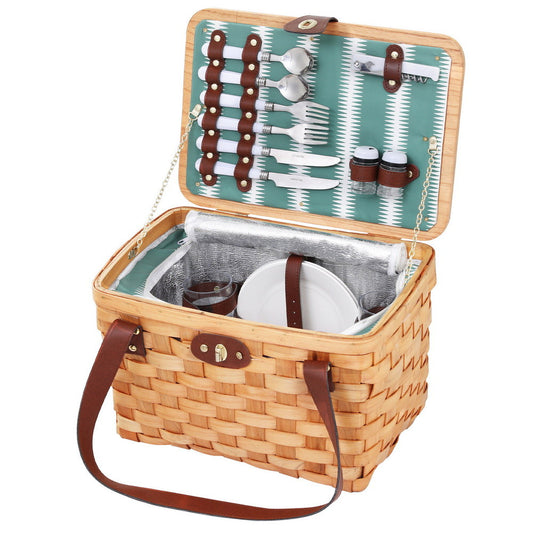
Wicker and willow picnic baskets give a classic picnic setup and many current Alfresco models include organised place settings, handles or straps, and optional blankets or insulated sections. The practical difference between models is often in what is supplied and how much of the basket is dedicated to food storage.

For a more self-contained outing, a complete picnic set can reduce the number of separate items you need to pack. For a simpler setup, a basic basket or cooler may give you more flexibility to use your own tableware and containers.

Understand Capacity and Packed Size

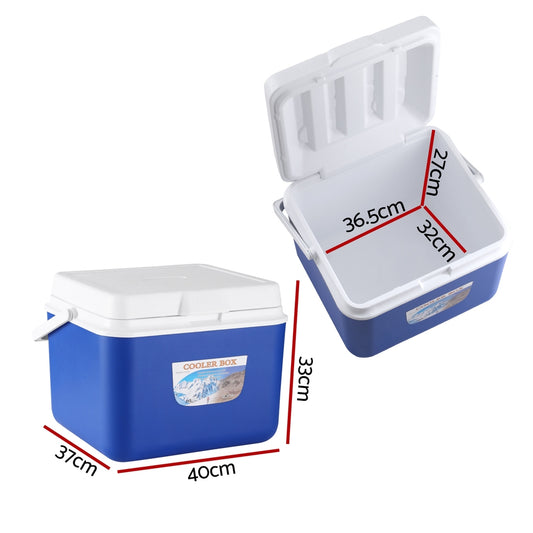
Cooler capacity may be described in litres, can counts or external dimensions. These measurements are useful for comparison, but they are not interchangeable. The usable space also changes once ice packs, frozen bottles or food containers are added.

Check both the internal capacity information and the outside dimensions, particularly when the bag or cooler needs to fit behind a car seat, in a caravan cupboard or alongside other camping gear. A larger cooler can carry more, but it also becomes heavier and harder to move once fully loaded.

Cooling Performance Depends on the Setup

There is no single number of hours that applies to every cooler bag or picnic set. Cooling performance depends on the insulation, ambient temperature, starting temperature of the contents, amount of cold material, how often the lid or zip is opened and whether the cooler is kept in direct sun.

Use cooling-duration claims only where they are stated for the specific product. Pre-chilling food and drinks where practical, adding suitable ice packs or frozen bottles, keeping the cooler shaded and opening it only when needed can all help the insulated compartment do its job.

Ice Packs, Frozen Bottles and Loose Ice

Sealed ice packs and frozen bottles are convenient for many soft cooler bags because they provide cold mass without creating loose meltwater. They can also help keep food containers and other contents dry.

Only put loose ice directly into a cooler when the manufacturer states that the liner or container is suitable for it. A soft insulated bag should not automatically be treated as waterproof, watertight or drainable simply because it is sold as a cooler.

Packing Chilled Food and Drinks

Pack food and drinks already cold where practical, then place the coldest items and ice packs together so the cooler does not have to remove unnecessary heat from warm contents. Keep frequently used drinks easy to reach so the bag is not left open while searching through it.

Insulation slows heat transfer; it does not replace proper food handling. Perishable foods still need to be stored and transported in line with current food-safety guidance, particularly on hot days or when the outing lasts several hours.

Picnic Blanket Size, Fabric and Backing

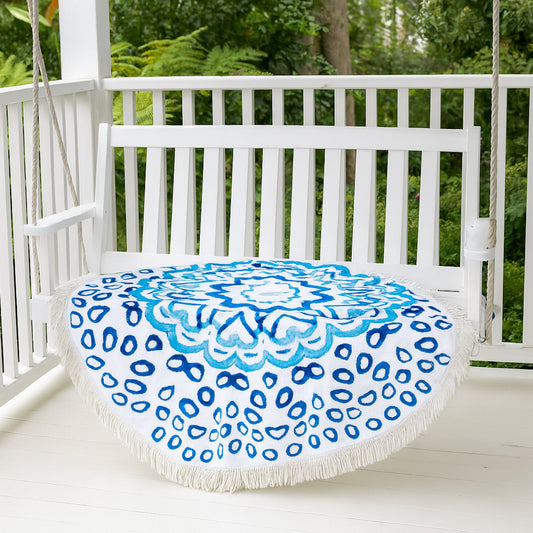
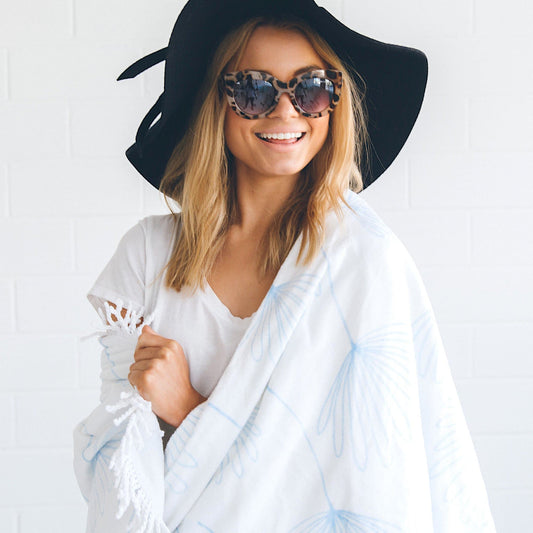
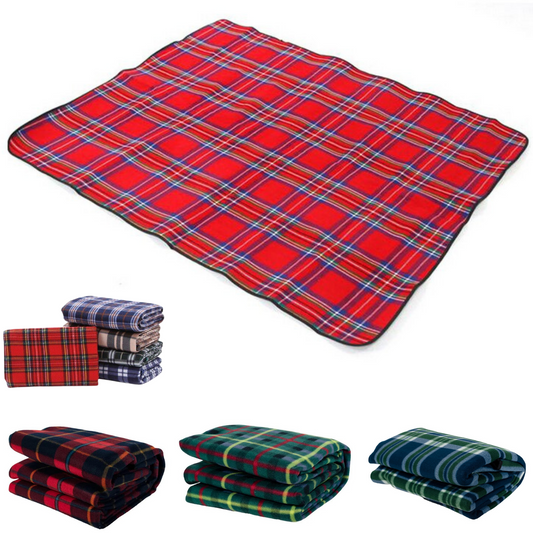
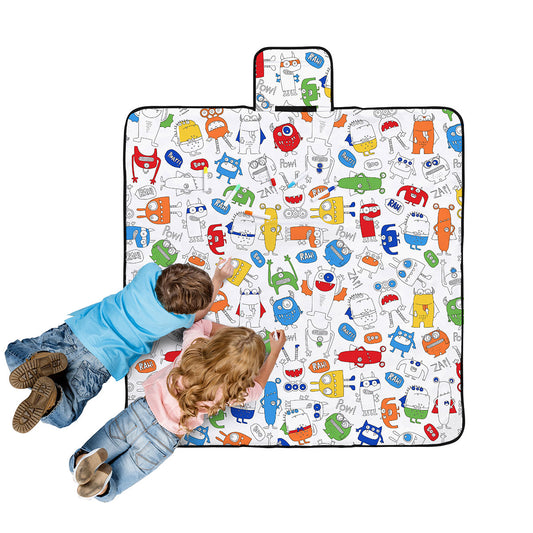
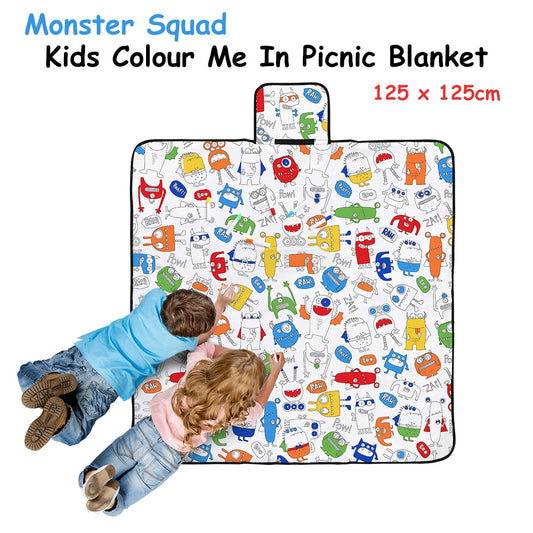
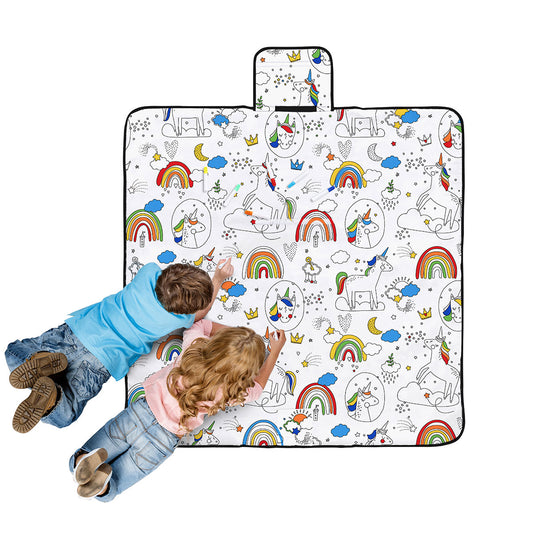
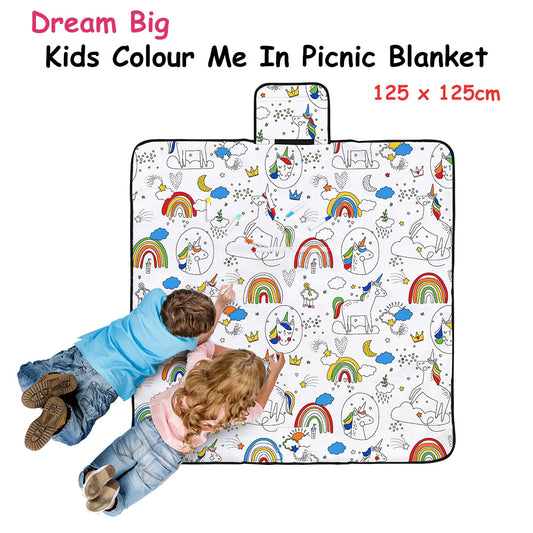
For picnic blankets, compare the unfolded size with the number of people who need to sit on it and the amount of food or gear that will share the space. Also check the packed size and whether the blanket has a handle, strap or folding design that makes it easy to carry.

Materials and backing vary across the collection. Some blankets are soft cotton or fleece-style designs, while some products use a moisture-resistant or waterproof-style underside. Treat these as product-specific features and check the individual listing before relying on a blanket for damp ground.

Tableware, Blankets and Other Inclusions

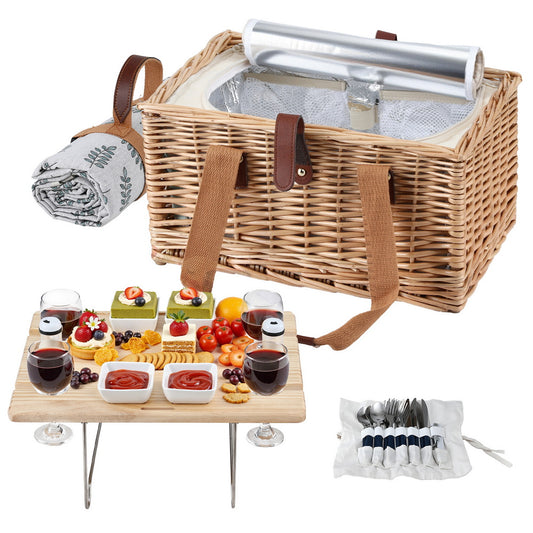
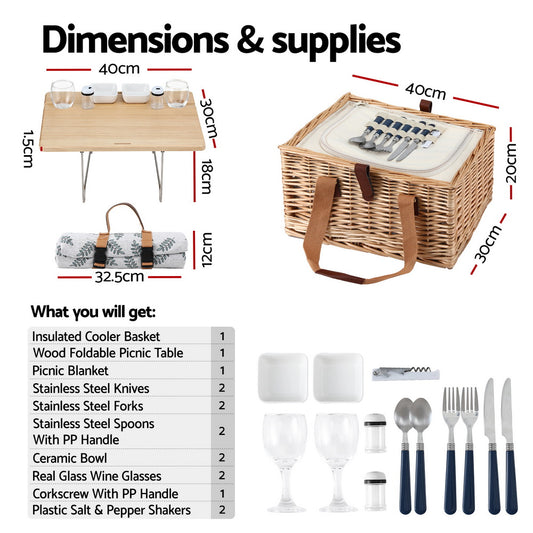
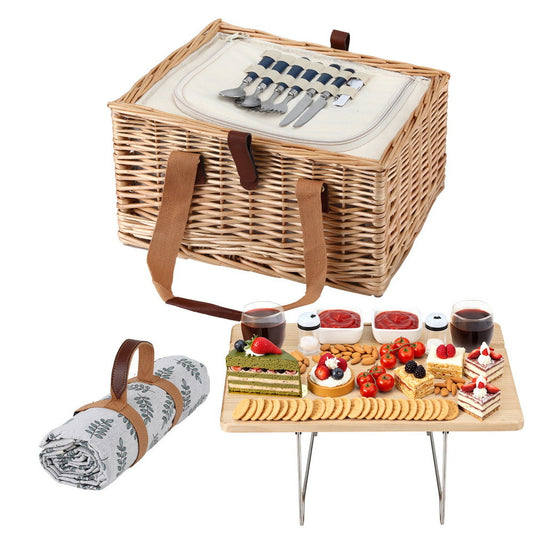
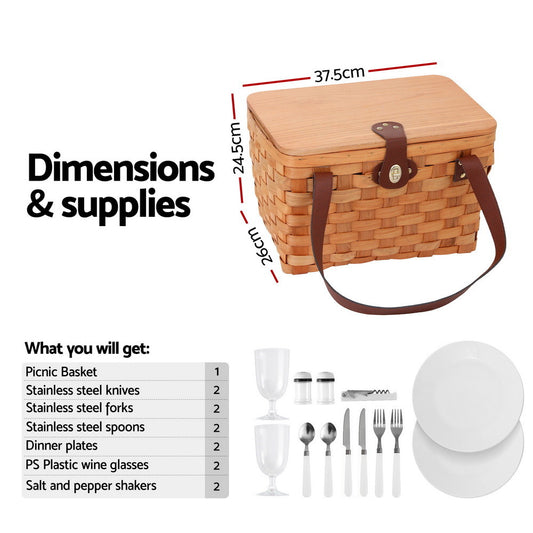
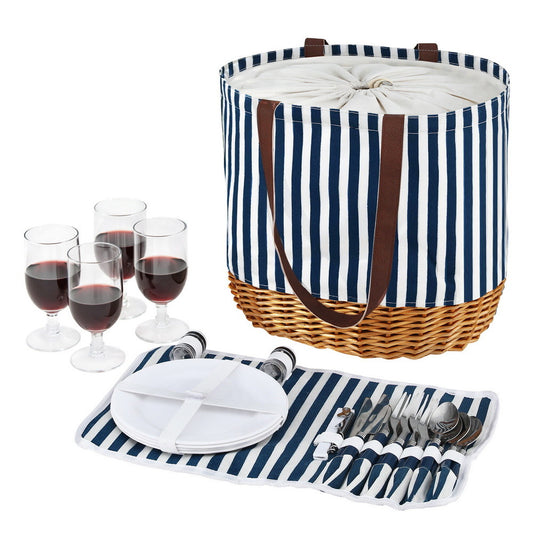
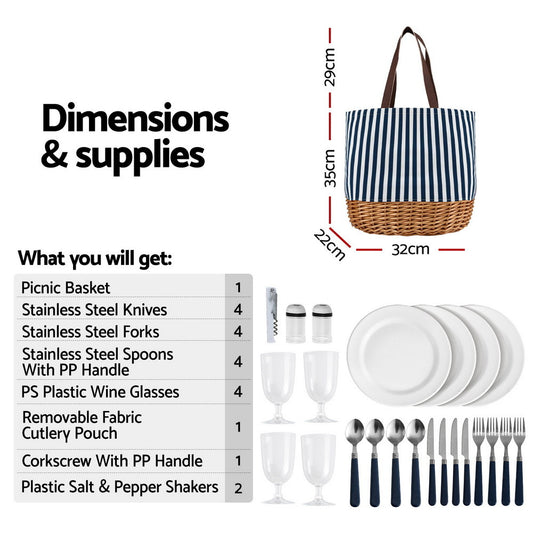
Complete picnic sets can include plates, cutlery, cups or glasses, napkins, corkscrews, bottle storage, cheeseboards, blankets or insulated sections. The exact combination varies substantially between models, even when two products are both described as four-person picnic sets.

Check the inclusions list before ordering so you know what still needs to be packed separately. This is especially useful when comparing similar-looking baskets where one may include a blanket or cooler compartment and another may not.

Carrying Comfort: Handles, Straps, Backpacks and Trolleys

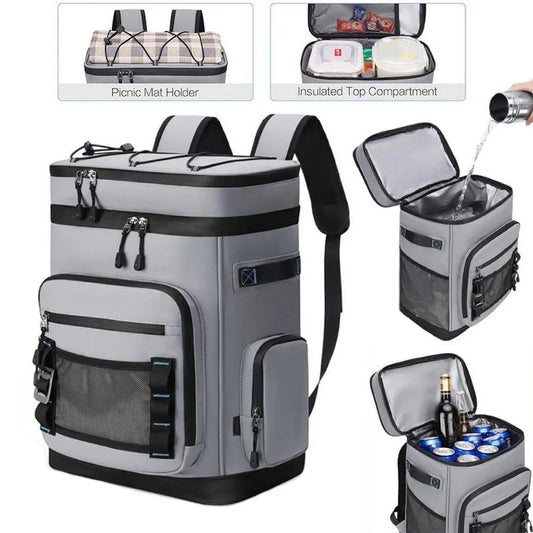
Think about the distance between the car and the picnic spot as well as the weight when loaded. Handled baskets suit short carries, shoulder straps can free up one hand, backpack-style coolers spread the load across both shoulders, and trolley designs can be useful where the ground is suitable for wheels.

A heavily loaded cooler can become awkward even when its empty weight seems low. Check the product dimensions, handle or strap design and any published load guidance, then pack within the manufacturer limits.

Foldable Baskets and Storage

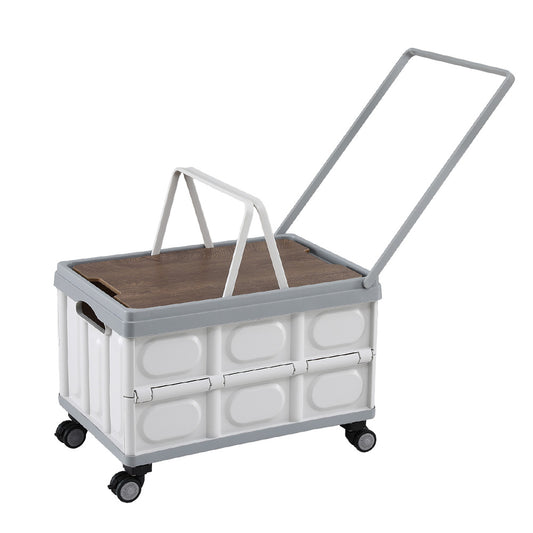
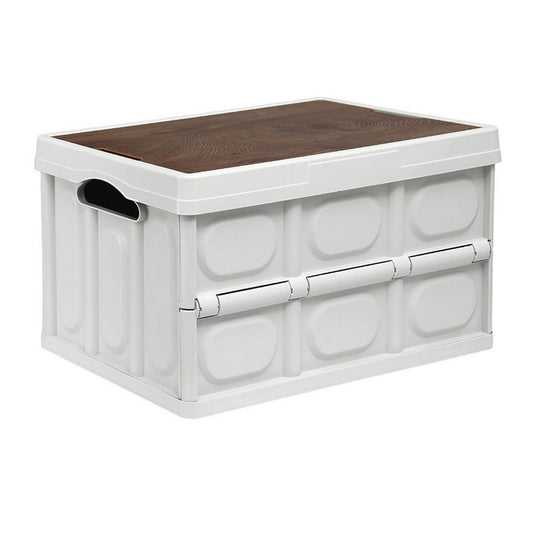
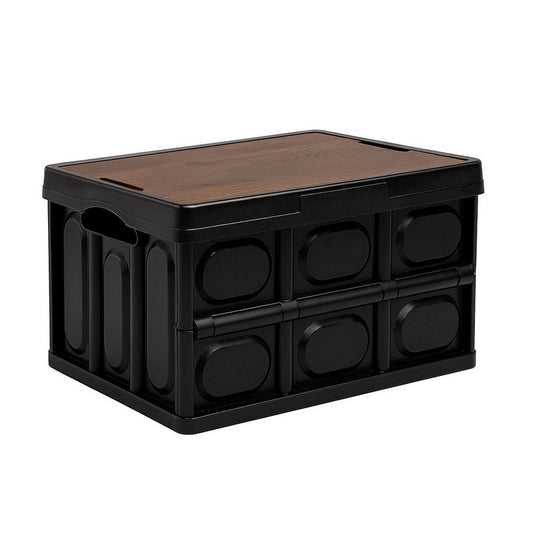
Foldable baskets and collapsible organisers can be useful when storage space at home, in the vehicle or in a caravan is limited. They may also work well for dry picnic items, shopping or general campsite organisation.

For collapsible products, check whether the sides and base are intended for the weight you plan to carry and whether they need to stay upright when loaded. Do not assume a collapsible storage basket is insulated simply because it appears alongside picnic products in this collection.

Cleaning and Drying After Use

Empty crumbs, wrappers and leftover ice or cold packs as soon as practical after the outing. Wipe cooler interiors and food-contact surfaces according to the product care instructions, then allow them to dry completely before closing or storing the bag.

Wicker and willow baskets should generally be cleaned gently rather than soaked, while fabric blankets may have their own washing instructions. Check the exact care label or product guidance because coatings, liners, leather-look trims and backing materials can require different treatment.

Common Picnic Gear Mistakes to Avoid

  • Choosing a cooler from its litre or can-count rating without checking the external dimensions.
  • Assuming every picnic basket includes insulation, tableware or a blanket.
  • Assuming every soft cooler bag is watertight enough for loose ice.
  • Relying on one generic cooling-time claim across different cooler models and conditions.
  • Packing warm food or drinks and expecting the insulated bag to chill them quickly.
  • Leaving the cooler open or sitting in direct sun for long periods.
  • Buying a picnic blanket without checking its unfolded size and underside material.
  • Comparing two-person, four-person and six-person sets without checking the actual inclusions.
  • Ignoring how heavy a basket, cooler or trolley will be once fully loaded.
  • Packing damp blankets or cooler bags away before they have dried completely.

Complete Your Outdoor Setup

For stoves, cookware and outdoor meal preparation, browse Kitchen & Cooking. Add a practical eating or prep surface from Camp Tables, or see 12V Camp Fridges for powered cooling on longer touring and camping setups. You can also return to Camping Gear for the wider outdoor range.

Product note: Capacity, insulation, cooling claims, materials, dimensions, included tableware, blankets, straps, wheels and other accessories vary by product. Check the individual listing and manufacturer specifications before choosing a picnic basket, cooler or blanket.

Food safety note: Insulated bags and coolers help slow temperature change but do not guarantee that perishable food remains safe in every condition. Use suitable cold packs or other approved cooling methods and follow current food-safety guidance for storing and transporting chilled food.

Guide reviewed: August 2026.

Frequently Asked Questions

How long do cooler bags keep food and drinks cold?

Cooling time varies with the bag's insulation, outside temperature, how cold the contents are when packed, the amount of ice or cold packs used and how often the bag is opened. Pre-chill food and drinks, use enough cold packs and keep the bag out of direct sun for better performance.

What’s the difference between a picnic basket and a cooler bag?

A picnic basket is mainly designed to carry and organise food, drinks and picnic items, while a cooler bag is designed to keep chilled contents insulated. Some picnic baskets also include insulated compartments, tableware or a blanket, so compare the inclusions and capacity for the product you are considering.

Can I put ice directly into a cooler bag?

Only use loose ice if the cooler manufacturer says the liner or container is designed for it. A soft insulated bag should not automatically be treated as watertight or leakproof. Where loose ice is not specified as suitable, sealed ice packs or frozen bottles are a cleaner option and help avoid meltwater leaking into the bag or vehicle.

How do I clean a picnic basket or cooler bag?

Follow the care instructions for the exact product and materials. Cooler bags can often be wiped with a soft cloth, mild detergent and water, then left open to dry completely before storage. Wicker or willow baskets should generally be cleaned gently rather than soaked. Remove crumbs, spills and moisture promptly, and avoid harsh cleaners unless the manufacturer says they are suitable.

What size cooler bag do I need for camping?

Choose capacity around the number of people, trip length, the amount of food and drinks you need to carry, and the space required for ice packs or frozen bottles. Also consider the external dimensions and how you will carry or store it. Litre capacity and can-count ratings can help compare models, but they measure different things, so check the individual dimensions and specifications before choosing.

Are insulated cooler bags worth it compared to standard bags?

Yes, if you need to keep food or drinks chilled during transport or outdoor use. An insulated cooler bag slows heat transfer in a way a standard carry bag does not. Use suitable cold packs and keep perishable food safely chilled.

Do picnic baskets come with plates, cutlery or blankets?

Some picnic basket sets include dining accessories, blankets, insulated compartments or removable cooler bags, while others are simpler carry baskets. Inclusions vary significantly by model and person capacity, so check the product listing for the exact plates, cutlery, cups, glasses, napkins, blanket or other accessories supplied.

What should I look for in a picnic blanket?

Check the unfolded dimensions, top fabric, underside or backing, packed size and carry method. A moisture-resistant or waterproof-style backing can be useful on damp grass, but this feature varies by product and should be confirmed in the listing. Also consider how many people need to sit on it and whether it is easy to clean and dry after use.

Should I choose a soft cooler bag or a hard cooler box?

Soft cooler bags are often easier to carry and may fold or compress when empty, while hard cooler boxes provide a rigid shell and hold their shape when packed. The better choice depends on capacity, transport space, weight, insulation, drainage and how you plan to use it. Only use loose ice where the manufacturer specifically says the cooler is suitable for it.

How should I pack a cooler bag for a picnic or day trip?

Start with food and drinks already chilled where practical, add suitable ice packs or frozen bottles, and pack the cooler so cold items stay together with minimal unnecessary empty space. Keep it closed as much as possible and out of direct sun. For perishable food, follow current food-safety guidance rather than relying on the cooler bag alone.

Popular at Just Camp

1 of 6