Start with Your Daily Power Use
A useful camping solar setup begins with the appliances you plan to run, not simply the largest panel that fits your budget. List each fridge, light, phone, laptop, pump, fan and other load, then estimate the energy it uses across a full day. Appliance wattage alone is not enough because many devices cycle on and off. Record daily use in watt-hours or amp-hours at the correct system voltage, using manufacturer data or measured consumption where available.
Add the daily totals and allow extra capacity for charging losses, changing weather, warmer fridge conditions and heavier-use days. The solar array and battery should be sized together: the panel replaces energy while sunlight is available, and the battery supplies the load overnight or when cloud and shade reduce production.
Watts, Watt-Hours and Amp-Hours
Watts describe the rate at which equipment uses or produces power. Watt-hours describe energy over time: a 20W load operating for five hours uses about 100Wh. Amp-hours are commonly used for 12V battery capacity, but the figure only makes sense when the voltage is known. Watt-hours are often easier when comparing devices and batteries that operate at different voltages.
Panel wattage is a rated maximum under specified test conditions, not a guaranteed all-day output. Battery capacity also has a usable limit that depends on chemistry, discharge settings, temperature and the battery-management system. Follow the battery manufacturer’s recommended charging and discharge limits rather than assuming the entire printed capacity is available.
Choose the Right Solar Panel Type
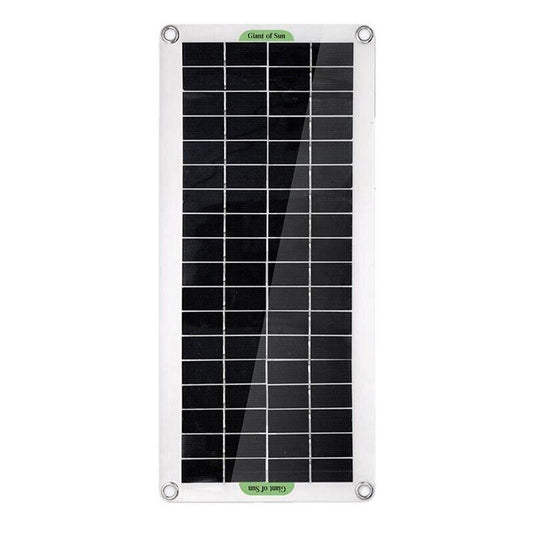
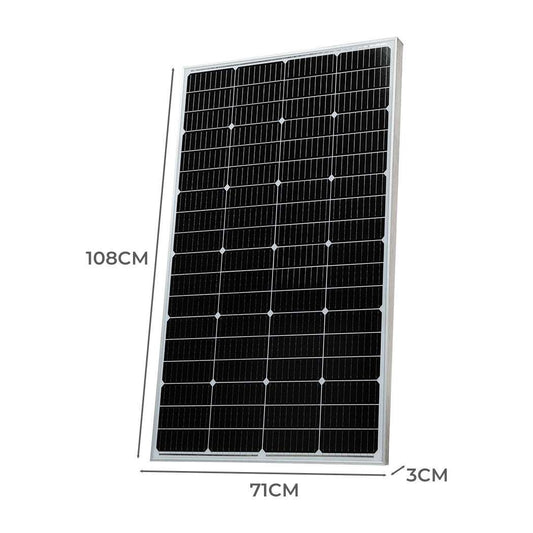
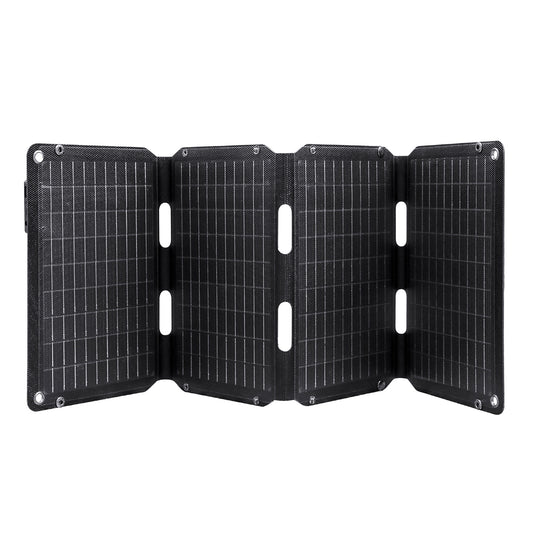
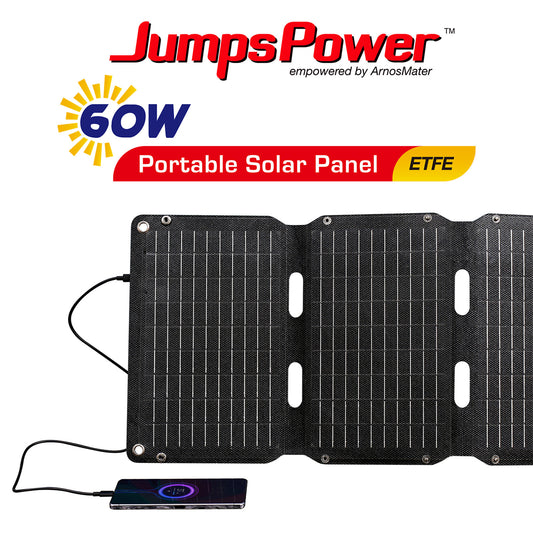
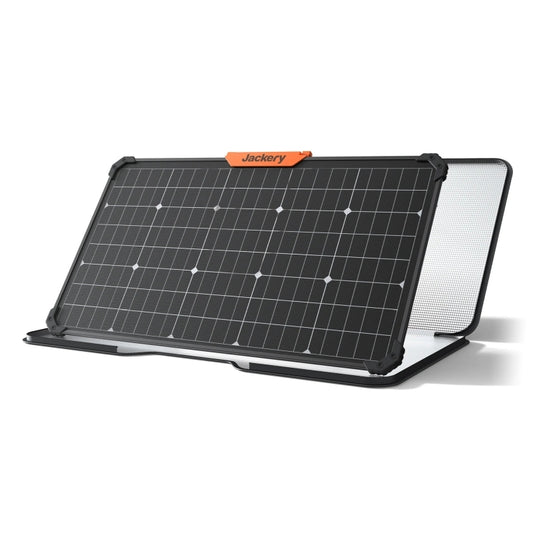
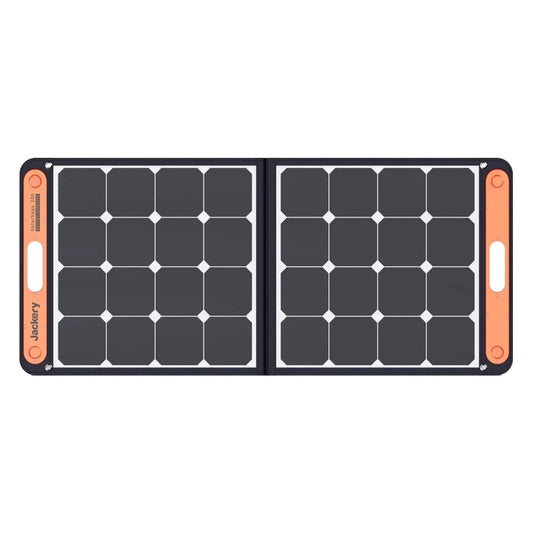
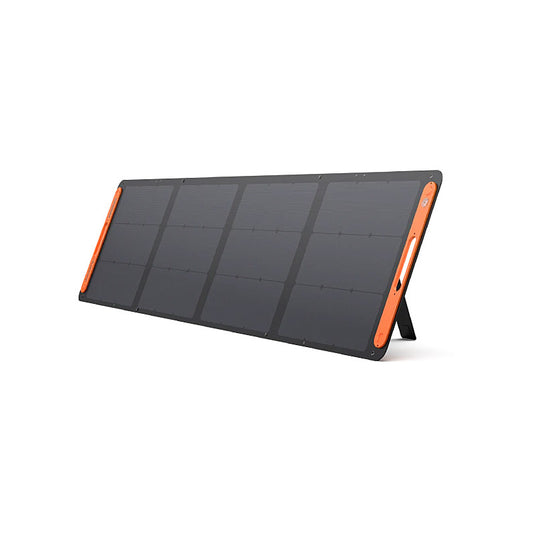
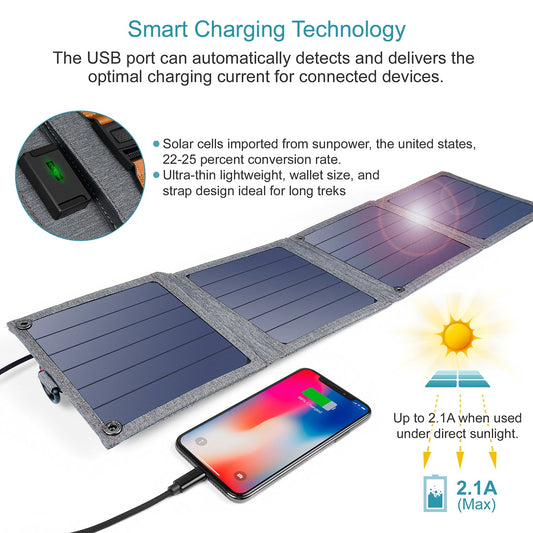
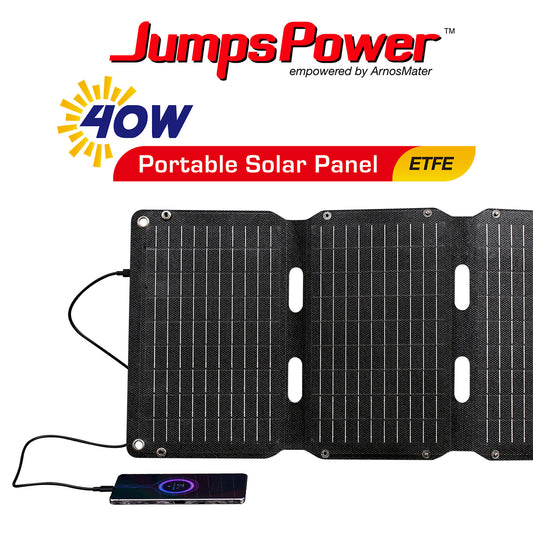
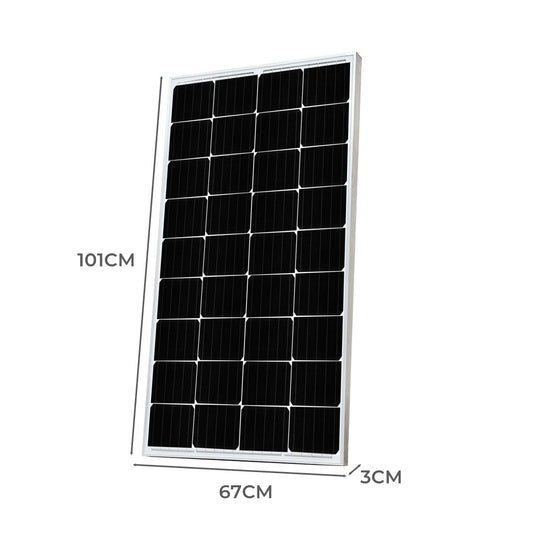
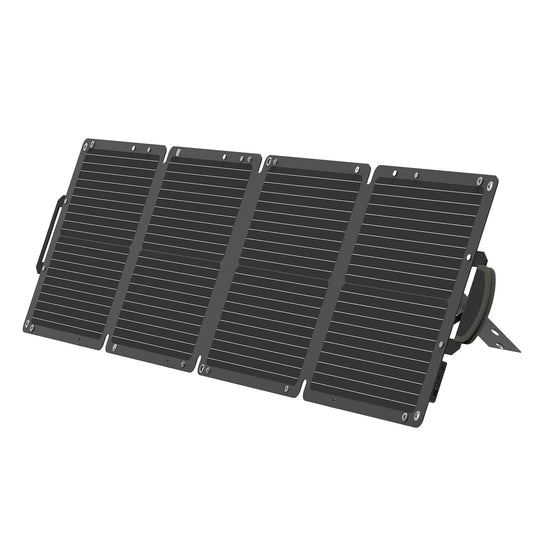
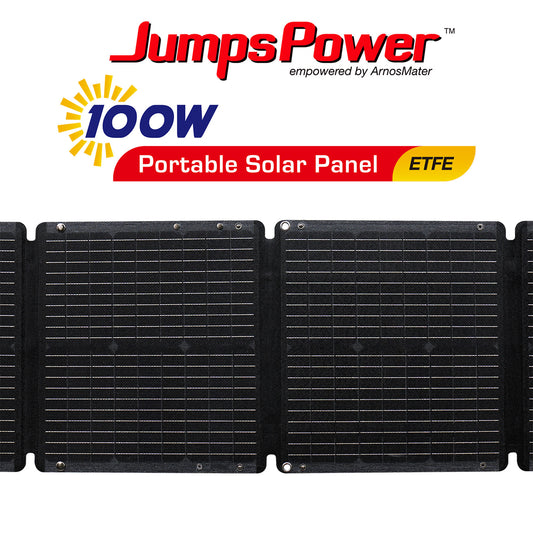
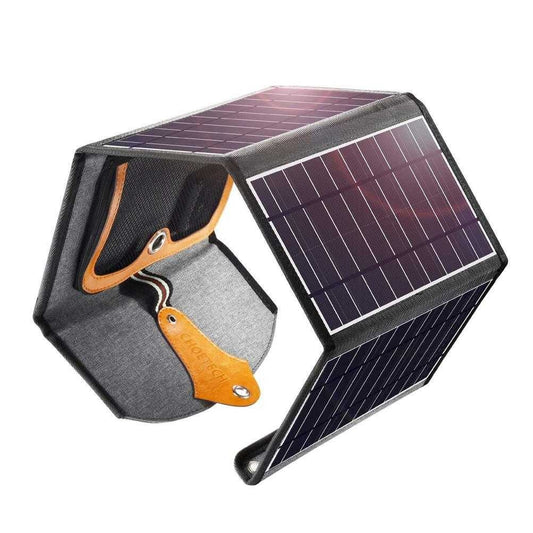
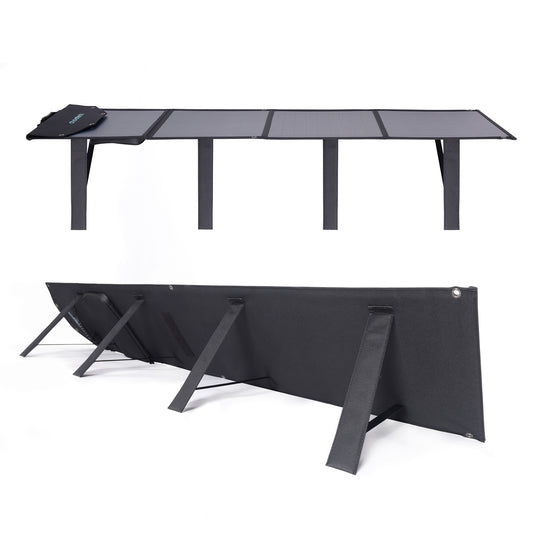
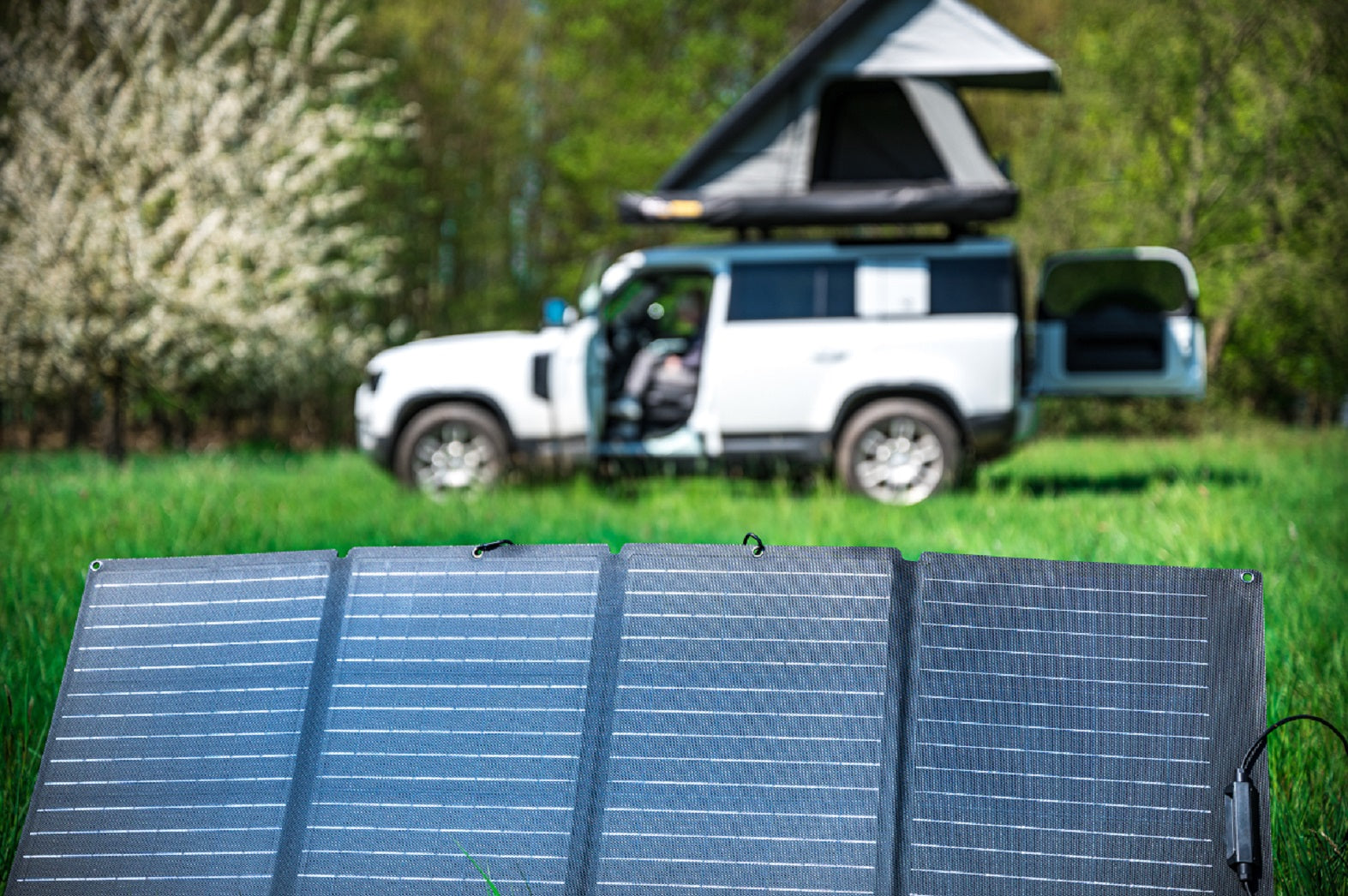
Rigid framed panels are commonly used for permanent caravan, camper and vehicle installations because they provide a stable mounting surface and can have airflow underneath. Folding panels package rigid sections into a portable kit. Solar blankets fold into a smaller storage shape and can be moved around camp, while flexible panels suit selected curved or low-profile surfaces only when their mounting, bending and cooling requirements are followed.
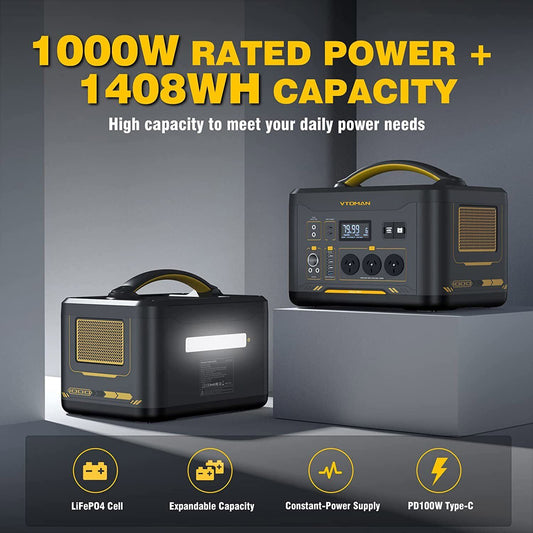
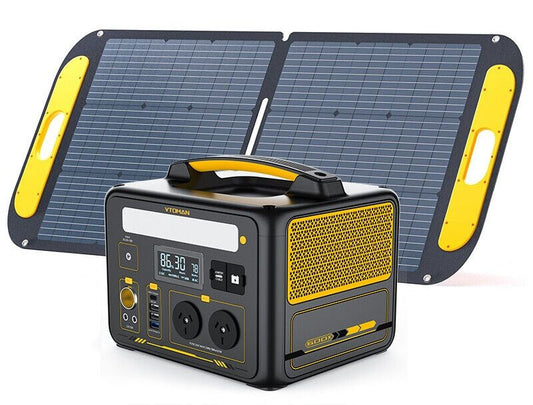
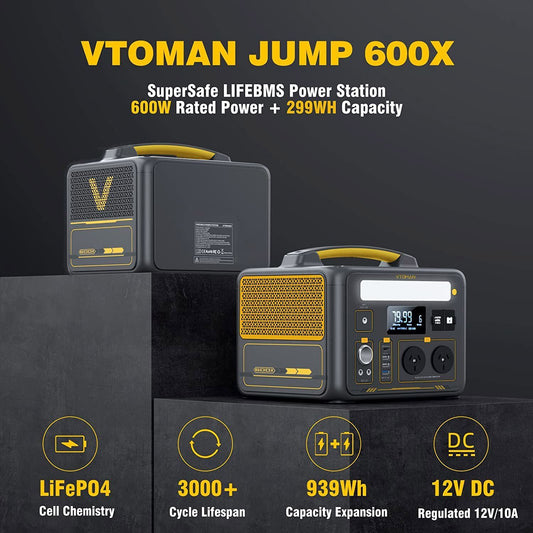
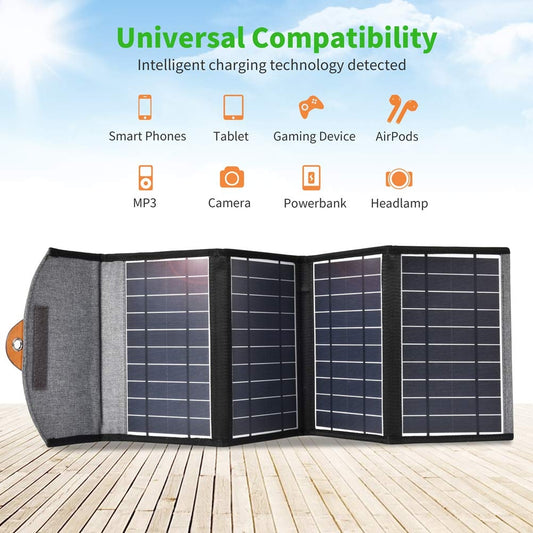
Small USB solar chargers suit compatible low-power devices and power banks rather than replacing a complete 12V system. Solar-generator bundles combine a portable power station with a panel, which can simplify compatibility, but the panel voltage, current, connector, station input limit and battery capacity still need to be checked.
Portable Solar or a Fixed Installation?
Portable panels let you keep a vehicle or caravan in shade while positioning the panel in clearer sunlight. They can be adjusted through the day, but they require setup, secure placement and safe cable routing each time. Protect them from traffic, animals, sharp objects and sudden wind, and do not leave an unsecured panel where it can become a hazard.
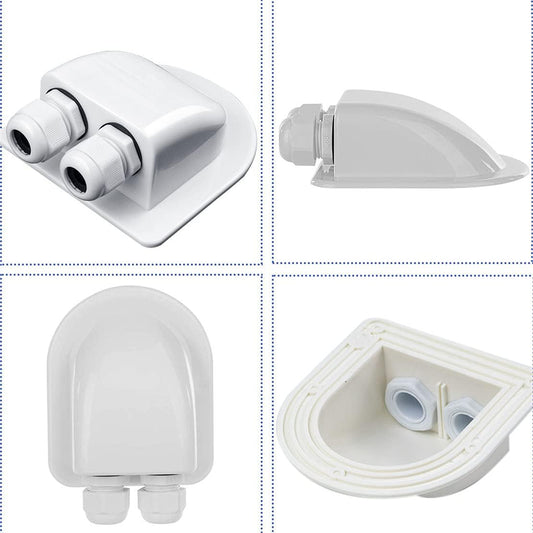
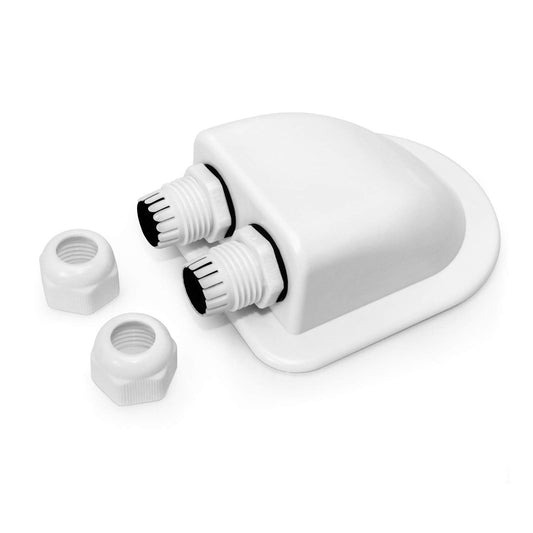
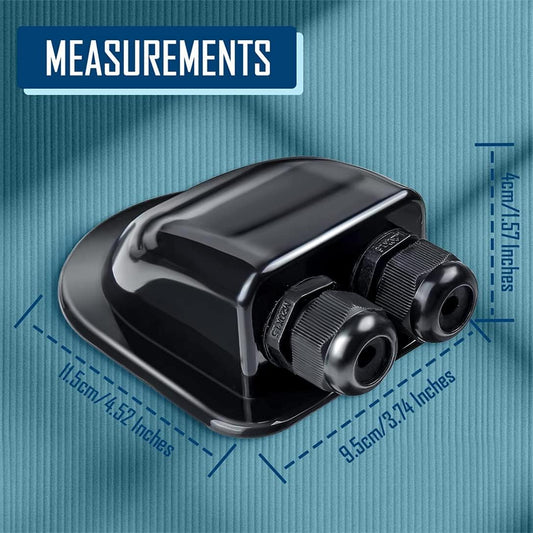
Fixed panels produce whenever they are exposed to light, but roof angle, shade from roof accessories, dirt and high panel temperature can reduce output. Permanent mounting also needs suitable brackets, cable entry, sealing, isolation and circuit protection. Vehicle and caravan installations should follow the equipment instructions and applicable requirements, with qualified installation where required.
Size Solar and Battery Storage Together
Once you have a daily energy estimate, compare it with the useful sunlight likely at your destination and season. Dividing daily watt-hours by expected peak-sun hours gives a starting panel wattage, but you still need margin for heat, cloud, shade, cable losses and charging efficiency. Do not size a remote-travel system from one ideal summer day.
Battery capacity should cover the expected load between charging opportunities without regularly exceeding the battery manufacturer’s discharge limits. Lead-acid and lithium batteries have different charge profiles, usable capacity, temperature behaviour and protection requirements. An oversized panel cannot make a battery charge faster than the regulator, battery-management system or power station permits.
Solar Regulators: MPPT and PWM
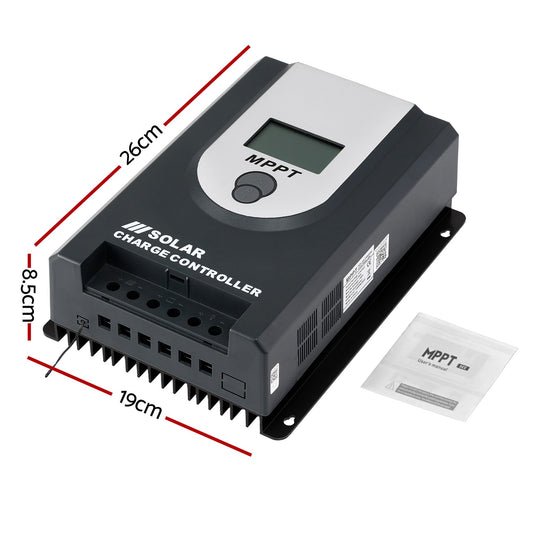
A compatible solar regulator is normally required between a panel array and a battery being charged directly. It controls charging voltage and current and applies a charging profile for the selected battery chemistry. The controller must suit the array’s maximum voltage and current, battery-bank voltage and expected charging current.
PWM controllers are generally simpler and work best when panel voltage is closely matched to the battery system. MPPT controllers track the panel’s maximum power point and convert suitable higher panel voltage into battery-charging current. MPPT can improve energy harvest in a correctly designed system, but it does not make incompatible panels, batteries or wiring safe.
Match Voltage, Current and Battery Chemistry
Before connecting a panel, find its open-circuit voltage, operating voltage, short-circuit current and operating current. Compare the completed array with the regulator or power station’s maximum input voltage, current and wattage. Open-circuit voltage can increase in colder conditions, so the array must remain within the controller’s limit in the coldest expected weather.
Select the battery type or charging profile required by the battery manufacturer. AGM, flooded lead-acid, gel and lithium batteries can need different charging voltages, stages and temperature behaviour. Do not connect a new battery chemistry to an old regulator merely because both are described as 12V. Confirm compatibility in the current manuals for the battery, regulator and battery-management system.
Series, Parallel and Mixed Panels
Connecting panels in series raises array voltage, while parallel connection raises current. Either arrangement changes controller, cable, connector and protection requirements. Mismatched panels can reduce performance, and similar connector shapes do not prove electrical compatibility or correct polarity. Use manufacturer-approved combinations or have the array designed by a suitably qualified installer.
Connecting Solar to a Portable Power Station
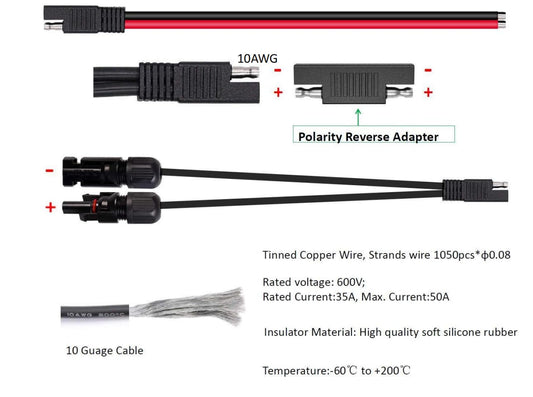
Portable power stations generally include their own solar controller. Match the panel or array to the station’s stated solar-input voltage, current and wattage range, then use the manufacturer-approved cable or a correctly specified adapter. Verify polarity because visually similar DC connectors can be wired differently. Do not add an external regulator before the station’s solar input unless its manufacturer specifically requires one.
Running a Camping Fridge from Solar
Solar normally recharges the battery or power station that runs the fridge. The battery carries the load overnight and through cloud or shade. Use the fridge’s measured or specified daily energy consumption rather than its maximum compressor wattage. Actual use changes with ambient temperature, thermostat setting, ventilation, how often the lid opens and the temperature of food placed inside.
Pre-cool food and the fridge before leaving where practical, keep compressor vents clear and monitor battery state instead of waiting for a low-voltage shutdown. Longer remote stays need reserve capacity and another safe charging option because several poor-solar days can occur together.
Real-World Solar Output, Shade and Heat
Real output changes with sun angle, cloud, haze, partial shade, panel temperature, dirt, cable losses, regulator efficiency and the battery’s willingness to accept charge. A hot panel can make less power than a cooler panel in equally bright sun, and even a small shaded section can affect more than the shaded area depending on panel construction.
Face portable panels toward clear sun, adjust their angle as conditions change and clean them only by the approved method. Compare readings when the battery is able to accept charge, because a nearly full battery may cause the controller to reduce output even when sunlight is strong.
Cable Size, Fusing and Installation
Low-voltage systems can carry high current. Cable that is too small or too long can waste energy as heat and reduce charging performance. Select conductor size for maximum current, total circuit length, installation method, temperature and acceptable voltage drop. Connectors, switches, fuses and isolators must be rated for the system’s DC voltage and current.
Protection devices should be positioned and sized for the wiring and equipment. A fuse protects wiring; it does not make an undersized cable safe. Keep connections dry and protected from abrasion, and do not route cables through doors, across walkways or beside hot and moving parts. Permanent vehicle and caravan wiring is best handled by an experienced auto electrician or other suitably qualified professional.
Lithium Batteries, Inverters and 240V Safety
Use batteries, chargers and controllers from reputable suppliers and confirm every charging source is approved for the battery. Stop using equipment that is swollen, leaking, unusually hot, damaged, emitting odour or making unusual sounds. Do not modify battery packs, bypass a battery-management system or cover equipment in a way that traps heat.
An inverter converts battery DC into AC power. Check an appliance’s continuous wattage and starting surge against the inverter and battery system, because high-power 240V loads can draw very high current from a 12V battery. Fixed 240V wiring, outlets, transfer arrangements and repairs require a licensed electrician. Never improvise a connection between an inverter, generator, caravan or household circuit.
Set Up and Test Before Your Trip
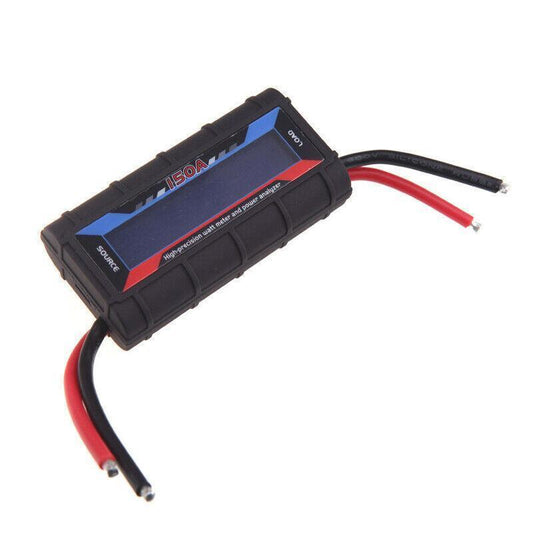
Assemble the complete system at home before relying on it remotely. Confirm connector polarity, controller settings, battery type, panel input limits, cable condition and fuse ratings. Test with the expected appliances and monitor voltage, current, power and battery state over a realistic day. Label adapters, pack the manuals and know how to isolate the panel, battery and loads safely.
Common 12V Solar Mistakes to Avoid
- Choosing panel wattage before calculating daily energy use.
- Expecting a panel to run overnight loads without adequate battery storage.
- Connecting a panel directly to a battery without the required regulator.
- Exceeding a controller or power station’s input voltage, current or wattage.
- Assuming matching connector shapes mean matching polarity or specifications.
- Using undersized cable or incorrectly rated DC connectors and protection.
- Leaving non-weatherproof controllers, adapters or power stations in rain.
- Using the wrong charging profile for the battery chemistry.
- Ignoring battery damage, swelling, heat or other warning signs.
Complete Your 12V Power Setup
Build the storage and charging side with 12V Batteries & Chargers, then match the panel to a suitable 12V Solar Regulator. Browse the wider 12V Camping Power range or review Generators & Inverters when another power source is needed.
Plan the actual loads with 12V Camp Fridges and 12V Camping Lights. Check each product’s voltage, current, connector and installation requirements before combining equipment from different systems.
Safety note: Solar, batteries and inverters can create shock, fire, burn and chemical hazards when incorrectly selected, damaged or installed. Follow current manufacturer instructions, keep the system within every electrical limit, use suitable circuit protection and engage a licensed electrician or qualified auto electrician for work that requires one.
Guide reviewed: August 2026.