★★★★★

"Arrived earlier than quoted, Thank you Just Camp for the great service"

Ross

★★★★★

"Website was easy to navigate and I received my purchase promptly"

Brenda

★★★★★

"Purchased for a great price, service was excellent, postage very quick"

Lindy

★★★★★

"Great product and service A++"

Anthony

★★★★★

"My order arrived faster than expected and the quality was just as good as the big name brands"

Aaron

How to Choose a 12V Camping Fridge for Australian Touring

Start with How You Travel

A 12V camping fridge is easiest to choose when you start with the vehicle, caravan and trip style rather than litres alone. Think about how many days you normally travel between restocks, whether you need chilled food only or frozen storage as well, where the fridge will live and what power system will run it.

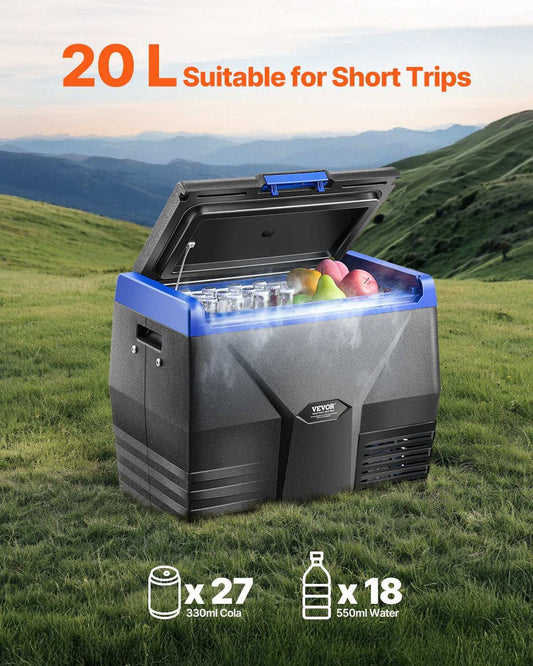
The current range includes compact portable units, larger chest-style fridge freezers, dual-zone models and upright fridges for fixed caravan or camper layouts. The best format depends on the space and power available in your own setup.

Choosing the Right Capacity

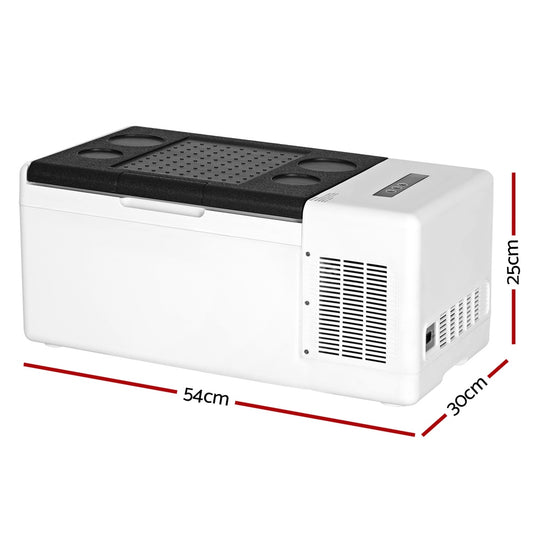
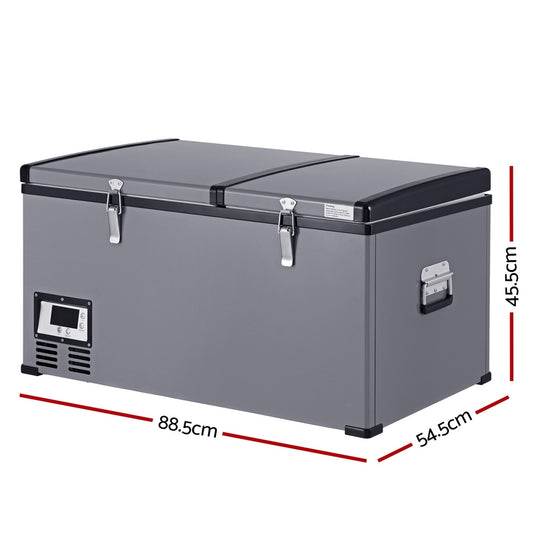
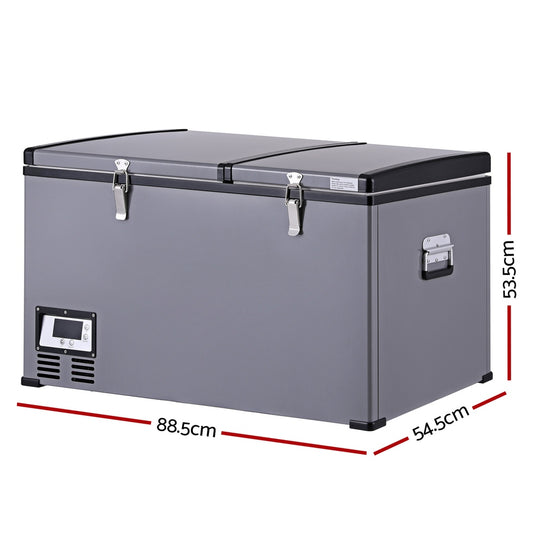
More capacity gives you more storage, but it also means a larger external footprint and usually more weight to accommodate. Compare the usable internal space with the outside dimensions, and allow room for baskets, packaging and the way you actually pack food and drinks.

The collection currently spans compact options through to models around 100L. Rather than relying on a fixed litres-per-person rule, consider trip length, group size, access to shops and whether part of the fridge will be used as a freezer.

Chest-Style Portable Fridges vs Upright Fridges

Chest-style fridges suit 4WD cargo areas, touring setups and situations where the fridge may be moved between the vehicle and campsite. Their top-opening layout needs clear space above the lid and practical access around any fridge slide, drawer system or luggage.

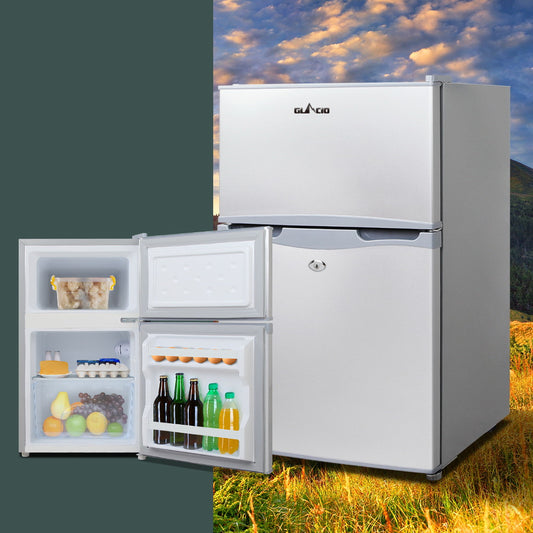
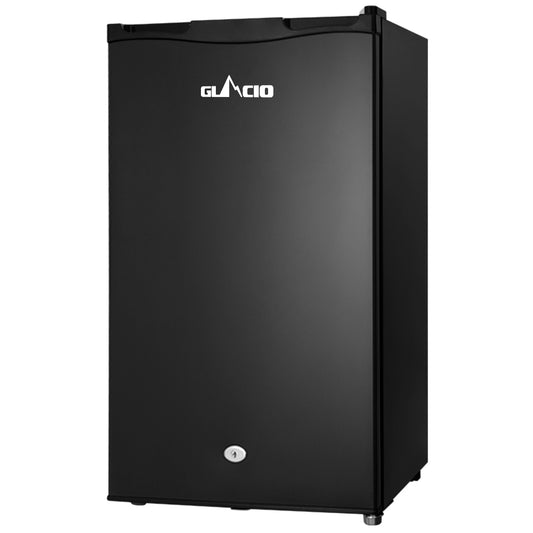
Upright fridges can suit caravans, camper trailers and fixed installations where front-opening shelf access is more convenient. Check the cabinet dimensions, door swing, mounting requirements and manufacturer ventilation clearances before planning an installation.

Single-Zone vs Dual-Zone Fridge Freezers

A single-zone fridge freezer uses one main temperature-controlled space. It can be a straightforward option when you mainly want chilled storage or are happy to use the whole compartment at one temperature.

Dual-zone models provide separate compartments and may allow different temperatures in each zone, which can be useful when you want chilled and frozen food at the same time. Controls and operating modes vary by model, so check whether both zones can be adjusted independently and how the listed capacity is divided between them.

Fridge Freezer vs Cooler/Warmer

Not every portable cooling appliance works the same way. This collection can include compressor-style fridge freezers as well as compact cooler/warmer products. A cooler/warmer should not automatically be treated as equivalent to a fridge freezer: check the cooling method, stated temperature performance and intended use in the individual product specifications.

Check 12V, 24V and 240V Power Compatibility

Many current fridge listings specify 12V and 24V DC operation, and a number also list 240V AC use. That does not mean every model supports every input or includes every cable or adapter. Check the exact input voltage, plug type, cable requirements and included accessories before purchase.

Use a socket, cable and power source rated for the appliance. Long, undersized or poorly connected wiring can cause voltage drop, which may affect operation even when the battery itself still has charge. Follow the fridge and vehicle or caravan electrical instructions.

Plan Battery Capacity Around Real Power Use

A camping fridge does not draw the same amount of power every minute. Actual energy use changes with the model, ambient temperature, thermostat setting, ventilation, how often the lid or door is opened, how much warm food or drink is added and how frequently the cooling system cycles.

For battery planning, use the manufacturer’s model-specific electrical specifications rather than one generic daily consumption figure. Build in practical reserve capacity for other 12V loads and for conditions that make the fridge work harder.

Do Not Rely Blindly on a Starter Battery

Running a fridge while the engine is off can discharge a vehicle starter battery. Some fridges provide low-voltage battery-protection settings, but availability and behaviour are model-specific and should be checked in the product instructions.

For longer stationary use, a correctly sized auxiliary battery, portable power station or other dedicated camping-power setup may be more appropriate. Match the battery and charging system to the fridge’s actual requirements and your expected time away from mains power.

Measure the Fridge and the Installation Space

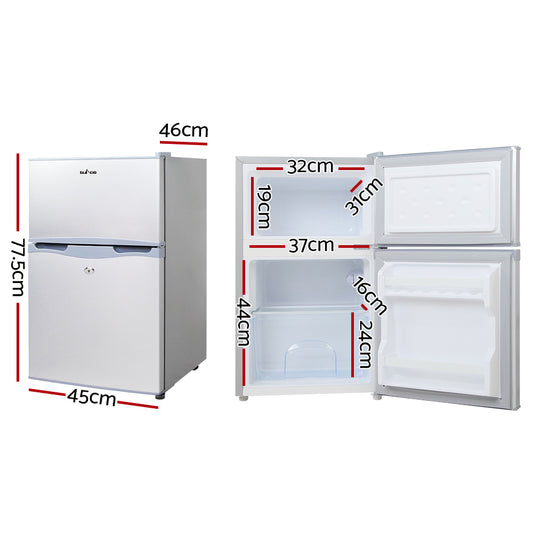
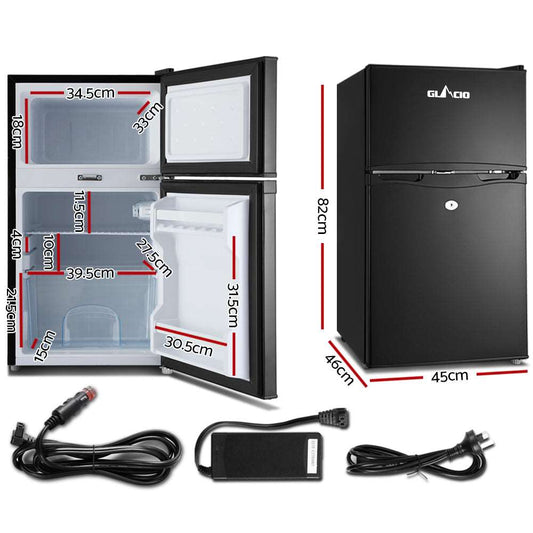
Measure width, depth and height where the fridge will actually sit, not just the empty cargo floor. Allow for handles, plugs, power leads, lid or door movement, fridge slides and nearby drawers or seats. Also check the loaded weight and the rating of any slide, shelf or mounting surface.

Allow Room for Ventilation

Refrigeration equipment needs the ventilation specified by its manufacturer so heat can escape from the cooling system. Do not pack bedding, bags or other gear tightly around vents, and do not install an upright model into a cabinet without the required clearances. Poor ventilation can increase the workload and may affect performance or service life.

Pre-Cool Before You Leave

Starting with a pre-cooled fridge and already-chilled food reduces the amount of heat the fridge has to remove after you set off. Where practical, cool the fridge on a suitable mains or stable power source before departure and load cold items close to departure time.

Set the temperature appropriate to what you are storing and follow food-storage guidance for perishable items. Do not rely on the display alone if accurate food temperature is important; operating conditions and sensor position can affect what the display represents.

Heat, Sun and Frequent Opening Increase the Workload

A fridge sitting in direct sun or a hot enclosed vehicle can have to work harder than the same unit in a shaded, ventilated location. Keep the appliance away from unnecessary heat sources, maintain airflow around the vents and minimise repeated lid or door opening where practical.

Do not assume a particular model will achieve the same temperature or power consumption in every Australian climate. Use the manufacturer’s stated operating limits and specifications for the individual fridge.

Secure the Fridge for Travel

A portable fridge becomes a heavy object once loaded. Secure it so it cannot slide or tip during braking, cornering or rough-road travel, using mounting points and restraint methods suitable for the vehicle and appliance. Keep power leads protected from crushing, sharp edges and moving seat or drawer mechanisms.

Common 12V Camping Fridge Mistakes to Avoid

  • Choosing capacity without checking the fridge’s external dimensions and available installation space.
  • Assuming every 12V fridge also supports 24V or 240V power.
  • Assuming every cable, mains adapter or mounting accessory is included.
  • Treating a compact cooler/warmer as automatically equivalent to a compressor fridge freezer.
  • Planning battery runtime from a generic watt or amp figure instead of the individual model and real operating conditions.
  • Running from a starter battery for extended periods without considering the risk of discharging it.
  • Blocking ventilation with luggage, bedding or cabinetry.
  • Loading a warm fridge with warm food immediately before leaving and expecting instant cooling.
  • Leaving a loaded portable fridge unsecured in the vehicle.

Complete Your 12V Camping Setup

Pair your fridge with suitable 12V Camping Power for off-grid electrical setups, explore 12V Solar for solar charging options, and browse Kitchen & Cooking for campsite food-preparation gear. For broader touring setups, see Caravan Gear and Camping Gear.

Specification note: Capacity, dimensions, power inputs, temperature ranges, power consumption and included cables or adapters vary by model and are supplied by the relevant manufacturer or supplier. Check the individual product specifications and your vehicle, caravan or power setup before purchase.

Guide reviewed: August 2026.

Frequently Asked Questions

Do portable camping fridges work on 12V power?

Yes. Many portable camping fridges run from 12V vehicle or caravan power, and some models also support 24V and/or 240V. Check the supported input voltages, supplied cables or adapters and the rating of the power source you plan to use.

What’s the difference between a camping fridge and a freezer?

Many portable camping units are fridge freezers, meaning they can be set for chilled or frozen storage within the model’s stated temperature range. Dual-zone models have separate compartments and may allow different temperature settings in each zone. Check the exact controls and temperature range for the model you are considering.

Can I use a portable fridge as a car fridge?

Yes, where the model is designed for vehicle power. Check that the fridge fits securely in the vehicle, has the ventilation required by the manufacturer and is connected to a suitable 12V outlet or power system. Do not assume the vehicle’s starter battery can run the fridge indefinitely while the engine is off.

What is the best portable fridge freezer for camping in Australia?

The best option depends on your vehicle space, trip length, food storage needs and power setup. Compare capacity, external dimensions, chest-style or upright layout, single-zone or dual-zone operation, supported power inputs and the manufacturer’s stated temperature and power specifications rather than choosing on litres alone.

Do I need a dual-zone fridge freezer for camping?

A dual-zone model is useful when you want chilled and frozen storage at the same time and the specific model supports separate temperature control. A single-zone fridge freezer can be a simpler choice when you only need one temperature range. Check the compartment sizes and controls before deciding.

What size camping fridge do I need?

Choose fridge capacity based on how many people you are packing for, how long you will be away, how often you can restock and how much space your vehicle or caravan has. Our portable camping fridges range from compact units through to large 100L models, so compare both internal capacity and external dimensions.

How much power does a 12V camping fridge use?

Power consumption varies by fridge size, compressor or cooling system, thermostat setting, ambient temperature, ventilation, how often the lid or door is opened and how much warm food or drink is added. Use the individual model’s rated input and manufacturer information to plan battery capacity rather than relying on one generic daily figure.

Can I run a 12V camping fridge from my car battery overnight?

A fridge can discharge a vehicle starter battery if it runs for long enough with the engine off. Some models include low-voltage battery protection, but this is model-specific. For stationary or overnight use, plan the power system around the fridge’s actual consumption and the battery’s usable capacity, and consider a suitable auxiliary battery or portable power setup where appropriate.

Should I choose an upright fridge or a chest-style camping fridge?

Upright fridges suit fixed caravan or camper installations where shelf access and a front-opening door work well. Chest-style portable fridges suit vehicle cargo areas, touring setups and situations where the fridge needs to be moved. Measure the space, allow for the door or lid to open fully and keep the manufacturer’s ventilation clearances free.

Can a 12V camping fridge also run on 240V power?

Many 12V camping fridges can also run on 240V mains power, but not every model does. Check the supported input voltages and whether the required mains adapter or cable is included before ordering.

Popular at Just Camp

1 of 6