★★★★★

"Arrived earlier than quoted, Thank you Just Camp for the great service"

Ross

★★★★★

"Website was easy to navigate and I received my purchase promptly"

Brenda

★★★★★

"Purchased for a great price, service was excellent, postage very quick"

Lindy

★★★★★

"Great product and service A++"

Anthony

★★★★★

"My order arrived faster than expected and the quality was just as good as the big name brands"

Aaron

How to Choose 12V Batteries & Chargers for Camping and Touring

Start With Your System Voltage

Most camping and touring setups in this collection are built around 12V batteries and charging gear, but voltage must match the system you are building. The wider range can also include chargers that support 6V or 24V batteries and selected higher-voltage batteries. Check the nominal battery voltage, charger output and connected equipment before buying or connecting components.

Work Out How Much Battery Capacity You Need

Start with the equipment you expect to run and estimate how much energy it uses over a normal day. A fridge, lighting, pumps, communications gear and device charging create a different load from appliances powered through an inverter. Allow for the battery’s usable capacity, the charging you expect to receive each day and a practical reserve rather than sizing a battery from its Ah figure alone.

Ah vs Wh: Compare Energy Properly

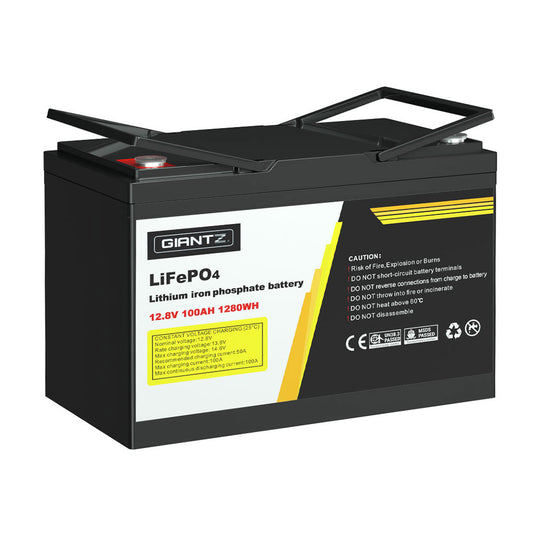
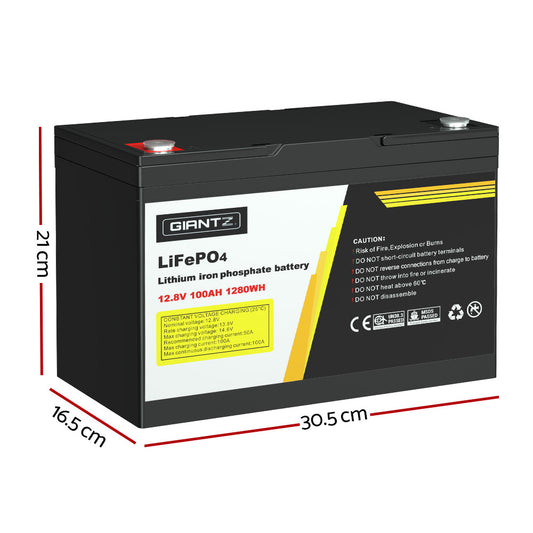
Amp-hours (Ah) describe charge capacity at a stated voltage, while watt-hours (Wh) describe energy. A useful nominal comparison is volts × amp-hours = watt-hours, so a 12.8V 100Ah battery is about 1280Wh nominally. Actual usable energy can be lower because discharge limits, BMS settings, inverter losses, temperature and other system conditions vary by battery and installation.

LiFePO4 vs AGM Deep Cycle Batteries

LiFePO4 and AGM batteries both appear in camping power setups, but they have different charging profiles, weight, usable-capacity characteristics and operating limits. LiFePO4 can be attractive when lower weight and repeated cycling matter, while AGM can suit existing lead-acid systems and different budgets. Compare the exact battery’s dimensions, charge requirements, discharge limits, temperature limits and manufacturer guidance before choosing.

Check Battery Size, Weight and Mounting Space

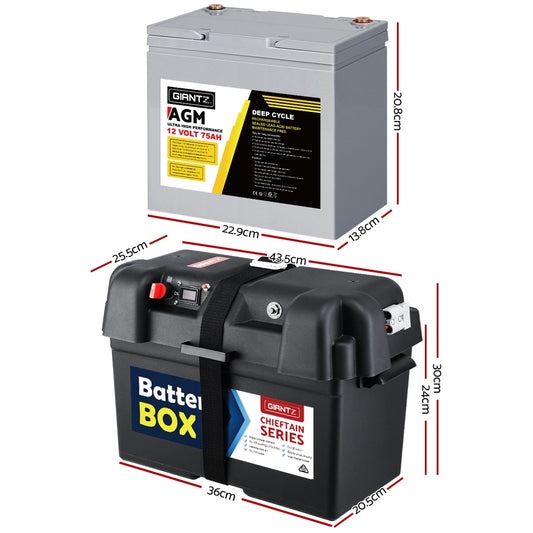
Battery capacity is only part of the fit. Standard, slim and blade-style batteries can suit different compartments and vehicle layouts, while AGM battery-and-box combinations have their own footprint. Measure the available space, check terminal orientation and cable access, and make sure the battery can be securely mounted and protected from movement or physical damage.

Understand the Battery Management System

Many LiFePO4 batteries include a battery management system (BMS) that monitors and protects the cells, but the protection features and electrical limits vary by model. Check the battery’s maximum charge and discharge current, supported connection arrangements, temperature limits and any BMS-specific instructions when matching chargers, inverters and high-current loads.

Choose the Right Mains Battery Charger

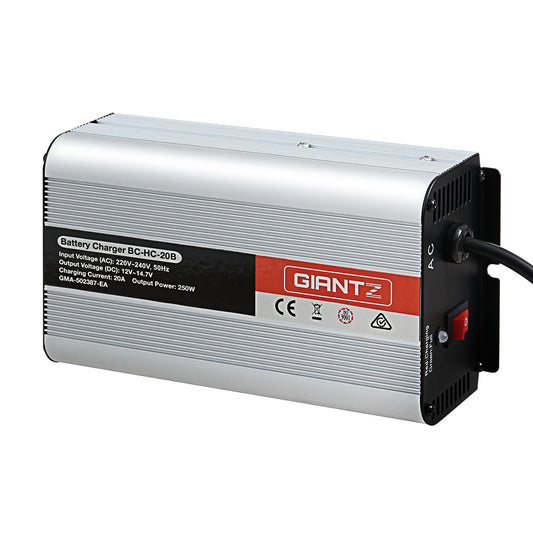
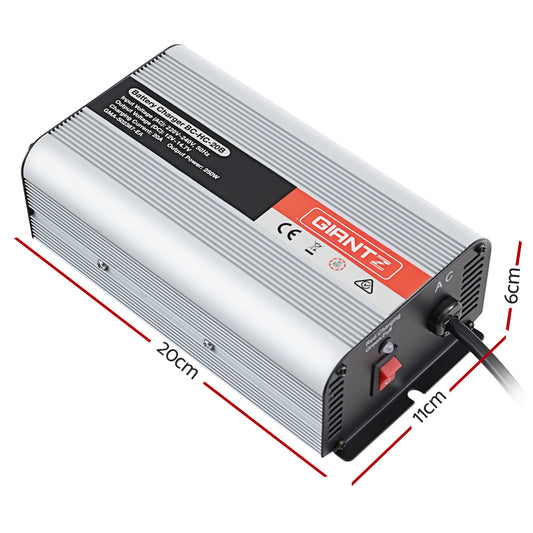
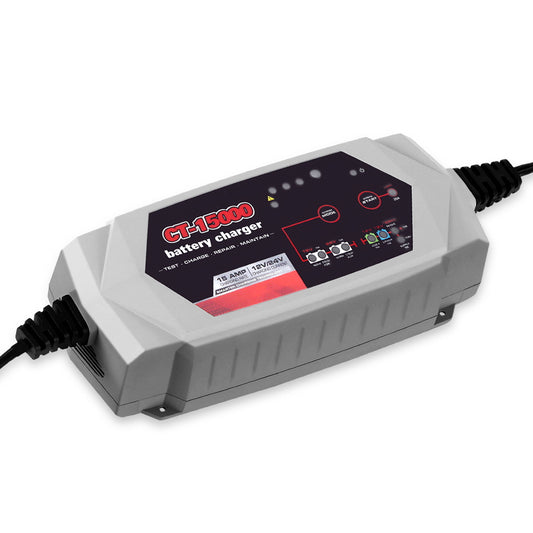
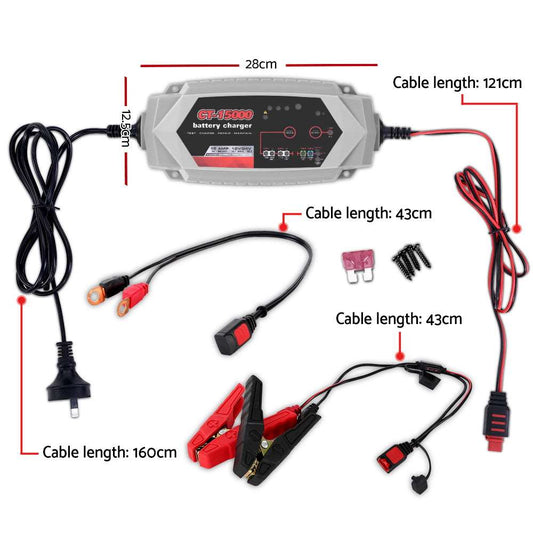
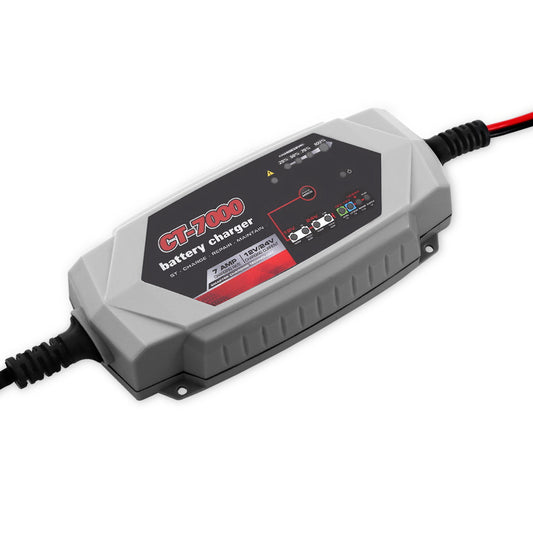
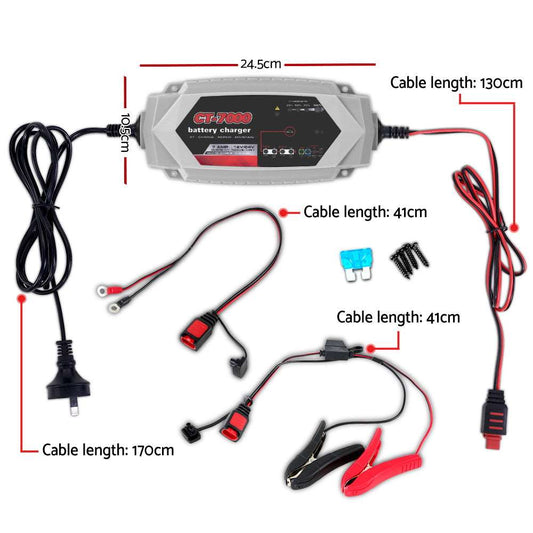
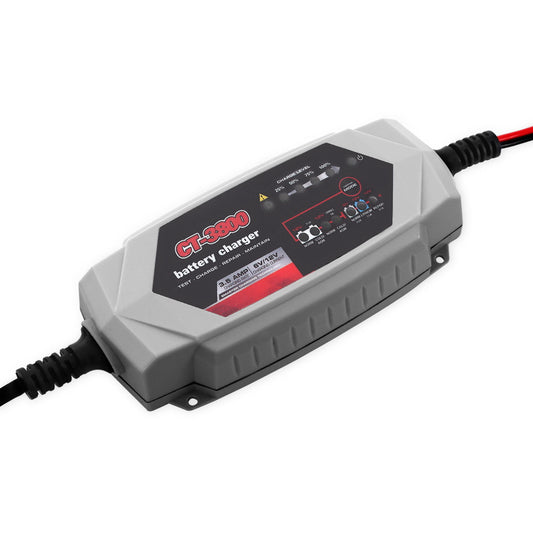
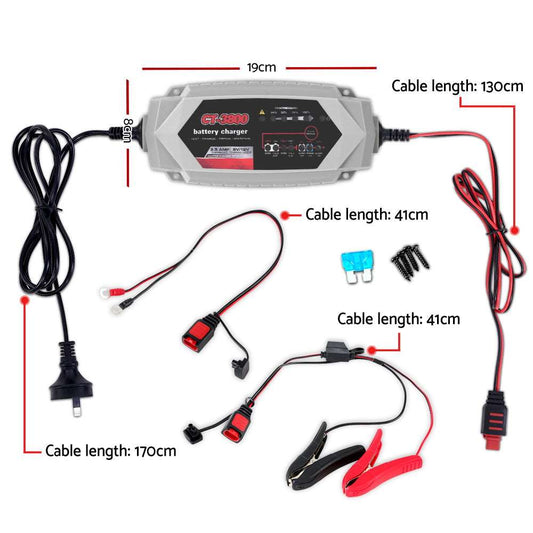
A mains charger replenishes a compatible battery from an AC power source such as 240V mains where the charger is designed for that input. Match the charger to the battery voltage and chemistry, then confirm its output current is within the battery manufacturer’s permitted or recommended charging range. Chargers in the range support different combinations of lead-acid, AGM, lithium and system voltages, so compatibility is product-specific.

When a DC-DC Charger Makes Sense

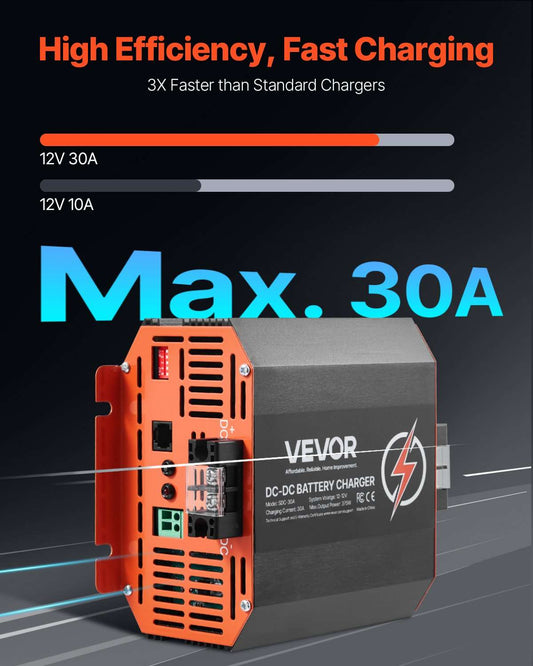
A DC-DC charger manages charging from another DC source, commonly a vehicle electrical system while driving. It can provide controlled charging for an auxiliary battery where the exact charger supports the vehicle, alternator type and battery chemistry. Smart alternators, battery voltage, cable runs and installation requirements can affect the correct setup, so follow the charger and vehicle guidance rather than treating every dual-battery system the same.

Charge a Camping Battery With Solar

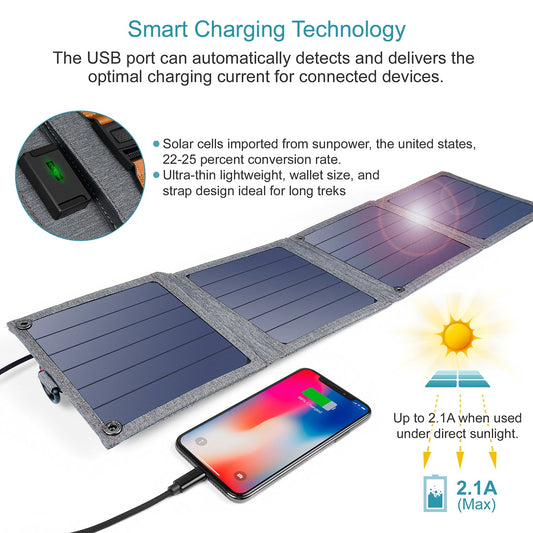
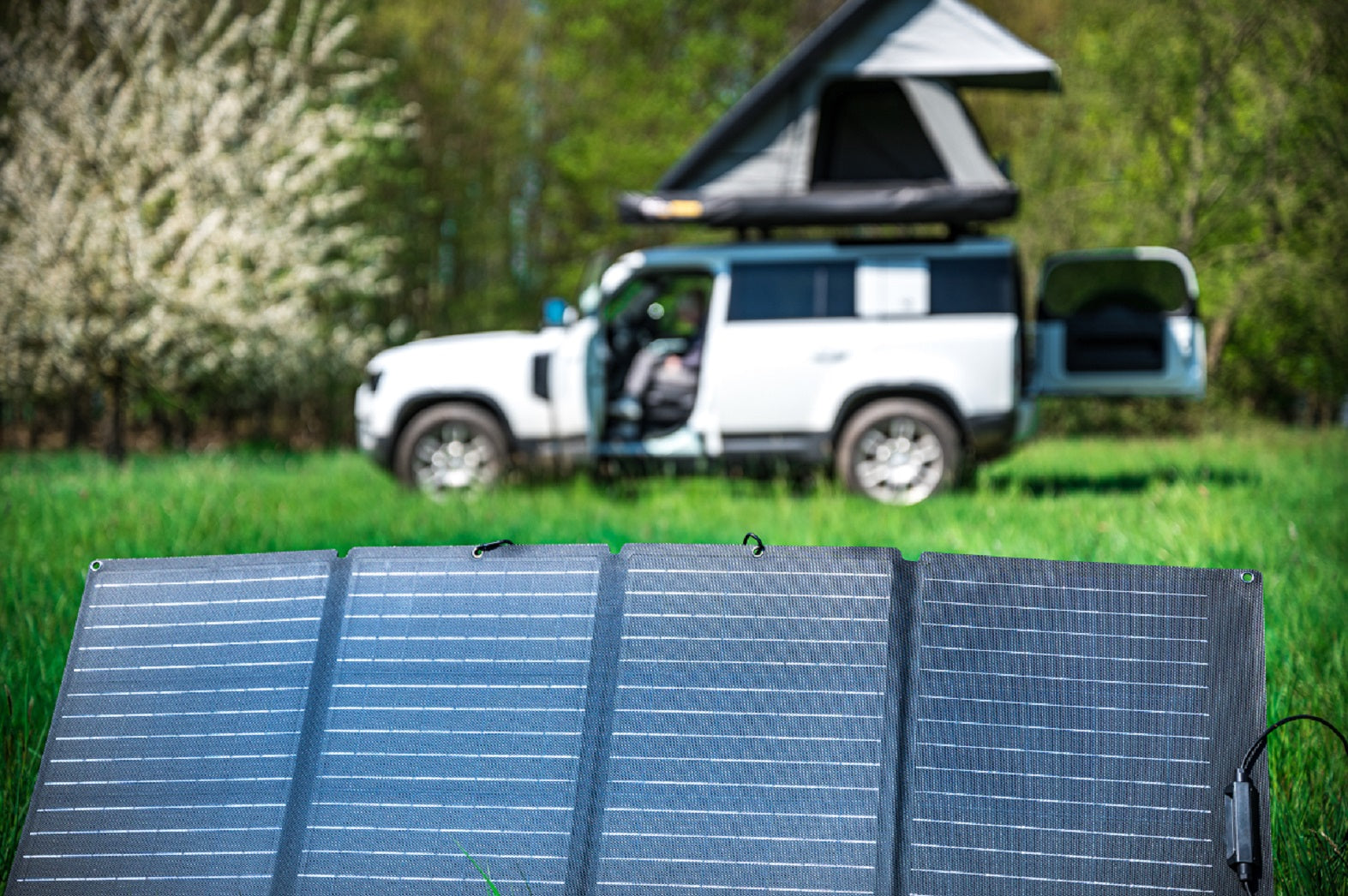
Solar can replenish a camping battery when the panel and charging equipment are compatible with the battery. Depending on the system, you may need a separate solar regulator or charge controller, or a charger with solar input built in. Browse 12V Solar and 12V Solar Regulators for related equipment, and match voltage, charging profile and current limits across the system.

Battery Boxes and Portable 12V Power

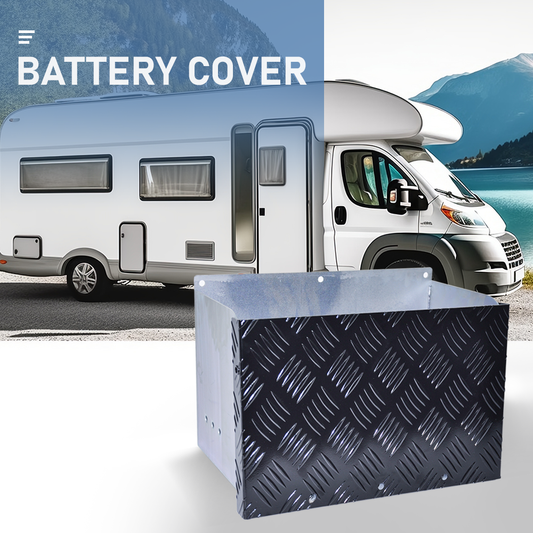
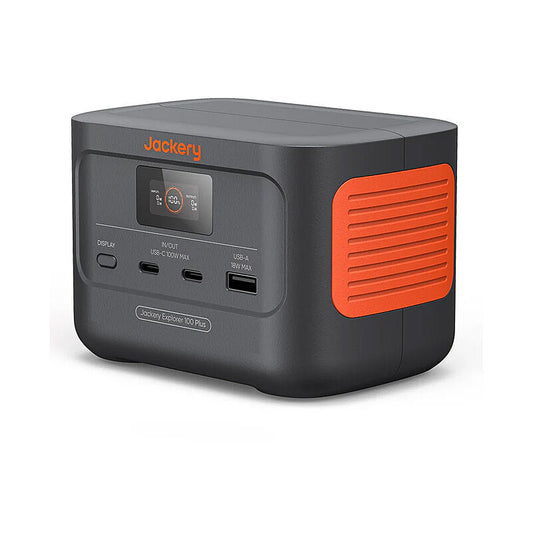
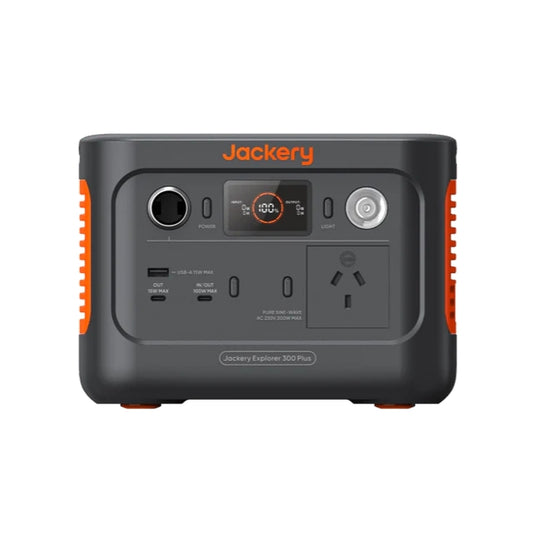
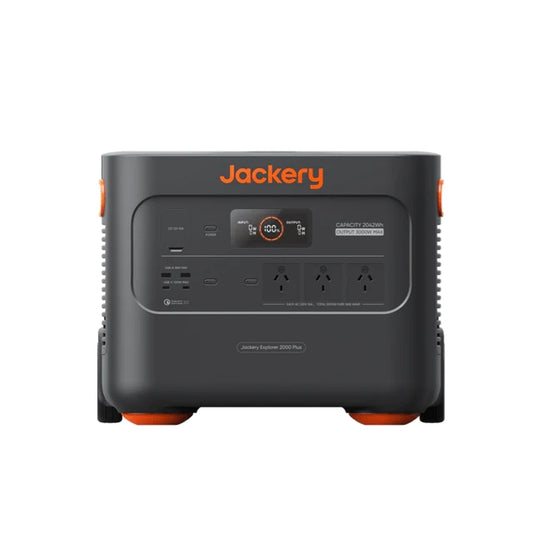
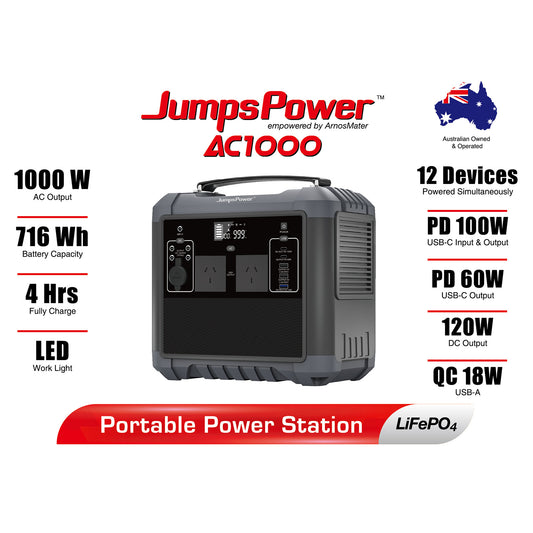
A battery box can protect a compatible battery and provide convenient outlets or connection points, depending on the model. Some include USB, 12V or Anderson-style connections, while selected battery boxes add an inverter. The battery provides the stored energy; the box, outlets, inverter, cabling and circuit protection each have their own limits, and some boxes are sold without a battery. Check the individual inclusions and ratings.

Dual Battery Isolators and VSR Kits

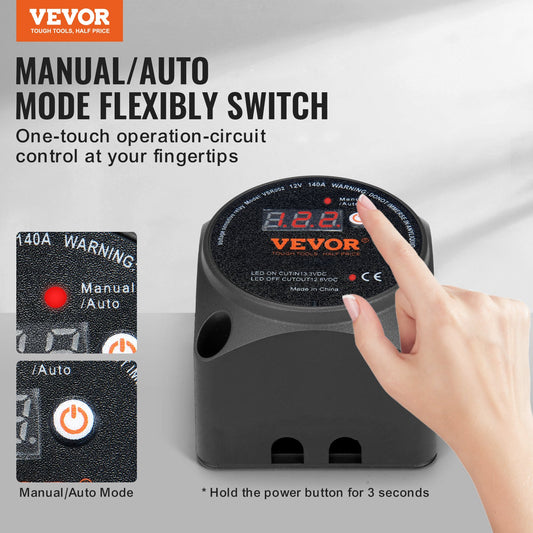
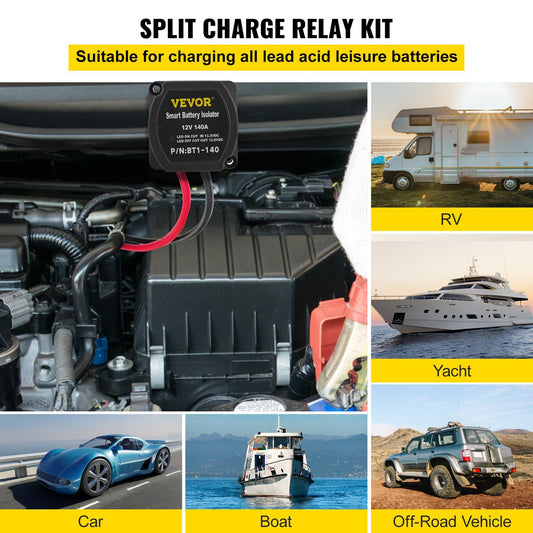
Voltage-sensitive relays and isolator kits can be used in some dual-battery systems, but they are not the same as a DC-DC charger and are not suitable for every vehicle or battery combination. Check the alternator system, battery chemistry, voltage and manufacturer instructions before choosing how the starter and auxiliary batteries are connected and charged.

Circuit Protection, Cable Size and High-Current Loads

High-current 12V systems need appropriately rated cabling, fuses or circuit breakers, secure terminations and protection positioned for the installation. Cable size depends on current, cable length, allowable voltage drop and the equipment being connected. Inverter loads can draw far more current from a battery than their AC wattage might suggest, so confirm battery, BMS, inverter, cable and protection ratings together.

Running a 12V Camping Fridge

A suitable auxiliary battery can run a 12V camping fridge, but there is no single runtime that applies to every setup. Fridge model, ambient temperature, thermostat setting, door opening, battery usable energy and charging input all affect how long the system can operate. Use the fridge’s power information and your expected conditions when sizing the battery bank.

Series and Parallel Battery Banks

Only connect batteries in series or parallel when the exact battery model is approved for that arrangement. Parallel connections increase bank capacity while keeping nominal voltage the same; series connections increase nominal voltage. Use compatible, closely matched batteries and follow the manufacturer’s limits for battery count, cabling, balancing, protection and charging.

Charging, Installation and Storage Safety

Use batteries and chargers within their specified voltage, current and temperature ranges, keep equipment protected from water and physical damage unless its rating allows otherwise, and provide any ventilation required by the manufacturer. Secure batteries for travel and keep conductive objects away from exposed terminals. For fixed or high-current vehicle and caravan wiring beyond your competence, use an appropriately qualified professional; fixed 240V wiring should be handled by a licensed electrician in accordance with local requirements.

Common Battery and Charger Mistakes to Avoid

  • Choosing a battery by Ah alone without estimating the energy your equipment uses each day.
  • Connecting a charger that does not match the battery voltage, chemistry or permitted charge current.
  • Assuming every lithium battery supports the same charging temperature, discharge current or BMS features.
  • Using a VSR or isolator without checking whether it suits the vehicle, alternator and auxiliary battery.
  • Undersizing cable or circuit protection for high-current chargers, inverters or other loads.
  • Assuming a battery box adds capacity when the battery inside it is what stores the energy.
  • Estimating fridge runtime from battery capacity without allowing for conditions, usable energy and recharge input.
  • Mixing batteries in a series or parallel bank without checking manufacturer compatibility and connection limits.
  • Installing batteries where they can move, overheat, become wet beyond their rating or suffer physical damage.
  • Ignoring the exact product instructions because two batteries or chargers have similar headline specifications.

Build Your 12V Power Setup

Use this collection for batteries, battery boxes and charging equipment, then return to 12V Camping Power for the wider system. You can also compare 12V Solar, 12V Solar Regulators, 12V Camp Fridges and Generators & Inverters when planning how your setup stores, replenishes and uses power.

Product note: Voltage, chemistry, capacity, BMS features, charge and discharge limits, connection options, temperature limits, dimensions and inclusions vary by product. Check the individual battery, charger or accessory specifications before matching components.

Safety note: Follow the battery, charger, vehicle and equipment manufacturers’ instructions. Use appropriately rated cable and circuit protection, secure batteries for travel, and use suitably qualified help where the installation requires it.

Guide reviewed: August 2026.

Frequently Asked Questions

What size 12V battery do I need for camping?

Start by listing the equipment you want to run, its power draw and roughly how many hours it will operate each day. Then allow for the battery’s usable capacity, charging input and a practical reserve. A fridge, lighting and occasional device charging need a different battery plan from high-current inverter loads, so compare your expected daily energy use with the exact battery specifications.

Are lithium batteries good for camping?

LiFePO4 batteries can suit camping and touring setups where lower weight, high usable energy and repeat cycling are priorities, while AGM batteries remain a common deep-cycle option. The best choice depends on your budget, charger, installation and expected loads. Charging limits, temperature requirements, BMS features, cycle-life claims and usable capacity vary by model, so check the individual battery specifications.

What does a camping battery box do?

A camping battery box holds and protects a compatible battery and can provide convenient connection points such as 12V sockets, USB outlets or Anderson-style connectors, depending on the model. Some boxes also include an inverter. The battery itself provides the stored energy, and the box, outlets, inverter, cabling and protection devices each have their own electrical limits.

Can you run a fridge from a camping battery box?

Yes, when the battery box, battery, outlet and wiring are suitable for the fridge’s voltage and current requirements. Runtime depends on the battery’s usable energy, the fridge model and settings, ambient temperature and how often the battery is recharged. Check both the fridge and battery-box specifications rather than relying on a fixed runtime estimate.

How do I choose a 12V battery charger for camping?

Match the charger to the battery voltage, chemistry and charging requirements first. Then check that the charger’s output current is within the battery manufacturer’s permitted or recommended charging range. A 240V mains charger, vehicle DC-DC charger and solar charge controller serve different charging sources, so choose the type that matches how you plan to replenish the battery.

Can I charge a 12V battery with solar while camping?

Yes, provided the solar setup includes charging equipment that is compatible with the battery voltage and chemistry. Depending on the setup, this can mean a separate solar regulator or charge controller, or a charger with solar input built in. Panel output, weather, battery state and controller limits affect charging performance, so check the specifications of each component.

What is the difference between an AGM battery and a LiFePO4 battery for camping?

AGM and LiFePO4 batteries use different chemistries, charging profiles and operating limits. LiFePO4 options are often lighter for a similar nominal capacity and can provide a different amount of usable energy, while AGM can suit established lead-acid charging systems. Compare weight, dimensions, usable capacity, charging requirements, discharge limits, temperature limits and the equipment already in your setup before choosing.

What is the difference between a mains battery charger and a DC-DC charger?

A mains battery charger uses an AC power source, such as 240V mains where the charger is designed for it, to charge a compatible battery. A DC-DC charger manages charging from another DC source, commonly a vehicle electrical system while driving. Both still need to match the battery voltage, chemistry and permitted charging current, and vehicle-based setups also need to suit the alternator and installation.

Can I use any charger with a LiFePO4 battery?

No. Use a charger or charging profile that is specifically compatible with the exact LiFePO4 battery and its stated voltage and charging limits. A charger intended only for a different battery chemistry is not automatically suitable. Check the battery and charger instructions, including maximum charge current and any temperature-related charging limits, before connecting them.

Can I connect 12V batteries in parallel or series?

Only when the battery manufacturer states that the exact model supports the connection you intend to use. Parallel connections increase bank capacity while keeping the nominal voltage the same, while series connections increase nominal voltage. Use compatible, closely matched batteries and follow the manufacturer’s limits for battery count, cabling, protection, balancing and charging.

Popular at Just Camp

1 of 6