How to Choose Camp Cookware for Australian Trips
A fry-up tastes better beside the beach, in the bush or at a quiet caravan park - unless your pan has warped, your billy takes forever to boil, or half the kitchen has swallowed the back of the ute. Knowing how to choose camp cookware means matching your gear to the way you actually travel, not buying the biggest set on the shelf.
For an overnight hike, a lightweight pot and mug may be all you need. For a family road trip, a proper frying pan, saucepan and sturdy plates can make camp meals easier and far less expensive than eating out. Start with the trip, then build a cookware kit that earns its space.
How to choose camp cookware for your trip
The best camp cookware depends on how you get to camp, how many people you are feeding and what is on the menu. A compact nesting set is brilliant when space is tight, but it can be frustrating when you are cooking pasta for five hungry people after a long day on the road.
Think about your usual camping style. If you are packing a 4WD, caravan or camper trailer, weight matters less than storage and durability. You can carry a larger frying pan, a two-pot set and a kettle without much drama. If you are hiking or travelling light, every extra handle and plate counts. One pot that boils water, heats a simple meal and doubles as a bowl may be the smarter call.
Also consider how long you tend to stay away. Weekend campers can keep things simple and wash up at home if needed. Longer trips need cookware that is easy to clean, reliable over repeated use and versatile enough for more than sausages and baked beans.
Start with the meals you actually cook
It is easy to picture camp cooking as a steak on a cast-iron plate, but most families need gear for breakfast, quick lunches, one-pot dinners and boiling water for tea. Write down three or four meals you genuinely expect to make. That will tell you more than a product label ever will.
A couple cooking toasties, eggs and sausages needs a frying pan, tongs and perhaps a kettle. A family making spaghetti, curries or rice dishes will appreciate at least one deeper pot with a lid. If fresh fish is part of the plan, choose a pan with enough cooking surface and a finish that will release delicate food without a fight.
Camp ovens suit slower meals such as damper, roasts and stews, but they are not an essential first purchase. They are heavy, need suitable heat control and take up room. They make sense for car campers who enjoy cooking over coals, not for every overnight getaway.
Choose the right cookware material
Cookware material affects weight, heat control, cleaning and how long your gear lasts. There is no single winner, especially when Australian camping can mean salty coastal air one weekend and red dust the next.
Stainless steel for everyday durability
Stainless steel is a dependable all-round choice. It handles knocks, does not rust easily and is straightforward to scrub after a messy dinner. It is a solid option for family camping, caravans and 4WD trips where cookware gets packed, unpacked and used often.
The trade-off is that thinner stainless steel can develop hot spots. Food may stick or burn if the flame is too high, so use moderate heat and stir regularly. Look for a sturdy base if you want more even cooking.
Aluminium for light packing
Aluminium cookware is popular with hikers and campers who want to keep weight down. It heats quickly, is affordable and often comes in clever nesting sets that save plenty of room in a daypack or camping tub.
Bare aluminium can dent more easily and may not cook as evenly as heavier gear. Hard-anodised aluminium is tougher and often easier to clean, making it a practical middle ground for travellers who want lighter equipment without going ultra-minimal.
Cast iron for cooking over coals
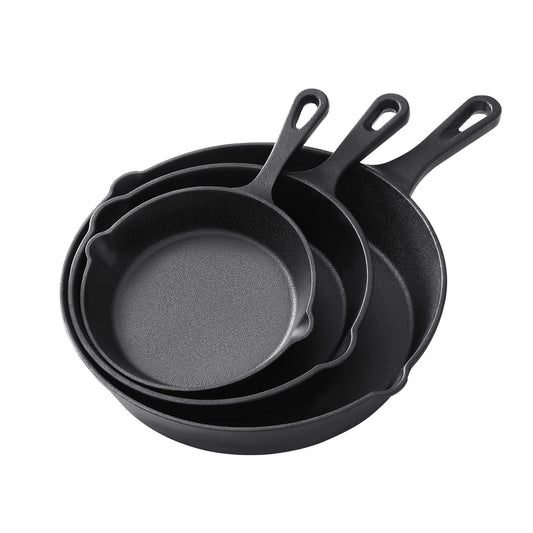
Cast iron holds heat exceptionally well and is ideal for searing, baking and slow cooking. It is hard to beat for a proper campfire dinner, provided you have room to carry it and know how to care for it.
Its downside is obvious once you lift it. Cast iron is heavy, needs seasoning to protect the surface and should be dried properly before storage. It is best reserved for car-based camping rather than thrown into every kit by default.
Non-stick cookware for easy meals
Non-stick pans are handy for eggs, pancakes and fish, particularly when you are cooking breakfast in a hurry. They need less oil and can make washing up quicker, which is a genuine win when water is limited.
Choose one made for camping or outdoor use, and avoid metal utensils that scratch the coating. Non-stick surfaces also do not love extreme heat, so they are generally better on a gas stove than directly over a roaring fire.
Match cookware to your camp stove and heat source
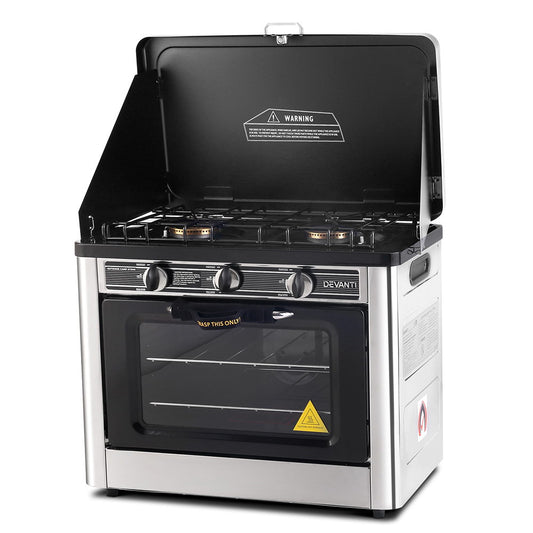
Before buying, check what you will cook on. A small butane stove works best with cookware that has a stable, flat base and is not oversized for the burners. A large pan on a tiny stove can feel wobbly, heat poorly and turn a simple dinner into a balancing act.
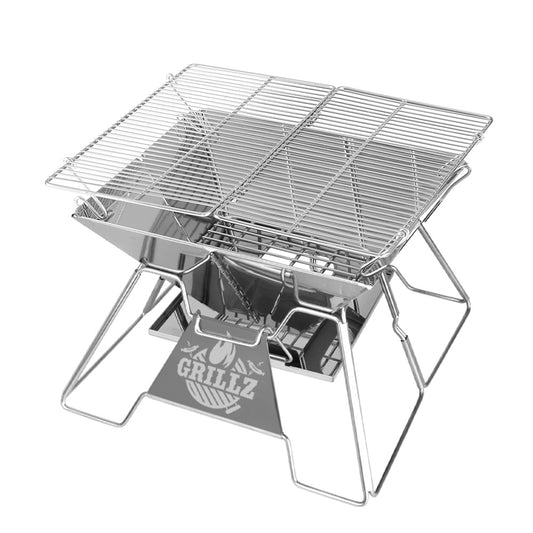
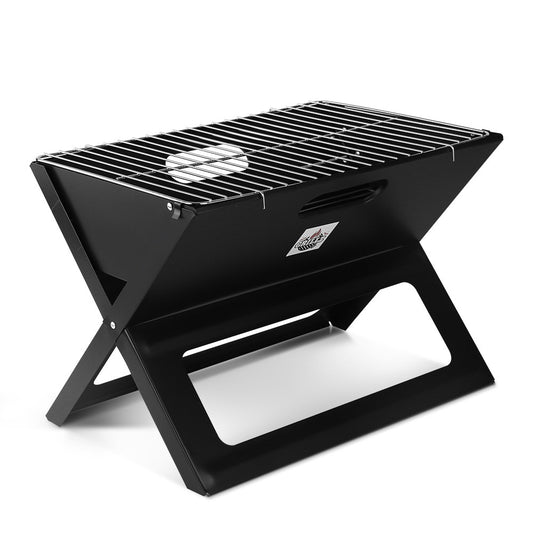
Gas stoves offer controllable heat and suit most stainless steel, aluminium and non-stick cookware. If you regularly use a fire pit or coals, choose gear designed for high heat, such as cast iron or heavy-duty stainless steel. Handles should be heat-resistant where possible, but always keep gloves or a pot gripper close by.
Induction cookware is less relevant at a remote campsite, but can be useful for caravan travellers who use powered sites and induction hotplates. If that is part of your setup, check that the cookware has a magnetic base before you leave home.
Get the size right for your crew
A cookware set should feed your group without creating dead weight. As a rough guide, a 1 to 1.5-litre pot suits one or two people for hot drinks and simple meals. A 2 to 3-litre pot is more comfortable for two to four campers, while families may want a 4-litre pot or larger for pasta, soups and one-pot dinners.
Pan size matters too. A 20 cm frying pan is compact but restrictive for a family breakfast. A 26 to 30 cm pan gives more usable cooking space, although it needs a stable stove and somewhere sensible to pack.
Avoid buying a huge set because it looks like good value if you will only use two pieces. A smaller, quality kit is easier to organise and quicker to wash. You can always add a specialised item later once you know what your trips call for.
Look for details that make camp life easier
The little features are often what separate handy cookware from gear that sits untouched in the shed. Lids reduce boil time and fuel use, while a lid with drainage holes can save carrying a separate colander. Folding or removable handles pack neatly, but make sure they lock securely before lifting a full pot.
Nesting designs are excellent for keeping your setup tidy. Some sets store bowls, cups and utensils inside the main pot, which is useful when every drawer, crate and caravan cupboard is already working hard. A carry bag helps prevent rattling and keeps soot or food residue away from other gear.
For a practical starter setup, aim for these core pieces:
- One lidded pot sized for your usual group
- One frying pan with a stable base
- A kettle or billy for tea, coffee and boiling water
- Tongs, a spatula and a pot gripper or heatproof gloves
- Reusable plates, bowls and cups that stack neatly
Do not forget cleaning and storage
Choose cookware you can wash without using half your water supply. Smooth surfaces, rounded corners and uncomplicated handles are easier to clean than pots with lots of awkward gaps. Bring a small washing tub, biodegradable dishwashing liquid, a scrubber and a microfibre cloth for drying.
Never pack cookware away wet, especially cast iron or gear stored inside a sealed bag. Moisture leads to rust, smells and unpleasant surprises at the start of the next trip. Let everything cool, clean it properly and dry it before stacking it back in the camp box.
A simple storage system also keeps your setup ready for fast getaways. Keep cookware, utensils and cleaning gear together so you are not hunting through the garage the night before departure. Just Camp customers often build their kit over time, starting with the everyday essentials and adding gear as their camping style grows.
The right cookware is the gear that makes you more likely to cook well outdoors, not the gear with the longest feature list. Pack for the meals you enjoy, leave room for the cold stuff, and you will be ready for an easy dinner wherever the road takes you.
Camp cooking safety: use gas and other fuel-burning stoves only in a suitable open, ventilated outdoor area and follow the appliance instructions. Never cook inside a tent, swag or enclosed annex, and check local fire restrictions before relying on flames or coals. Browse camp kitchen and cooking gear once you know the cookware size and heat source you need.