Camping Meal Plan: Easy Food for Aussie Trips
The difference between a relaxed camp breakfast and a hungry crew circling the esky at 8 am usually comes down to one thing: having a proper camping meal plan. It does not need to be fancy, expensive or packed with dehydrated expedition food. It just needs to suit your trip, your cooking gear, your storage space and the people you are feeding.
For a weekend away, simple meals with a few fresh ingredients work brilliantly. For a longer 4WD or caravan run, you need food that lasts, travels well and does not rely on finding ice every second day. Plan the meals before you shop and you will buy less random stuff, waste less food and spend more time around the campfire.
Start Your Camping Meal Plan With the Trip
Before choosing recipes, work out the practical stuff. How many nights are you away? Will you have a powered site, a fridge or only an ice-filled esky? Are you cooking on a single-burner stove, a barbecue plate or over the fire? These answers set the limits, and that is a good thing.
A family heading to a caravan park can pack yoghurt, fresh meat, salads and milk for several days. A couple taking a swag and a compact stove into the High Country may be better off with shelf-stable meals, quick-cook grains and ingredients that need minimal washing up.
Also plan for the weather. A hot coastal weekend calls for lighter dinners, plenty of cold drinks and foods that hold up in an esky. A chilly bush campsite makes one-pot curries, pasta bakes and hot porridge far more appealing. In Australia, conditions can change quickly, so keep a few easy backup meals in the tub.
Keep Meals Simple, Not Boring
The best camp food often uses familiar ingredients in flexible ways. Choose meals where one item can do more than one job. Mince can become tacos on night one and a quick pasta sauce the next. Leftover roast chicken can fill wraps for lunch. A bag of salad can go beside burgers, into wraps or through a couscous bowl.
Avoid planning a different complicated recipe for every meal. It sounds exciting at home, but chopping six ingredients by lantern light while the kids are tired is not anyone's idea of a holiday. Aim for one main meal, one easy side and a snack or dessert if the mood strikes.
Fresh food should be eaten early in the trip. Use the first night for steaks, chicken skewers or burgers, then move towards sausages, canned fish, pasta, rice, beans and long-life ingredients later on. This approach also takes pressure off your ice supply.

3-Night / 4-Day Camping Meal Plan
If you want a ready-to-use starting point, this simple plan suits a relaxed three-night camping trip with basic cooking gear and reliable cold storage. It is written for roughly two adults; increase quantities for families, bigger appetites or extra campers.
| Day | Breakfast | Lunch | Dinner | Snacks & extras |
|---|---|---|---|---|
|
Day 1 Arrival day |
Eat before leaving or grab something easy on the road | Wraps with salad, cheese and your choice of filling | Burgers with corn and a simple side salad | Fruit, trail mix and something easy around the fire |
| Day 2 | Bacon and egg wraps, plus coffee or tea | Tuna and crackers with fruit | One-pot sausage and tomato pasta | Popcorn, crackers and hot chocolate |
| Day 3 | Muesli with long-life milk and banana | Leftover pasta or quick wraps | Bean tacos or loaded wraps with corn, salsa and cheese | Apples or mandarins, nuts and muesli bars |
|
Day 4 Pack-up day |
Porridge with banana and cinnamon | Crackers, remaining wraps and any easy leftovers before the drive home | Home — or keep an emergency pantry meal in reserve if plans change | Use up remaining fruit and snacks |
The pattern is deliberate: use the most perishable ingredients first, keep the middle of the trip easy, and finish with pantry-friendly food that does not create much washing up on pack-up morning.
Shopping list for the meal plan
Use this as a base list and adjust quantities for your group:
- Breakfast: eggs, bacon, wraps, muesli, long-life milk, oats, bananas, cinnamon, coffee or tea.
- Lunches: extra wraps, salad ingredients, cheese, your preferred sandwich filling, tuna, crackers and fruit.
- Dinners: burger patties, burger buns, corn, salad, sausages, pasta, canned tomatoes or pasta sauce, taco seasoning, canned beans, canned corn, salsa and grated cheese.
- Snacks: trail mix, nuts, muesli bars, popcorn, apples or mandarins, crackers and hot chocolate.
- Cooking basics: oil, salt, pepper and any favourite sauces or spices.
- Camp kitchen basics: drinking water, ice or fridge space, paper towel, rubbish bags and washing-up supplies.
You can also prep most of this before leaving: portion the dry ingredients, grate cheese, wash salad items and label each dinner together so you are not hunting through tubs at camp.

Build Around Gear You Will Actually Use
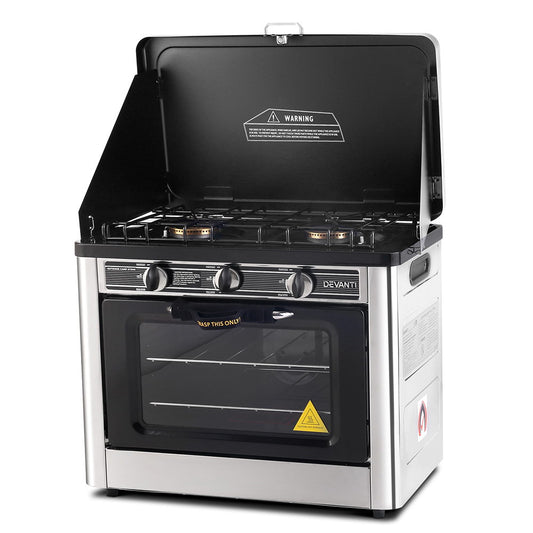
A camping meal plan is only useful if your setup can deliver it. A two-burner stove and frying pan give you plenty of options, but a compact cooker is still enough for pasta, fried breakfasts, noodles and boil-in-the-bag rice. There is no need to carry a full kitchen for an overnight stay.
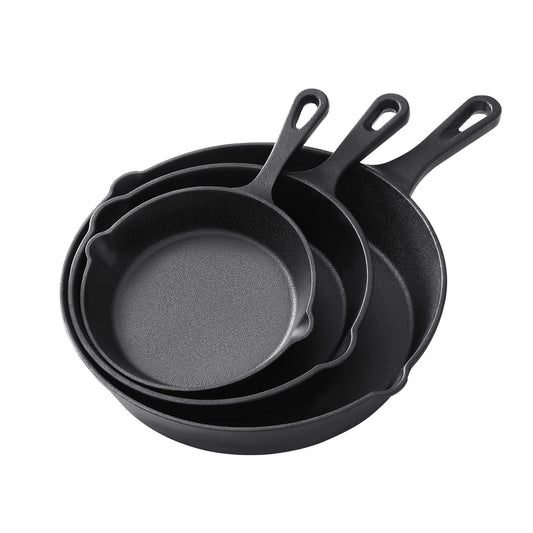
For most family camps, a decent camp stove, gas bottle, frying pan, saucepan with lid, sharp knife, chopping board, tongs and a can opener cover the basics. Bring a washing-up tub, biodegradable dishwashing liquid, tea towel and rubbish bags too. Food prep gets much easier when there is a clear system for clean gear and dirty gear.
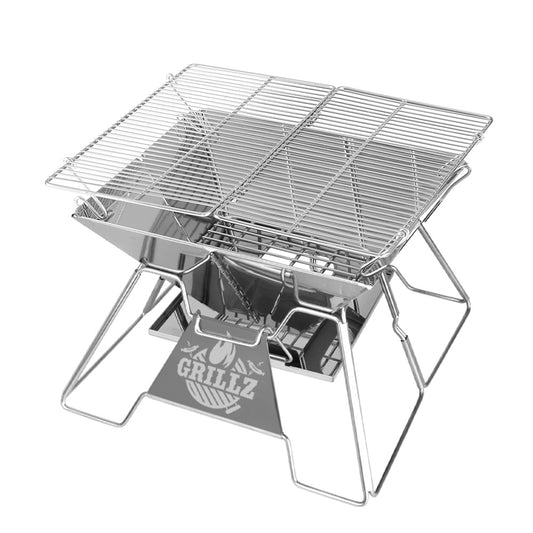
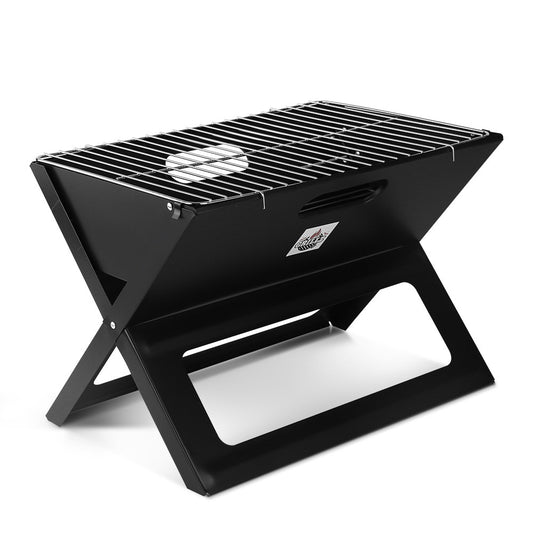
If you are relying on a fire, treat it as a bonus rather than your only cooking method. Fire restrictions, wet wood, wind and late arrival can all spoil the plan. A gas stove gives you a reliable way to get dinner sorted, while a campfire can handle damper, toasted marshmallows or a slow-cooked feed when conditions allow.
Shop Once and Pack in Meal Order
Write your shopping list by meal rather than wandering the supermarket aisle and hoping it works out. Put each dinner's dry ingredients together in a labelled bag or container. At camp, you can grab what you need without digging through every crate.
A useful camping food kit has four groups:
- Fresh ingredients for the first one or two days, including meat, dairy and salad items.
- Long-life staples such as pasta, rice, wraps, oats, canned beans, tuna and sauces.
- Quick snacks including fruit, crackers, trail mix, muesli bars and a few treats.
- Cooking basics: oil, salt, pepper, coffee, tea, sugar, spices, paper towel and dishwashing supplies.
Prepping at home saves serious time. Dice onions, grate cheese, marinate meat and portion snacks before you leave. Freeze meat flat in zip bags where practical. It doubles as extra cold storage in the esky and thaws more evenly than a big solid block.
Do not forget water. Campgrounds vary, remote sites can have limited supply, and tap water may not always suit your needs. Carry more drinking water than you think you will use, particularly for hot days, cooking and washing hands.
Get Esky and Food Safety Right
Good food storage is not glamorous, but it stops a great trip becoming a miserable one. Pack the esky cold before departure, use solid ice blocks where possible and keep raw meat sealed and separate from ready-to-eat foods. Put the food needed later in the trip at the bottom, with daily items closer to the top.
Open the esky less often by keeping drinks in a separate cooler. It is a simple move that helps ice last much longer. If you are travelling for more than a few days, choose meals that do not depend on chilled meat after day two or three unless you have a reliable camping fridge.
Cook meat thoroughly, wash hands before preparing food and do not leave cooked meals sitting in the sun. If leftovers cannot be chilled properly, skip them. A little planning costs far less than replacing spoiled food or losing a day of your trip to an upset stomach.

Plan for Real Camp Appetites
People eat differently outdoors. A morning swim, long drive, trail walk or afternoon fishing session can turn a light eater into someone asking for dinner at 4 pm. Pack more snacks than you would for a quiet weekend at home, especially when travelling with kids or teenagers.
That does not mean filling the trolley with lollies. Include filling options such as cheese and crackers, boiled eggs, popcorn, nut mixes, fruit, jerky and peanut butter on toast. A few easy treats still have their place - a campfire dessert or hot chocolate can be the highlight after a long day.
Allow for one flexible meal as well. Maybe you catch fish, decide to visit the local pub, arrive late, or simply cannot face the planned dinner. Keeping a backup like canned soup, instant noodles, pasta and sauce, or baked beans means the plan bends without falling apart.
Make Camp Cooking Part of the Good Bit
Camp meals do not need restaurant-level effort to feel like a win. The best ones are hot, filling and easy enough that everyone can get involved. Give the kids jobs such as setting out plates, building wraps or mixing pancake batter. Let someone else take charge of the washing up while the cook gets a cold drink.
A well-packed food tub, reliable cooking gear and a simple plan take the stress out of feeding the crew. Get those sorted before you hit the road, then leave room for the spontaneous bits that make camping worth it.