★★★★★

"Arrived earlier than quoted, Thank you Just Camp for the great service"

Ross

★★★★★

"Website was easy to navigate and I received my purchase promptly"

Brenda

★★★★★

"Purchased for a great price, service was excellent, postage very quick"

Lindy

★★★★★

"Great product and service A++"

Anthony

★★★★★

"My order arrived faster than expected and the quality was just as good as the big name brands"

Aaron

How to Choose Camping Kitchen & Cooking Gear

Plan a Practical Camp Kitchen

A good camp kitchen starts with the meals you expect to cook, the number of people you are feeding and the facilities available at the campsite. A compact stove, small cookware set and kettle may be enough for an overnight trip, while family touring can justify a folding kitchen, larger BBQ, portable oven, fridge, food-storage system and dedicated washing area.

Check the packed dimensions, total weight, setup space, weather protection and fuel or power requirements before buying. Keep food preparation, cooking, handwashing and dishwashing organised as separate tasks. A simple layout reduces clutter around hot appliances and helps prevent raw food, dirty utensils and rubbish from contaminating ready-to-eat meals.

Choose the Right Cooking Appliance

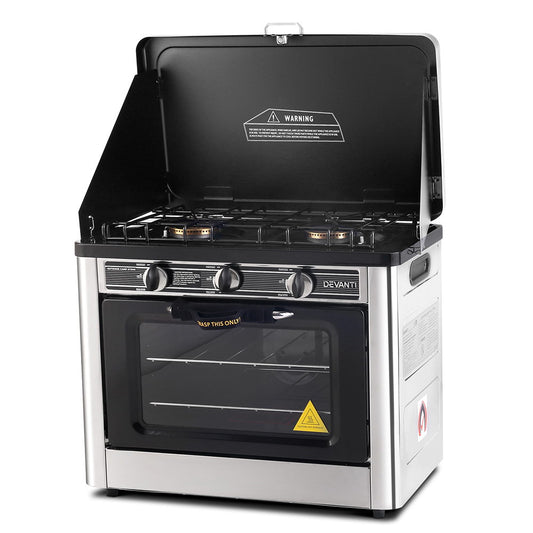
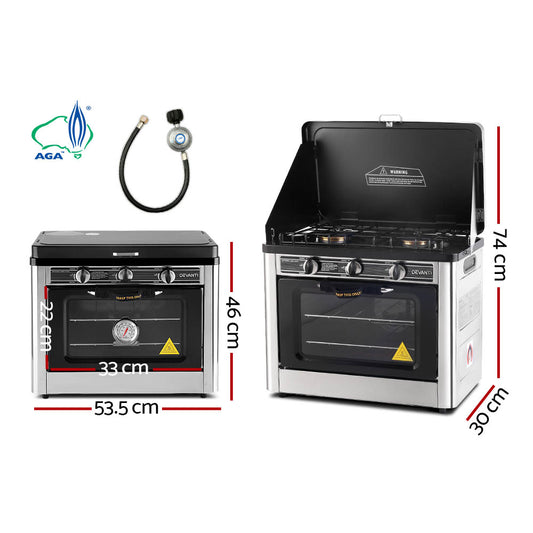
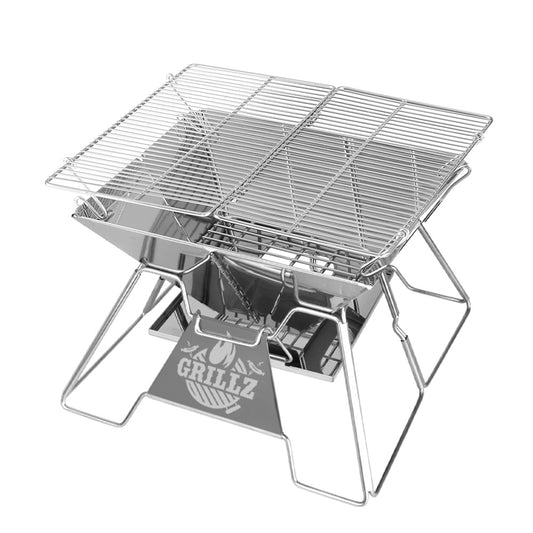
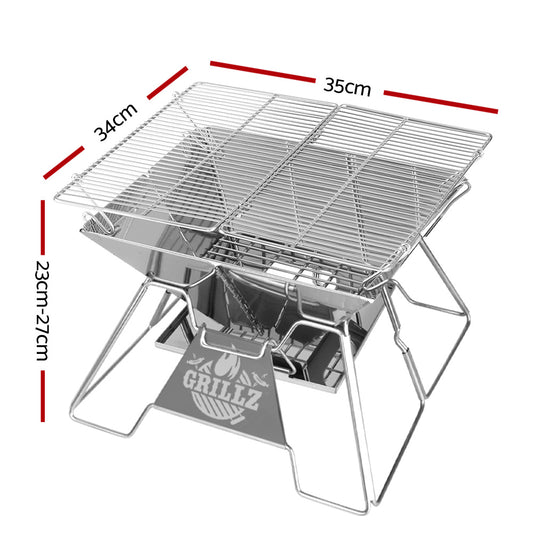
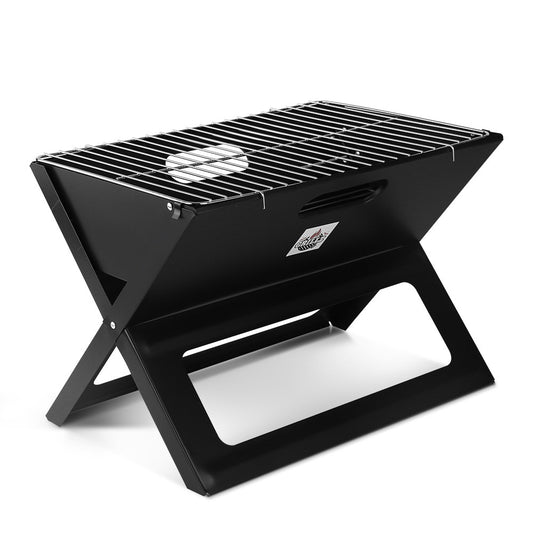
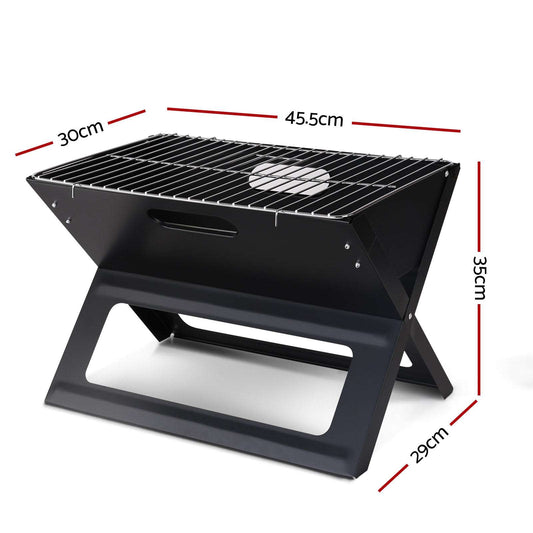
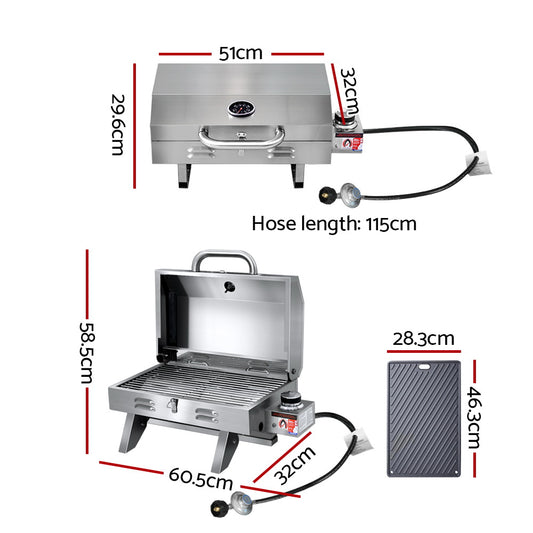
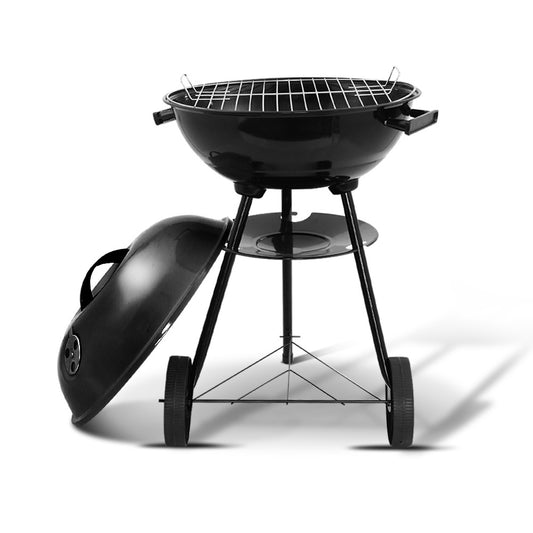
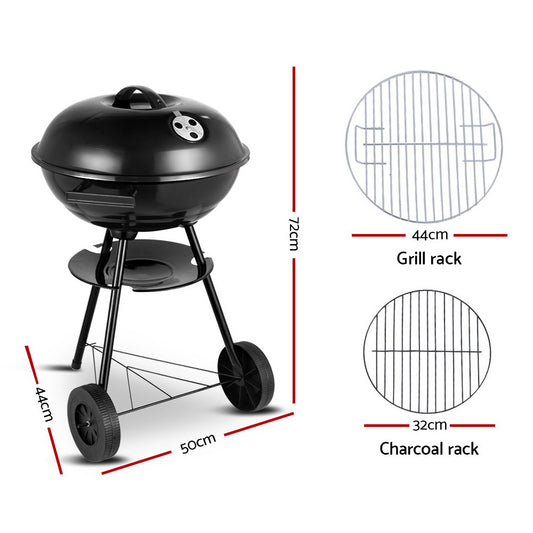
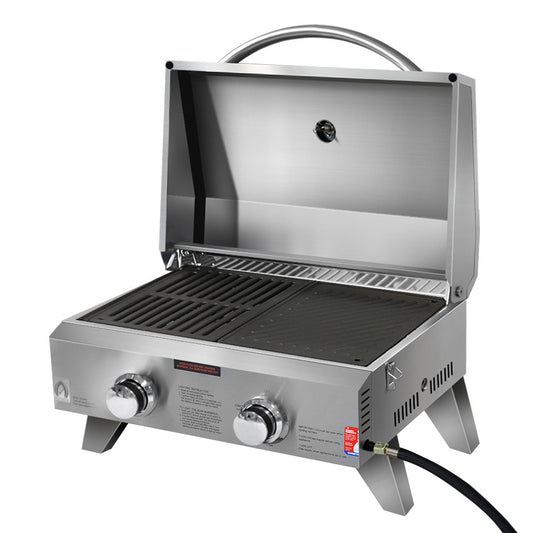
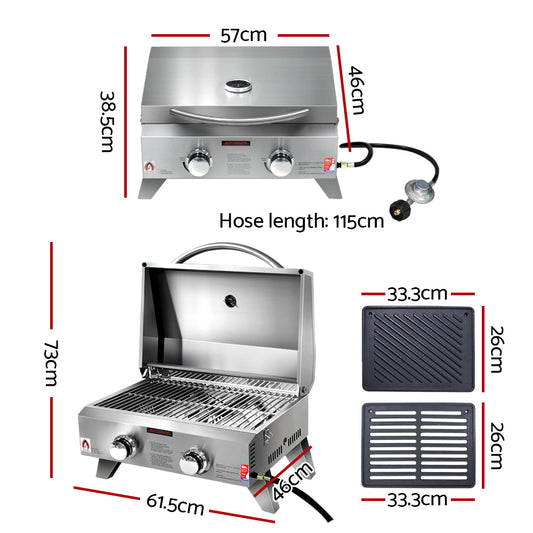
Portable gas stoves are useful for controlled boiling, frying and simmering. A BBQ offers a larger grilling surface, a portable oven adds baking and roasting, and a charcoal cooker or smoker suits slower outdoor cooking where solid-fuel fires are permitted. Combination stove-and-oven units can work well for caravanning and base camps but require more packed space and a compatible gas supply.

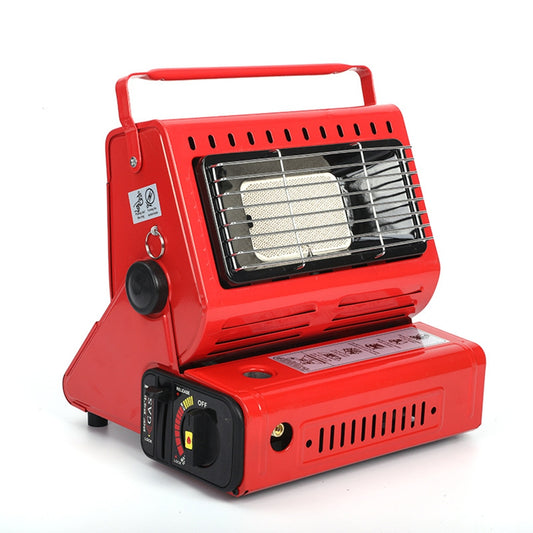
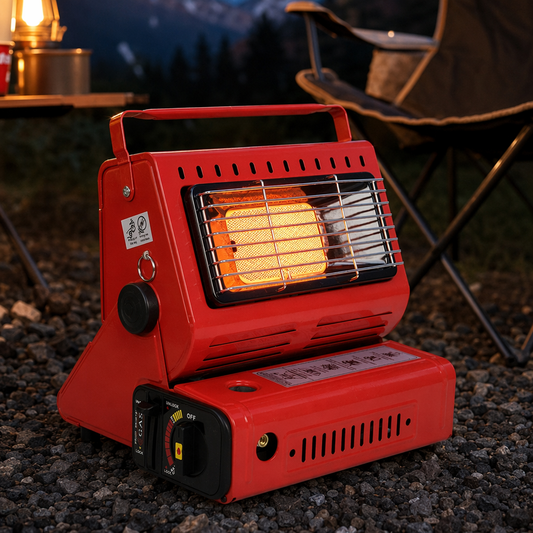
Match the appliance to the fuel specified by its manufacturer. Check burner output, cookware limits, ignition type, regulator and hose requirements, wind protection, stability and clearance distances. Do not adapt fittings, mix incompatible cylinders or use an appliance for heating a shelter unless it is specifically designed, certified and installed for that purpose.

Gas Stove and LPG Safety

Outdoor LPG appliances can produce carbon monoxide and must not be used inside tents, caravans, campervans or canvas annexes. Place the appliance outdoors on a stable, level and non-combustible surface, well clear of shelters, dry grass, branches, vehicles and other flammable materials. Keep children and pets away from the cooking area.

Inspect the cylinder, hose, regulator, seals and connections before use. Test suspected leaks with soapy water rather than a flame, close the cylinder valve when the appliance is not operating and follow the exact lighting and shutdown sequence in the product instructions. Stop using equipment that smells of gas, has damaged components, produces abnormal flames or cannot be connected securely.

Fire Pits, Wood Stoves and Fire Restrictions

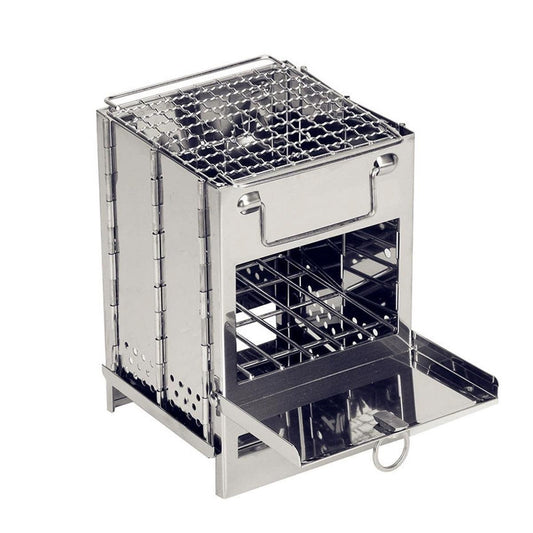
Campfire, charcoal and wood-burning rules vary by state, park, campground and current fire declaration. A fire pit or solid-fuel cooker may be prohibited even when it is raised from the ground. During some restrictions, a contained gas or electric appliance may be allowed only under specific supervision, clearance and extinguishing conditions. Check the current park alerts and fire-authority rules for the exact location on the day you cook.

Use only designated fireplaces where required, never leave a fire unattended and keep suitable water or an extinguisher close by. Cook over a stable grate, hotplate or compatible cookware rather than balancing pans on loose timber. Extinguish the fire completely with water, stir the ashes and confirm the remains are cold before leaving or sleeping.

Stove Windshields and Safe Clearances

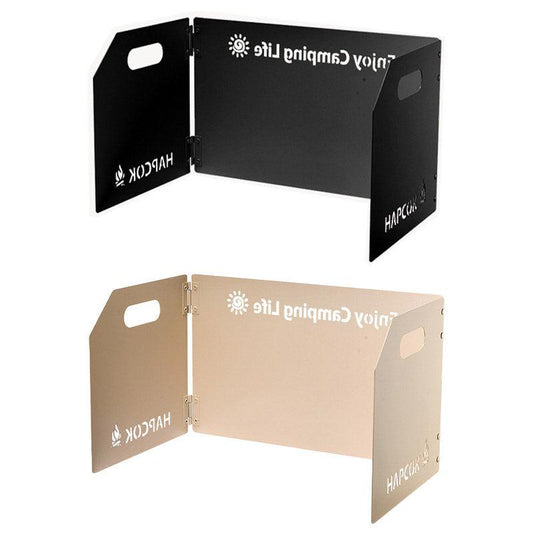
A windshield can improve burner performance, but it can also trap heat around a stove, hose or fuel canister. Use a windshield only where the appliance manufacturer permits it. Maintain airflow and the stated side, rear and overhead clearances, and never wrap a shield around or enclose the fuel source.

Position the stove so wind cannot blow the flame toward the cylinder, hose, table edge or nearby equipment. If the appliance becomes unusually hot, the canister warms, the flame changes or the setup feels unstable, turn it off safely and allow everything to cool before adjusting it.

Camping Cookware Materials

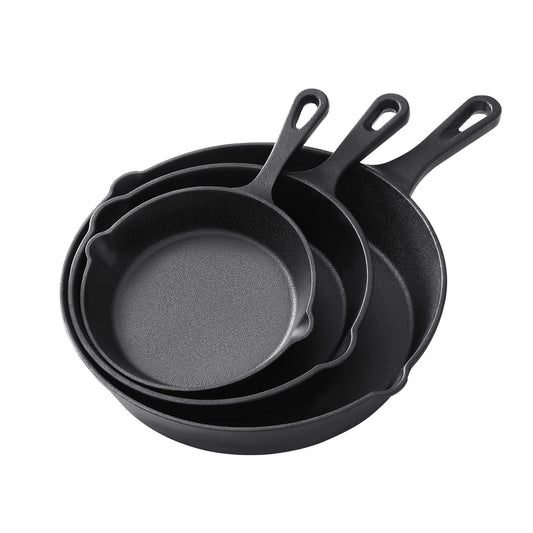
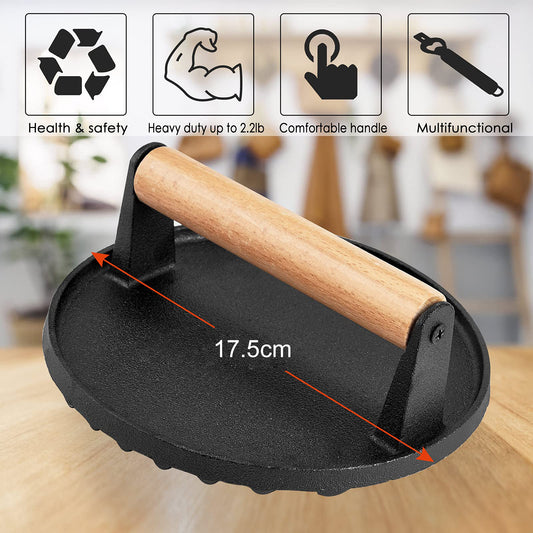
Cast iron retains heat well and suits hotplates, BBQs and many campfire setups, but it is heavy and needs prompt drying and light oiling to prevent rust. Stainless steel is durable and easy to maintain, while aluminium is lighter and common in nesting hiking cookware. Non-stick and ceramic-coated pans can simplify cleanup but must be used within their temperature and utensil limits.

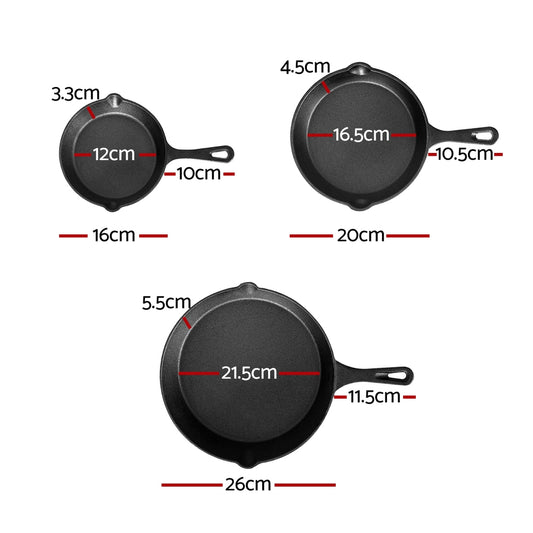
Check base diameter, pot supports, lid fit, handle design and maximum temperature. Oversized cookware can make a compact stove unstable or reflect excessive heat toward a canister. Avoid placing cookware directly in flames unless the maker approves it, and use heat-resistant gloves or tools for hot handles and lids.

Kettles, Coffee and Hot-Water Gear

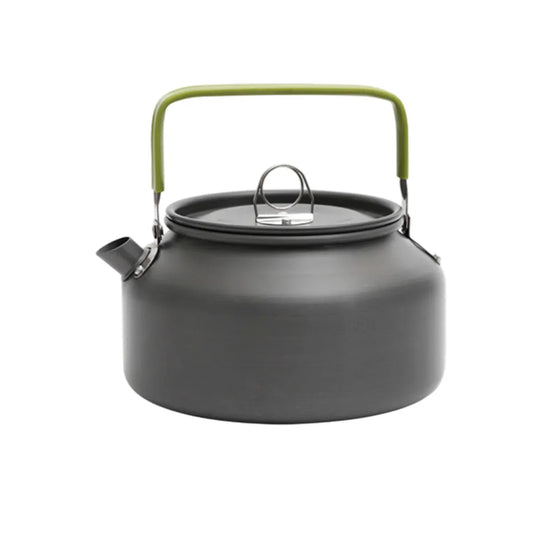
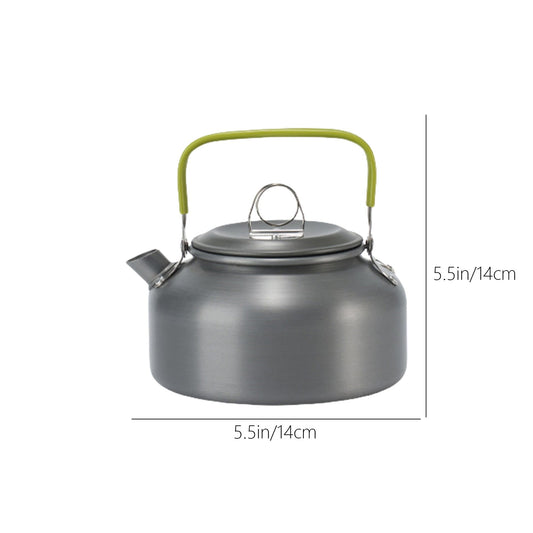
A camping kettle, percolator, pour-over set or insulated travel mug can make hot drinks easier without occupying the main cookware. Choose capacity around the number of people, and check whether the product suits gas, induction, hotplate or open-fire use. Some kettles and coffee makers are not designed for direct flame.

Never overfill a kettle, point steam away from people and use a stable pouring grip. Boiling water can cause severe burns, so establish a clear place for filling and serving away from children, tent entrances and busy walkways.

Utensils, Dinnerware and Organisation

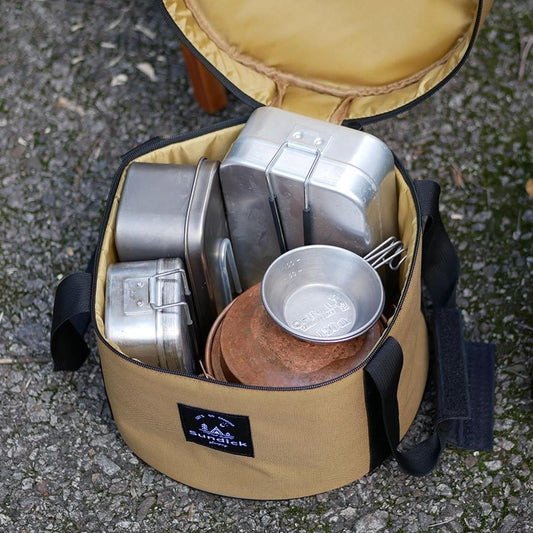
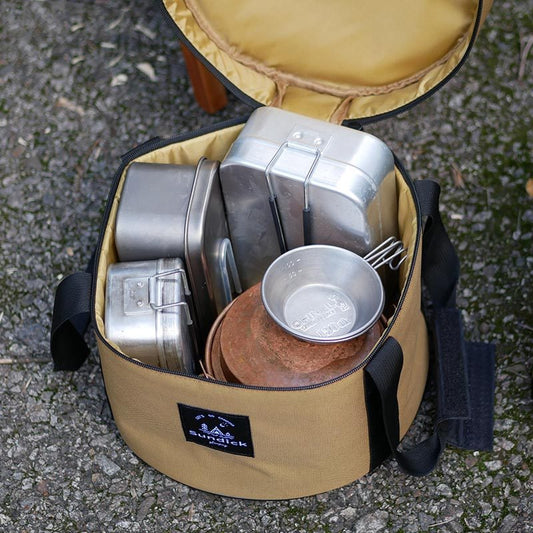
A practical kit usually includes a sharp knife with a secure cover, cutting board, tongs, spatula, serving spoon, can opener, cutlery, plates or bowls and heat-resistant gloves. Nesting cookware, roll-up utensil organisers and dedicated storage bags reduce loose items and make it easier to confirm that the kitchen is complete before departure.

Use separate boards or thoroughly clean equipment between raw meat and ready-to-eat food. Store sharp tools safely, keep handles turned away from edges and replace cracked, melted or deeply scratched food-contact items. Check whether plates, cups and utensils are microwave-safe, dishwasher-safe or heat-resistant rather than assuming all camping products are.

Portable Sinks, Handwashing and Wastewater

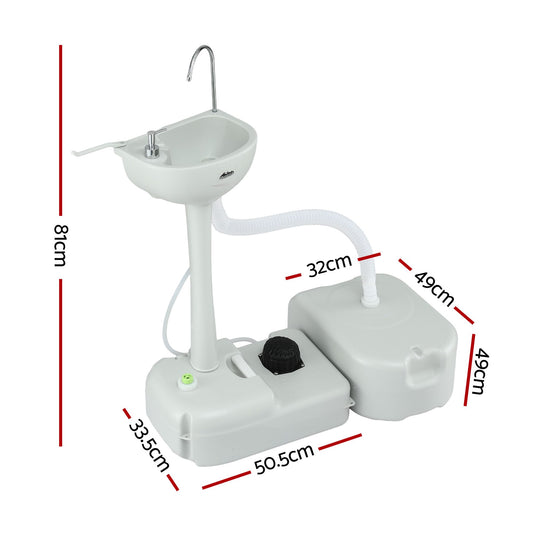
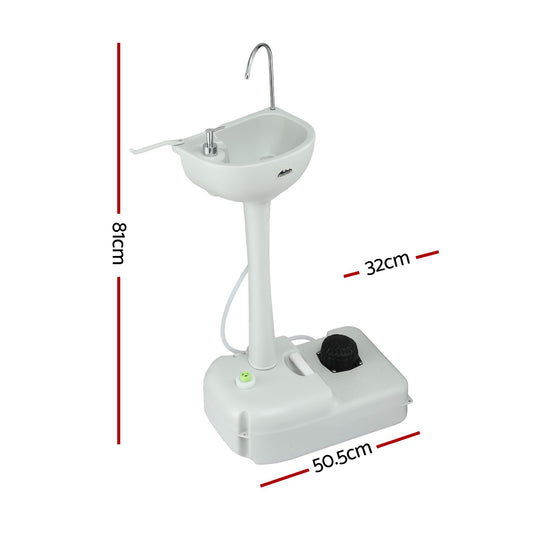
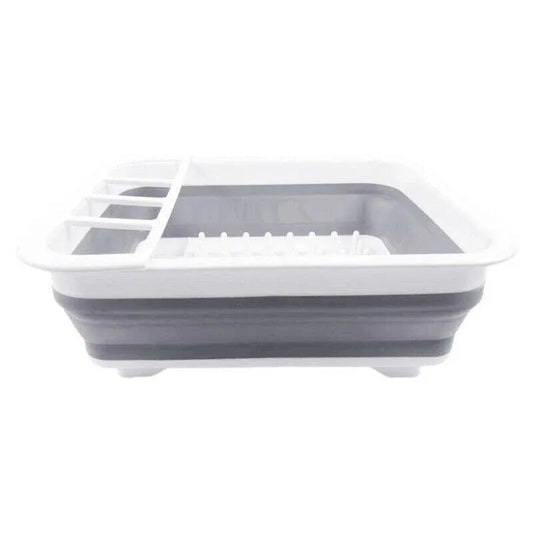
Set up handwashing before food preparation begins, using safe water, soap and a method for hygienic drying. A collapsible sink or basin keeps dishwater contained and separates washing from drinking-water containers. Scrape food scraps and grease into rubbish before washing so less contamination enters the wastewater.

Use campground disposal points or follow the land manager’s instructions. Do not wash dishes directly in lakes, rivers or creeks, and do not pour detergent, oil, grease or food-contaminated water into waterways. Strain remaining scraps and carry out rubbish where facilities are not provided.

Food Storage and Safe Temperatures

Potentially hazardous food should generally be kept at 5°C or colder during storage and transport. Use a working camp fridge or a well-managed cooler with enough ice or frozen packs, minimise lid opening and keep raw meat sealed below ready-to-eat food. A fridge thermometer is more reliable than judging temperature by touch.

When holding food hot, keep it at 60°C or hotter. Cook poultry, mince and rolled meats thoroughly, with 75°C at the centre a useful food-safety target, and use a clean food thermometer where possible. Use safe drinking water, wash hands before preparation and discard food when its temperature history or condition is uncertain.

Ice Makers, Vacuum Sealers and Powered Equipment

Portable ice makers and vacuum sealers can support a larger camp kitchen, but they do not replace refrigeration or safe handling. Freshly made ice must be transferred to insulated storage, and vacuum-packed food can still require refrigeration. Follow the food manufacturer’s storage instructions and do not treat a sealed bag as proof that food is safe.

Check voltage, wattage, startup demand, ventilation and weather protection before running appliances from a battery system, inverter or powered site. Keep electrical connections dry, allow heat-producing equipment to ventilate and make sure your power source can support the appliance without overloading.

Build a Touring or Caravan Kitchen

For touring, prioritise equipment that packs securely, sets up quickly and works with the fuel and power you already carry. A folding camp kitchen can create bench space and storage, while a fridge slide, pantry boxes and labelled utensil bags help prevent repeated unpacking. Secure cylinders, heavy cookware and sharp tools for travel.

Caravan and camper kitchens may combine fixed indoor appliances with portable outdoor cooking. Use each appliance only in its approved location and maintain required ventilation. Do not move an outdoor-only appliance inside because of rain or cold; change the meal plan or use a suitable sheltered outdoor cooking area instead.

Cleaning, Inspection and Storage

Allow appliances and cookware to cool before cleaning. Follow product instructions for burner ports, grill plates, non-stick coatings, cast iron seasoning and removable parts. Dry equipment thoroughly before packing, empty grease trays and store fuel separately and upright as required by the cylinder or cartridge instructions.

Before the next trip, inspect hoses, regulators, seals, electrical leads, igniters, pot supports, hinges, latches and heat shields. Replace damaged or expired parts with approved components. Do not drill, bend or modify gas appliances, cylinders, pressure components or safety devices.

Common Camp-Kitchen Mistakes to Avoid

  • Using an outdoor gas appliance inside a tent, caravan, campervan or enclosed annex.
  • Assuming a gas stove, charcoal BBQ or fire pit is permitted without checking current local restrictions.
  • Placing a stove on an unstable table or using cookware that is too large for its supports.
  • Enclosing a fuel canister with a windshield or blocking the appliance’s ventilation.
  • Mixing incompatible cylinders, regulators, hoses, fittings or electrical power supplies.
  • Leaving hot appliances, fires, oil or boiling water unattended.
  • Storing raw food above ready-to-eat food or relying on a cooler without checking its temperature.
  • Washing dishes in waterways or tipping grease, detergent and food scraps into the environment.
  • Packing cookware, cast iron or appliances while damp, greasy or still hot.
  • Continuing to use damaged hoses, seals, cords, cookware coatings or unreadable safety labels.

Complete Your Camping Kitchen

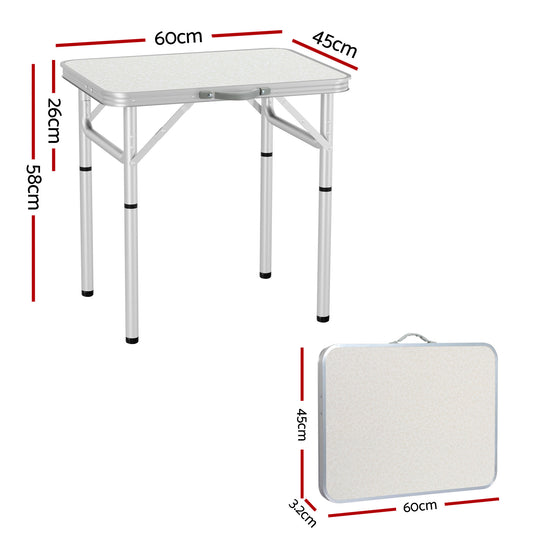
Keep ingredients cold with a 12V camp fridge or picnic basket and cooler bag, add practical storage and washing gear from Camping Accessories, and plan powered appliances around the 12V Camping Power range. You can also browse all Camping Gear for tents, furniture, lighting and other campsite essentials.

Safety note: Gas, fire, electricity, boiling liquids and food handling can cause serious injury or illness. Always follow the appliance, fuel, cookware and campsite instructions; maintain ventilation and clearances; check current fire restrictions; and stop using equipment that is damaged, leaking or unsuitable for the intended setting.

Guide reviewed: August 2026.

Frequently Asked Questions

What camping kitchen gear do I need?

Start with a cooking appliance suited to your fuel and campsite rules, compatible cookware, a kettle, utensils, plates or bowls, food storage, a water container, handwashing supplies and a wash basin. Add a fridge or cooler, camp kitchen, BBQ, coffee gear or portable oven to match your trip length, group size and cooking style.

Which is better for camping: a stove, BBQ or portable oven?

A stove is usually the most compact choice for boiling and frying, a BBQ provides a larger grilling surface, and a portable oven adds baking and roasting. Choose according to your fuel supply, group size, packed space, campsite rules and the meals you actually plan to cook.

Can I use a camping stove inside a tent, caravan or annex?

No. Outdoor gas appliances must not be used inside tents, caravans, campervans or canvas annexes because fire and carbon monoxide can be fatal. Use the appliance outdoors, well clear of shelters and exactly as its manufacturer instructs.

Can I use a gas stove or fire pit during a fire ban?

Rules vary by state, park and the type of fire declaration. Open fires and solid-fuel appliances may be prohibited, and gas or electric cooking may be allowed only under specific conditions. Check the current park alerts and fire-authority restrictions for your campsite on the day you cook.

What cookware is best for camping?

Cast iron suits campfire and hotplate cooking but is heavy and needs drying and seasoning. Stainless steel is durable, while aluminium is lighter for hiking and compact kits. Check that the cookware material, base size and handles are compatible with your stove, BBQ, oven or fire setup.

How do I care for cast iron camping cookware?

Follow the cookware maker’s instructions. Remove food residue, wash with warm water and mild detergent where permitted, dry the cookware immediately and apply a very light coat of cooking oil before storage. Treat any rust promptly and never store cast iron while damp.

Can I use a stove windshield with any camping stove?

No. A windshield can trap heat around a fuel canister, hose or appliance and create a serious hazard. Use one only when the stove manufacturer allows it, keep ventilation and required clearances open, and never enclose the fuel source.

How do I keep food safe while camping?

Keep potentially hazardous food at 5°C or colder in a working fridge or well-managed cooler, separate raw food from ready-to-eat food, use safe water and wash hands before preparation. Cook poultry, mince and rolled meats thoroughly, ideally checking the centre with a food thermometer.

How should I wash dishes and dispose of wastewater at camp?

Scrape food scraps into rubbish first, wash in a portable basin and use campsite facilities or the disposal method required by the land manager. Do not tip detergent, grease or food-contaminated water into lakes, creeks or other waterways.

Can I cook on a portable fire pit?

Yes, when the fire pit is designed for cooking and fires are permitted at the location. Use a compatible grate, hotplate or cookware, maintain the required ground and overhead clearances, supervise it continuously and fully extinguish the fire before leaving.

Popular at Just Camp

1 of 6