★★★★★

"Arrived earlier than quoted, Thank you Just Camp for the great service"

Ross

★★★★★

"Website was easy to navigate and I received my purchase promptly"

Brenda

★★★★★

"Purchased for a great price, service was excellent, postage very quick"

Lindy

★★★★★

"Great product and service A++"

Anthony

★★★★★

"My order arrived faster than expected and the quality was just as good as the big name brands"

Aaron

How to Choose a Camping Generator, Power Station or Inverter

Understand the Three Main Power Options

Generators, portable power stations and standalone inverters can all provide useful power away from mains electricity, but they do different jobs. A petrol generator produces electricity while its engine is running. A portable power station stores energy in an internal battery. A standalone inverter converts compatible battery DC power into AC output; it does not create or store energy by itself.

Petrol Inverter Generators

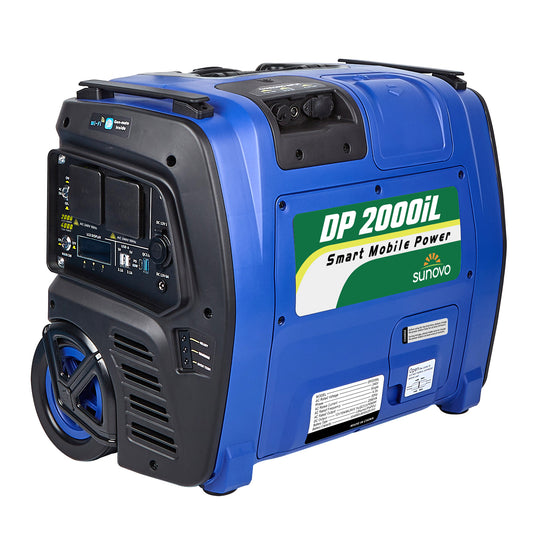
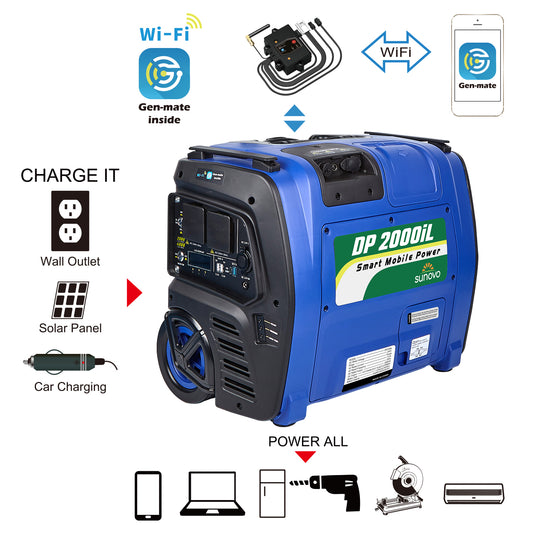
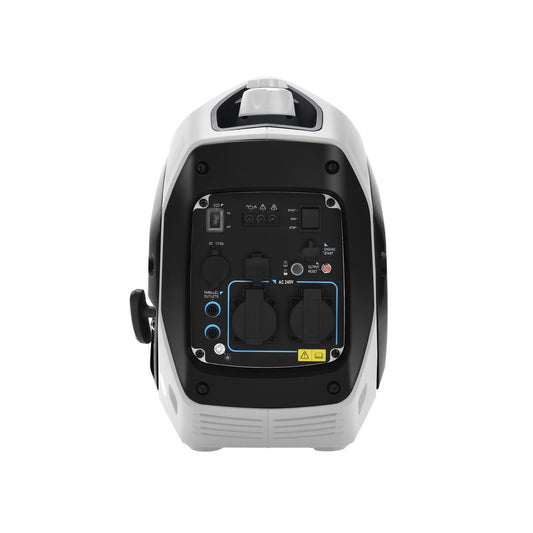
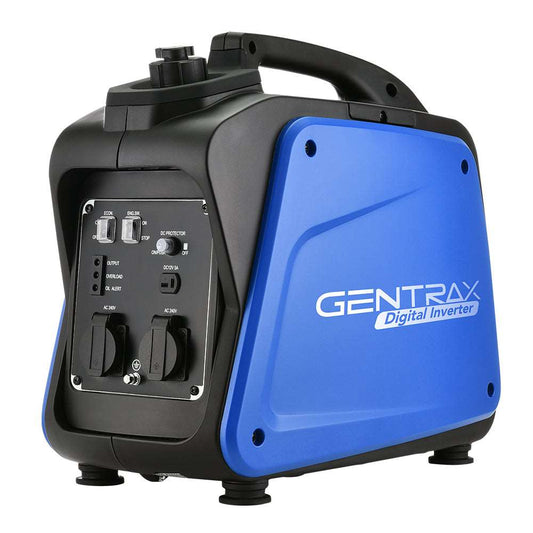
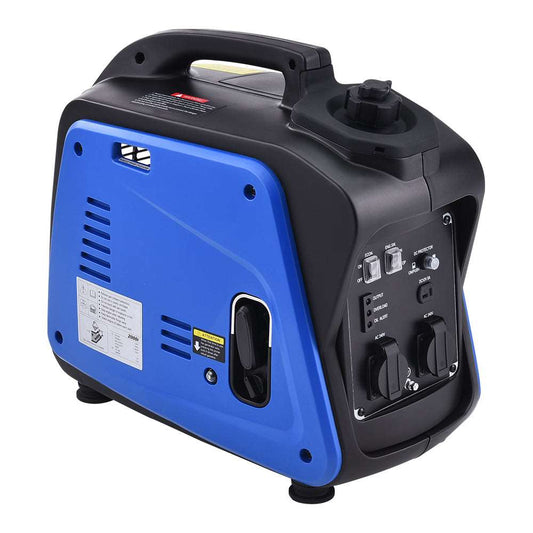
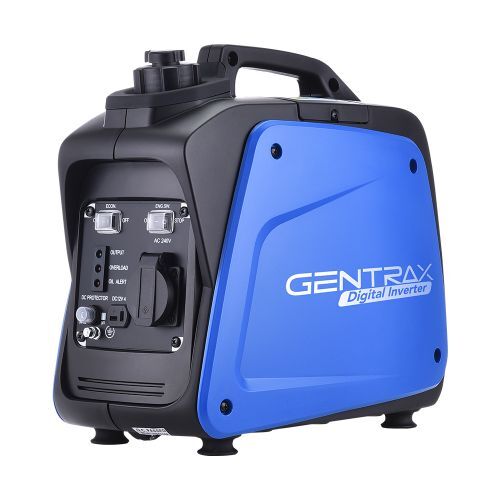
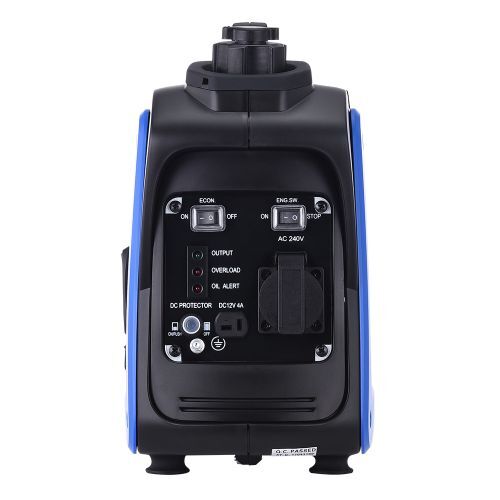
A petrol inverter generator can suit trips where you want an independent source of AC power and carrying fuel is practical. Compare rated or continuous output, maximum output, fuel capacity, runtime, product weight, starting method, sockets and published noise information rather than choosing from maximum wattage alone.

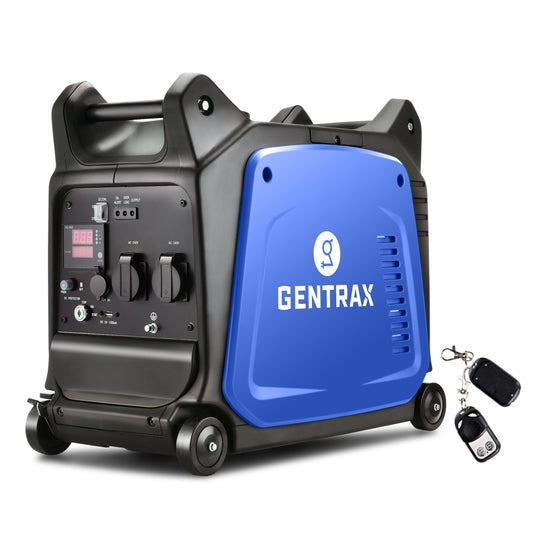
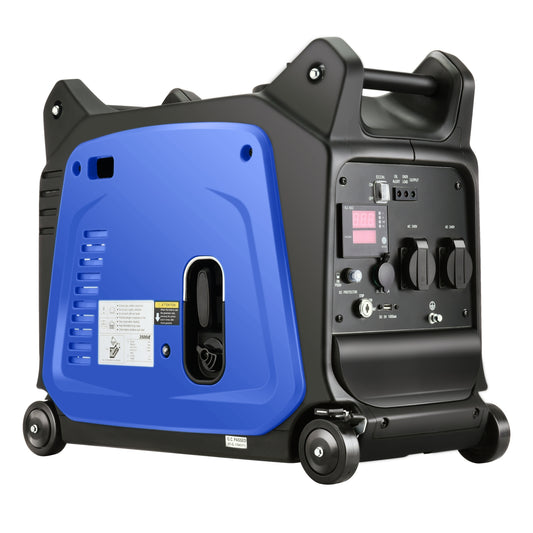
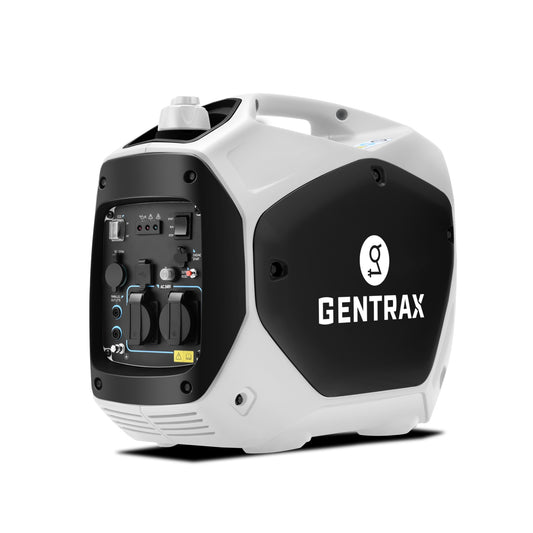
The current Gentrax range includes compact through higher-output inverter generators. Output, runtime, fuel capacity, weight, remote-start features and noise figures vary by model, so check the individual product specifications.

Portable Power Stations and Solar Generators

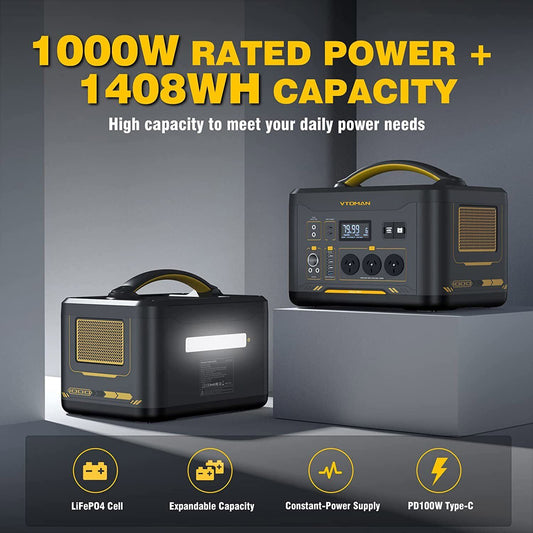
Portable power stations store energy in a rechargeable battery and can combine AC, DC and USB outputs in one unit. Products sometimes described as solar generators are battery-based power stations that can be recharged from compatible solar panels; the power station stores and manages the energy rather than generating it from fuel.

Compare battery capacity in watt-hours (Wh), continuous AC output in watts (W), surge capability, available ports, charging methods, solar-input limits, battery chemistry, weight and recharge time. Capacity and output are different specifications, so a larger battery does not automatically mean a higher AC output.

12V to 240V Pure Sine Wave Inverters

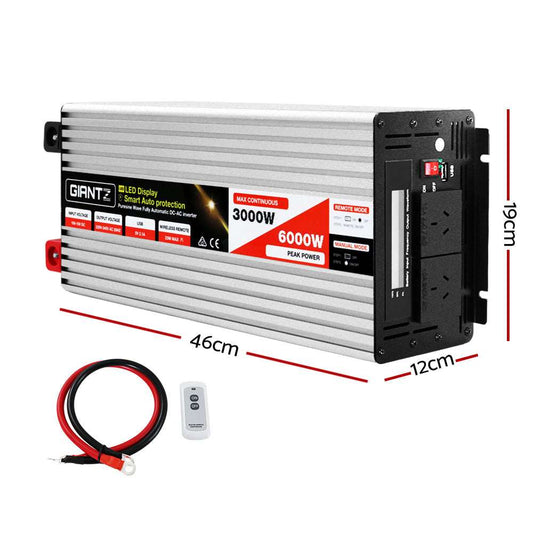
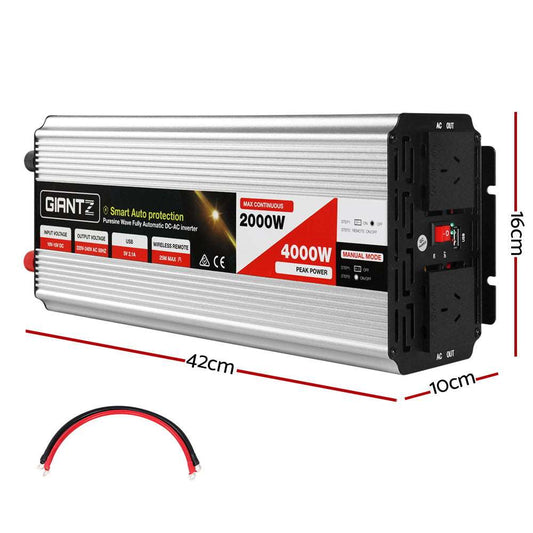
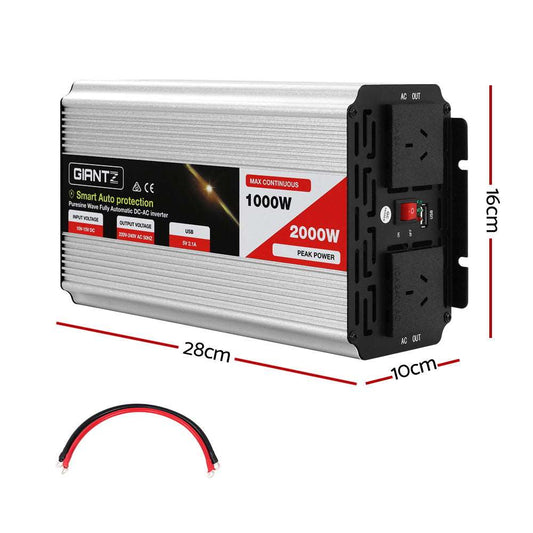
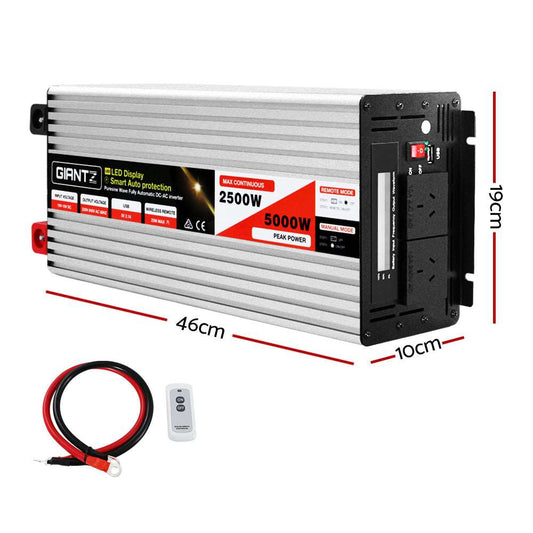
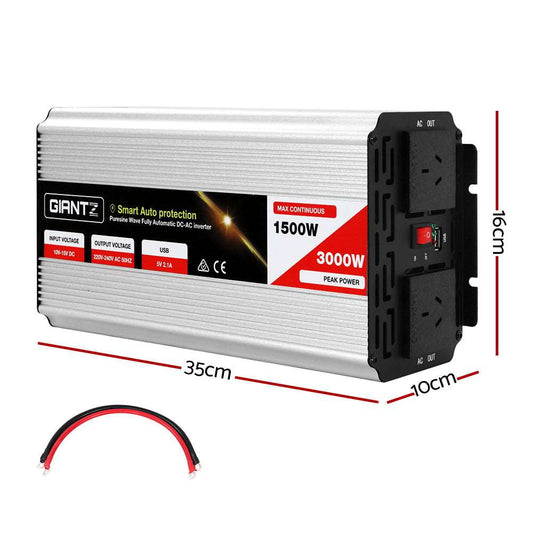
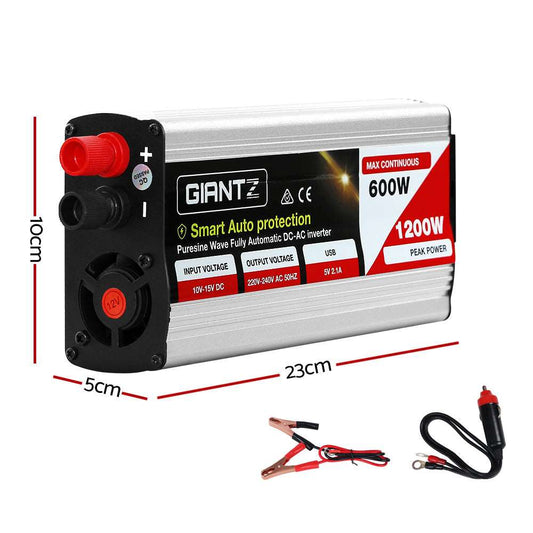
A standalone inverter can be useful when you already have a suitable 12V battery system and need AC power for compatible equipment. The current Giantz range includes pure sine wave models from 600W through to 3000W continuous output, with higher short-duration peak ratings. Socket layouts, USB outputs, protections and appliance restrictions vary by model.

Pure sine wave is only one part of compatibility. The appliance voltage, running load, starting demand, load type and the inverter manufacturer's restrictions still need to match.

Start With What You Need to Power

List the equipment you expect to use, its input voltage, normal running wattage and any starting or surge requirement, then consider which items need to operate at the same time. This gives you a more useful target than simply buying the highest-output generator or inverter available.

Where equipment can run directly from a suitable 12V DC or USB supply, converting battery power to 240V AC may be unnecessary. Always follow the requirements of the exact appliance and power source.

Continuous Output vs Peak or Surge Output

Continuous or rated output is the power level intended for ongoing operation. Peak, surge or maximum output is a higher short-duration figure and should not be treated as the normal operating rating. Compare the combined running load with the continuous rating, then check whether any starting demand remains within the relevant short-duration limit.

Manufacturers may use slightly different terminology, so use the exact model specifications rather than assuming every maximum or peak figure is intended in the same way.

Appliance Starting Loads and Compatibility

Equipment with motors, compressors, pumps or transformers can have a higher demand when starting than during normal operation. Some inverters in the current range also carry specific restrictions for certain inductive loads. A large wattage number or pure sine wave label is not a guarantee that every appliance will be compatible.

For camping fridges, first check whether the fridge can operate directly from your available 12V supply. If using 240V output instead, confirm the fridge's running and starting requirements against the exact inverter, generator or power station.

Size the Inverter and Battery Together

High-output 12V inverters can draw substantial current from the battery. Check whether the battery type, usable capacity, discharge capability and battery-management system are suitable for the expected DC load. The battery bank, cable size, terminals, connection method and circuit protection also need to suit the inverter.

Use the cable size, cable length, fuse or other overcurrent protection and installation sequence specified for the exact equipment. Maintain correct polarity, keep connections secure and protect cable routes from abrasion, sharp edges, moving parts and unnecessary heat.

Battery Capacity and Runtime for Power Stations

Battery capacity is commonly shown in watt-hours. It helps compare stored energy, while the AC watt rating describes how much output the power station can supply. Actual runtime depends on the connected load, conversion losses, battery-management limits, temperature and the unit's operating behaviour.

A simple Wh divided by W calculation can be useful as a rough comparison, but it should not be treated as a guaranteed runtime. Check the manufacturer's guidance for the exact power station and connected device where available.

Solar Charging for Portable Power Stations

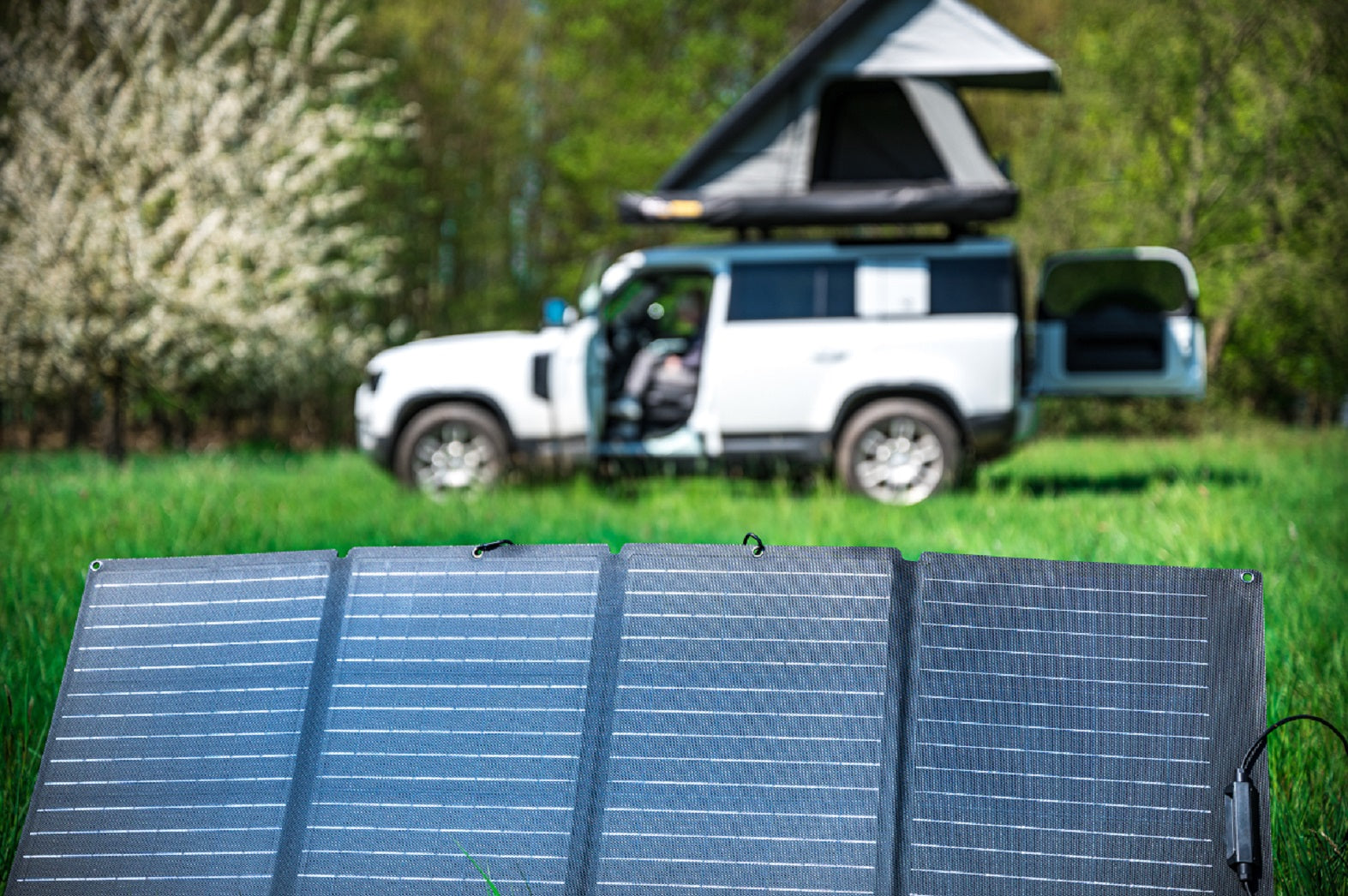
Selected portable power stations can accept compatible solar input, but allowable panel voltage, power, connectors and charging configuration vary. Do not connect a solar array simply because the connector fits; keep the completed array within the power station's published solar-input limits.

For separate panels and battery-charging equipment, browse 12V Solar and 12V Solar Regulators.

Generator Size, Weight, Noise and Runtime

Touring practicality matters alongside output. Compare dimensions, weight, fuel capacity, runtime at the stated load, starting method and the conditions attached to any published noise measurement. A compact unit may be easier to transport, while a larger generator can provide more output but needs more storage space and handling.

Runtime and noise figures are model-specific and depend on the manufacturer's stated test conditions. Use them to compare exact products rather than treating one figure as a promise for every campsite or load.

Generator Ventilation and Refuelling Safety

Operate petrol generators outdoors in a well-ventilated location and never inside a tent, caravan, vehicle, garage or other enclosed area where exhaust gases can accumulate. Follow the manufacturer's placement, clearance and weather-protection instructions and direct exhaust away from occupied areas.

Follow the manufacturer's shutdown and refuelling procedure and allow the generator to cool before adding fuel. Keep fuel in suitable containers away from ignition sources, and do not restart until any spill has been dealt with safely.

Campground Generator Rules Vary

Generator rules are location-specific. Some campgrounds and parks prohibit generators, while others permit them only during defined operating periods or under noise and site conditions. Check the current rules for the exact campground before travelling rather than assuming a generator can be used everywhere.

Protect Leads, Connections and Building Wiring

Inspect extension leads, plugs and power boards before use, keep electrical connections protected from water and damage, and route leads to reduce avoidable trip hazards. Do not use damaged electrical equipment.

Do not connect a portable generator to building wiring through an improvised lead or outlet. If a generator is intended to supply a building electrical installation, the appropriate connection and changeover equipment should be installed by an appropriately licensed electrician in accordance with local requirements.

Common Generator & Inverter Mistakes to Avoid

  • Choosing from maximum or peak watts without checking the continuous rating.
  • Ignoring the starting demand of compressors, motors or other appliances.
  • Assuming pure sine wave automatically means every appliance is compatible.
  • Treating a standalone inverter as though it creates or stores energy.
  • Choosing a large 12V inverter without checking the battery's discharge capability.
  • Using undersized battery cables, loose terminals or unsuitable circuit protection.
  • Running a petrol generator in an enclosed or poorly ventilated space.
  • Refuelling a hot generator contrary to the manufacturer's instructions.
  • Assuming generators are permitted at every campground.
  • Connecting solar panels without checking the power station's solar-input limits.
  • Using damaged leads or leaving electrical connections exposed to water.
  • Trying to feed building wiring through an improvised generator connection.

Complete Your Camp Power Setup

For the rest of the system, compare 12V Batteries & Chargers for storage and charging equipment, 12V Solar for solar charging options, or return to 12V Camping Power for the wider off-grid power range.

Product note: Output ratings, peak or surge capability, battery capacity, runtime, noise, fuel capacity, sockets, charging methods, solar-input limits, appliance compatibility, included accessories, protections, dimensions and weight vary by model. Check the individual product specifications before ordering or connecting equipment.

Safety note: Follow the generator, inverter, power-station, battery and appliance manufacturers' instructions. Operate petrol generators outdoors in a well-ventilated location, keep electrical equipment appropriately protected from water and damage, use suitably rated wiring and protection, and use an appropriately licensed electrician where fixed 240V wiring or a building connection is involved.

Guide reviewed: August 2026.

Frequently Asked Questions

Do I need a generator or inverter for camping?

It depends on what you need to power. If your setup only uses compatible 12V DC or USB equipment, you may not need either. A 12V to 240V inverter can supply compatible AC appliances from a suitably sized battery system, while a petrol generator provides an independent fuel-powered source. A portable power station is another option because it stores energy and may include AC, DC and USB outputs. Compare the appliance load, trip length, battery capacity, portability and campsite rules before choosing.

Do I need an inverter for a solar camping setup?

Only if you need compatible 240V AC output and your existing equipment does not already provide it. Equipment that runs directly from a suitable 12V DC or USB supply does not need a separate inverter, and some portable power stations already include an AC inverter. Check the solar, battery, inverter and appliance specifications together so the complete system is appropriately sized.

Can I use a generator at a campground?

Generator rules vary by campground and park. Some locations prohibit generators, while others allow them only under specified conditions such as certain operating times or noise requirements. Check the current rules for the exact campsite before travelling, and always follow the generator manufacturer's operating and safety instructions.

What is the difference between a generator, power station and inverter?

A petrol generator produces electricity while its engine is running. A portable power station stores energy in an internal battery and can be recharged from compatible sources such as mains, solar or vehicle charging depending on the model. A standalone inverter does not generate or store energy; it converts compatible battery DC power into AC output. Choose according to how you will recharge, the output you need, runtime or battery capacity, weight and where the equipment will be used.

How many watts should my camping generator be?

Start with the running wattage of the appliances you expect to use at the same time, then allow for any higher starting or surge demand stated by the appliance manufacturer. Compare that requirement with the generator's rated or continuous output as well as its maximum output. Do not choose from the maximum wattage figure alone, and check the exact appliance and generator specifications before use.

What size 12V inverter do I need?

Choose an inverter whose continuous output suits the combined running load and whose peak or surge capability suits any short starting demand, while also checking the appliance compatibility stated for that inverter. The 12V battery system, cable size, connections and circuit protection must also be able to supply the required DC current. Check the exact inverter, battery and appliance specifications rather than sizing from wattage alone.

What is the difference between continuous and peak inverter power?

Continuous power is the level the inverter is rated to provide during normal ongoing operation. Peak or surge power is a higher short-duration capability intended for brief demand increases, subject to the model's specifications. Size an inverter around the appliance's normal running load and any applicable starting demand, rather than treating the peak figure as a continuous rating.

Can I run a camping fridge from an inverter or generator?

Only when the fridge's input requirements and any starting demand are compatible with the chosen power source. If a camping fridge supports direct 12V DC operation, a separate inverter may not be necessary when using a suitable 12V system. Some inverters also have specific restrictions on motor or compressor loads, so check the exact fridge and inverter or generator specifications before connecting them.

Where should I run a petrol generator at camp?

Run a petrol generator outdoors in a well-ventilated location and follow the manufacturer's placement, clearance and weather-protection instructions. Never run it inside a tent, caravan, vehicle or other enclosed space where exhaust gases can accumulate. Position leads and the generator so they are protected from water, damage and avoidable trip hazards.

Can I connect a portable generator directly to home wiring?

Do not connect or backfeed a portable generator directly into building wiring through an improvised connection. If a generator is to supply a building installation, the required connection and changeover equipment should be installed by an appropriately licensed electrician in accordance with local requirements. Follow the generator manufacturer's instructions as well.

Popular at Just Camp

1 of 6