Portable Camping Stove Guide for Australian Trips
A hot feed at camp can turn a long drive, wet afternoon or early fishing start into a good part of the trip. This portable camping stove guide cuts through the flashy extras and focuses on what matters for Australian campers: dependable heat, sensible fuel use, easy packing and a stove that suits the way you actually travel.
The right choice is not always the biggest burner or the cheapest option. A compact stove that boils water quickly may be perfect for a weekend hike, while a family in a caravan will get far more value from a stable two-burner unit with room for proper pans. Start with your trip, your crew and your cooking plans, then work back to the stove.
Portable Camping Stove Review: What Matters Most
A camping stove has one job: help you cook safely and reliably away from home. But the details decide whether it is a useful bit of kit or something that stays in the shed. Fuel availability, burner layout, wind resistance and pot support all make a difference once you are parked up at a breezy beach campsite or cooking dinner after a dusty day on the tracks.
For most Aussie campers, portability means more than low weight. It also means a stove that fits neatly in the ute, caravan locker or camping tub, sets up without fuss and does not need a complicated routine before breakfast. A stove can be compact but still awkward if its legs wobble, the controls are hard to reach or it needs a perfectly flat surface to work well.
Match the stove to your style of camping
Solo campers, hikers and fishers doing quick overnighters often need a small single-burner stove. These are light, quick to deploy and ideal for boiling a billy, heating soup or making a simple one-pan meal. They save space, but their smaller pot supports can be limiting with a large frying pan or a heavy cast-iron camp oven.
Weekend campers and couples usually get the best balance from a portable single burner with a broad cooking surface, or a compact two-burner stove. The extra burner lets you boil pasta while cooking a sauce, or keep the kettle going while breakfast is on. That convenience is worth considering if camp meals are part of the fun rather than a quick refuel between activities.
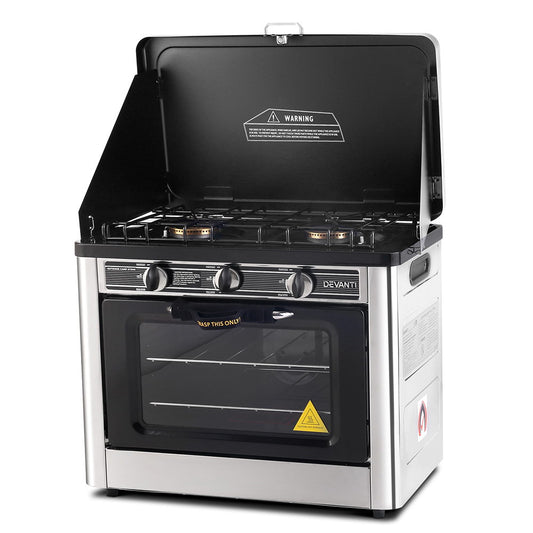
For families, groups, caravan travellers and longer 4WD trips, a two or three-burner stove is usually the practical pick. It takes up more room, but it gives you enough workspace to cook proper meals without lining up pots and waiting your turn. Look for a stable base, a wide wind guard and enough space between burners for two decent-sized pans.
Choose the Right Fuel Setup
Fuel is often the deciding factor in a portable camping stove review because it affects running cost, heat output, storage and how easy it is to find supplies on the road.
Butane canister stoves are a popular choice for casual camping. They are straightforward to use, the canisters are widely available and the stove itself is often compact and affordable. They suit short trips and easy camp cooking well. The trade-off is that butane can be less effective in cold conditions, and a single-burner design may not suit a bigger group.
LPG stoves that connect to a gas bottle are a strong all-round option for car camping, caravanning and family getaways. A larger bottle can last through plenty of meals, and LPG is readily available across Australia. The bottle, hose and regulator add bulk, so this setup makes more sense when you are driving rather than carrying everything on your back.
Threaded gas canisters suit lightweight and compact stoves. They are handy for hikers and minimal packers because the stove and fuel pack down small. Check availability before heading well off the beaten track, especially if you are planning a longer trip through regional areas.
Multi-fuel and liquid-fuel stoves have their place for remote travel and specialised use, but they ask more of the user. They can be a smart option where fuel flexibility matters, yet they involve more maintenance and setup than most weekend campers need. For straightforward family camping, a simple gas stove is generally easier to live with.
Whatever fuel you choose, check the connection type and carry fuel safely. Keep cylinders upright and secured during travel, inspect hoses and fittings before each trip, and never use a stove inside a tent, enclosed annex or poorly ventilated vehicle. Good camp cooking starts with safe habits.
Burner Power Is Only Half the Story
High heat output is useful when you want a fast boil, especially when everyone is waiting for coffee or dinner. But a powerful burner is not automatically better. Fine flame control matters just as much if you want to simmer eggs, cook rice or keep a sauce from catching.
Look at the control knobs before buying. Large, clearly marked controls are easier to use with cold hands and are less fiddly after dark. Piezo ignition is also handy, as it can save you searching for matches in the camp kitchen box. Still, carry a lighter as backup. Igniters can fail, and a lighter takes almost no room.
Pot supports deserve close attention. A stove may look impressive on the shelf, but narrow or slippery supports make cooking frustrating. Wide, solid supports give a frypan or saucepan a better footing and reduce the chance of a spill. If you regularly cook for the family, test the stove dimensions against the pans you already own.
Wind Protection Makes a Real Difference
A light coastal breeze can make a stove burn through fuel faster and turn a simple meal into a patience test. Built-in wind guards are particularly useful on two-burner stoves, helping direct heat towards the pan rather than letting it blow sideways.
A separate windbreak can help with smaller stoves, but it needs to be used carefully. Never position any windbreak so close that it traps heat around the fuel canister or gas bottle. Follow the stove manufacturer's clearances and use a sheltered, level spot where possible.
The cooking surface matters too. Set up on firm ground, away from long grass, dry leaves and busy foot traffic. A folding camp table makes cooking more comfortable and keeps the stove at a sensible height, but make sure it is rated for the load and standing level.
Pack Size, Cleaning and Camp-Life Convenience
Think about where the stove will ride between campsites. A slim suitcase-style stove is easy to slide into a caravan compartment or the back of a wagon. A compact single burner suits a small storage crate. If you are tight on room, choose gear that earns its place by doing more than one job.
Easy cleaning is another feature that becomes valuable after a few trips. A removable drip tray, simple grate and smooth surfaces make a quick wipe-down far easier than a stove with lots of awkward corners. Let the unit cool fully before cleaning, and avoid packing it away with grease or food scraps on it. Besides smelling ordinary, leftover mess can attract ants and other unwanted visitors.
Weight matters differently depending on how you travel. For a hike, every gram counts. For a 4WD or caravan trip, stability, capacity and durability are usually better priorities than shaving off a kilo. Be honest about your setup rather than buying for a trip you might take once every few years.
A Quick Buying Check Before You Head Away
Before adding a stove to your camp kit, picture one normal meal. How many people are you feeding? Will you use a frying pan, a saucepan and a kettle at the same time? Are you walking to camp, travelling in a 4WD or setting up beside the caravan for a week? Those answers will point you towards the right burner count and fuel system faster than a long feature list.
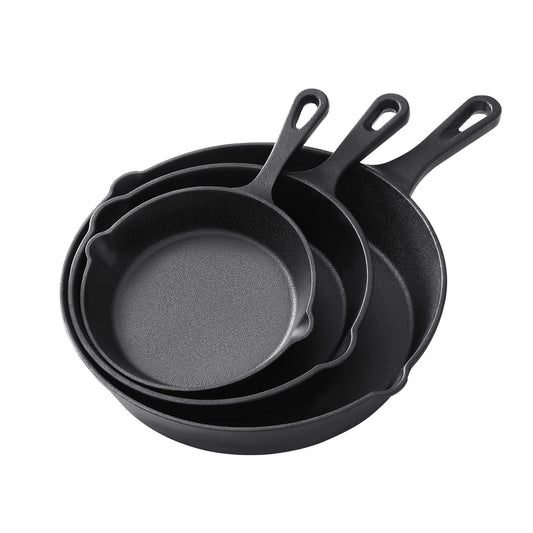
Also consider the rest of the kitchen. A quality stove works best with cookware that fits it, enough gas for the trip, a stable table or ground mat, and a decent esky or fridge plan for ingredients. It is the full setup that makes camp meals easy.
Use fuel-burning stoves in the right place
Operate camping stoves only in a suitable open, ventilated outdoor area and in accordance with the manufacturer’s instructions. Never use a gas or other fuel-burning stove inside a tent, swag, enclosed annex or vehicle. Keep the stove stable and clear of combustible materials, check hoses and connections before use, and follow local fire restrictions or total fire ban rules.
Browse camp cooking gear once you know the fuel type, burner count and cookware size that suit your trips.