Start with the Way You Camp
The right shelter depends on how you travel, how many people sleep inside, how much room you have to carry it and how quickly you want to set up. A compact swag can suit solo 4WD touring, an instant tent can simplify short family trips, and a lightweight hiking tent can reduce pack weight when every kilogram matters. Larger cabin, multi-room and inflatable tents provide more liveable space but require a bigger campsite and more storage at home.
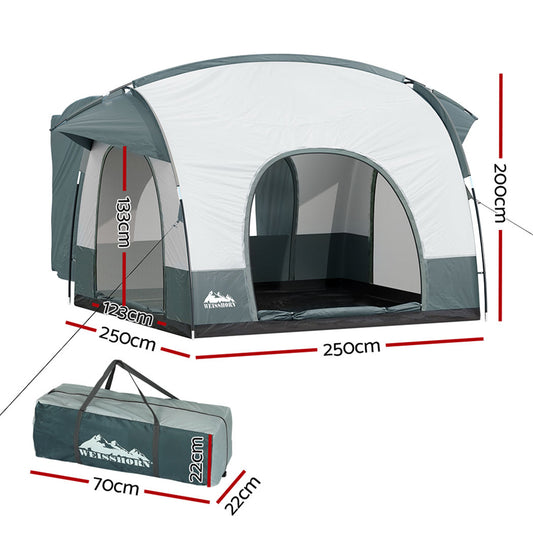
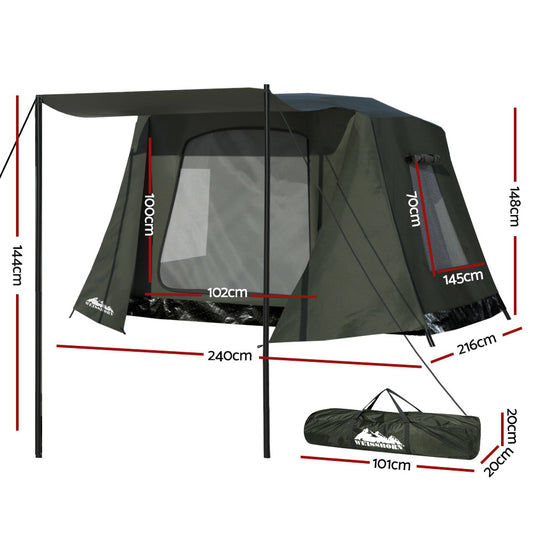
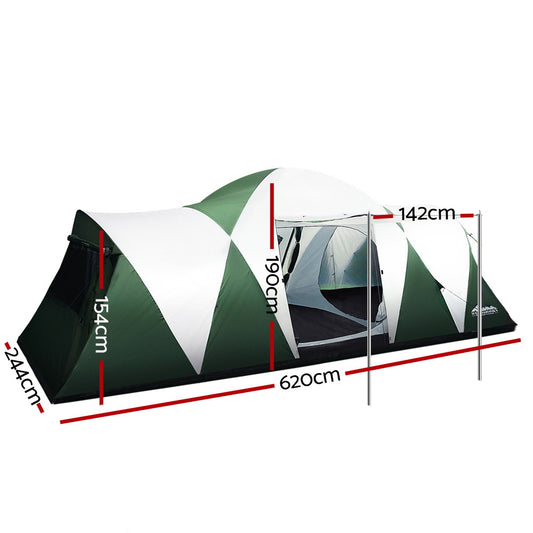
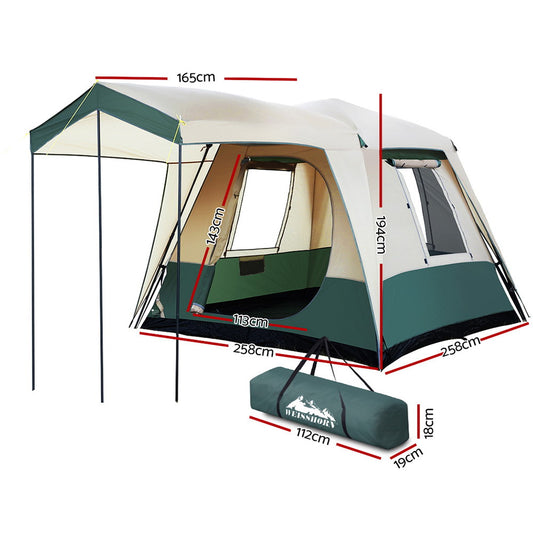
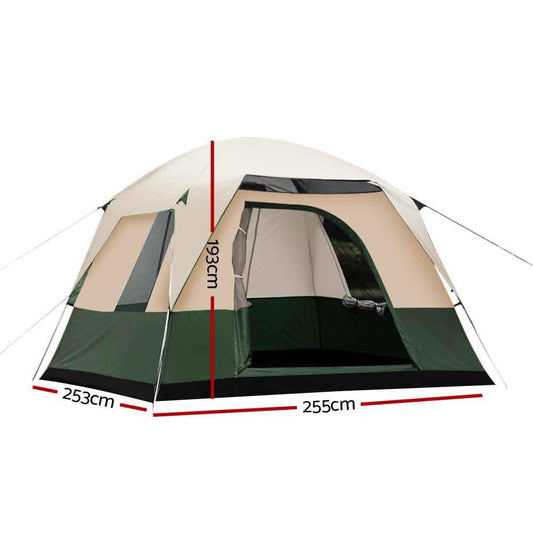
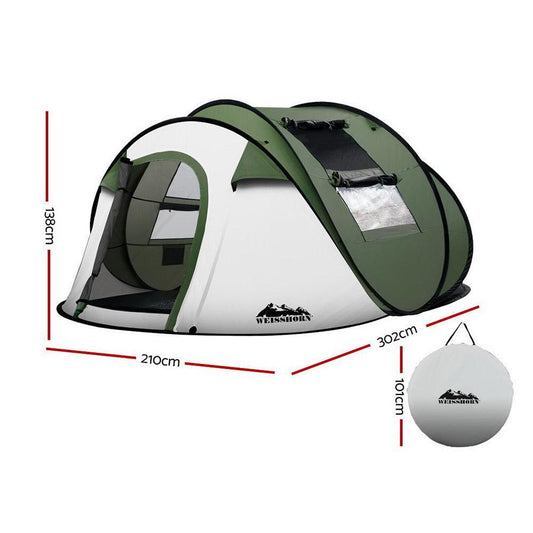
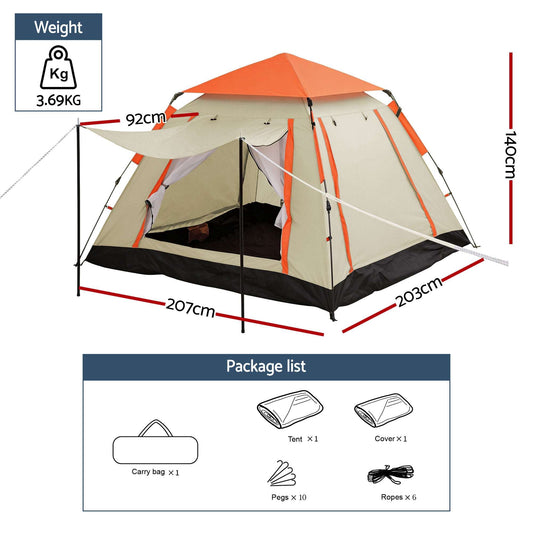
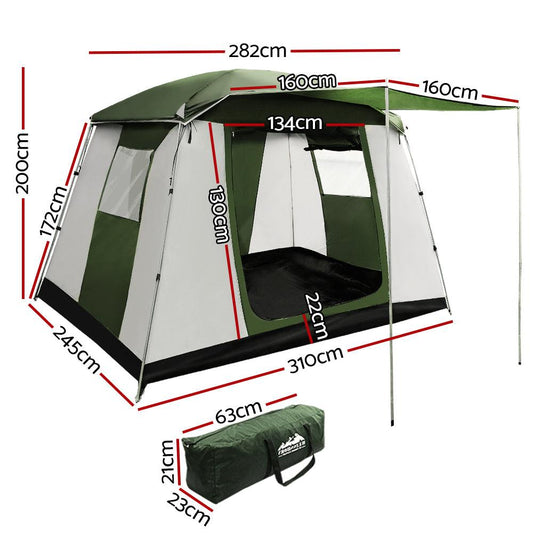
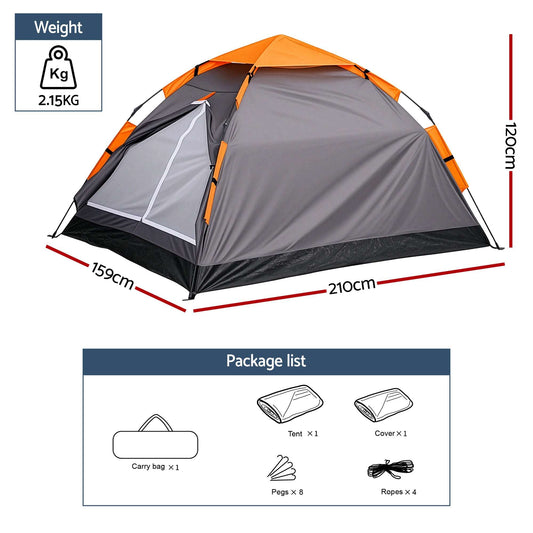
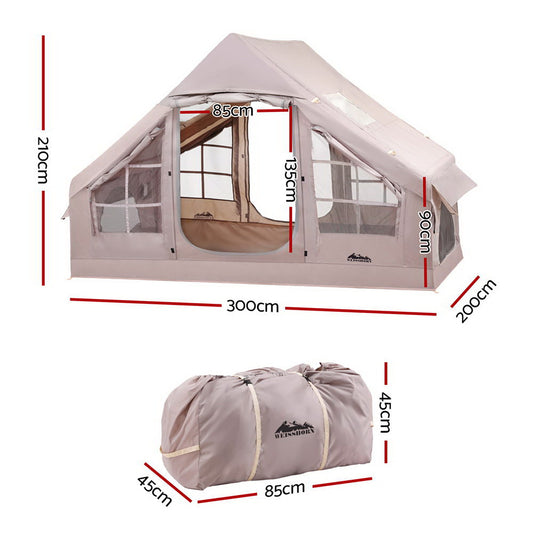
Before buying, compare the usable floor plan, internal height, door and window positions, packed dimensions, total weight, setup method, ventilation and the conditions stated by the manufacturer. Check that the shelter will fit your vehicle, campsite and sleeping equipment rather than relying on the person-capacity label alone.
Tent or Swag?
A swag combines a low-profile canvas shelter with a compact sleep system and is commonly chosen for solo or two-person vehicle-based camping. It can be fast to roll out, durable and simple to organise, but the canvas, PVC floor and mattress can make the packed roll heavier and bulkier than it first appears. Measure the rolled size and confirm where it will travel before choosing a wider model.
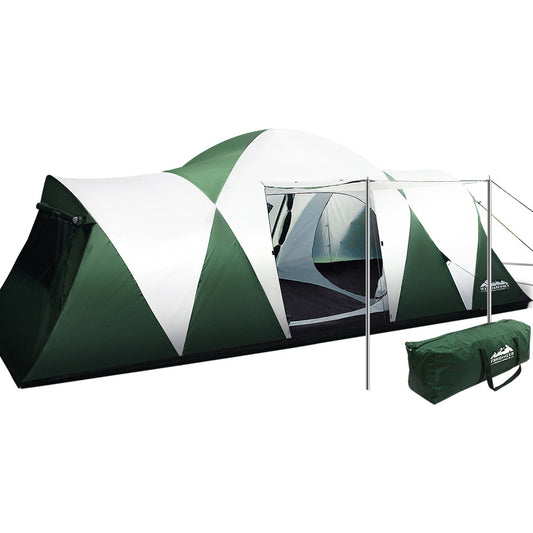
A tent gives you more choice in capacity, standing room and internal living space. Small dome and hiking tents suit compact trips, while family and multi-room tents create space for bedding, bags and changing clothes. Tents generally require a separate mattress or camp bed, so compare the complete shelter-and-sleeping setup rather than the tent weight by itself.
Choose the Right Tent Style
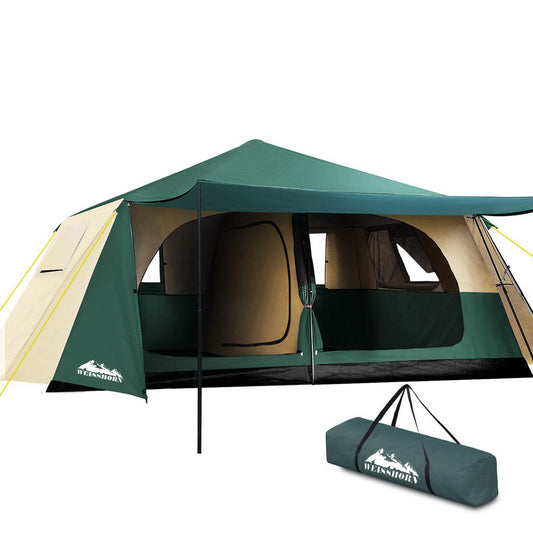
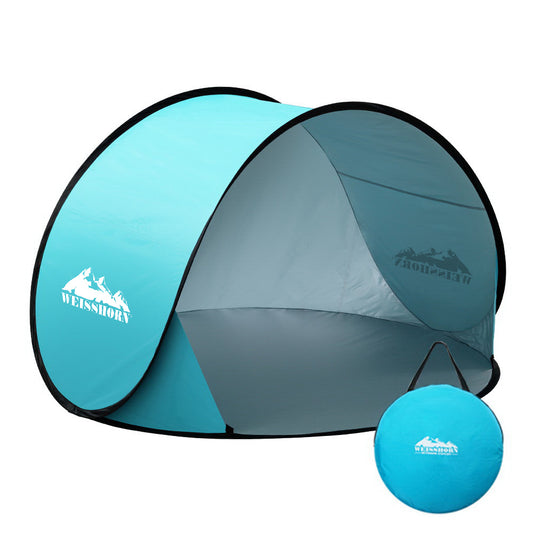
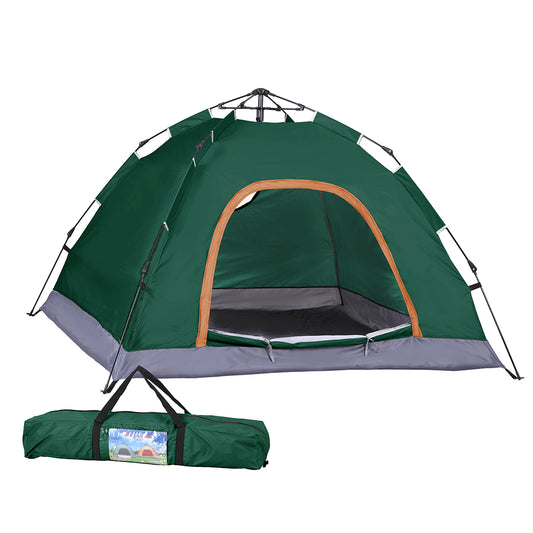
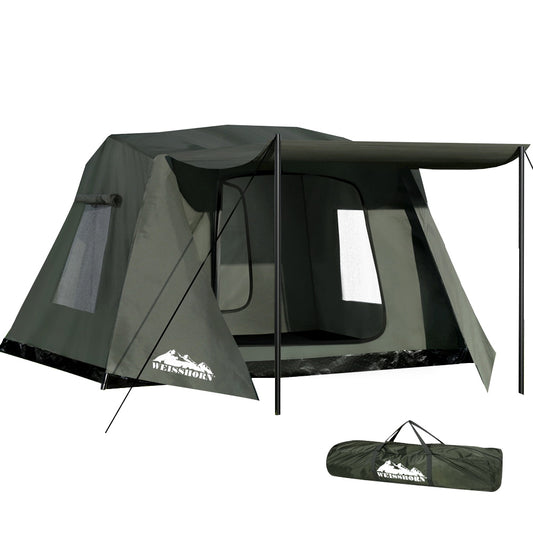
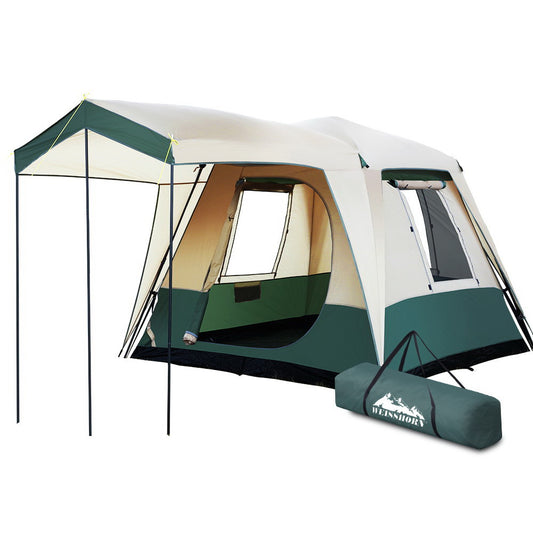
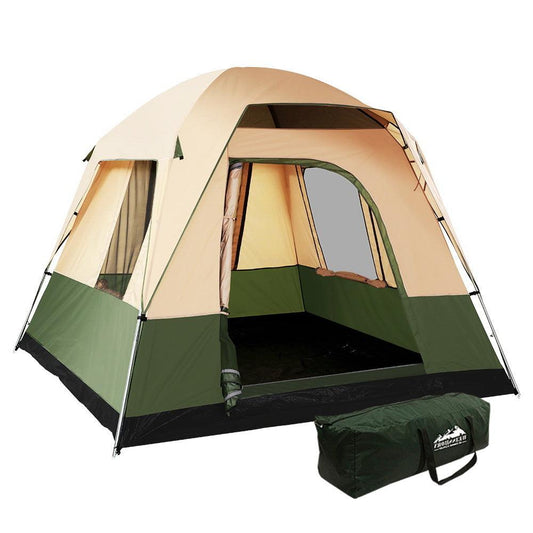
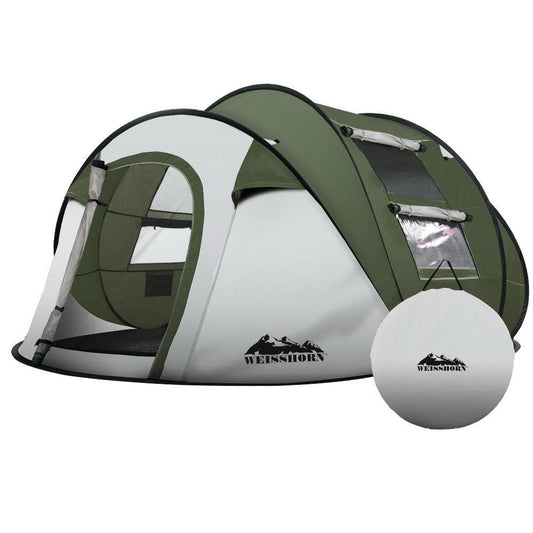
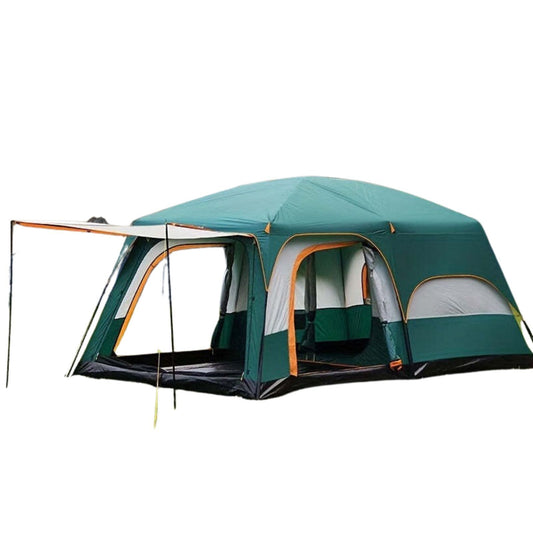
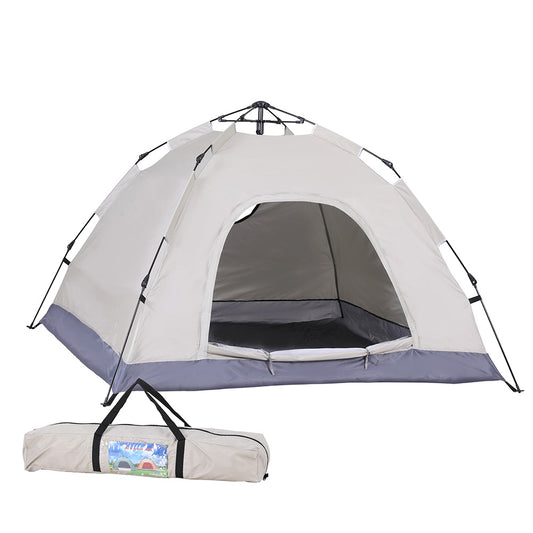
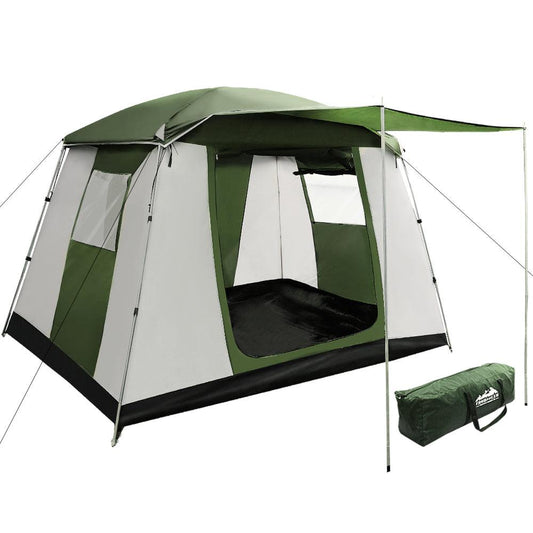
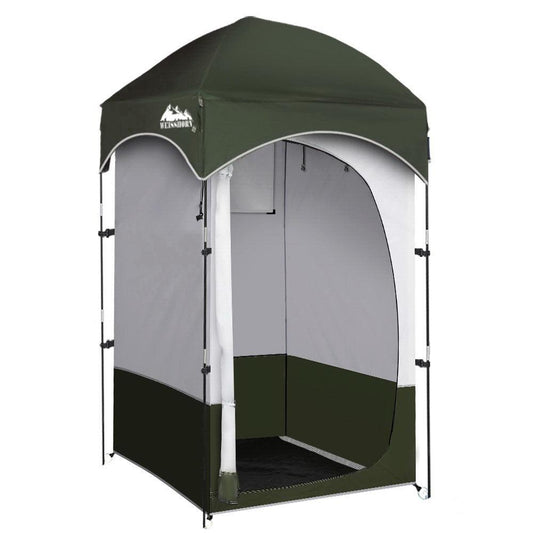
Instant and pop-up tents prioritise speed. Instant-frame models unfold around a pre-attached structure, while spring-style pop-up shelters deploy quickly but may require practice to fold correctly. Dome tents use flexible crossing poles and offer a familiar balance of space and stability. Cabin and multi-room tents add straighter walls, privacy and family living areas but usually have a larger footprint and more components.
Hiking and backpacking tents focus on lower packed weight and smaller volume, often with less standing room. Inflatable tents replace many rigid poles with air beams and need a compatible pump and careful pressure control. Rooftop tents, truck-bed tents, SUV extension tents and tent cots must also match the vehicle, mounting system, load limits and dimensions stated by their manufacturers. Never assume a vehicle shelter fits every model.
Capacity, Floor Space and Headroom
A tent’s stated capacity is primarily a sleeping-capacity guide. It may not leave comfortable space for bags, furniture, a fridge or wet-weather living. Couples often prefer more than a two-person footprint, and families may choose a tent rated above the number of sleepers. Review the actual floor dimensions and room layout, then map out the size of every mattress, camp bed and piece of essential gear.
Peak height matters if you want to stand while dressing, but wall shape determines how much of that height is genuinely usable. Sloping dome walls can reduce shoulder room near the edges, while cabin-style walls provide more upright space. Also check door height, vestibule size, internal dividers and whether people can enter without stepping across another sleeper.
Packed Size, Weight and Transport
Packed dimensions can be as important as setup dimensions. Long instant-frame bags may not fit across a small vehicle, while a rolled double swag can occupy substantial roof-rack or tray space. Check the packed length, width, diameter and weight against your boot, trailer, roof system or storage area. Include poles, pegs, mattresses, pumps, groundsheets and repair equipment in the total load.
For hiking, compare the full packed weight and divide shared components between walkers where suitable. For roof transport, follow the vehicle and rack manufacturer’s dynamic load limits and secure the shelter with approved restraints. Canvas swags and fabric tents should be protected from road grime, exhaust heat, sharp edges and abrasion during transport.
Weather Protection and Water Resistance
Weather protection depends on the fabric, coating, seam construction, floor, fly coverage, condition and correct pitching. A higher water-resistance figure can be useful when comparing similar products, but it does not guarantee performance if the fly is loose, seams are damaged, water pools against the floor or the shelter is used beyond its stated conditions. Follow the product instructions and test the complete setup before a major trip.
Fit the rainfly in the correct orientation, tension it so it does not rest against the inner tent and keep bedding away from damp outer walls. Use a footprint or groundsheet only when suitable for the shelter, and tuck it completely beneath the floor so it cannot collect rain and funnel water underneath. Avoid pitching in depressions, dry creek beds or obvious runoff channels.
Canvas Swag Seasoning and Care
Many new canvas swags benefit from seasoning before first use, but the exact process must come from the manufacturer. A common method is to pitch the swag, wet the canvas and stitched areas evenly, allow it to dry fully and repeat as directed. Wetting allows canvas fibres around needle holes to expand and can improve seam performance.
Seasoning is not a substitute for correct pitching, maintenance or suitable weather conditions. Inspect the canvas, floor, zips and seams before travel, and test the swag with a controlled hose spray rather than discovering a problem at camp. Do not apply aftermarket waterproofing or cleaners unless they are compatible with the fabric and approved by the manufacturer.
Ventilation and Condensation
Moisture from breathing, damp clothing, wet ground and humid air can condense on a cool tent or swag surface. Condensation is not always a leak. Open the designed vents, use mesh openings where weather permits and avoid blocking airflow with bags or bedding. Pitch the shelter so air can move through it and keep wet equipment outside the sleeping area where practical.
Double-wall tents create space between the inner and fly, helping moisture move away from sleepers when correctly pitched. Low-profile swags need their head and foot vents kept clear. Even a well-ventilated shelter can develop condensation in still, cold or humid weather, so air and dry it as soon as conditions allow.
Campsite Selection
Use a designated campsite where required and inspect the area before unpacking. Look for firm, reasonably level ground that is not in a drainage path. Check overhead for dead or damaged branches, keep clear of unstable trees and avoid placing the shelter where vehicles, bikes or other campers are likely to move through at night.
Consider morning sun, prevailing wind, nearby water and the location of cooking, toilets and rubbish facilities. Keep adequate separation from fires, BBQs, generators and vehicle exhaust. Do not trench around a tent, damage vegetation or tie ropes to trees where the land manager prohibits it. Check park alerts, severe-weather forecasts and current fire restrictions before and during the trip.
Pegs, Guy Lines and Wind
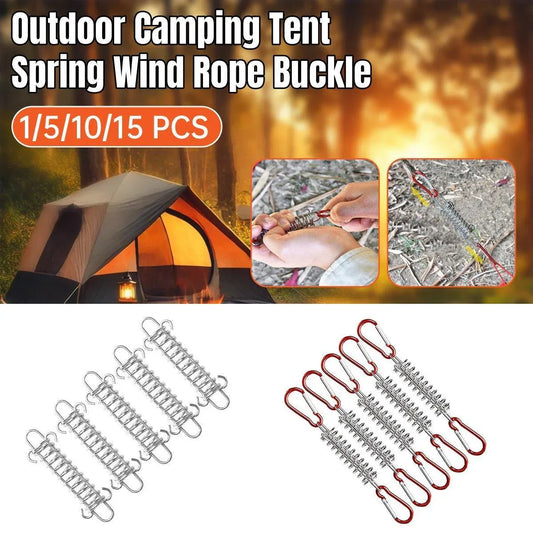
Use the supplied anchoring points and every peg or guy line required by the instructions. Match peg design to the ground: general-purpose pegs may not hold well in loose sand, very soft soil or hard rocky sites. Drive pegs at the angle recommended for the shelter, tension opposing guy lines evenly and keep lines visible so people do not trip over them.
Orient the lower or stronger end toward the prevailing wind where the manufacturer recommends it, close exposed doors and awnings before gusts arrive and remove loose items that can become airborne. Recheck tension after rain, temperature changes and strong wind. Pack down or seek safer shelter when conditions exceed the product’s limits; no portable tent or swag should be treated as protection from severe storms.
Beach Shelters and Day-Use Shade
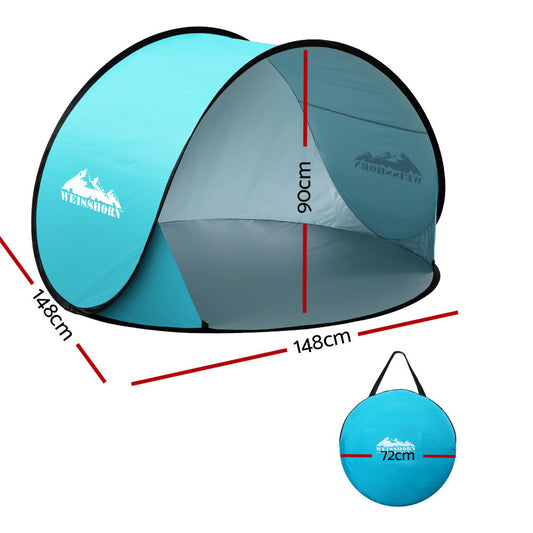
A beach shelter, sun tent or umbrella is not automatically suitable for overnight camping. Many are designed for shade, privacy and protection from light wind or brief showers rather than prolonged rain, cold nights or exposed campsites. Read the stated use, UV rating, ventilation, anchoring instructions and weather limits.
Anchor beach shelters with the supplied sand pockets, stakes or guy lines and never leave them unattended in wind. UV-rated fabric only protects the area it shades, so continue using appropriate clothing, sunscreen and other sun-safety measures. Keep children and pets supervised around frames, cords and enclosed hot spaces.
Mattresses and Sleeping Comfort
Check the internal floor dimensions before choosing a mattress or camp bed. A mattress that presses hard against tent walls can reduce airflow and transfer condensation to bedding, while an oversized stretcher can damage the floor or fabric. Leave room for doors, vents and a safe exit path.
Many swags include a foam mattress, but thickness and firmness vary. Confirm whether the mattress can remain inside when rolled, how long it needs to expand after unpacking and whether extra bedding changes the packed diameter. Add suitable insulation beneath or within the sleep system for cold ground rather than relying on shelter fabric alone.
Gas, Fire and Heater Safety
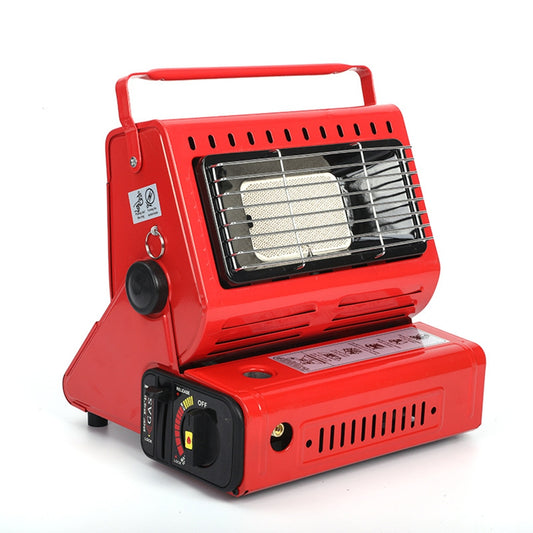
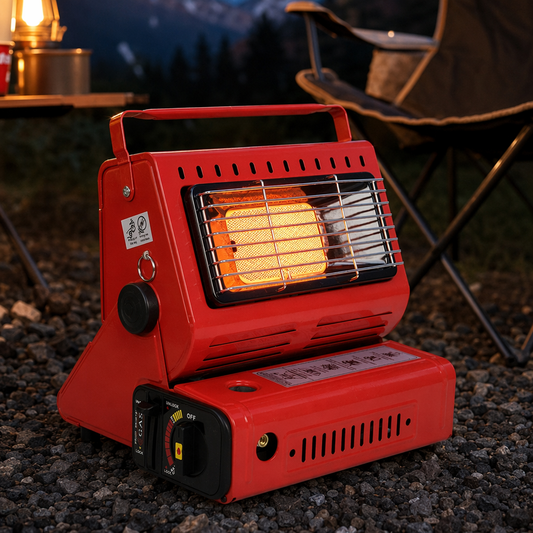
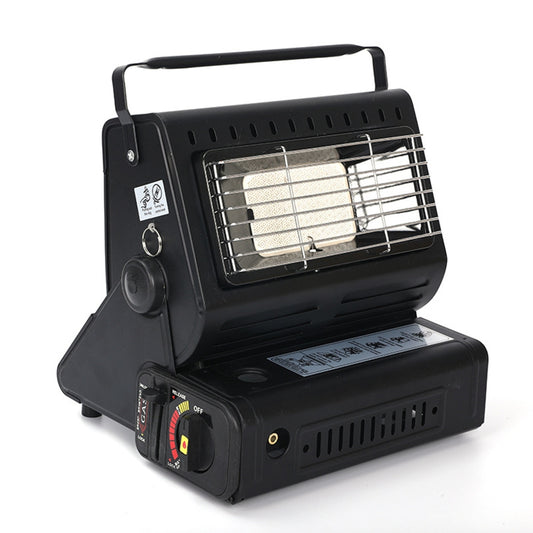
Outdoor gas appliances, camp stoves, BBQs, fire pits and other combustion appliances must not be used inside tents, swags, camper tents or enclosed canvas shelters. Fire, burns and carbon monoxide can be fatal. Operate outdoor appliances outside, well clear of shelter fabric and entrances, with the ventilation and clearances specified by the appliance manufacturer.
Do not bring a barbecue or heater inside because conditions turn cold or wet. Keep flames, hot cookware, fuel cylinders and generators away from guy lines, dry grass and stored bedding. Check current fire bans and campground rules before using any flame or solid-fuel appliance.
Set Up Before the First Trip
Practice pitching and packing the shelter at home. Confirm that all poles, hubs, pumps, pegs, ropes, awnings, repair pieces and instructions are present. Learn the folding sequence for pop-up models and identify the correct pressure range for inflatable beams. A home setup also reveals whether mattresses fit and whether the packed bag will return to its original size.
Inspect zips, pole sleeves, clips, valves, seams and anchor points. Replace damaged components with compatible parts rather than improvising structural repairs at camp. Carry a basic repair kit suited to the shelter material, but treat temporary repairs as temporary.
Cleaning, Drying and Storage
Brush away loose soil and allow mud to dry before cleaning. Use only the cleaning method recommended for the fabric, coatings, mesh, PVC floor and mattress. Harsh detergent, bleach, pressure washing and aggressive scrubbing can damage protective coatings or canvas finishes.
Dry the inner, fly, floor, canvas, ropes, poles and mattress completely before long-term storage. A shelter packed damp can develop mould, odour, corrosion and coating damage. Store it in a cool, dry area away from rodents, chemicals and direct heat. Avoid leaving poles under unnecessary tension or mattresses tightly compressed when the manufacturer advises against it.
Common Tent and Swag Mistakes to Avoid
- Choosing only by the person-capacity label without checking the actual floor plan.
- Ignoring packed length, rolled diameter or total transport weight.
- Taking a new shelter away without practising setup and pack-down.
- Assuming every beach shelter or pop-up shade is suitable for overnight camping.
- Using a footprint that extends beyond the tent floor and collects rainwater.
- Closing every vent and mistaking condensation for a fabric leak.
- Leaving doors, awnings or loose gear exposed when strong wind arrives.
- Using unsuitable pegs or failing to anchor all required points.
- Packing canvas, mesh, floors, ropes or mattresses while damp.
- Using a stove, BBQ, gas heater or other combustion appliance inside the shelter.
Complete Your Sleeping Setup
Pair your shelter with Camping Sleeping Gear and a suitable Camping Mattress. Add pegs, storage and practical campsite equipment from Camping Accessories, and plan safe night-time visibility with 12V Camping Lights. For colder trips, review Winter Camping Essentials, or browse the wider Camping Gear collection.
Safety note: Shelter performance depends on correct selection, setup, maintenance and conditions. Follow the manufacturer’s instructions, check campsite alerts and weather, keep all flames and outdoor gas appliances outside, and leave the shelter for safer protection when severe weather threatens.
Guide reviewed: August 2026.