A Comfortable Camp Bed Starts Underneath You
A camping mattress does more than soften uneven ground. It also helps separate you from cold surfaces, supports your normal sleeping position and determines how much room remains inside your tent, swag, vehicle or caravan. The best choice depends on where you sleep, how you travel, the conditions you expect and how much packed space you can spare.
Just Camp stocks single and double self-inflating camping mattresses, lightweight sleeping mats, raised air beds, inflatable car and SUV mattresses, foldable foam mattresses and off-ground stretchers. Start with your sleeping location and preferred firmness, then compare the exact dimensions, thickness, packed size, pump requirements and any stated insulation rating. Availability varies by product.
Compare Camping Mattress Types Before You Buy
Not all camping mattresses work the same way. Use this quick comparison to narrow the options, then check each product’s size, packed dimensions, weight, pump and insulation information before ordering.
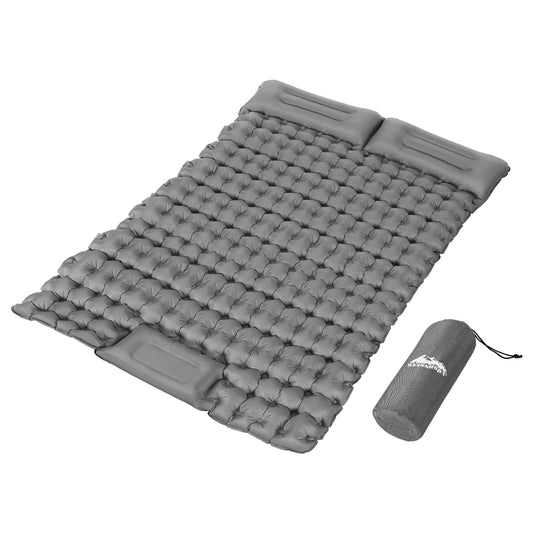
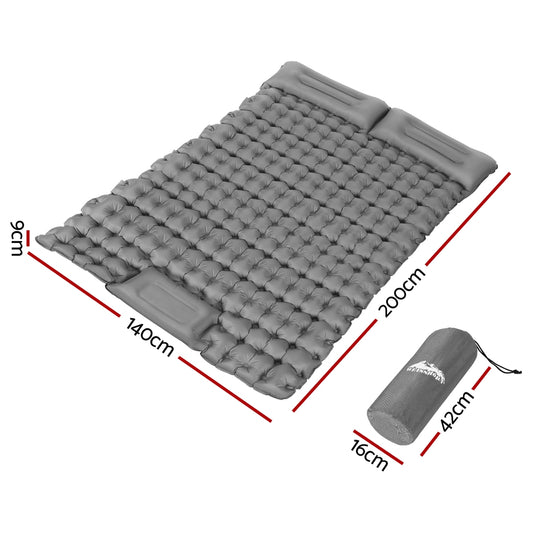
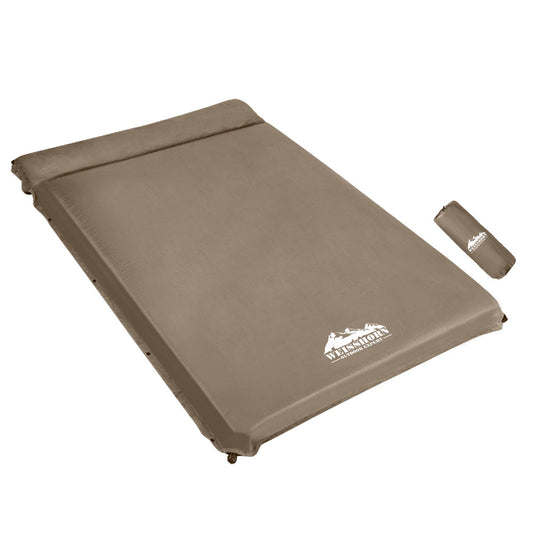
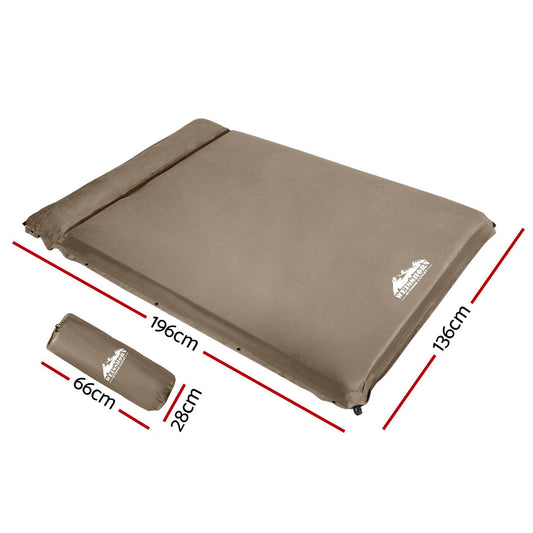
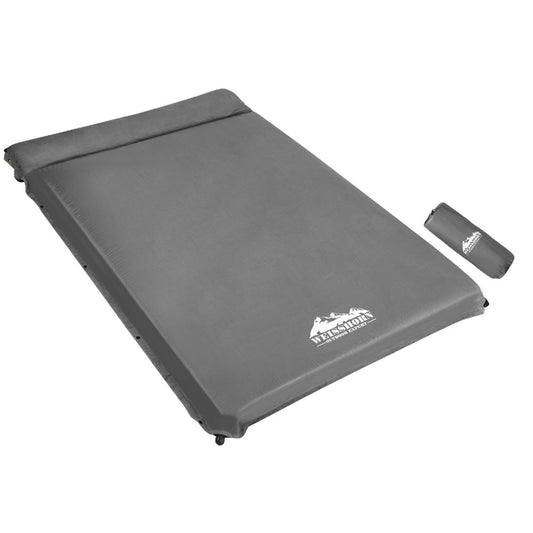
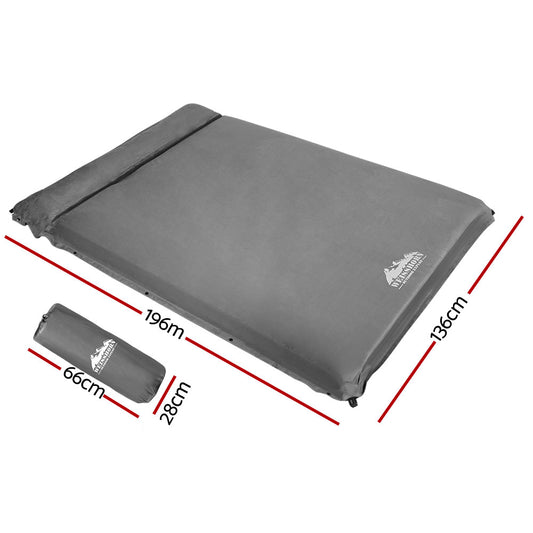
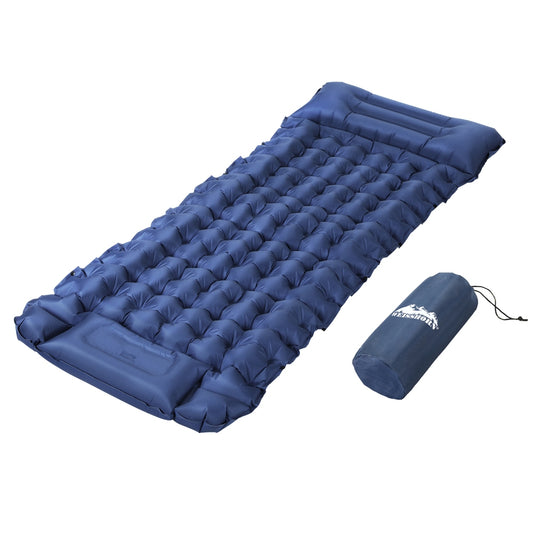
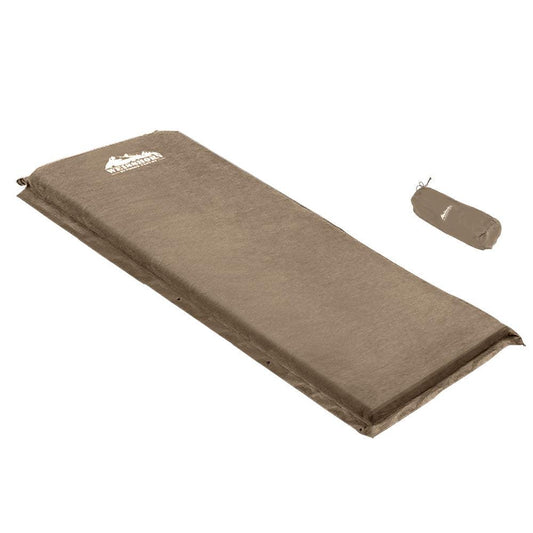
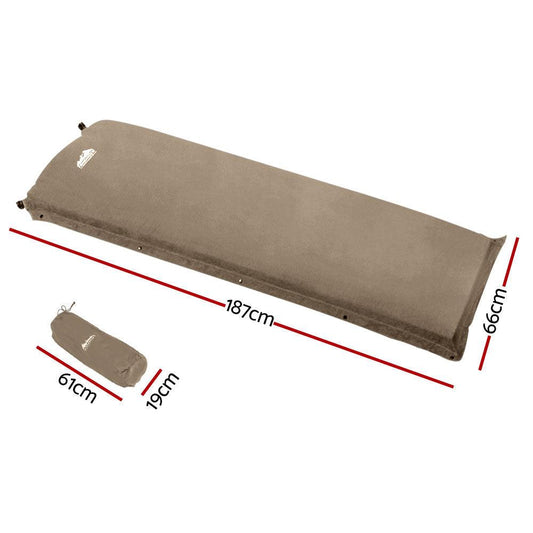
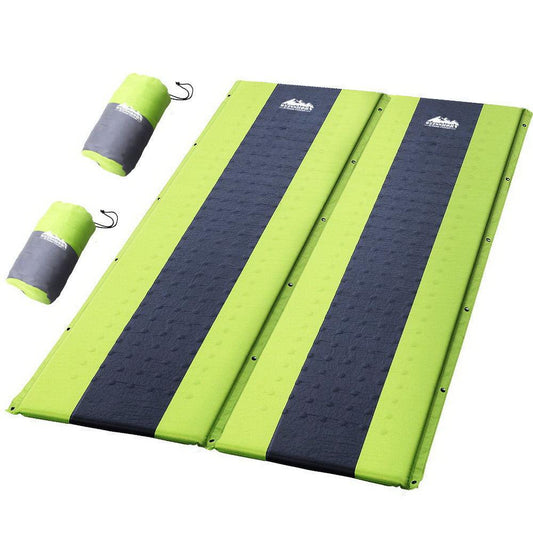
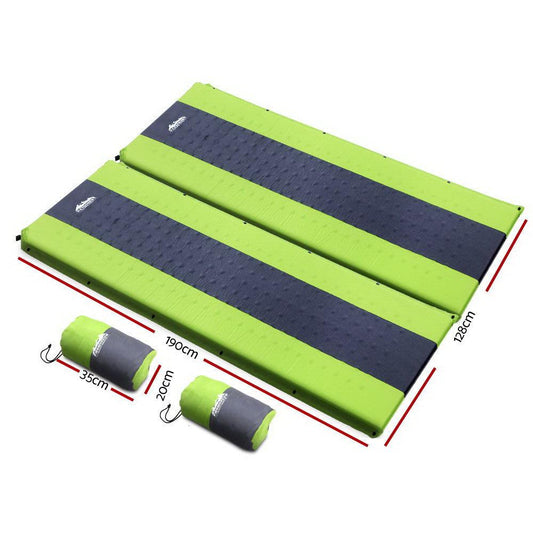
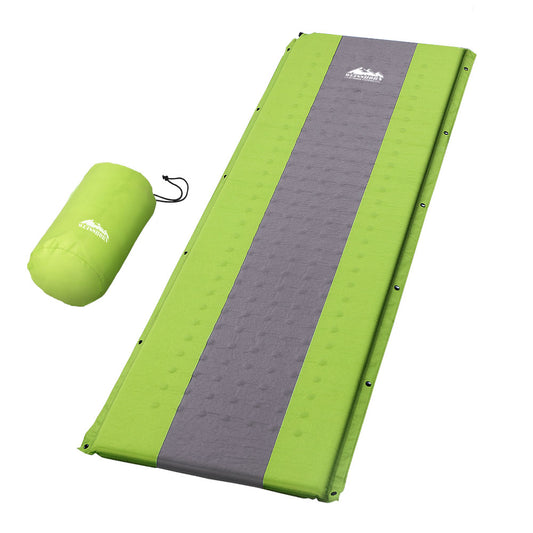
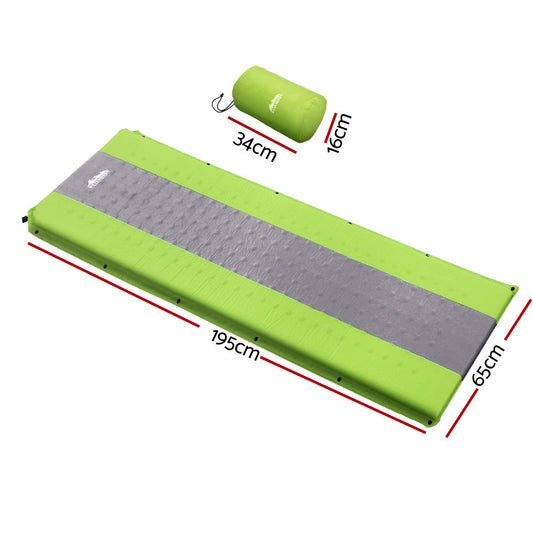
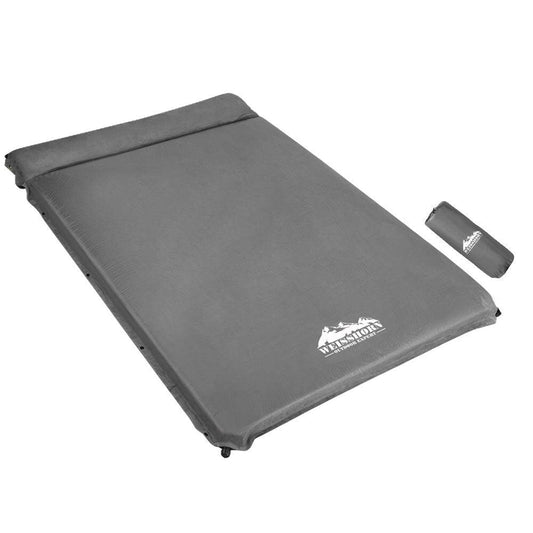
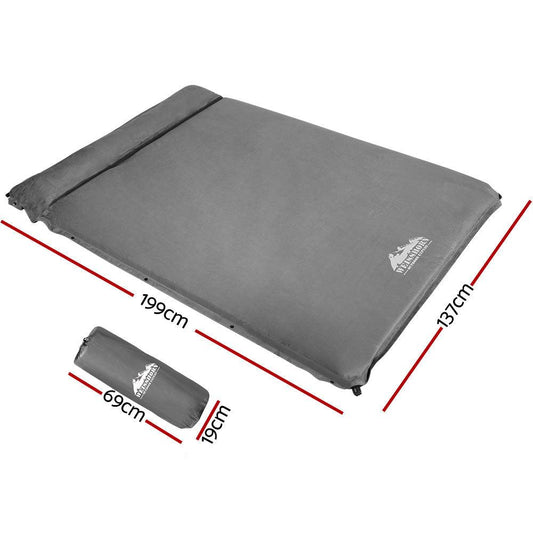
- Self-inflating camping mats: foam-filled mats suited to many tent and swag setups. Compare an in-stock 10cm single self-inflating mattress or 4cm double self-inflating mat. A thicker mat may feel more cushioned, but thickness alone does not confirm warmth.
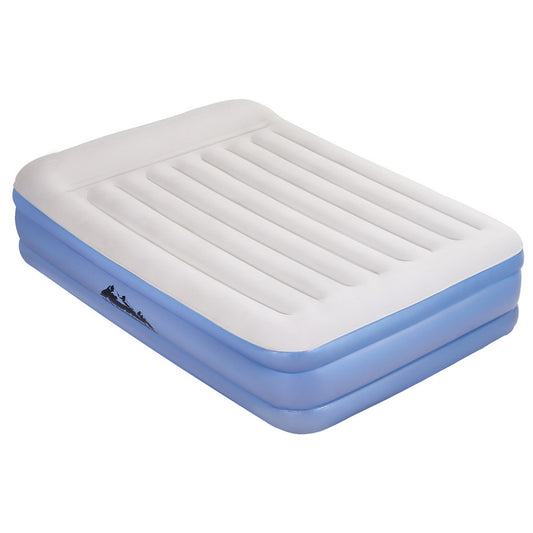
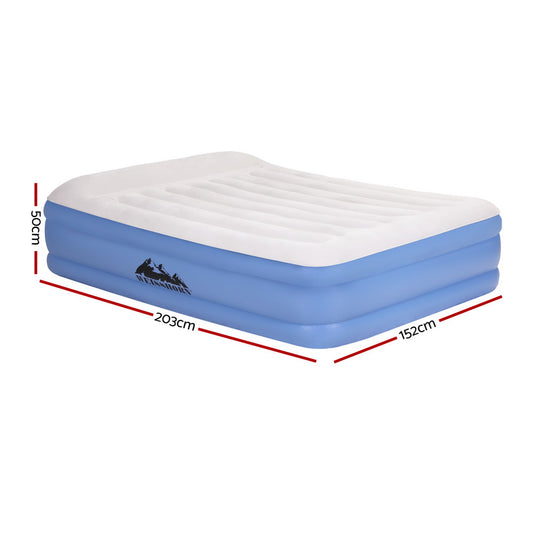
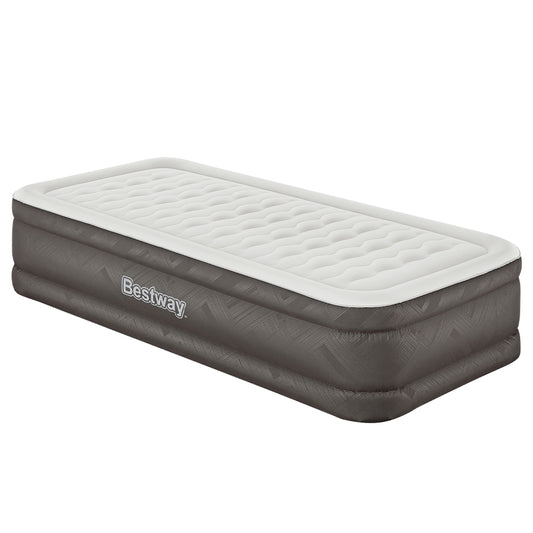
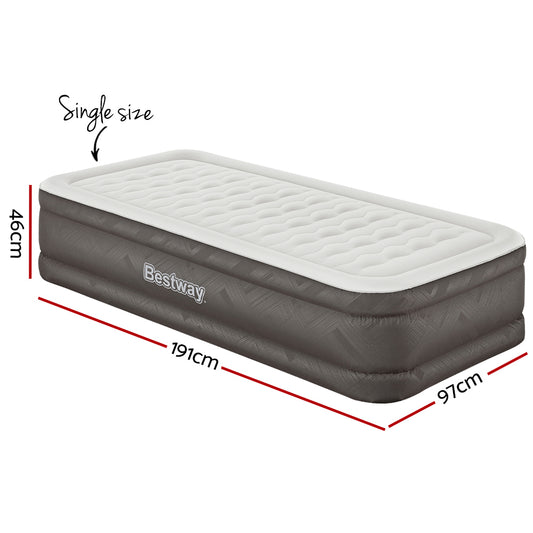
- Inflatable air beds: an option for a more raised or cushioned bed at camp or at home. For example, the Bestway 46cm single air mattress has a built-in pump; check the required power supply before heading to an unpowered site.
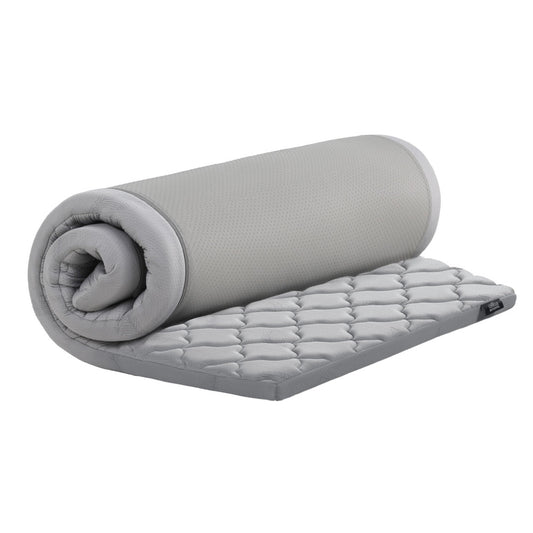
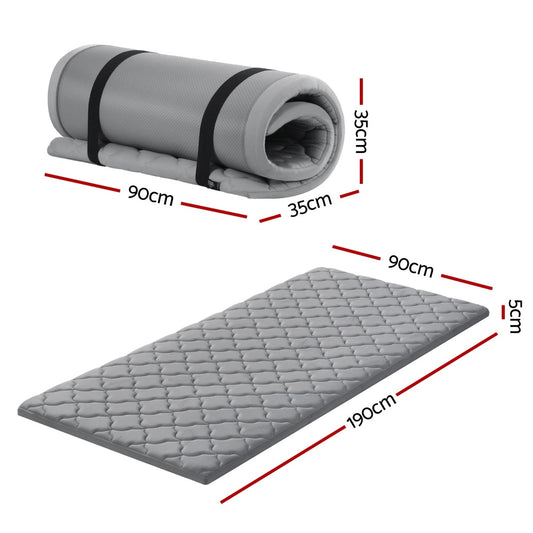
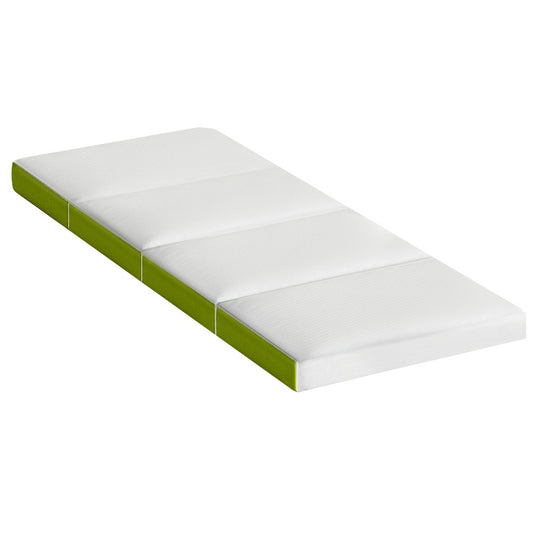
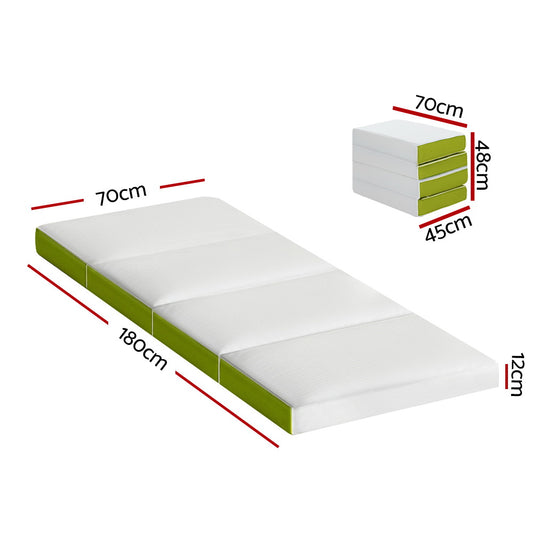
- Foldable foam mattresses: no valves or pump are needed, but they take more space when packed. Browse the Giselle Bedding single foldable mattress as an example and check its folded dimensions.
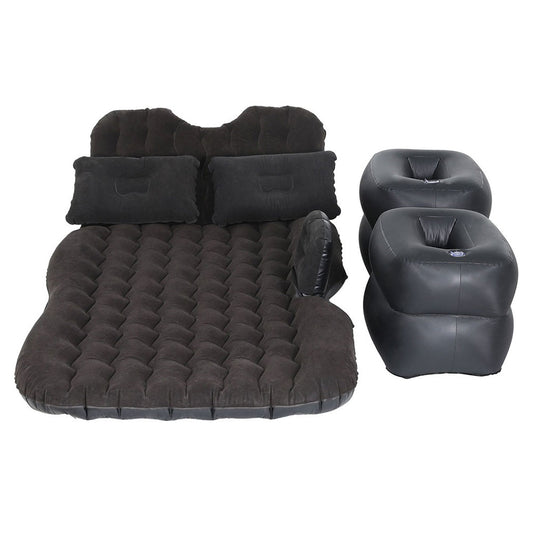
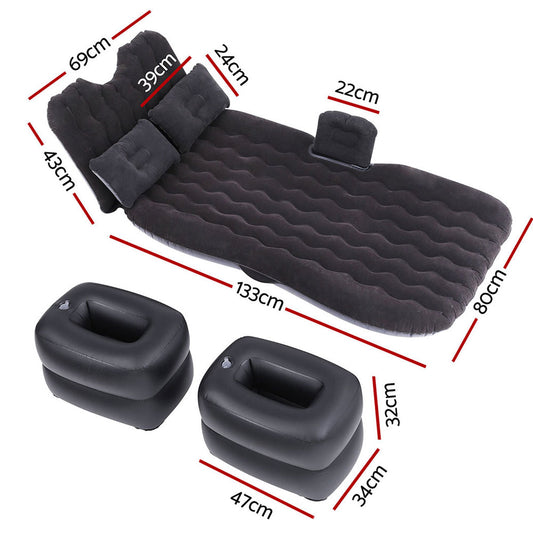
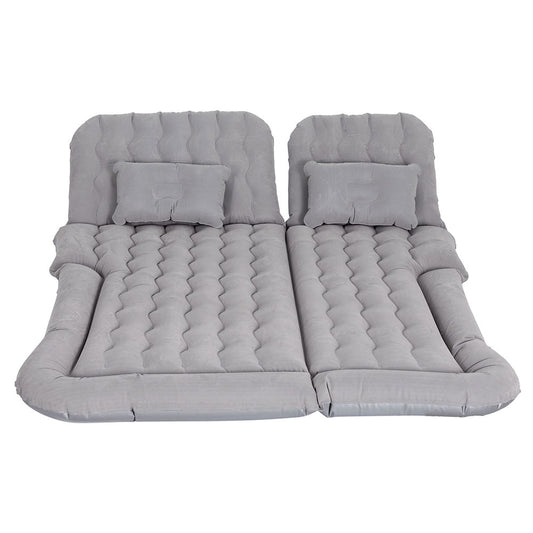
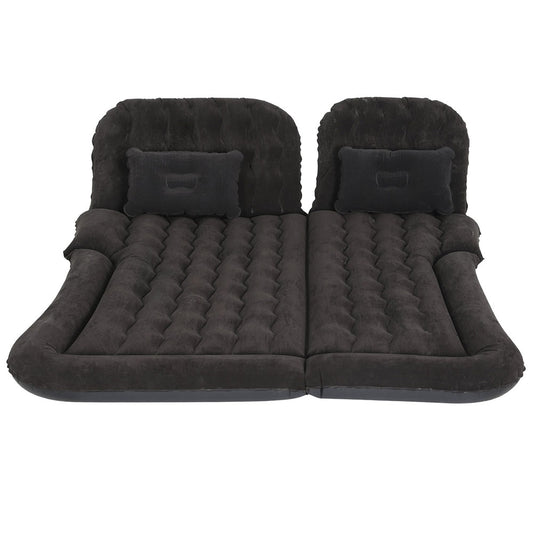
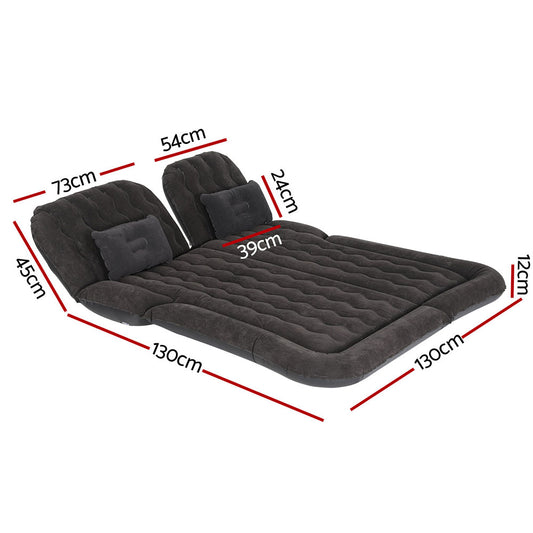
- Car and SUV mattresses: designed for vehicle sleeping spaces rather than standard tent floors. Compare the Weisshorn 176 x 80cm inflatable car mattress with your exact vehicle measurements; a generic SUV label is not a fit guarantee.
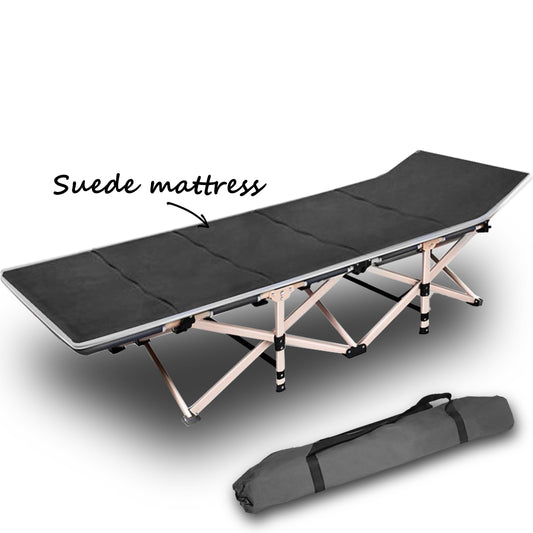
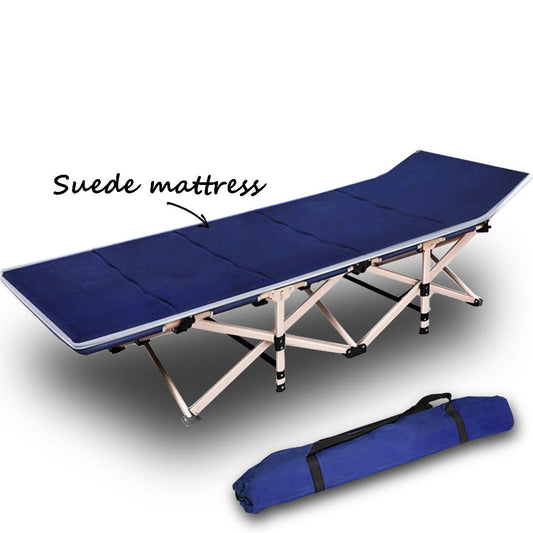
- Camping stretchers: lift you off the ground and can make entry and exit easier, but may need a separate insulated sleeping mat and enough tent floor space.
Self-Inflating Mats: Comfort, Insulation and Pack Size
Self-inflating camping mats contain compressible foam that expands when the valves are opened. They are popular for tents, swags and touring because the foam provides cushioning and the mat can usually be rolled down smaller than a conventional foam mattress.
“Self-inflating” does not always mean completely hands-free. A new mat or one that has been stored tightly rolled may take longer to expand and can need a few breaths or a compatible pump to reach the firmness you prefer. Open all valves fully, allow time for the foam to recover and follow the individual product instructions before adding extra air.
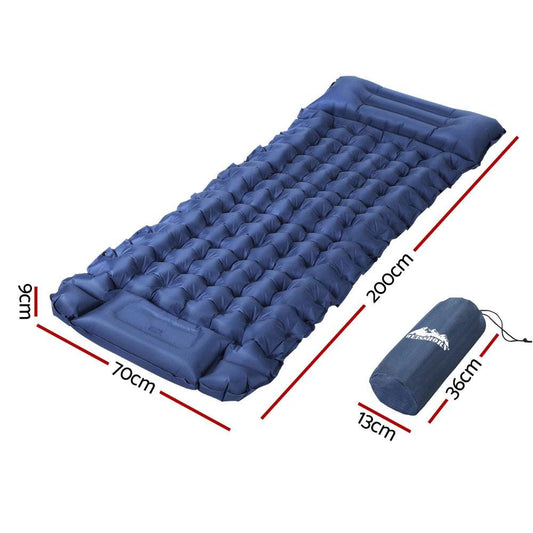
Compare the mat’s open thickness, weight and packed dimensions together. A thicker model may provide more cushioning for side sleepers, while a thinner or narrower model can be easier to fit into a compact tent, vehicle drawer or roof-top setup. Some mats include integrated pillows, joining points or multiple valves, but these features vary between products.
Air Mattresses and Raised Air Beds
Inflatable air beds can provide a softer, more home-like sleep surface and are available in single, double, queen and king-style sizes. Raised models can also make getting in and out of bed easier, although their greater height and footprint may not suit every tent.
Check how the mattress is inflated before leaving home. Products in this collection may use a separate hand or foot pump, a built-in foot pump, a 12V pump, a rechargeable pump or a built-in 240V AC electric pump. A mattress with a mains-powered pump is convenient at powered sites but may not be practical at an unpowered campsite unless you have a suitable power source.
Air pressure can change as the temperature drops, so a mattress that feels firm in the afternoon may feel softer overnight. This does not always indicate a leak. Inflate to the manufacturer’s guidance, avoid overinflating and allow the material to settle before deciding whether a small top-up is needed.
Inflatable Car and SUV Mattresses
Vehicle mattresses are designed for spaces such as rear seats, folded cargo areas and SUV boots. They can be useful for touring, roadside stops and compact overnight setups, but vehicle interiors vary considerably between makes, models and seating configurations.
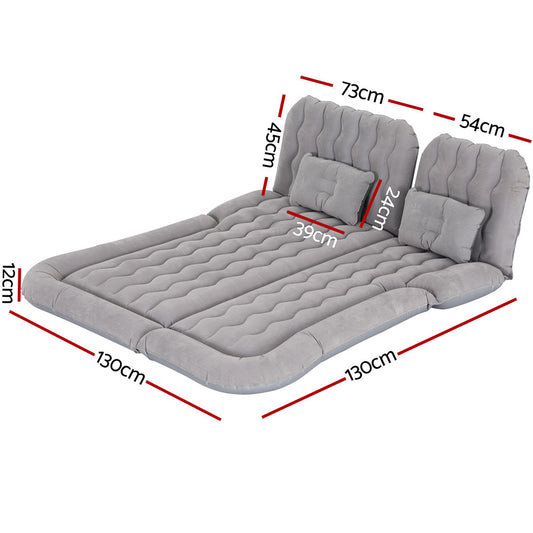
Measure the usable length and width with the seats arranged exactly as they will be for sleeping. Check wheel arches, centre consoles, seat gaps, door trims, cargo-floor steps and access to the inflation valves. A product title that mentions cars, SUVs or 4WDs does not guarantee a precise fit for every vehicle.
Also consider whether the supplied supports or filler sections match your seating layout, whether the mattress blocks doors or storage access, and where the pump will draw power. Compare the product’s fully inflated dimensions with your own measurements rather than relying only on a generic vehicle description.
Foldable Foam Mattresses and Roll-Up Mats
Foldable foam mattresses and roll-up mats require no pump and can be a straightforward option for tents, caravans, guest sleeping and vehicle-based camping. They avoid valves and air loss, but they are generally bulkier to transport than an inflatable mat of a similar sleeping area.
Foam density, total thickness and construction influence how supportive the mattress feels. A trifold mattress can be easier to stack or store, while a roll-up design may suit long vehicle storage spaces. Check the folded or rolled dimensions as carefully as the open dimensions, particularly when packing around drawers, fridges and other touring equipment.
Camping Stretchers and Off-Ground Beds
Camping stretchers lift the sleeper away from uneven or damp ground and can make it easier to get into and out of bed. Some products combine a stretcher frame with padding or an inflatable sleeping surface, while others require a separate mat or mattress.
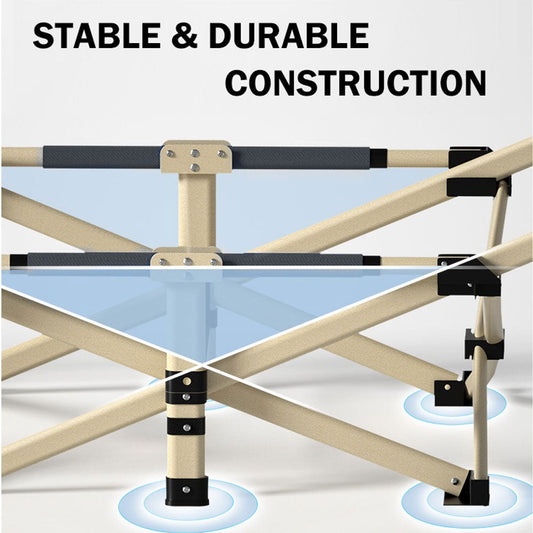
Measure the complete frame footprint, not just the sleeping surface. Stretchers may need more floor area than expected and their height can place the sleeper close to sloping tent walls. Check the stated load capacity, frame dimensions and packed weight before choosing one for your shelter or vehicle.
Airflow beneath a stretcher can feel cold in winter. Add an appropriate insulated mat or bedding layer when conditions require it rather than assuming that being raised off the ground will automatically keep you warmer.
Single, Double, Queen or King?
Size labels are useful starting points, but actual dimensions can vary between brands and product styles. A “double” camping mattress may not match a household double bed, and a queen air bed may take up most of the usable floor area inside a family tent.
Allow clearance around the mattress for tent walls, bedding, bags, valves and access to the door. In a swag or vehicle, check both the width and the usable length at shoulder and foot level. Couples should also consider whether one shared mattress or two joinable single mats will be easier to pack, adjust and replace.
Thickness Is Not the Same as Warmth
A thicker mattress can improve cushioning, but thickness alone does not prove how well it insulates against the ground. Thermal performance depends on the materials, internal construction and trapped air, and is commonly expressed as an R-value when one has been tested and supplied.
Many products in this collection do not state an R-value, so winter suitability should not be assumed from thickness or appearance alone. For cold-weather camping, use the manufacturer’s available insulation information and consider adding a suitable foam mat, insulated layer or other barrier beneath the mattress.
Your complete sleep system matters. A warm sleeping bag can still feel cold when used on an inadequately insulated surface, especially on concrete, compacted earth or cold vehicle flooring.
Pumps, Valves and Power Sources
The inflation system can determine whether a mattress is convenient at your usual campsite. Before buying, check whether the product includes a pump, which valve fittings it uses and whether the required power source will be available.
- Hand and foot pumps work without electricity but require more effort and packing space.
- Built-in foot pumps can be convenient for compact mats but may take longer on larger products.
- 12V pumps need a compatible vehicle or power outlet and should be used according to the product instructions.
- 240V AC pumps suit powered sites and home use but need mains electricity.
- Rechargeable pumps need to be charged before the trip and may benefit from a manual backup.
Keep valve caps, adapters and repair accessories together in the carry bag. For remote or longer trips, a simple backup inflation method can prevent a small pump or power problem from ending the night’s sleep setup.
Check Dimensions Before You Buy
Set up the tent, swag, vehicle or stretcher footprint on paper—or measure it physically—before choosing a mattress. Product photos can make beds appear smaller or larger than they are.
Before purchasing, check:
- fully inflated or open length, width and height
- packed or folded dimensions and total weight
- stated maximum load or user capacity
- the usable floor area inside your tent, swag, caravan or vehicle
- clearance beneath sloping tent walls and around doors
- pump type, voltage and required power source
- valve position and access once the mattress is installed
- whether a carry bag, pump, adapters or repair kit are included
For two sleepers, compare the combined weight limit and usable width. For taller sleepers, check the listed length rather than relying only on the single, double or queen label.
Protecting, Testing and Storing Your Mattress
Test a new mattress at home before the first trip. Confirm that it fits the intended space, that the valves and pump work, and that it remains comfortable after several hours. This also gives self-inflating foam time to recover from compressed packaging.
Clear sharp sticks, stones and debris from the setup area and use a suitable tent floor, groundsheet or protective layer. Keep inflatable products away from open flames, heaters and excessive heat, and follow the manufacturer’s instructions for inflation pressure and repair.
Dry the mattress before packing it away. Store self-inflating mats according to the supplier’s instructions—often unrolled with valves open where practical—so the foam can retain its loft. Avoid leaving inflatable products tightly packed in a hot vehicle for long periods.
Common Camping Mattress Mistakes to Avoid
- Assuming a thicker mattress is automatically warmer in winter.
- Choosing by single, double or queen label without checking the actual measurements.
- Buying a built-in AC-pump air bed for an unpowered campsite without another inflation option.
- Ignoring packed size, weight or the space needed around the mattress.
- Exceeding the supplier-stated load capacity.
- Assuming a generic car or SUV mattress will fit every vehicle interior.
- Using an air bed directly over a cold surface without considering insulation.
- Overinflating the mattress or placing it too close to heaters and sharp objects.
- Waiting until the first night away to test the mattress, pump and valves.
- Packing a damp mattress and leaving it compressed in storage.
Complete Your Camping Sleep Setup
Pair your camping mattress with gear from our Camping Sleeping Gear, Tents & Swags, Camp Matting and Winter Camping Essentials collections, or explore the complete Camping Gear range.
Product information note: Dimensions, load limits, inflation times, pump requirements and included accessories are supplied by the relevant manufacturer or supplier and vary between products. Measure your tent, swag, vehicle or stretcher space and review the individual product specifications before purchasing.
Guide reviewed: October 2026.