★★★★★

"Arrived earlier than quoted, Thank you Just Camp for the great service"

Ross

★★★★★

"Website was easy to navigate and I received my purchase promptly"

Brenda

★★★★★

"Purchased for a great price, service was excellent, postage very quick"

Lindy

★★★★★

"Great product and service A++"

Anthony

★★★★★

"My order arrived faster than expected and the quality was just as good as the big name brands"

Aaron

How to Choose a Camping Toilet for Touring & Off-Grid Trips

Choose the Right Type of Camping Toilet

Camping toilet setups range from self-contained flush toilets to folding or bucket-style toilets and compact travel urinals. The right option depends on your available space, how many people will use it, how often you can reach an approved disposal point and how much cleaning and carrying you are comfortable with.

For caravans, camper trailers and longer touring trips, a self-contained flush toilet can offer a more familiar setup with separate freshwater and waste tanks. Folding or bucket-style toilets can suit simpler camps where low packed size matters, while travel urinals are useful as compact personal accessories for quick stops.

Portable Flush Toilets

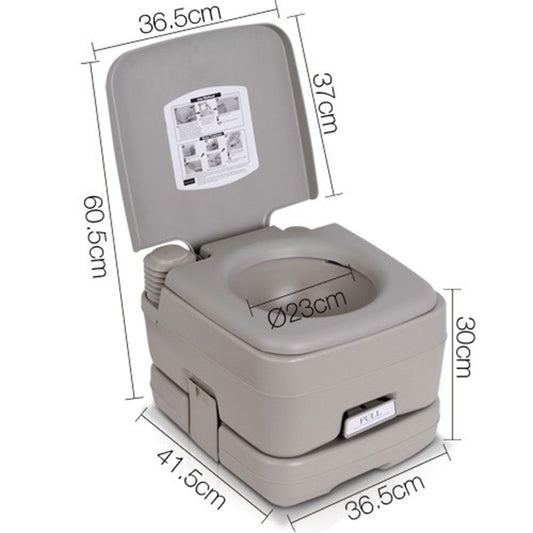
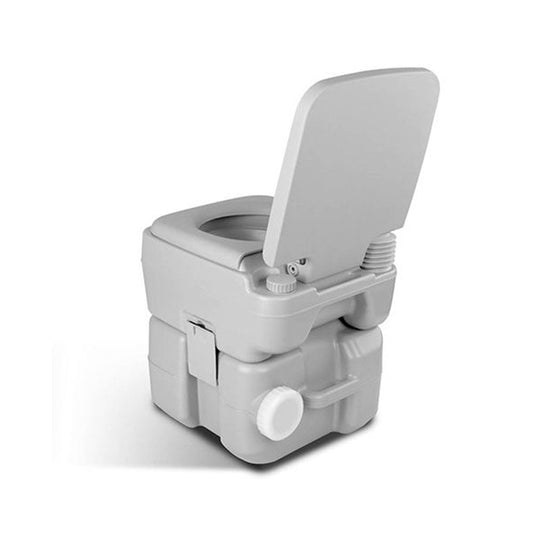
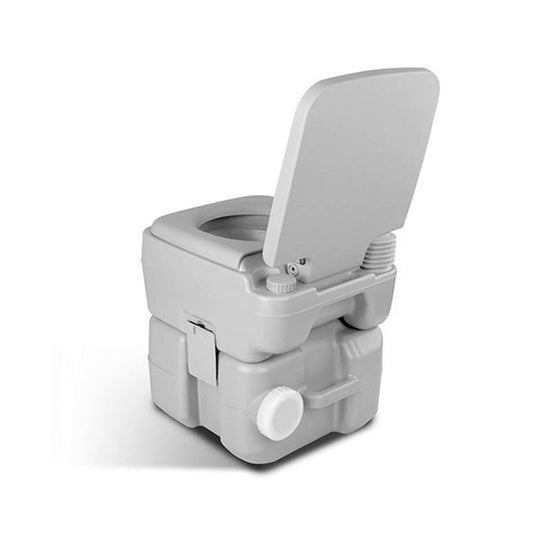
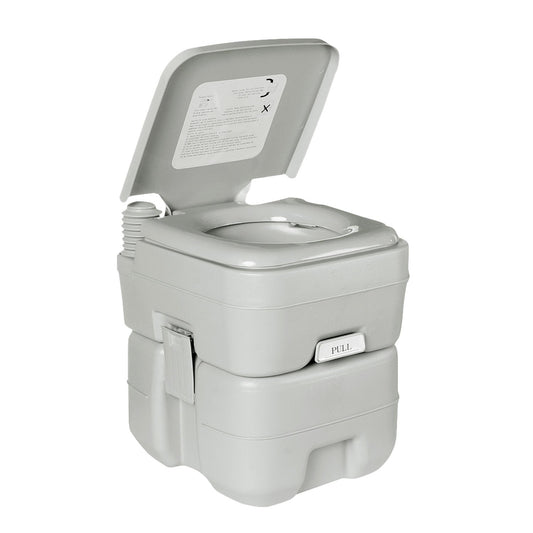
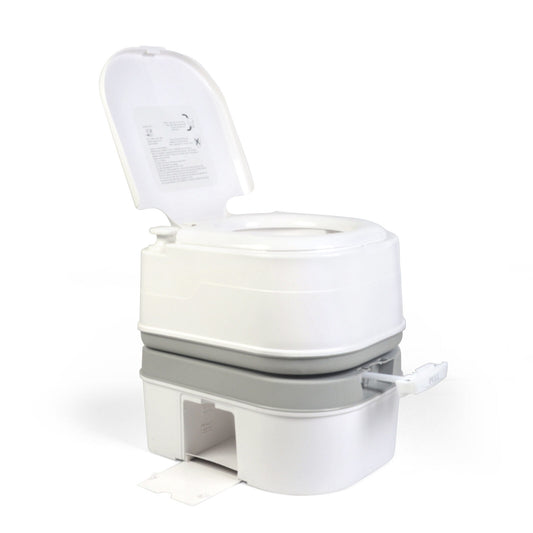
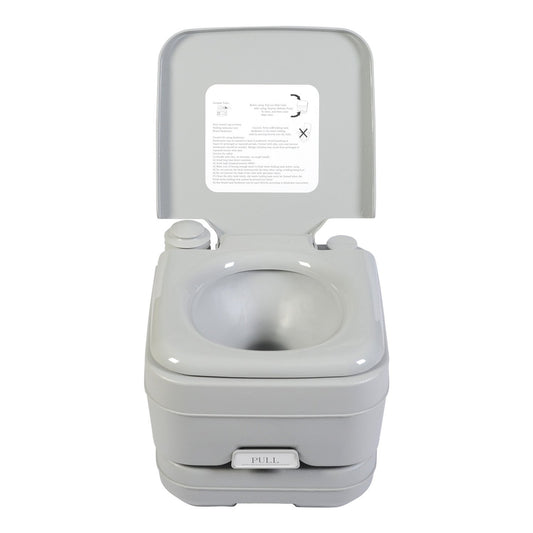
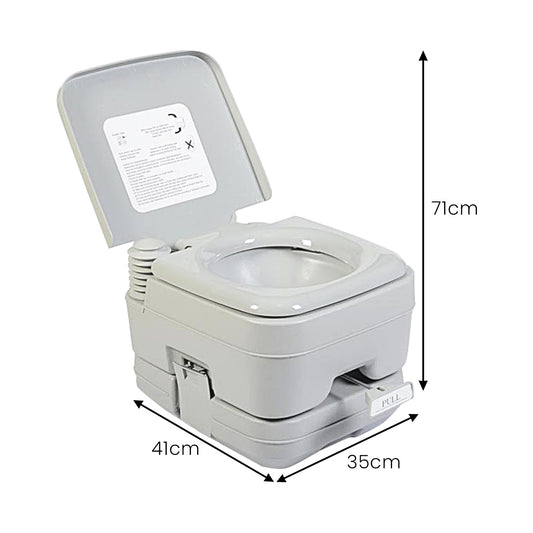
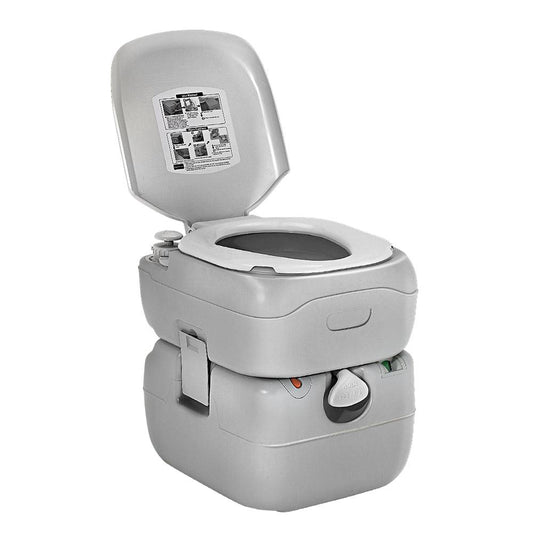
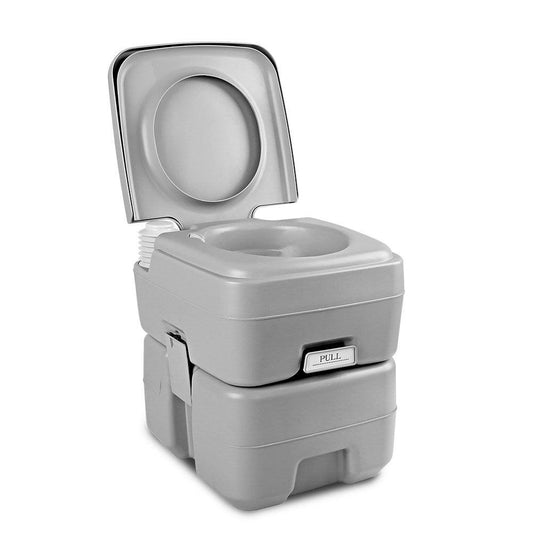
Portable flush toilets usually combine an upper freshwater tank with a detachable lower holding tank. Manual pump, press-flush and two-way flush systems appear across the current range, while tank sizes, toilet height, seals, indicators and emptying features vary by model.

Many self-contained models are designed to operate without an external water or electrical connection because they carry their own flushing water. Check the exact product specifications, as capacities and operating details are not the same across every toilet.

Folding & Bucket-Style Camping Toilets

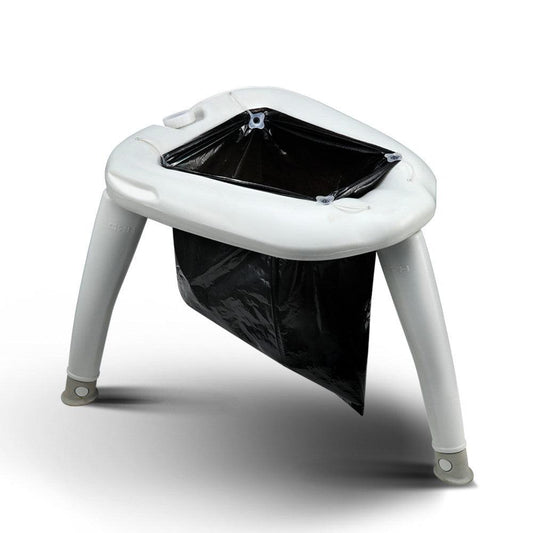
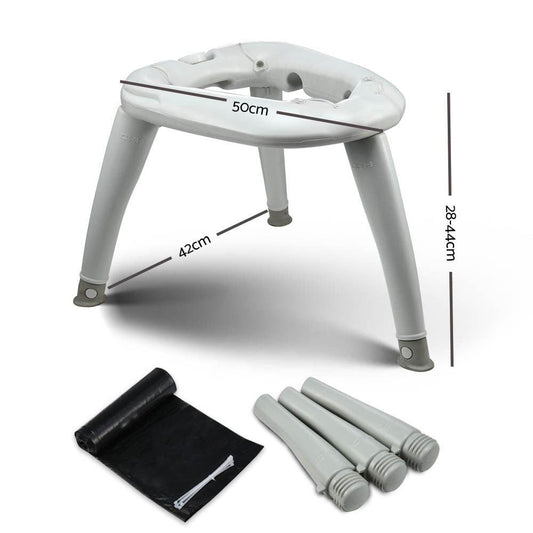
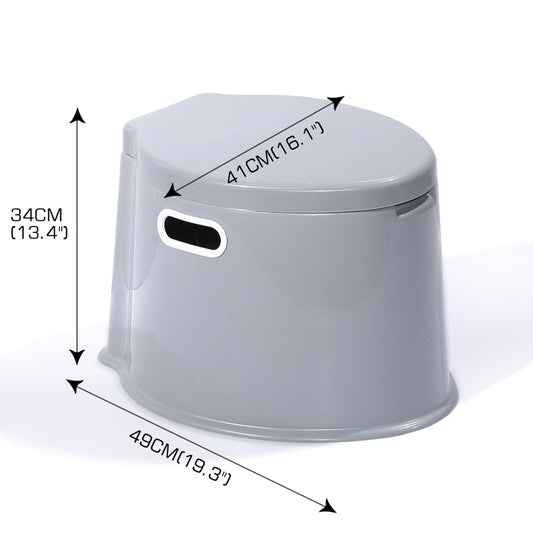
Folding and bucket-style toilets keep the setup simpler. Some use disposable waste bags, while others have a removable waste bucket. They can be easier to pack than a two-tank flush toilet, but the waste-handling method, seat height, folded dimensions, included bags or accessories and stated load ratings vary.

If compact storage is your priority, compare the toilet’s packed dimensions as well as its dimensions when open. Also check whether replacement waste bags or liners need to meet a particular size or specification.

Freshwater Capacity vs Waste-Tank Capacity

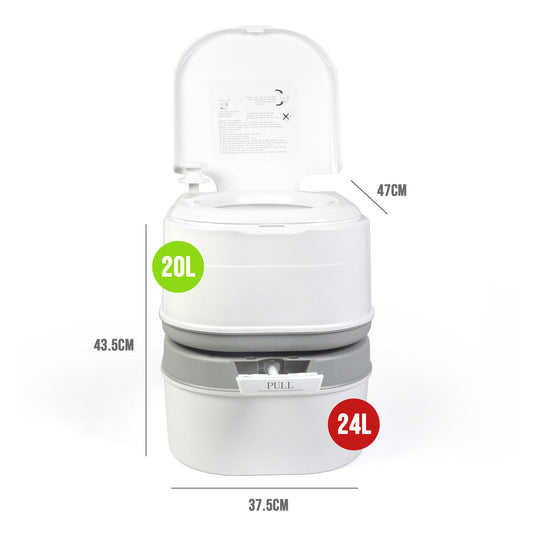
On a flush toilet, freshwater capacity and waste-holding capacity are separate figures. Do not assume the litre number in a product title always describes the waste tank. Some models in the current range use different-sized upper and lower tanks, so compare both capacities before choosing.

The waste-tank capacity is particularly useful when estimating how often you may need to visit an approved dump point. A larger tank can reduce the frequency of emptying, but it also becomes heavier and bulkier as it fills.

Think About Trip Length & Number of Users

A toilet for one person on a weekend trip has different demands from a family toilet used for an extended stay. Consider how many people will use it, whether other facilities are available, how frequently you are prepared to empty it and the distance to the next suitable disposal point.

Some product descriptions provide an approximate number of flushes from a full freshwater tank, but these figures are model-specific and can depend on how the flush system is used. Use them as a product specification rather than assuming the same performance across different toilets.

Check Toilet Height, Footprint & Load Rating

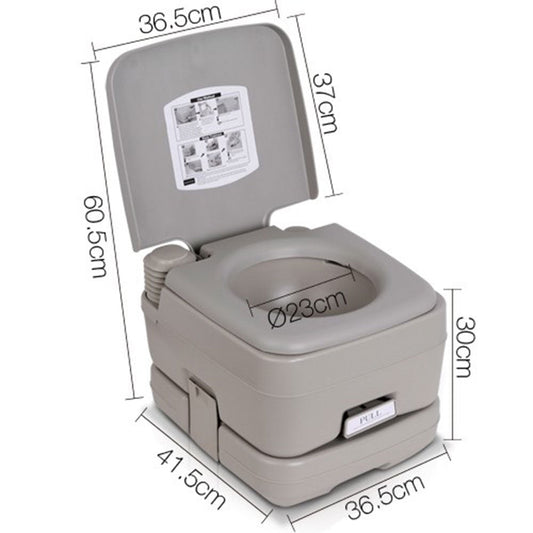
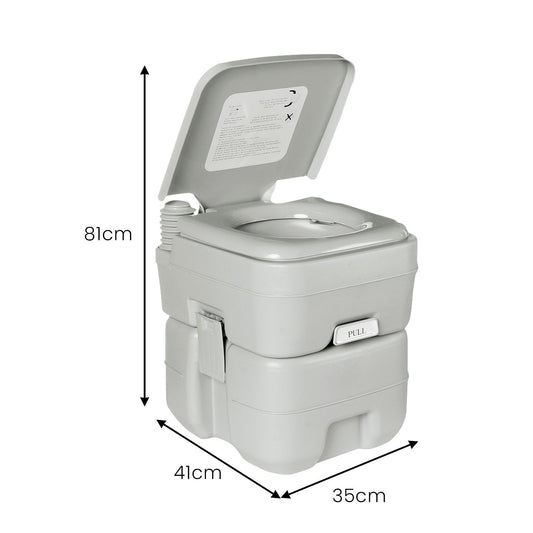
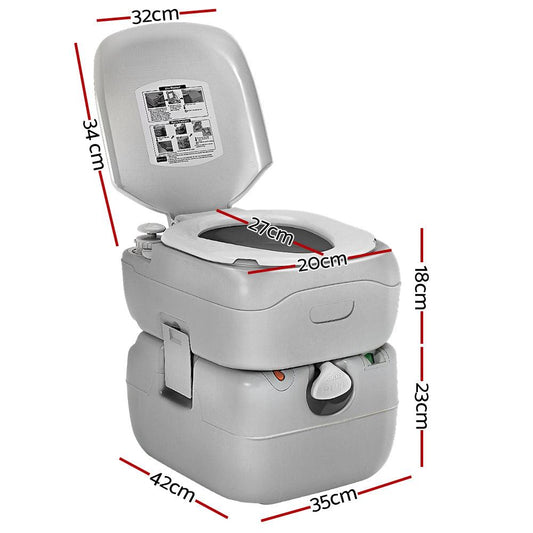
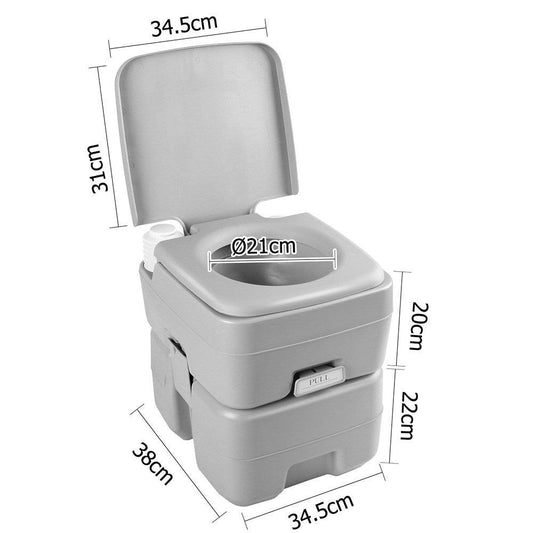
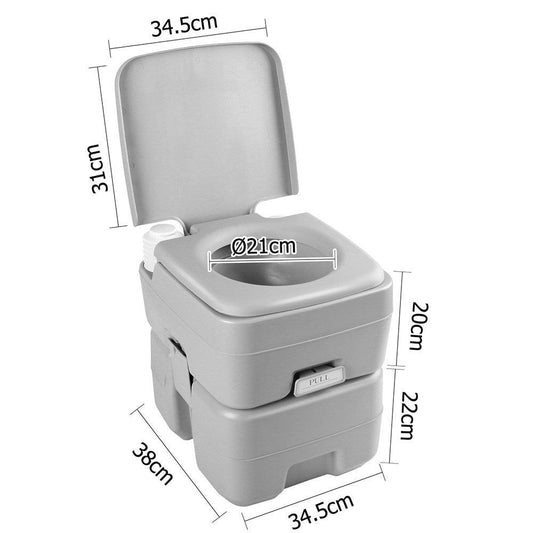
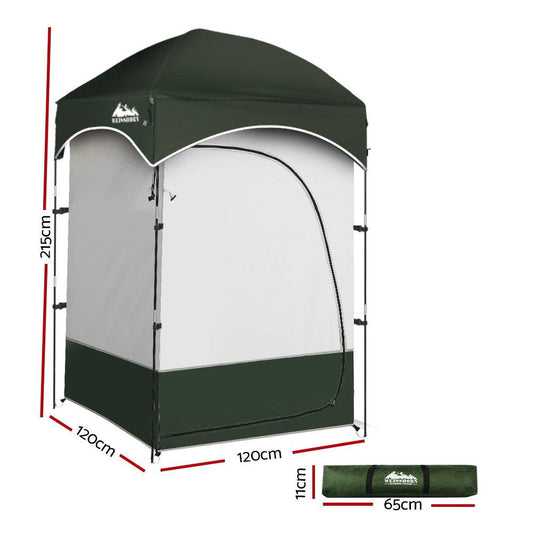
Comfort is affected by more than tank size. Compare overall height, seat dimensions and footprint, especially if the toilet will be used inside a privacy tent, compact caravan bathroom or small ensuite area. Folding models may also have different leg configurations.

Where a manufacturer provides a maximum load rating, follow that figure for the individual model. Do not transfer a load rating from one toilet to another simply because the designs look similar.

Seals, Valves & Waste-Level Indicators

Seals and valves help separate the waste tank from the upper section of a portable flush toilet. The current range includes models described with double-sealed drain valves, odour-resistant seals, rotating emptying spouts, vent buttons and waste-level indicators, but these features are not universal.

Check seals and valves before each trip and keep them clean according to the manufacturer’s instructions. A damaged, dirty or incorrectly seated seal can make the toilet harder to use and transport.

Emptying a Portable Camping Toilet

Plan disposal before you leave home. Toilet waste should be emptied only at an approved toilet-waste disposal or dump point, following the rules of the campsite, park or local authority. Do not empty toilet waste onto the ground, into waterways, stormwater or ordinary campsite drains unless a facility is specifically designated for that waste.

Empty the holding tank before it becomes overfull. More frequent emptying can also make a large tank easier to carry, particularly when the dump point is some distance from your campsite.

Toilet Chemicals & Additives

If you want to use a toilet additive, deodoriser or cleaning chemical, first confirm that it is compatible with your toilet and accepted at the disposal facilities you intend to use. Requirements can vary between products and dump points.

Follow the toilet manufacturer’s directions for product type and dosage. Using more chemical than recommended is not a substitute for regular emptying and cleaning.

Cleaning & Storage

After emptying at an approved facility, clean the tanks, seat, valves, seals and other components as directed by the manufacturer. Use compatible cleaning products and rinse only where appropriate. Allow the toilet to dry before long-term storage and inspect seals and moving parts before the next trip.

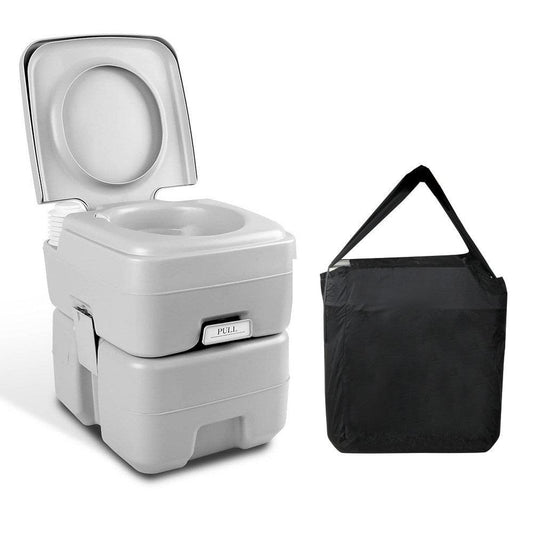
Carry bags are included with selected models rather than every toilet. If a bag matters for transport or storage, check the individual product inclusions before ordering.

Travel Urinals for Quick Stops

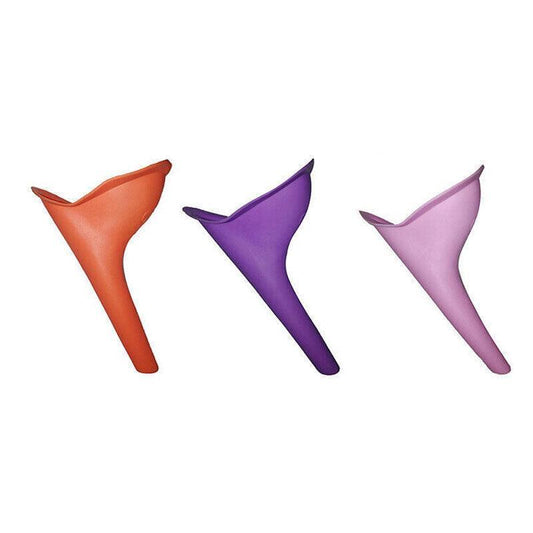
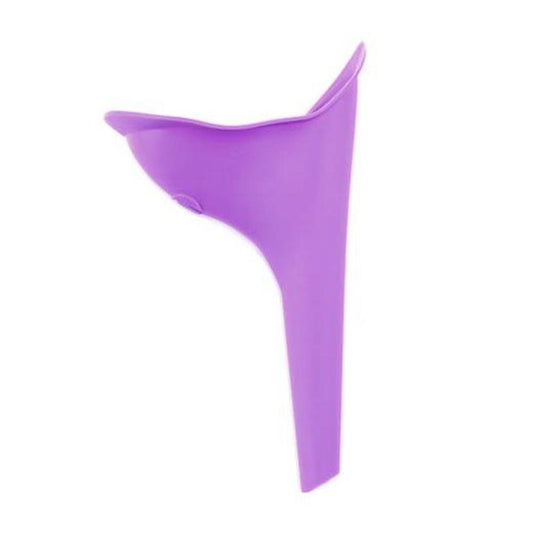
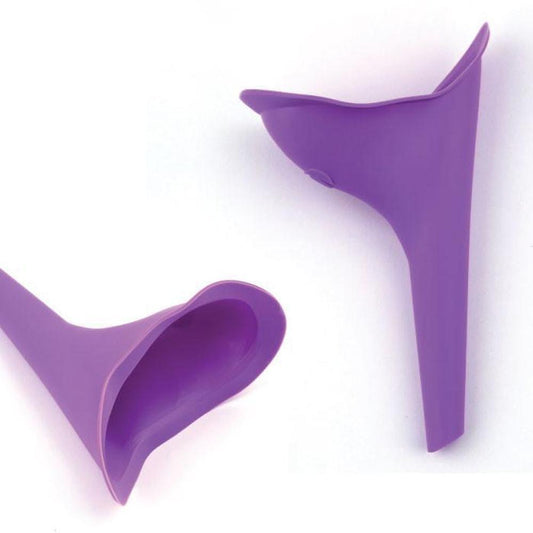
Reusable female travel urinals can be useful for camping, hiking, boating, festivals and road trips when a suitable toilet is not close by. They are lightweight personal accessories rather than a complete solid-waste toilet system. Follow the product instructions for use, cleaning and storage.

Add Privacy to Your Camp Toilet Setup

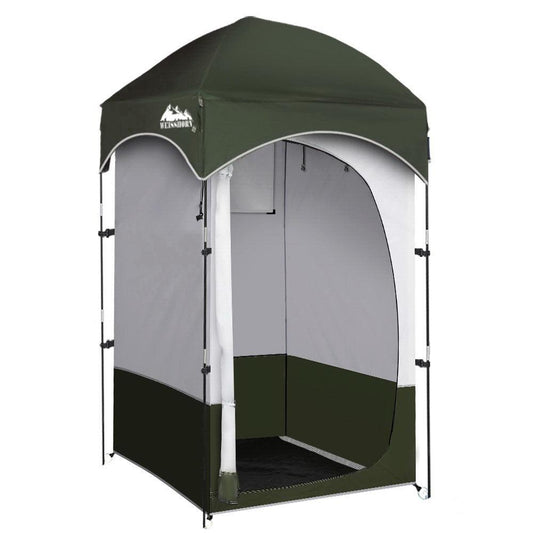
For a private changing or toilet enclosure, browse Shower & Toilet Tents. If you are building a complete camp bathroom, pair your toilet setup with Camping Showers or return to Showers & Toilets.

Common Camping Toilet Mistakes to Avoid

  • Assuming the litre figure in a product title is always the waste-holding capacity.
  • Choosing the largest tank without considering how heavy it will be to carry when full.
  • Waiting until the holding tank is completely full before planning an approved emptying stop.
  • Using toilet chemicals without checking both the toilet instructions and the disposal facility’s rules.
  • Assuming every model includes a carry bag, waste bags, level indicator or the same flush system.
  • Ignoring the toilet’s height, footprint and privacy-tent dimensions before travelling.
  • Storing a toilet without cleaning, drying and checking its seals and valves.
  • Travelling without knowing where the next suitable toilet-waste dump point is located.

Complete Your Camping Setup

Once the toilet and privacy setup are sorted, browse the wider Camping Gear range for shelter, sleeping, cooking and campsite essentials.

Product note: Freshwater and waste capacities, flush systems, toilet dimensions, stated load ratings, seals, indicators, carry bags, waste bags and other inclusions vary by model. Check the individual product specifications before ordering.

Use & disposal note: Follow the manufacturer’s cleaning and operating instructions and the campsite, park or local authority rules for toilet waste and approved disposal points. Use only compatible toilet additives where they are permitted.

Guide reviewed: August 2026.

Frequently Asked Questions

Which type of camping toilet should I choose?

Choose by how much comfort, capacity and packability you need. Portable flush toilets use separate freshwater and waste tanks and feel closer to a conventional toilet. Folding or bucket-style toilets are simpler and easier to pack, while travel urinals are compact accessories for quick stops rather than a complete toilet setup.

What size portable camping toilet do I need?

Consider the number of people, trip length, access to approved emptying facilities and how much weight you are comfortable carrying. A larger holding tank can mean fewer emptying stops, but it also becomes heavier and bulkier when full. Compare the actual waste-tank capacity, not just the litres shown in the product title.

What is the difference between the freshwater tank and waste tank on a camping toilet?

On a self-contained flush toilet, the freshwater tank supplies clean water for flushing and the separate holding tank collects waste. Their capacities can be different, so check both figures when comparing models. The waste-tank capacity is usually the more important figure when planning how often the toilet may need emptying.

Do portable camping toilets need water or power connections?

Many self-contained manual-flush camping toilets carry their own freshwater supply and do not need an external water or electrical connection. Folding and bucket-style toilets are simpler again. Features vary by model, so check the individual product specifications before choosing a toilet for an off-grid setup.

How often should I empty a portable camping toilet?

Empty it before the holding tank becomes overfull and whenever the manufacturer or waste-level indicator says it is time. The interval depends on tank size, the number of users and how often it is used. Emptying more regularly can also make the tank easier to carry and clean.

Where should I empty a portable camping toilet?

Use an approved toilet waste disposal or dump point and follow the rules of the campsite, park or local authority. Do not empty toilet waste onto the ground, into stormwater, waterways or ordinary campsite drains unless the facility is specifically designated for that waste.

Can I use toilet chemicals in a portable camping toilet?

Only use additives or cleaning products that are compatible with the individual toilet and permitted at the disposal facilities you plan to use. Follow the toilet manufacturer's instructions for product type and dosage, and check campsite or dump-point rules because accepted chemicals can vary.

How can I reduce odours from a camping toilet?

Keep seals, valves and caps clean and properly closed, empty the holding tank regularly and follow the manufacturer's cleaning instructions. Some models include double-sealed valves or odour-resistant seals. If the manufacturer allows a toilet additive, use only a compatible product and the recommended amount.

How do I clean and store a portable camping toilet?

Empty the toilet at an approved facility, then clean the tanks, seat, valves and seals according to the manufacturer's instructions. Use compatible cleaning products, rinse where directed and allow components to dry before long-term storage. Check seals and moving parts for damage before the next trip.

What are female travel urinals useful for when camping?

A reusable female urinal can make quick toilet stops easier when clean facilities are unavailable, particularly for camping, hiking, road trips, festivals and boating. It is a compact personal accessory rather than a replacement for a full portable toilet where solid-waste containment is needed. Clean it according to the product instructions after use.

Popular at Just Camp

1 of 6

Camping Guides, Gear Reviews & Tips for Australia

VIEW ALL CAMPING TIPS