★★★★★

"Arrived earlier than quoted, Thank you Just Camp for the great service"

Ross

★★★★★

"Website was easy to navigate and I received my purchase promptly"

Brenda

★★★★★

"Purchased for a great price, service was excellent, postage very quick"

Lindy

★★★★★

"Great product and service A++"
Anthony

★★★★★

"My order arrived faster than expected and the quality was just as good as the big name brands"

Aaron

How to Choose Fishing & Boating Gear for Australian Trips

Start with How You Fish and Where You Boat

Fishing and boating gear covers very different jobs, so start with the kind of trip you are planning. Shore fishing, estuary sessions, offshore boating, trailer-boat weekends and routine boat maintenance can call for different tackle, storage, seating, protection and care products.

Think about the species and water you fish, the size and layout of your boat, how the boat is stored or trailered, and what equipment is already fitted. For vehicle- or boat-specific products, measure first and check the individual fitment information before ordering.

Fishing Lures

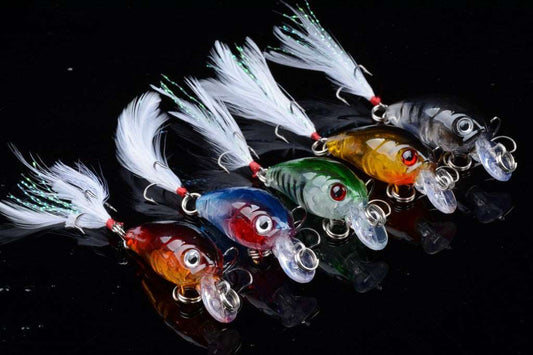
Lure choice is easier when you narrow it down by target species, water depth, current, likely prey and retrieve style. Hard-body lures, surface lures, soft plastics and metal lures each suit different situations, and lure weight also needs to work with your rod, reel and line setup.

Browse Fishing Lures to compare lure styles, sizes, actions and weights for different fishing conditions. Check the individual lure specifications against your tackle setup before ordering.

Fishing Tackle and Rigging

Fishing tackle includes the line, leader, hooks, swivels, weights, tools, storage and other components that connect the angler to the lure or bait. Match line strength, leader material, hook size and terminal tackle to the fishing method rather than choosing every component independently.

Explore Fishing Tackle for tackle and rigging products. Check line ratings, dimensions, pack quantities and compatibility on each product page, especially when combining components from different systems or brands.

Lure Components and Custom Rigging

Replacement hooks, assist components, skirts and other lure-building parts can be useful for maintenance or custom rigging. Size, wire gauge, attachment method and intended use matter because a component that physically fits is not automatically the right match for the lure or target fish.

Browse Lure Components when you are repairing or modifying a lure setup, and compare the individual component specifications before rigging.

Boat Covers and Storage Protection

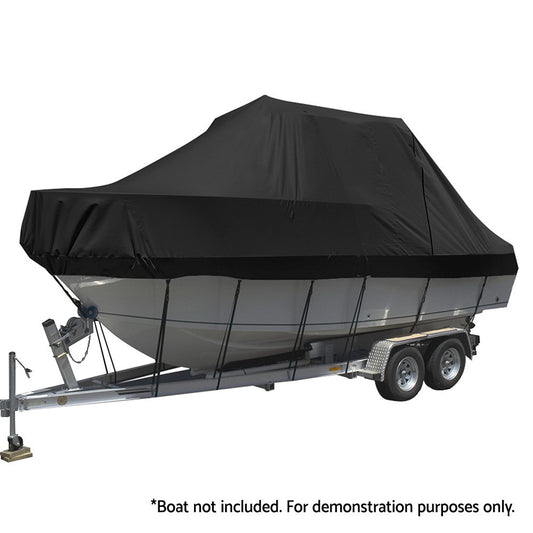
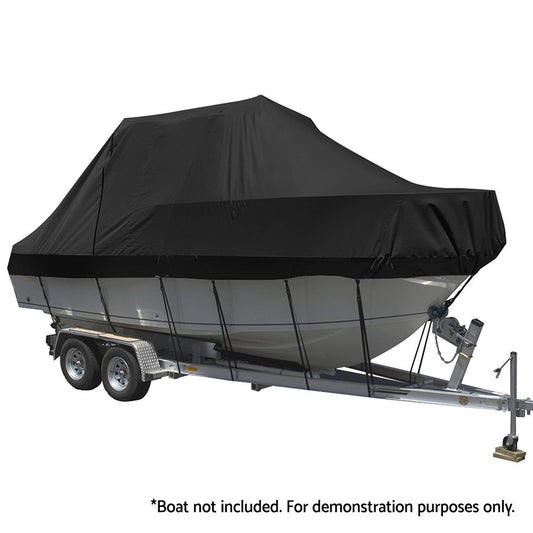
A boat cover helps protect a stored boat from weather, dust and debris, but fit and intended use matter. Measure the boat according to the cover instructions and account for beam, consoles, windscreens, rails and other fittings that can affect the shape.

See Boat Covers and check whether a particular cover is intended for storage, trailering or both. Securing methods, material specifications and fit ranges vary by model, so avoid choosing from boat length alone.

Boat Seats and On-Water Comfort

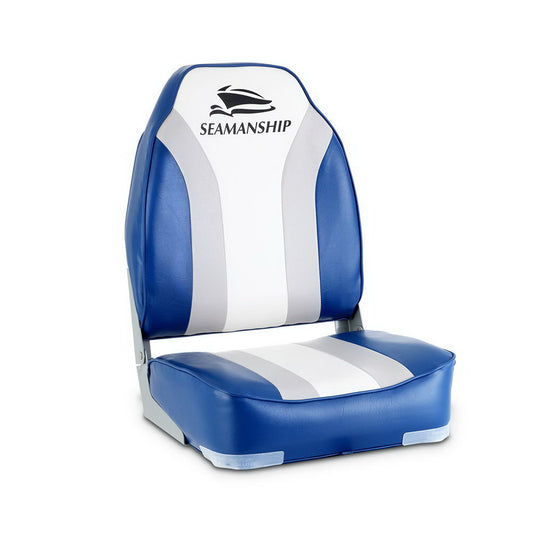
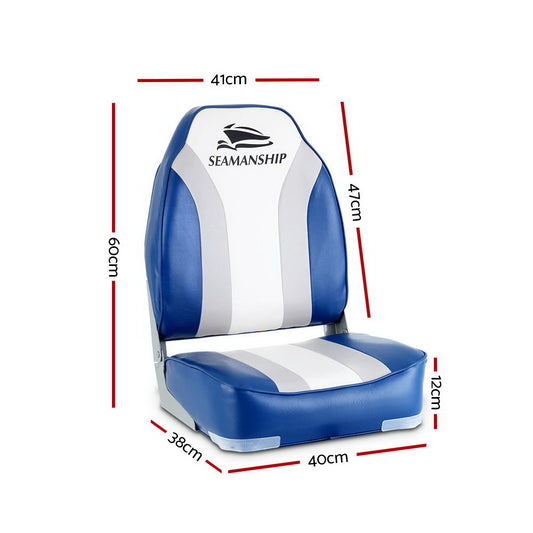
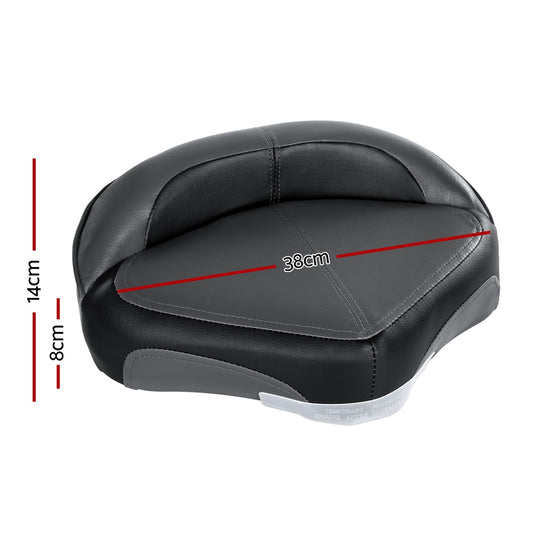
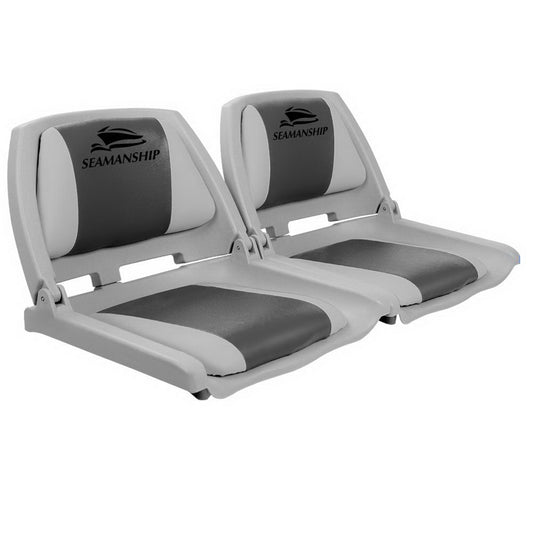
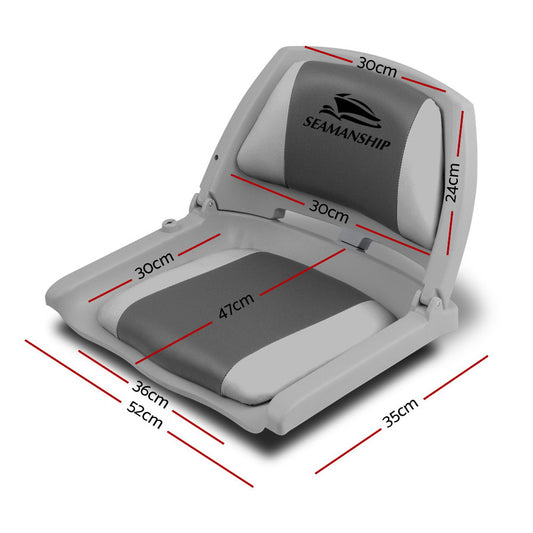
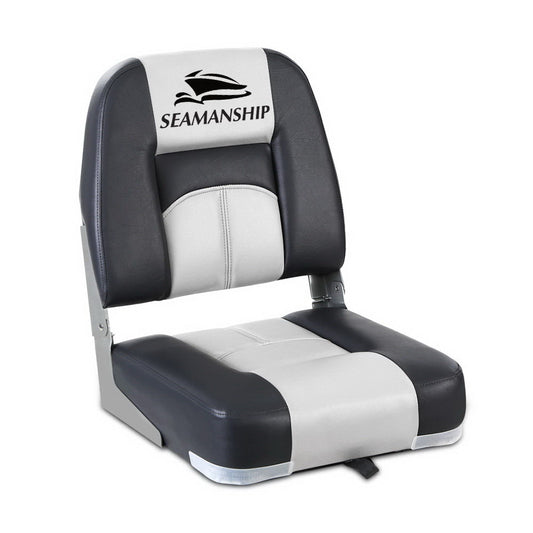
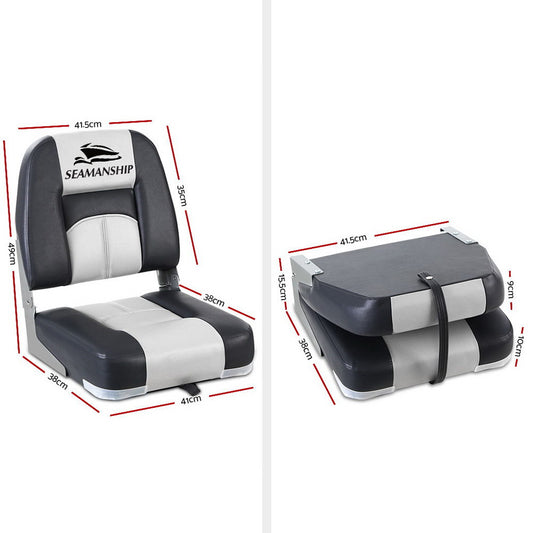
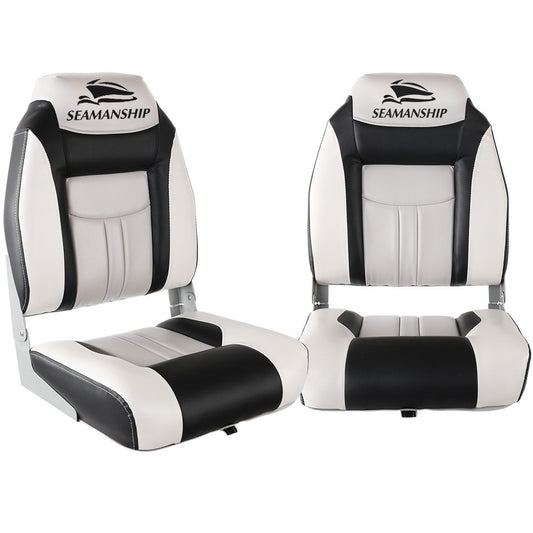
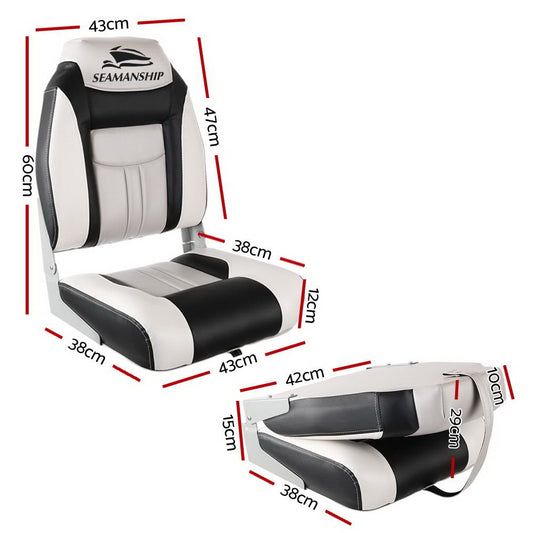
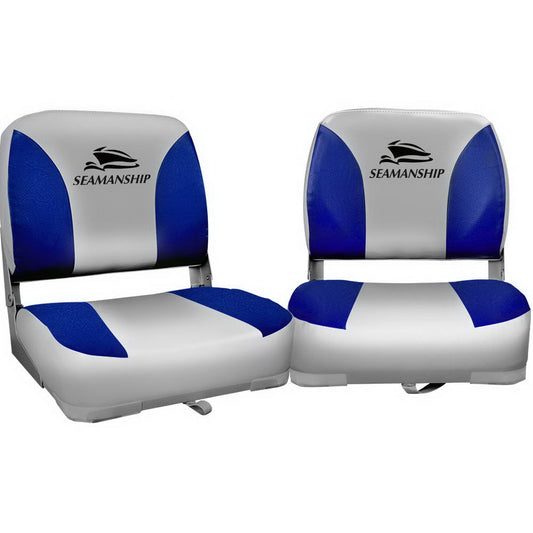
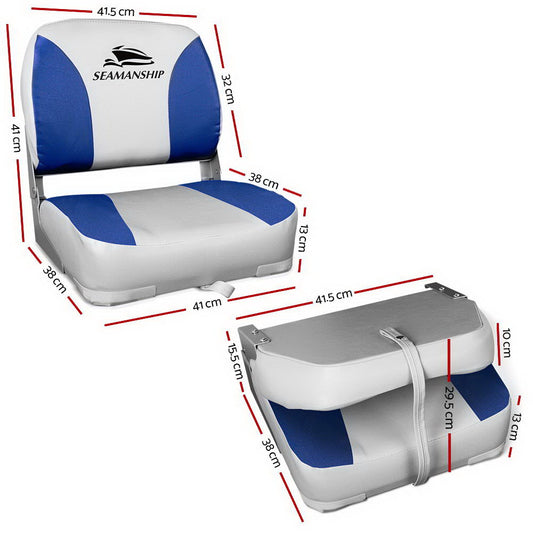
Replacement boat seating should suit both the available space and the mounting system. Compare seat dimensions, mounting pattern, pedestal or base compatibility, folding or swivel function and clearance around controls, storage compartments and walkways.

Browse Boat Seats for the current seating range. Confirm the mounting requirements before ordering, and make sure the final installation is secure and suitable for the way the seat will be used.

EVA Foam Boat Flooring

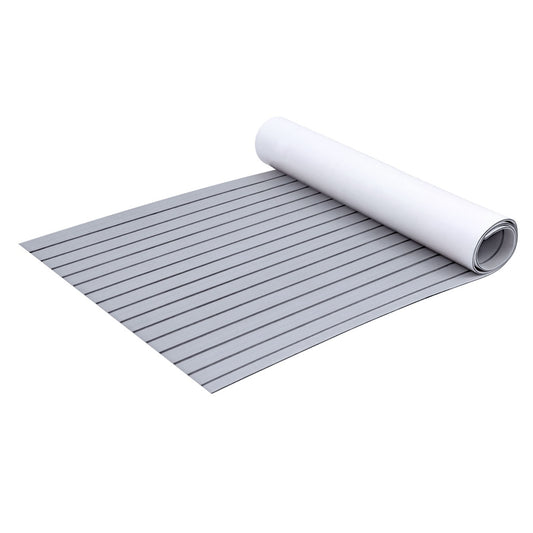
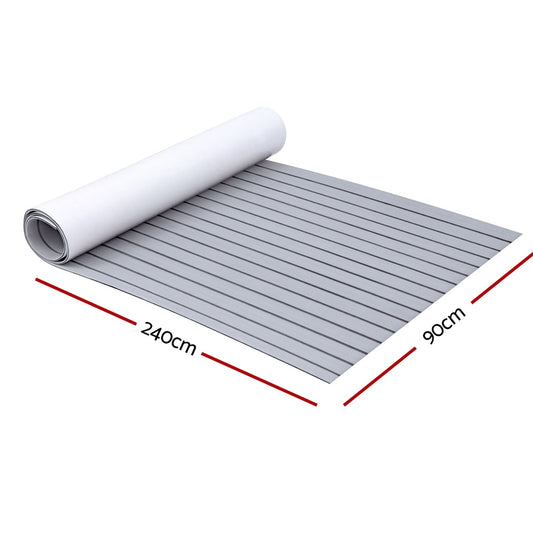
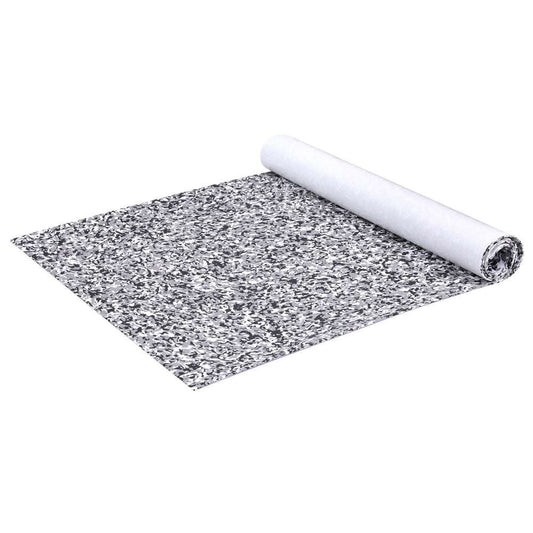
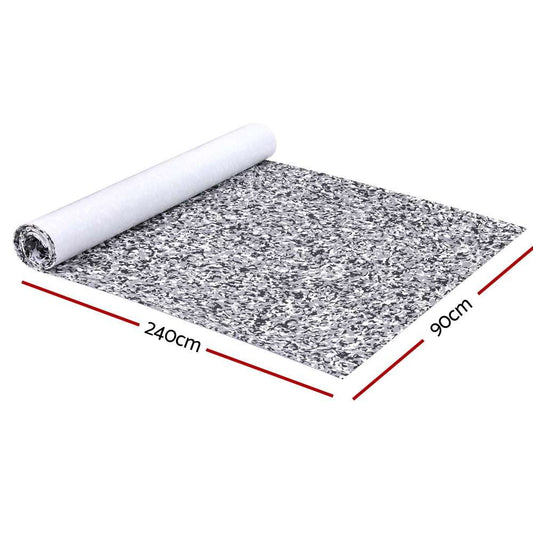
EVA foam marine flooring can add a cushioned surface to suitable boat decks and is available in different sheet sizes, patterns and edge treatments. Installation quality depends heavily on accurate measuring, surface preparation, cutting and adhesion.

Explore EVA Foam Boat Flooring for sheets and related flooring pieces. Check thickness, dimensions, backing and surface-preparation instructions for the specific product rather than assuming every EVA sheet installs the same way.

Boating Accessories

General boating accessories can cover storage, deck hardware, convenience items and other equipment used around the boat. Prioritise accessories that solve a practical need without obstructing controls, access, drainage, movement around the deck or required safety equipment.

Browse Boating Accessories and compare dimensions, materials, mounting method and compatibility with your existing setup.

Vehicle & Marine Care

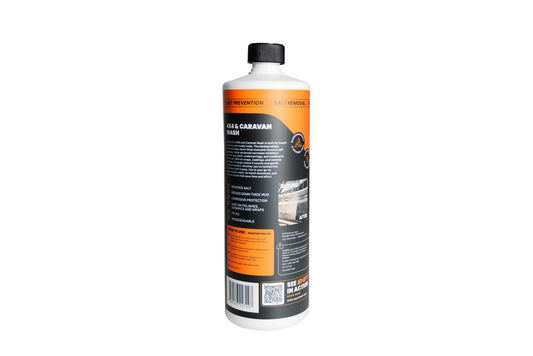
Salt, mud, fish residue, sunscreen and general grime can build up quickly around fishing and boating equipment. Prompt cleaning and proper drying can make routine maintenance easier, but different surfaces and products need different care.

Explore Vehicle & Marine Care for cleaning and aftercare products. Follow the directions on both the cleaning product and the surface or equipment being treated, particularly with painted, coated, rubber, plastic, fabric and electronic components.

Plan for Weather, Water and Sun

Conditions on the water can change quickly, so choose clothing and gear around the forecast, exposure and trip duration. Carry adequate drinking water and sun protection, keep weather-sensitive equipment protected, and make sure loose tackle and accessories cannot become hazards if the boat moves suddenly.

Before departure, check current weather and marine conditions and the safety requirements that apply to your vessel and local waters. Requirements can vary by location, vessel type and operating area, so use the relevant maritime authority as the source for current rules.

Check Fitment, Ratings and Compatibility

Many fishing products are broadly compatible, but boat accessories are often more dependent on dimensions, mounting patterns or the existing setup. Measure the installation area and check any stated model, length, beam, base, fitting or mounting requirements before purchase.

For line, hooks, rigging, seats, covers, flooring and hardware, use the individual product specifications rather than assuming products with similar names share the same rating or fitment. Where installation affects the vessel structure, controls, electrical system or other critical equipment, follow the boat and equipment manufacturer's requirements.

Clean, Dry and Store Gear Between Trips

Rinse or clean saltwater-exposed gear where the product instructions allow it, remove debris, dry equipment thoroughly and store tackle away from unnecessary moisture. Check hooks, line, leaders, fasteners, cover straps, seating hardware and deck products for wear before the next trip.

Do not apply one cleaning method to every item. Reels, electronics, coated surfaces, fabrics, plastics and adhesives can respond differently to chemicals, pressure and heat, so use care instructions that are appropriate for the specific product.

Common Fishing & Boating Gear Mistakes to Avoid

  • Buying a lure because of colour alone without considering species, depth, lure weight and fishing method.
  • Mixing line, leader, hooks and terminal tackle without checking how the components work together.
  • Choosing a boat cover from overall length alone and ignoring beam, consoles, rails or intended storage and trailering use.
  • Ordering a replacement seat without checking dimensions, mounting pattern and pedestal or base compatibility.
  • Installing EVA flooring without careful surface preparation, measuring and product-specific adhesion instructions.
  • Adding accessories where they obstruct controls, walkways, drainage or access to safety equipment.
  • Assuming a product is suitable for saltwater, trailering, load-bearing or permanent installation without checking its specifications.
  • Storing tackle, fabrics or marine equipment while wet or contaminated with salt and grime.
  • Treating convenience accessories as a substitute for the safety equipment required for the vessel and local waters.

Explore Fishing & Boating Collections

Go straight to the specialist range you need: Boating Accessories, Boat Covers, Boat Seats, EVA Foam Boat Flooring, Fishing Lures, Fishing Tackle, Lure Components and Vehicle & Marine Care.

Product note: Dimensions, fitment, materials, line and hook ratings, mounting requirements, care instructions and included hardware vary by product. Check the individual product page and your boat, trailer or equipment requirements before ordering or installation.

Safety note: Boating conditions and legal safety requirements vary by location, vessel and operating area. Check current weather and marine conditions, carry the safety equipment required for your trip, secure loose gear and follow the vessel and equipment instructions.

Guide reviewed: August 2026.

Frequently Asked Questions

What boating accessories are useful for fishing trips?

Useful accessories depend on your boat, fishing style and where you launch. Practical additions can include organised tackle storage, comfortable seating, deck or floor protection, weather covers and cleaning gear for use after the trip. Keep required safety equipment separate from convenience accessories, and check the current maritime requirements that apply to your vessel and local waters.

What should I pack for a day on the boat?

Pack for the boat, conditions and distance from help. Along with your fishing gear, plan drinking water, sun protection, suitable clothing, food, communications and the safety equipment required for your vessel and local waters. Check the weather, marine conditions, fuel, battery status and current local boating requirements before departure.

What fishing lures should beginners use?

A small selection is usually easier to learn than a large tackle box. Choose lures that suit the species, water depth and retrieve you expect to fish. Soft plastics, small hard-body lures, metal lures and surface lures each cover different situations, so check lure weight and hook size against your rod, reel, line and target fish.

How do I choose the right fishing lure?

Start with the species, likely prey, water depth, current, clarity and how you want to retrieve the lure. Then compare lure type, size, weight, action and diving or sinking behaviour with your tackle setup. There is no single lure that suits every location, and local conditions can matter as much as colour or pattern.

Are fishing shirts good for sun protection?

They can be, but protection varies by garment. Check the individual shirt for a stated UPF rating, coverage and fabric details rather than assuming every fishing shirt provides the same protection. A long-sleeve shirt can form part of a broader sun-protection setup alongside a hat, sunglasses, shade and sunscreen used as directed.

What is the difference between fishing tackle and fishing lures?

Fishing tackle is the broader term for the equipment used to rig and fish, including line, leader, hooks, swivels, weights, tools and storage. Lures are artificial baits designed to attract a strike. A complete setup needs the lure or bait to work with the rod, reel, line, leader and terminal tackle being used.

How do I choose the right boat cover size?

Measure the boat as required by the cover manufacturer and compare the stated length, beam and boat style with your vessel. Allow for consoles, windscreens, rails and other fittings that affect fit. Also check whether the cover is intended for storage, trailering or both, because securing methods and fit requirements can differ.

How do I choose a replacement boat seat?

Check the available space, seat dimensions, mounting pattern and the pedestal or base already fitted to the boat. Folding, swivel and fixed seat designs suit different layouts. Confirm compatibility with the individual seat and mounting hardware before ordering, and make sure the finished installation is secure for its intended use.

Is EVA foam suitable for boat flooring?

EVA foam is commonly used as a lightweight marine-decking surface and can add cushioning underfoot. Sheet thickness, adhesive backing, surface texture, dimensions and installation requirements vary by product. Prepare the deck exactly as instructed and check that the selected material and adhesive are suitable for the surface and conditions on your boat.

How should I clean fishing and boating gear after saltwater use?

Follow the care instructions for each product. In general, remove salt and grime promptly using fresh water where appropriate, clean compatible surfaces with suitable products and dry equipment before storage. Reels, electronics, coated surfaces, fabrics and boat finishes can have different cleaning requirements, so avoid harsh chemicals or high-pressure cleaning unless the manufacturer permits them.

Popular at Just Camp

1 of 6