★★★★★

"Arrived earlier than quoted, Thank you Just Camp for the great service"

Ross

★★★★★

"Website was easy to navigate and I received my purchase promptly"

Brenda

★★★★★

"Purchased for a great price, service was excellent, postage very quick"

Lindy

★★★★★

"Great product and service A++"

Anthony

★★★★★

"My order arrived faster than expected and the quality was just as good as the big name brands"

Aaron

How to Choose a Caravan Cover for Outdoor Storage

Measure Your Caravan Before Choosing a Cover

Caravan cover sizing is not completely standard, so measure the van before choosing a size. Start with the dimensions requested by the individual cover manufacturer and compare them with the listed fitment range. The current range includes covers for smaller caravans through larger touring vans, plus dedicated trailer camper covers, but the measurement method can differ between product families.

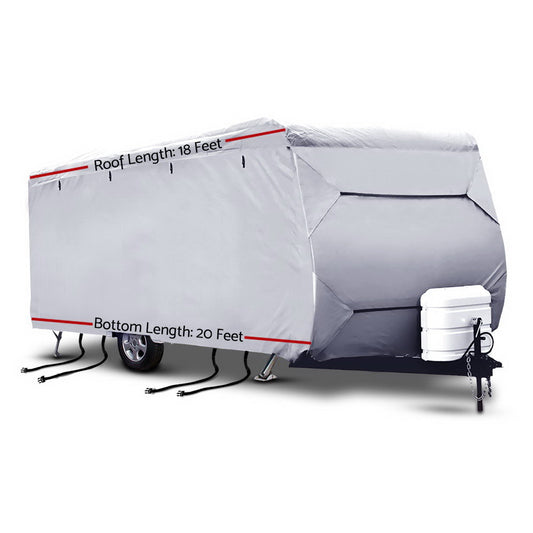
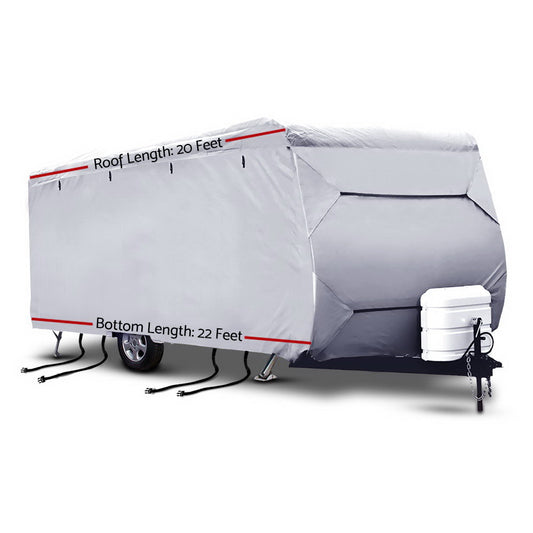
Roof Length vs Overall Length

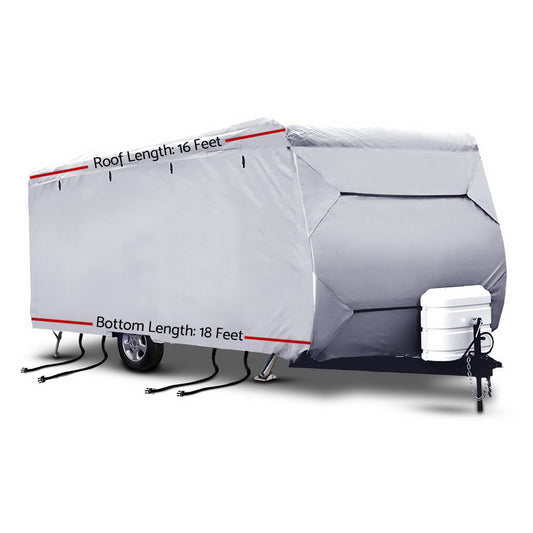
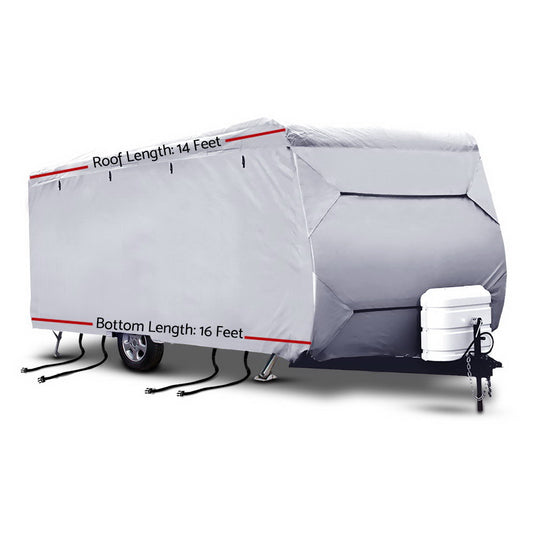
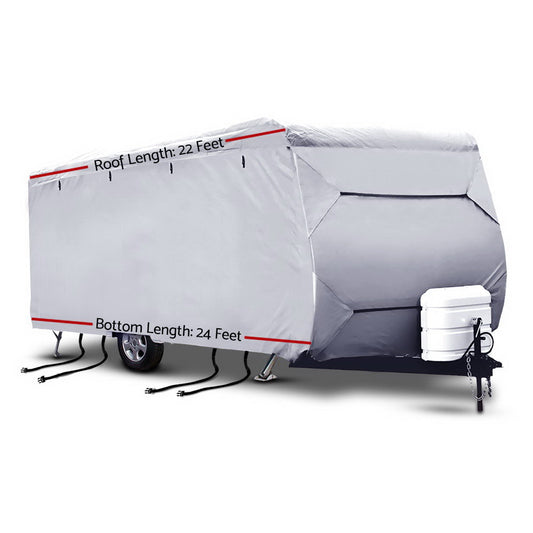
Some caravan covers are sized using roof length together with a maximum overall bottom length, while others use a broader overall length range. That difference matters when a drawbar, rear bumper, spare wheel or body shape changes the van's total dimensions. Follow the sizing method shown on the specific product page rather than assuming the nominal caravan length is the only measurement you need.

Check Height, Width and Accessories

Length is only one part of fitment. Compare the listed width and height with your caravan and consider rooftop air-conditioners, vents, aerials, ladders, awnings, bike racks and other fitted accessories that may affect how the cover sits. Avoid forcing a cover over sharp or protruding items, and check the manufacturer's guidance for any accessory that changes the normal body profile.

Waterproof vs Water-Resistant Covers

The current range includes products described as waterproof and others described as water resistant. These terms should not be treated as interchangeable. Choose according to the individual product specifications and the storage conditions you expect, and check the construction, seams, material and care instructions rather than assuming every caravan cover offers the same level of rain protection.

Why Breathability Matters

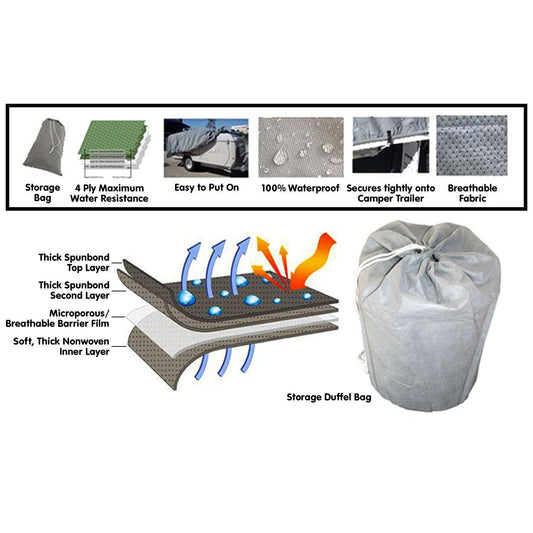
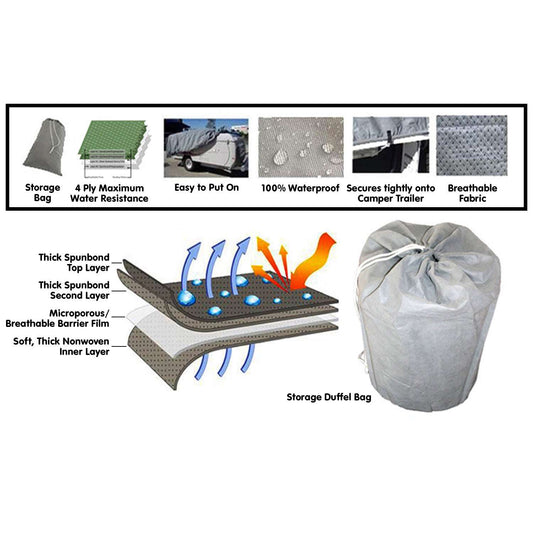
Many caravan covers in the range use breathable materials or ventilation features. Air movement can be useful during storage, particularly when the cover is fitted for longer periods, but a breathable cover is not a substitute for putting the caravan away clean and dry. Dry the van and cover before fitting and check the stored caravan periodically for moisture, debris or other changes.

UV Protection and Reflective Outer Layers

Outdoor storage can expose a caravan to prolonged sunlight, so UV-treated or UV-stable materials are a useful specification to compare. Selected covers also use reflective outer surfaces. Features vary by model, so check the individual product description for UV treatment, colour, outer-layer construction and any reflective finish rather than assuming they are shared across the whole range.

Side Zips and Access Panels

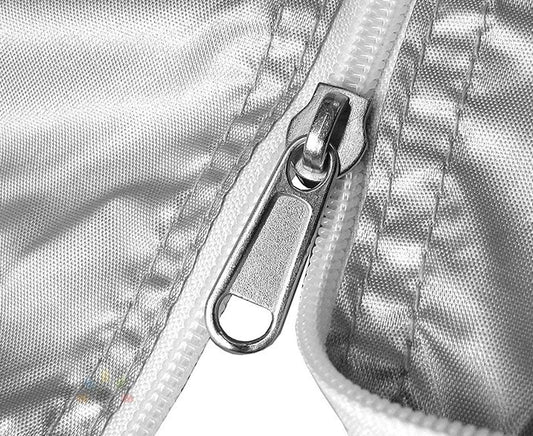
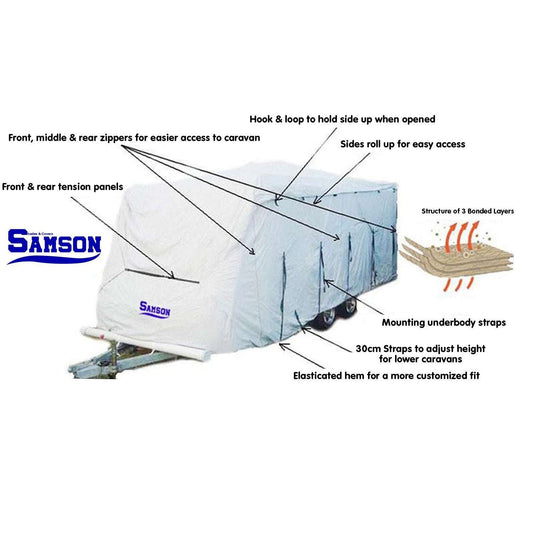
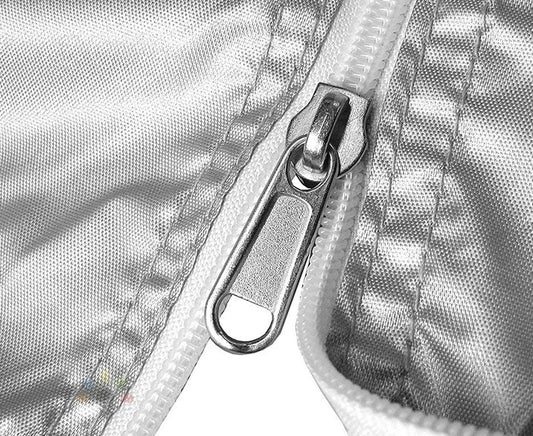
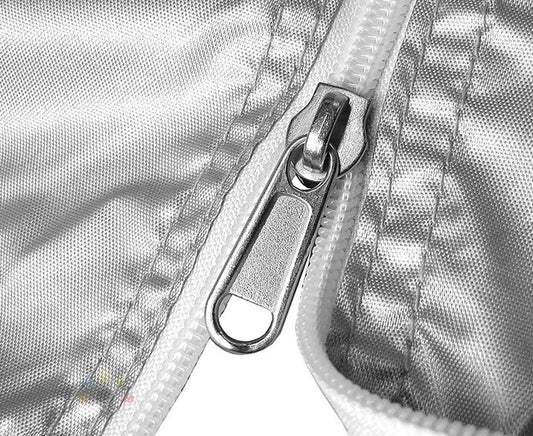
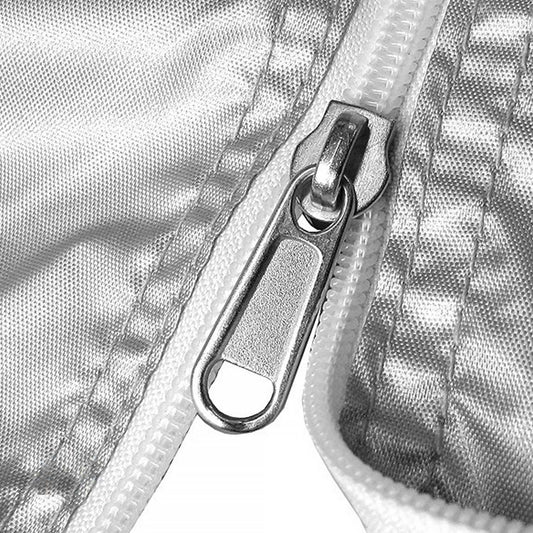
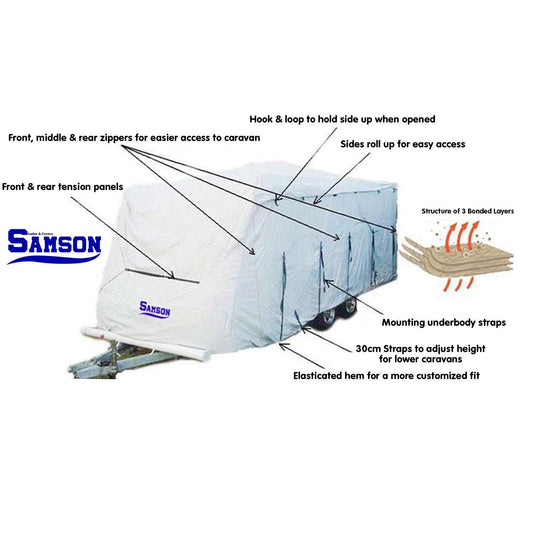
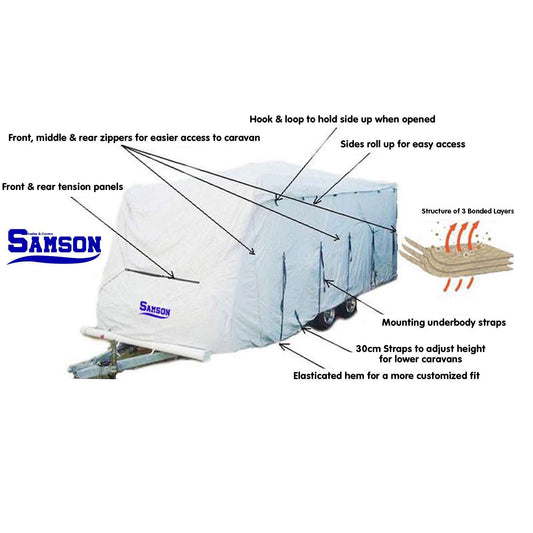
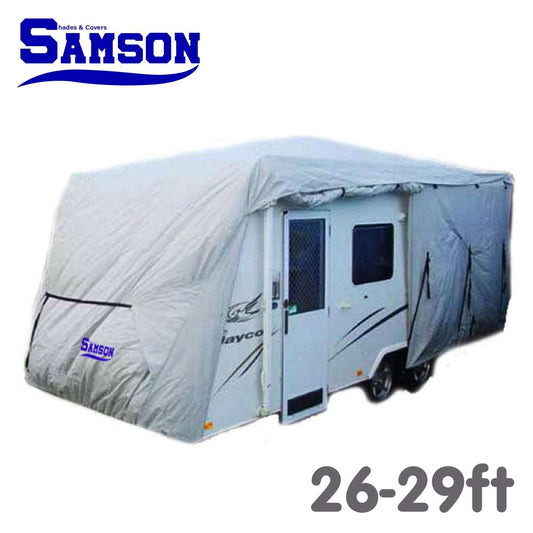
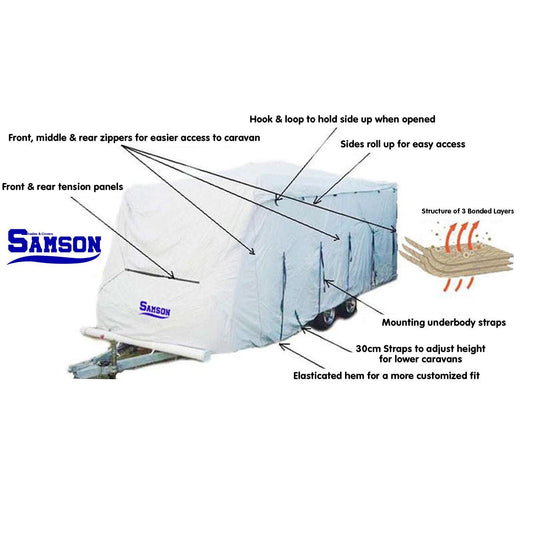
Selected covers include side zip panels or multiple zip openings so you can reach doors or hatches without removing the entire cover. The number and position of openings vary, and a zip panel is only useful if it lines up with your caravan's access points. Compare the product images, dimensions and zip configuration with your van before ordering.

Straps, Elastic Hems and Secure Fit

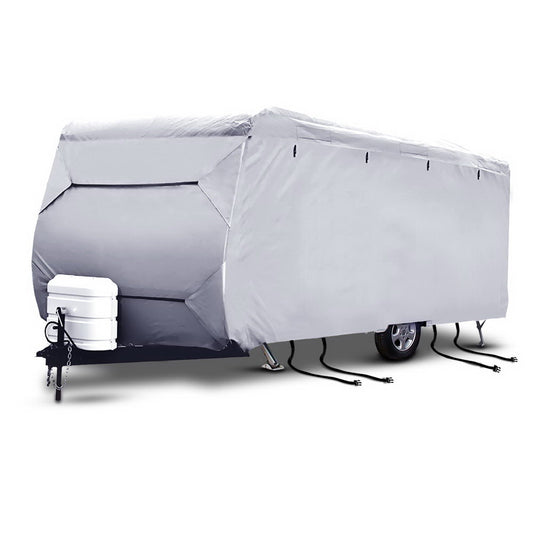
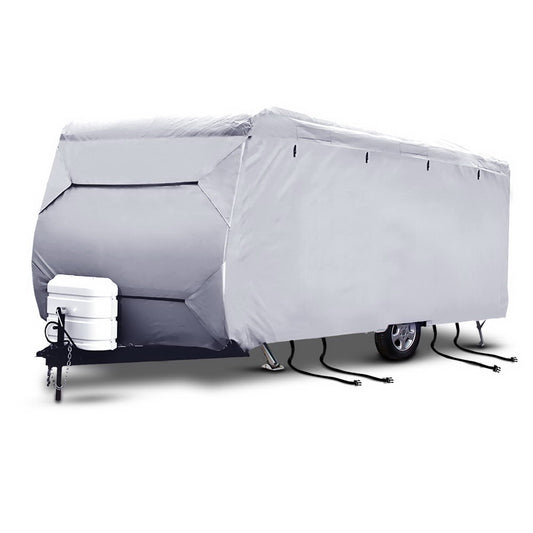
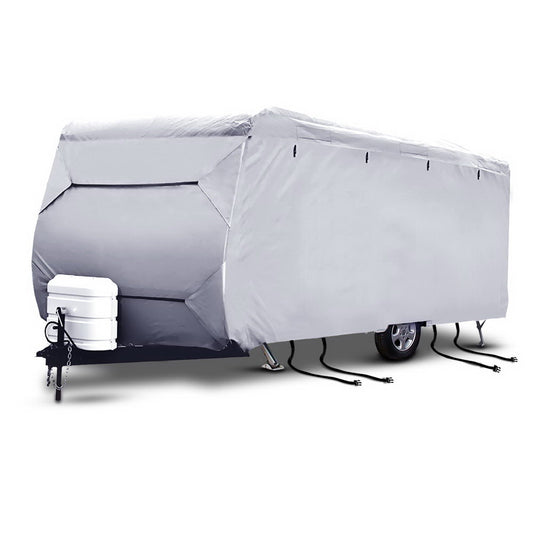
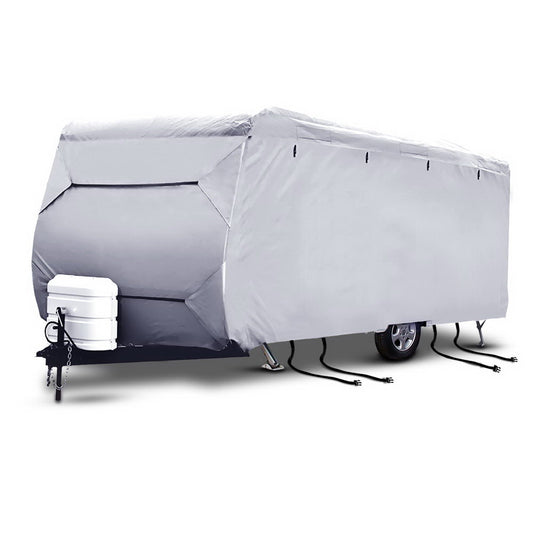
A correctly fitted cover should sit securely without excessive loose fabric. Depending on the model, the securing system may include adjustable underbody straps, buckles, quick-release clips, elastic hems, tension panels or other adjustment points. Use the complete securing system supplied with the cover and follow the fitting instructions so tension is distributed rather than concentrated in one area.

Reducing Rubbing and Chafe

Movement between a cover and the caravan can create wear at contact points. Before fitting, clean the caravan and the inside-facing surface of the cover, remove grit and debris, and check sharp edges or protruding accessories. Keep loose fabric under control using the cover's adjustment system and inspect high-contact areas periodically, especially during longer storage periods or after windy weather.

Fitting the Cover Before Storage

Fit the cover only when the caravan is ready for storage. Make sure exterior surfaces are cool, clean and dry, close or secure openings as required, and check that straps or clips will not interfere with plumbing, wiring, steps or other components underneath the van. Work around the caravan carefully and follow the manufacturer's fitting sequence rather than dragging the cover over sharp edges.

Wind and Weather Considerations

Wind can place significant load on a large fitted cover. Use all required straps and securing points, keep the fit neat, and inspect the cover after changing weather. If conditions exceed what the cover or its securing system is designed to handle, follow the manufacturer's guidance on adjustment or removal. A cover should not be relied on as structural storm protection.

Long-Term Storage Checks

If the caravan will remain covered for an extended period, check it periodically rather than treating the cover as a set-and-forget item. Look for loose straps, displaced fabric, trapped leaves or grit, moisture, abrasion points and damage to seams or fasteners. Refit or clean the cover as needed and continue to follow the product's storage and care instructions.

Caravan Covers vs Trailer Camper Covers

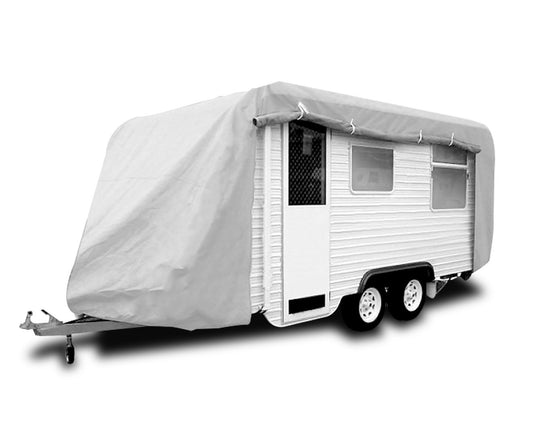
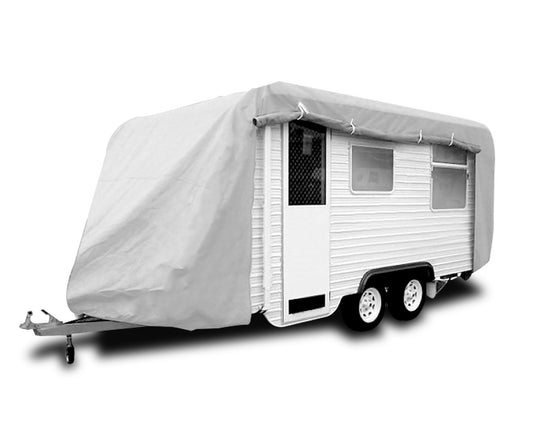
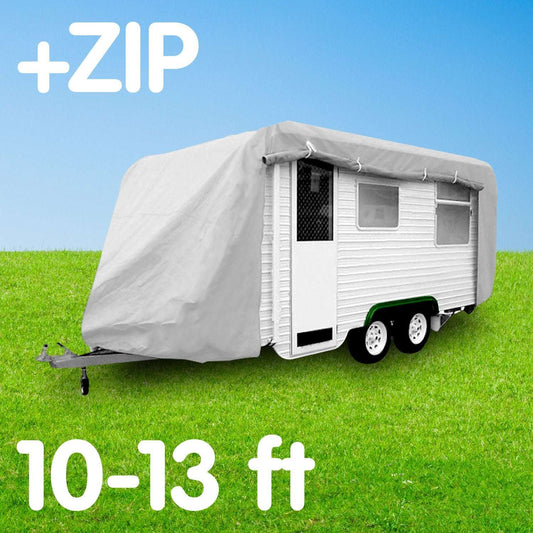
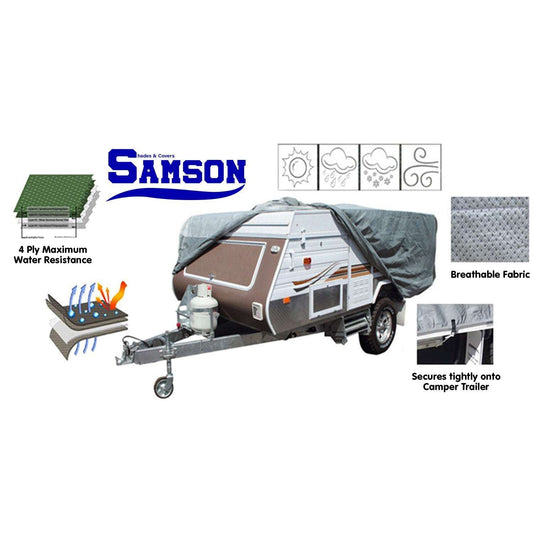
Full-height caravan covers and trailer camper covers are shaped and dimensioned differently. The current range includes dedicated trailer camper covers in smaller fitment brackets as well as caravan covers for larger full-height vans. Match the cover to the vehicle type, body shape, height and securing arrangement rather than using length alone to decide whether it will fit.

Cleaning and Storing the Cover

When the cover comes off, remove dirt and debris using the cleaning method recommended for its material and let it dry before packing it away. Inspect seams, zips, straps, clips, hems and any reinforced areas for wear. Store the cover dry in its bag or as otherwise recommended so it is ready for the next storage period.

Common Caravan Cover Mistakes to Avoid

  • Choosing a cover from the caravan's nominal length without checking the product's measurement method.
  • Ignoring width, height or accessories that change the caravan's overall profile.
  • Assuming every cover in the range is waterproof when some models are listed as water resistant.
  • Fitting a cover over a dirty, wet or still-hot caravan.
  • Leaving sharp accessories or grit where they can rub against the cover or bodywork.
  • Leaving excess fabric loose instead of using the supplied straps, clips, hems or tensioning system.
  • Assuming side-access zips will align with every caravan door or hatch.
  • Using a full-height caravan cover on a trailer camper without checking the intended fitment.
  • Leaving a covered caravan unchecked for an extended storage period.
  • Packing the cover away damp or without inspecting zips, seams and securing hardware.

Explore More Caravan Gear

Preparing a caravan for storage is only one part of touring ownership. Browse Caravan Gear for the wider range of touring, setup, water, power, storage and caravan care equipment.

Product note: Cover sizes, measurement methods, materials, waterproof or water-resistant ratings, UV treatment, breathability, zip access, straps, clips, hems and included storage bags vary by model. Check the individual product specifications and fitment guidance before ordering.

Safety note: Follow the cover manufacturer's fitting, securing and care instructions. Allow hot surfaces and equipment to cool before covering, keep the van and cover clean and dry, avoid forcing material over sharp protrusions, and inspect the fit and securing points during storage.

Guide reviewed: August 2026.

Frequently Asked Questions

Do caravan covers protect against sun and rain?

Yes. Caravan covers can help protect against sun, rain, dust, leaves and general outdoor exposure, but the level of protection varies by cover. Some are waterproof and others are water-resistant, so compare the material, UV treatment, weather rating and fit for your caravan.

How do I choose the right caravan cover size?

Measure your caravan using the method specified for the cover you are considering. Sizing conventions vary: some models refer to roof length and overall bottom length, while others use an overall fitment range. Also check width, height and how awnings, ladders or other accessories affect fit. Use the individual product sizing information rather than relying on the caravan's nominal length alone.

Are caravan covers worth it?

A caravan cover can be useful when a van is stored outdoors between trips and you want an extra barrier against sun, rain, dust, leaves and general exposure. The benefit depends on choosing the correct size, material and securing system, fitting it properly and checking it periodically during storage.

What is the difference between waterproof and water-resistant caravan covers?

Waterproof and water-resistant describe different levels of moisture protection. Just Camp carries caravan covers with both types of rating, so check the individual cover's material, seams, ventilation and weather-resistance specifications before choosing.

Should a caravan cover be breathable?

Breathable caravan-cover materials can help ventilation around a stored van, and many covers are designed with this in mind. The caravan and cover should still be clean and dry before fitting, and the cover should be installed and maintained according to its instructions.

Can I leave a caravan cover on for long-term storage?

A cover designed for outdoor storage can be used for extended storage when fitted and maintained as instructed. Check the van and cover periodically, keep the cover secured, inspect straps and contact points, remove trapped debris and make sure the caravan remains dry and ventilated. Follow the individual cover manufacturer's guidance for storage duration and weather conditions.

Can I access my caravan door while the cover is fitted?

Some caravan covers include side zip panels or multiple zip openings so you can access the door without removing the whole cover. Check the zip layout and access-panel position against your caravan before ordering.

How do I secure a caravan cover in windy conditions?

Use the straps, buckles, clips, elastic hems or tensioning system supplied with the cover and follow the manufacturer's fitting instructions. A cover should be secure without excessive loose fabric or overtightening. Inspect the fit after changing weather, and if conditions exceed what the cover or securing system is designed to handle, follow the manufacturer's guidance on removal or adjustment.

How do I stop a caravan cover rubbing against the van?

Start with a clean, dry caravan and a correctly sized cover. Remove grit or debris, check protruding accessories and other contact points, and secure loose fabric using the cover's adjustment system. Inspect chafe-prone areas during storage and follow any protective-padding or fitting guidance supplied by the cover manufacturer.

Can I use a caravan cover on a trailer camper?

Use a cover designed for the type and dimensions of camper you are storing. Just Camp carries dedicated trailer-camper covers as well as full-height caravan covers, so compare the listed length, width, height, body shape and securing system before choosing.

Popular at Just Camp

1 of 6