★★★★★

"Arrived earlier than quoted, Thank you Just Camp for the great service"

Ross

★★★★★

"Website was easy to navigate and I received my purchase promptly"

Brenda

★★★★★

"Purchased for a great price, service was excellent, postage very quick"

Lindy

★★★★★

"Great product and service A++"

Anthony

★★★★★

"My order arrived faster than expected and the quality was just as good as the big name brands"

Aaron

How to Choose a Camping Tarp for Shelter, Shade and Ground Cover

Start with What You Need the Tarp to Do

A tarp can solve very different campsite problems, so start with the job rather than the size alone. You might need a compact ground layer beneath a tent or swag, overhead shade, rain shelter, protection for gear or firewood, or a larger cover for equipment and outdoor storage. The best material, size and weight depend on that use.

Choose the Right Tarp Size

Measure the area you want to cover and allow for the way the tarp will be pitched or secured. Overhead shelters often benefit from extra material for slope, overlap and tie-down points, while a groundsheet beneath a tent or swag should stay within the shelter footprint so it does not collect runoff. Larger tarps provide more coverage but also take more space to carry, tension and store.

Poly Tarps for Versatile Camping Coverage

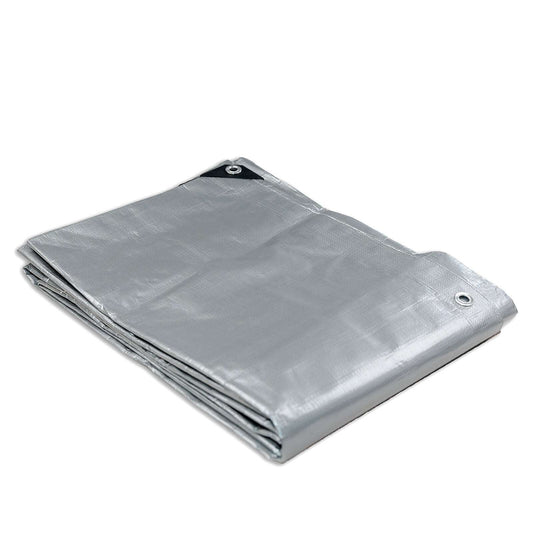
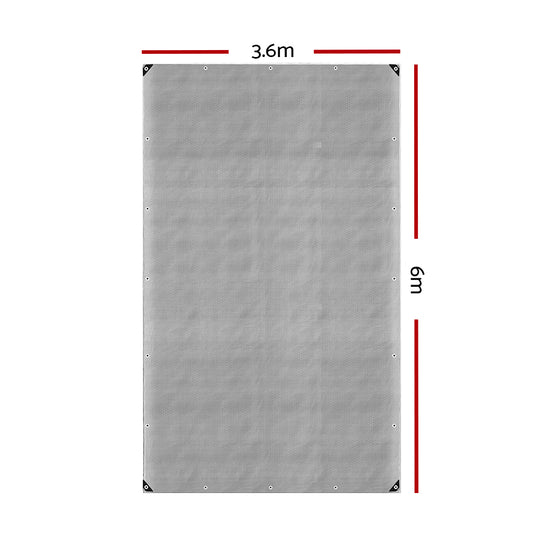
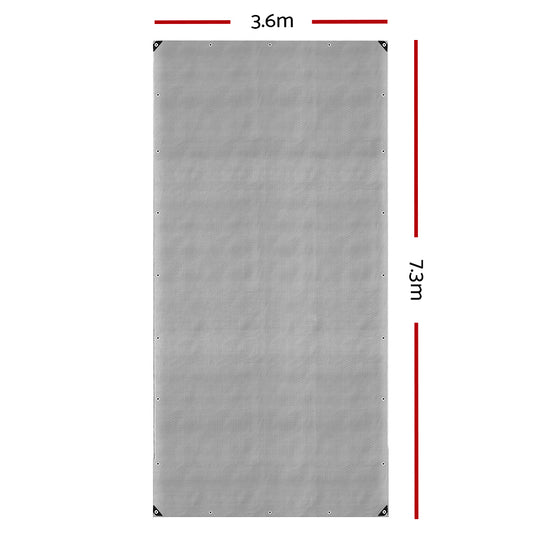
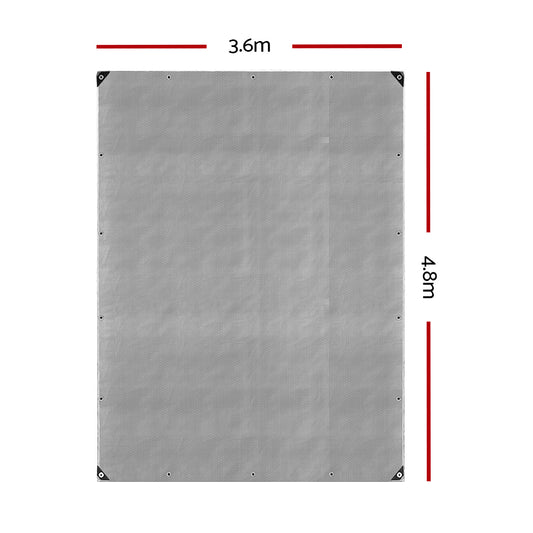
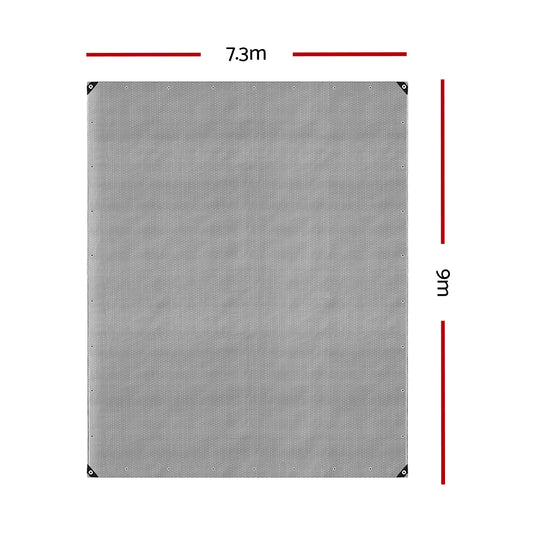
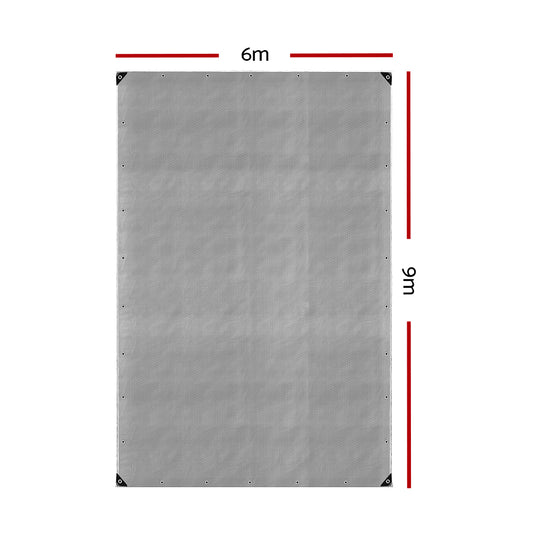
Polyethylene tarps are a practical option for many camping and outdoor jobs. The current range includes woven PE tarpaulins in compact through large sizes, with features such as waterproof coatings, UV resistance, reinforced hems, corners and eyelets varying by model. Compare the listed GSM, dimensions, eyelet spacing and overall weight to suit your setup.

Heavy Duty Canvas Tarps

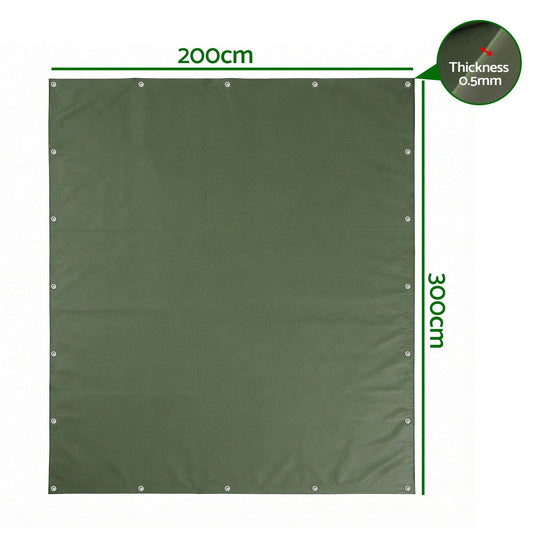
Canvas tarps provide a different balance of thickness, weight and packability from PE tarps. Selected current models use coated heavy duty canvas with reinforced eyelets. They can suit applications where a substantial cover is preferred, but they are generally heavier to carry and handle, so check the individual dimensions, GSM, coating, weight and included accessories.

Clear Tarps for Covered Light and Visibility

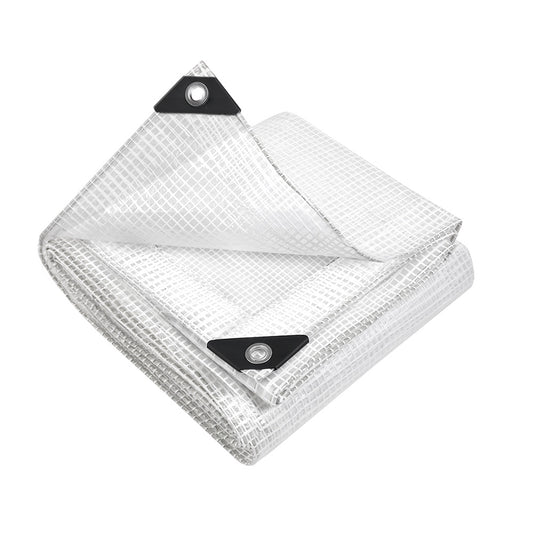
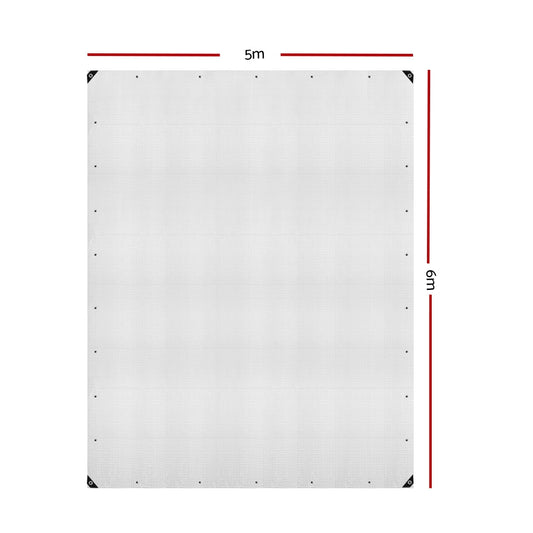
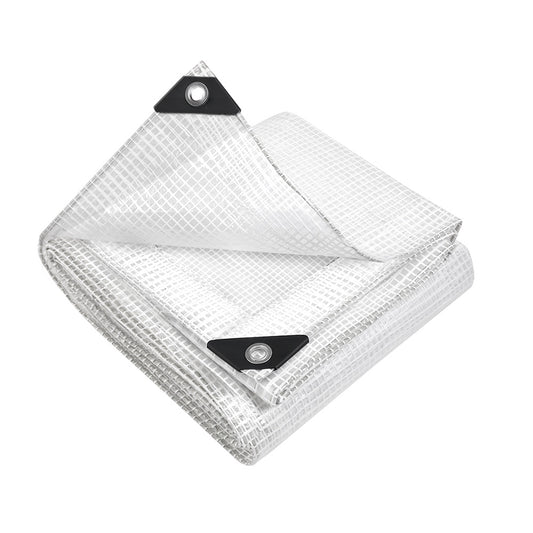
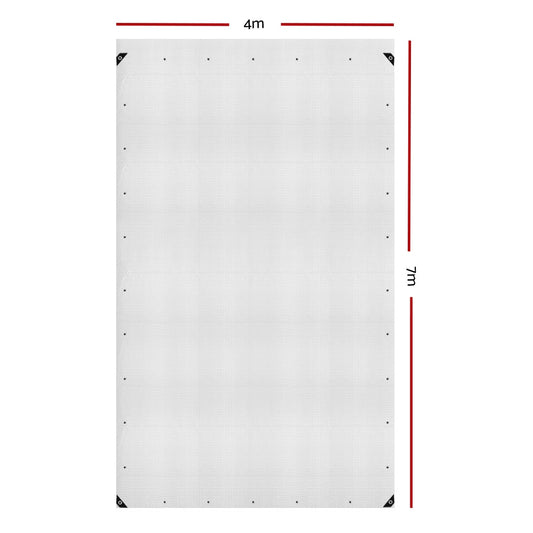
Clear PE tarps can be useful when you want weather coverage without fully blocking light or visibility. Current clear tarp options use polyethylene construction with reinforced tie-down points, but size, GSM, coatings and resistance features vary by model. Check the product specifications rather than assuming a clear tarp has the same construction as a silver or black tarp.

GSM, Weight and Packability

GSM means grams per square metre and describes the material weight over a given area. A higher GSM generally means more material weight, but it is not a complete measure of durability or suitability. Consider the fabric or weave, coating, seams, reinforcement, eyelets and the tarp's total size as well, especially if it needs to be carried or packed into limited space.

Eyelets, Reinforced Edges and Tie-Down Points

Eyelet spacing affects how many points you have to spread tension around the tarp. Reinforced hems, corners and eyelets can help manage load, but no attachment point should be treated as indestructible. Use suitable ropes or tie-downs, share the load across multiple points and avoid overtensioning a single eyelet or corner.

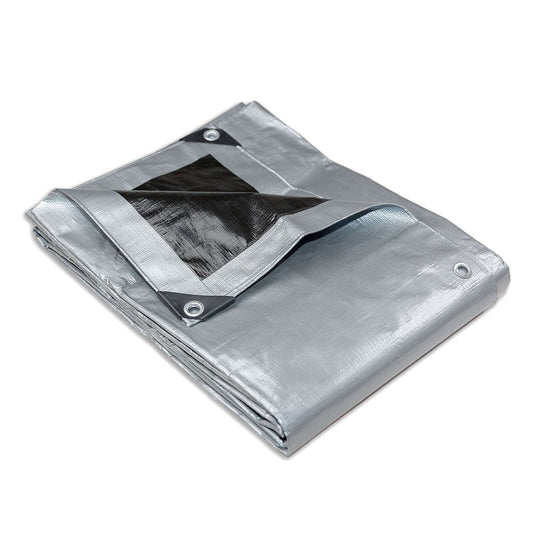
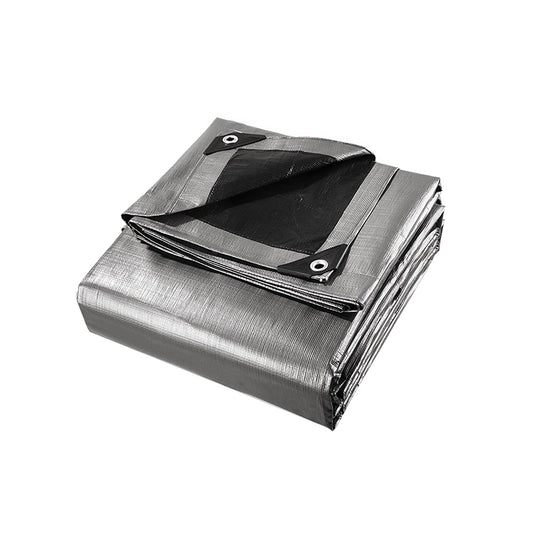
Silver and Black Dual-Sided Tarps

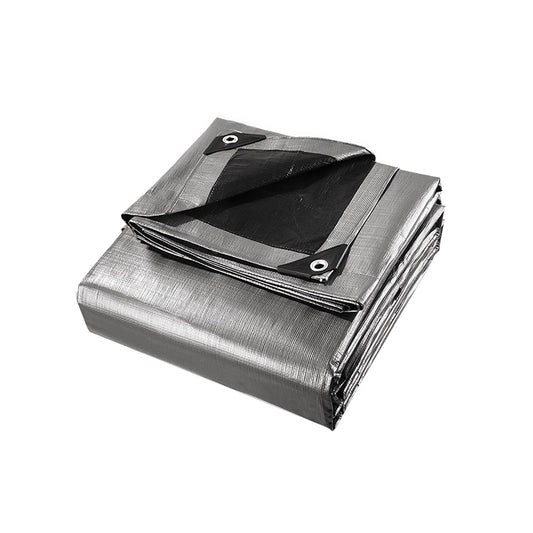
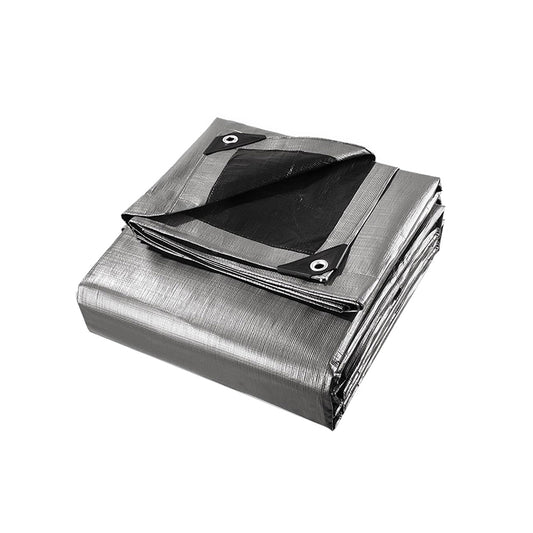
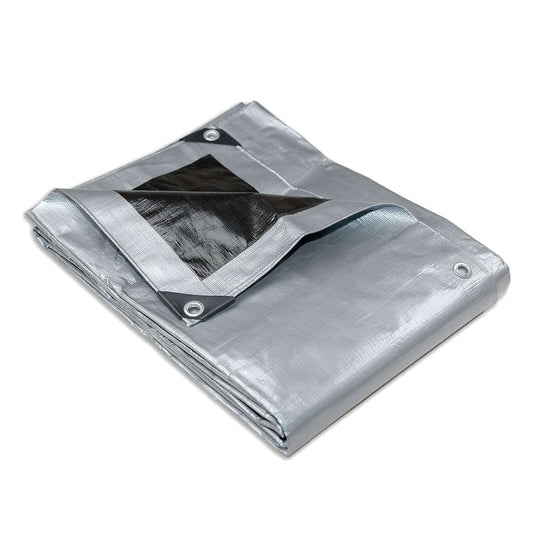
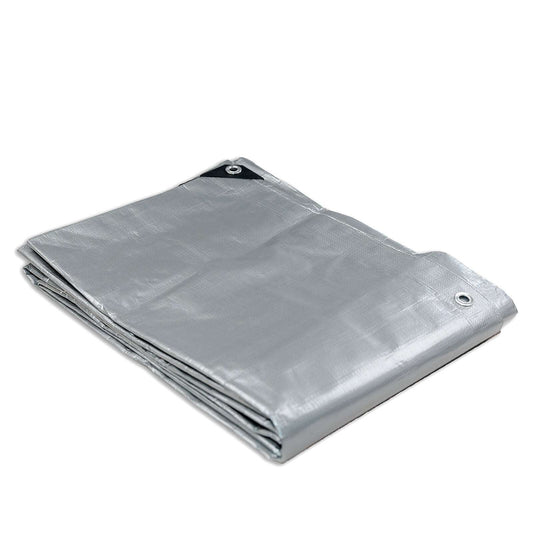
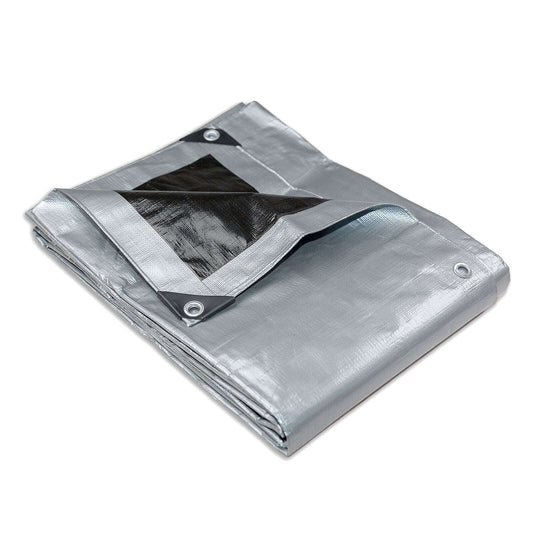
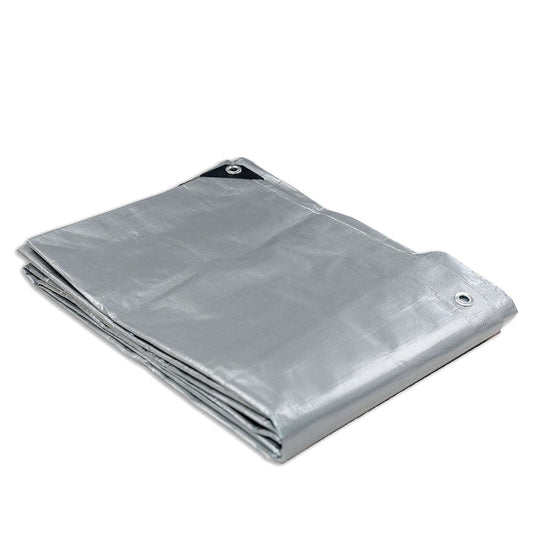
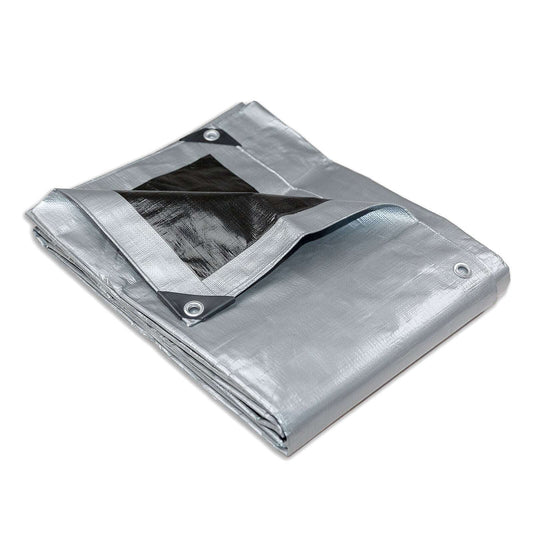
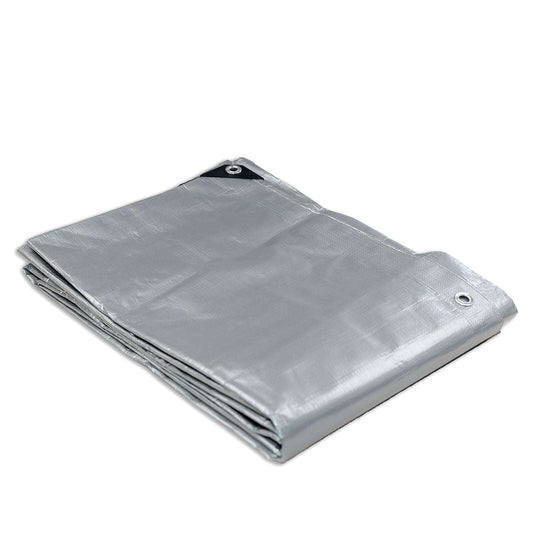
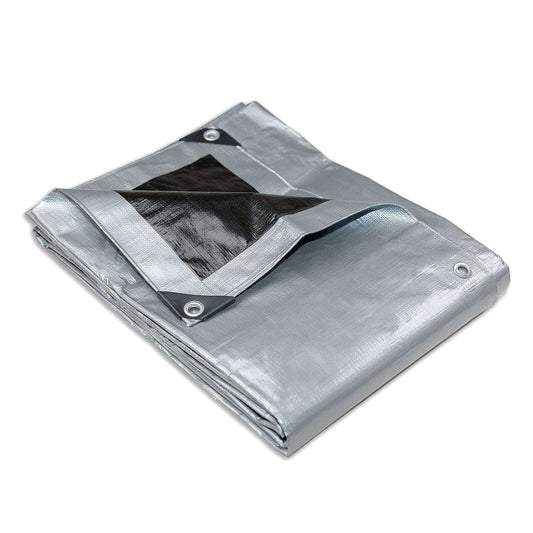
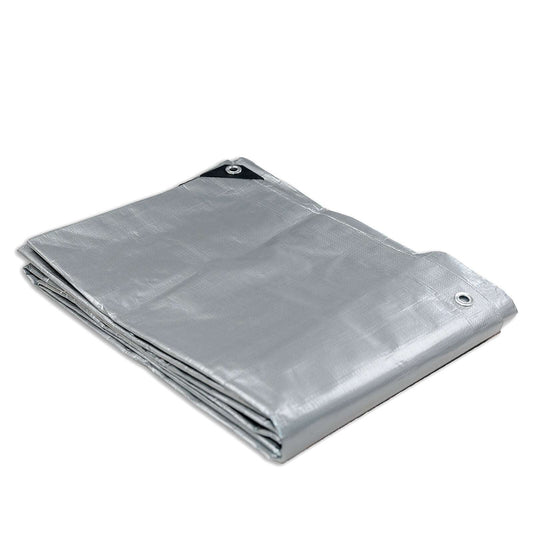
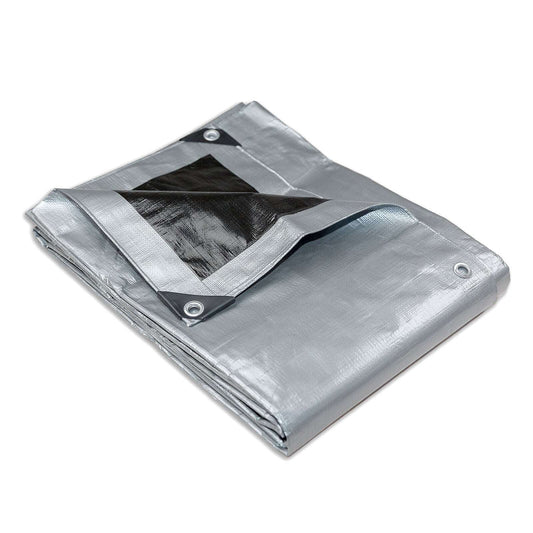
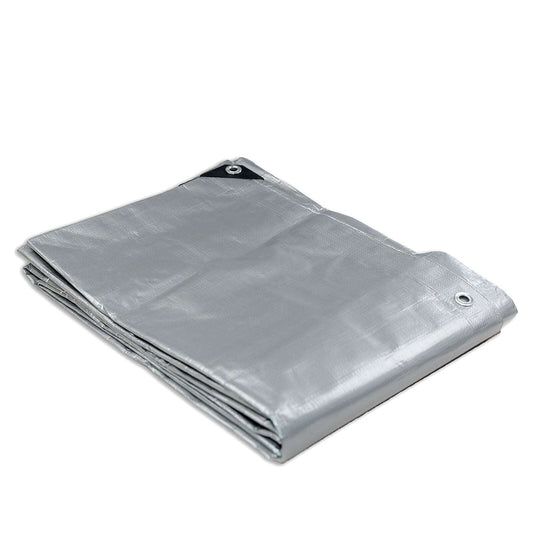
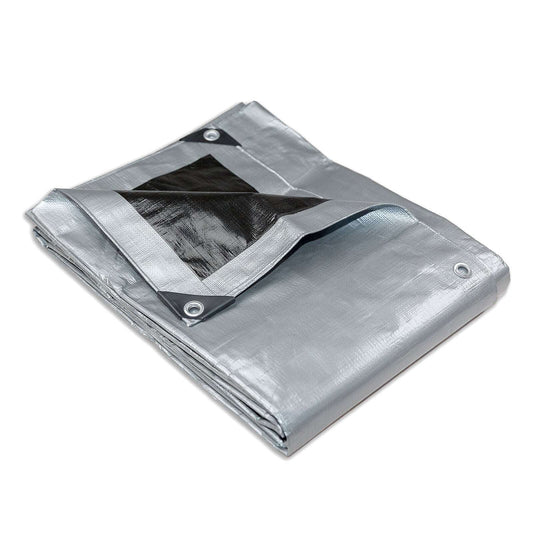
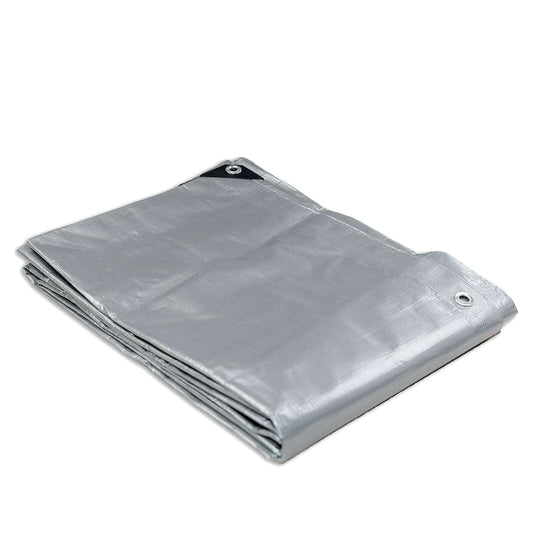
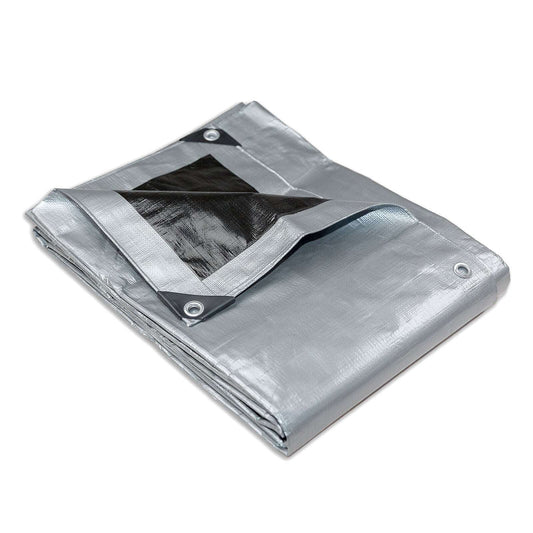
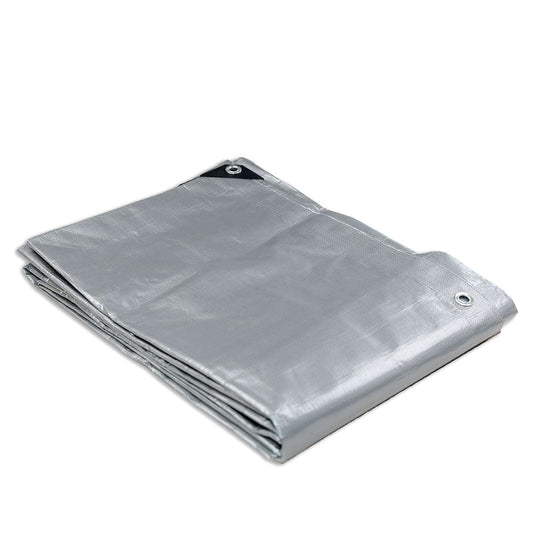
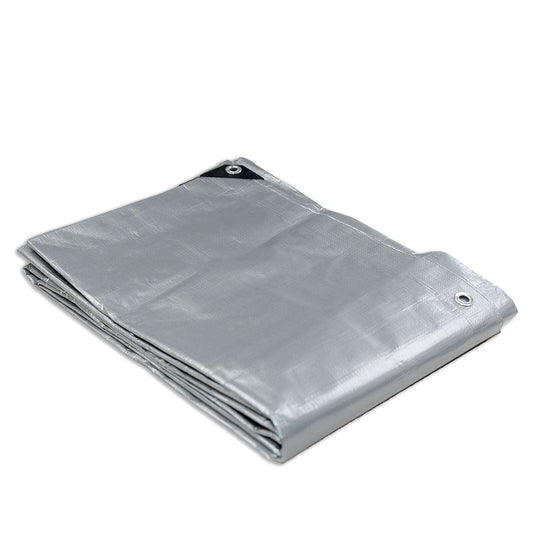
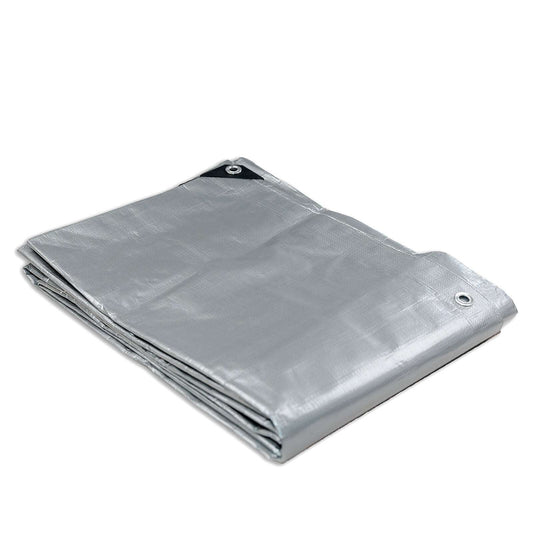
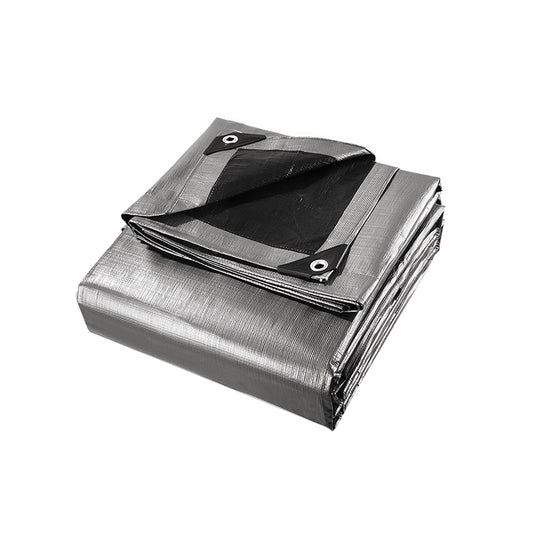
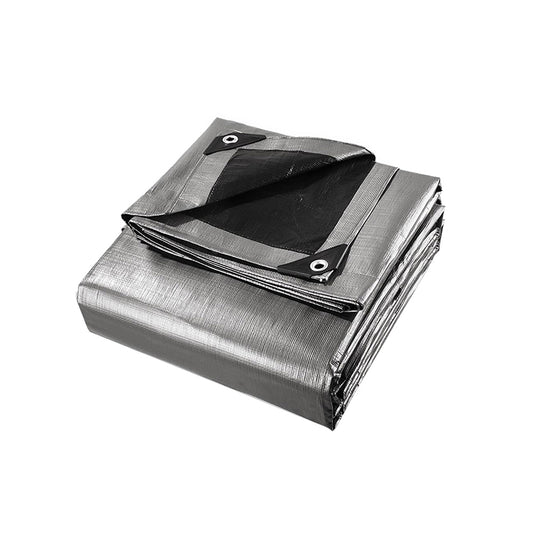
Selected PE tarps in the range use silver and black sides. This can be useful when you want a reflective outer surface or a darker underside, depending on the setup. Colour construction is model-specific, so check the individual product page before choosing a tarp for a particular shade, heat or light-management preference.

Using a Tarp Under a Tent or Swag

A suitable tarp can form a useful barrier between the shelter floor and dirt, damp ground or rough surfaces. Position it so the tarp does not extend beyond the tent or swag where rainwater can run onto it and pool underneath. Fold excess material inward if necessary, and follow the shelter manufacturer's setup and groundsheet guidance.

Rigging a Tarp for Shade or Rain

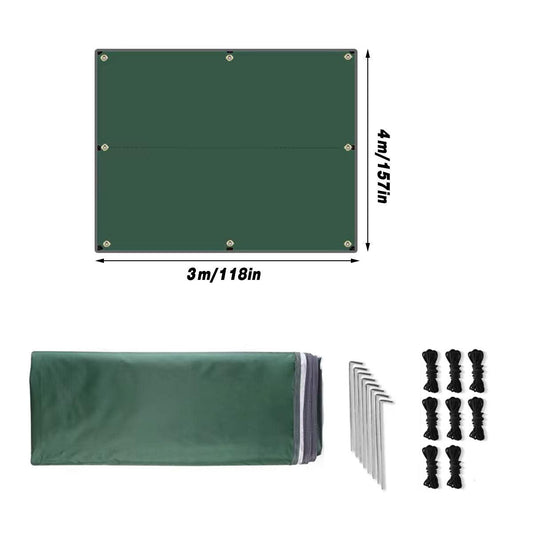
For overhead use, plan the pitch so water can drain rather than collect in a flat section. Use suitable anchor points, poles and ropes for the tarp and conditions, keep tension even, and leave enough clearance around doors, vehicles and cooking areas. A canopy-style product may include poles, ropes or pegs, while plain tarpaulins usually require a separate rigging setup, so check the inclusions.

Wind, Heat and Fire Safety

Wind can place high loads on a large tarp and its anchors. If conditions become stronger than the tarp, poles, ropes, pegs or campsite can safely handle, lower, adjust or take the shelter down. Keep tarps and guy lines clear of open flames, hot exhausts, heaters, stoves and other heat sources unless the product is specifically rated and the manufacturer permits that use. Do not assume a waterproof or heavy duty tarp is fire-resistant.

Cleaning and Storage

Remove dirt and debris using methods suitable for the listed tarp material and coating, and allow the tarp to dry before longer-term storage. Inspect eyelets, seams, hems, corners and any ropes for wear or damage. Folding or rolling a clean, dry tarp also makes it easier to spot repairs before the next trip.

Common Tarp Mistakes to Avoid

  • Choosing a tarp only by length and width without considering the way it will be pitched or secured.
  • Leaving a groundsheet protruding beyond a tent or swag where it can catch rainwater.
  • Assuming higher GSM alone guarantees better performance for every use.
  • Overtensioning a single eyelet or corner instead of spreading the load across several tie-down points.
  • Pitching an overhead tarp too flat for water to drain.
  • Assuming all tarps have the same waterproof, UV, mildew or reinforcement features.
  • Treating every product tagged as a tarp as a complete shelter kit with poles, ropes and pegs.
  • Placing a tarp too close to flames, heaters, stoves, exhausts or other hot surfaces.
  • Packing a wet or dirty tarp away for long-term storage.
  • Ignoring worn eyelets, frayed edges or damaged seams before the next setup.

Explore More Camping Gear

Tarps are one part of a flexible campsite setup. Browse Camping Gear for the wider range of shelters, sleeping equipment, camp furniture, cooking gear and outdoor essentials.

Product note: Tarp sizes, materials, GSM, coatings, waterproof and UV features, colours, eyelet spacing, reinforcement and included ropes, poles or pegs vary by model. Check the individual product specifications and inclusions before ordering.

Safety note: Follow the manufacturer's setup and care instructions, use securing equipment appropriate to the tarp and conditions, and keep tarps clear of flames and heat sources unless the product is specifically designed and rated for that use.

Guide reviewed: August 2026.

Frequently Asked Questions

What size tarp do I need for camping?

Choose the tarp size around the area you need to cover and how you plan to pitch or secure it. A compact tarp can suit a swag, tent footprint or small gear area, while larger tarps provide more overhead shelter or coverage. Allow enough material for your tie-down points and intended pitch, but avoid leaving a groundsheet protruding beyond a tent where it can collect runoff.

Are heavy duty tarps good for camping?

Heavy duty tarps can be useful when you want a more substantial cover for a campsite, equipment, firewood, vehicles or ground protection. They are generally heavier and bulkier than lighter shelter fabrics, so compare the material, GSM, packed weight, size, eyelets and reinforcement of the individual tarp rather than relying on the heavy duty description alone.

Can I use a tarp under a tent or swag?

A suitable tarp can be used as a ground layer beneath a tent or swag to help separate the floor from dirt, moisture and rough ground. Keep the tarp within the shelter footprint, or fold excess material underneath, so rainwater is not channelled between the tarp and tent floor. Follow the tent or swag manufacturer's setup advice as well.

What can camping tarps be used for?

Depending on the tarp and its specifications, common uses include overhead shade or rain shelter, tent or swag ground cover, protecting camping gear, covering firewood or equipment, and temporary outdoor coverage. Larger heavy duty tarpaulins can also suit vehicle, trailer or general outdoor protection. Check the individual product's material, size and intended-use information before choosing it for a particular job.

How do I choose a camping tarp?

Start with the job you need the tarp to do, then compare its dimensions, material, GSM or fabric weight where listed, overall weight, waterproof and UV features, eyelet spacing, reinforced edges and included accessories. Poly, canvas and clear PE tarps suit different priorities, and specifications vary by model, so check the individual product details before ordering.

What is the difference between a poly tarp and a canvas tarp?

Poly tarps use polyethylene and offer practical waterproof coverage in a range of sizes and weights. Canvas tarps are generally thicker and heavier, with a different packed size and feel. Compare the material, GSM, coating, eyelets, overall weight and care requirements for the job you need the tarp to do.

What does GSM mean on a tarp?

GSM means grams per square metre and describes the weight of the tarp material over a given area. A higher GSM usually means more material weight, but it does not by itself tell you how a tarp will perform. Also compare the fabric or weave, coating, seams, edge reinforcement, eyelets, overall tarp weight and the conditions it is designed for.

How should I secure a camping tarp in windy conditions?

Use tie-down points, ropes or other securing equipment that suit the tarp and setup, spread the load across multiple attachment points and avoid concentrating excessive force on a single eyelet. Keep the tarp appropriately tensioned rather than overstretched, and adjust or take it down if conditions exceed what the tarp, poles, anchors or campsite can safely handle.

Should a tarp be larger than the area I want to cover?

For overhead shelter or equipment coverage, some extra material can be useful for pitch angle, overlap and tie-down points. For a tarp used beneath a tent or swag, however, exposed material outside the shelter footprint can catch runoff. Measure the area and choose the extra coverage according to how the tarp will actually be used.

How do I clean and store a camping tarp?

Remove dirt and debris using cleaning methods suitable for the tarp's listed material and coating, then allow it to dry before longer-term storage. Check eyelets, seams, edges and reinforced corners for wear as you pack it away. Follow the individual product's care instructions, because cleaning methods can differ between polyethylene, coated canvas and other tarp materials.

Popular at Just Camp

1 of 6

Camping Guides, Gear Reviews & Tips for Australia

VIEW ALL CAMPING TIPS