How to Stay Cool While Camping in Australia
A still, hot afternoon can turn a brilliant bush getaway into hard work fast. Staying cool while camping is less about one gadget and more about choosing the site well, building shade early, keeping water easy to reach and planning activity around the hottest part of the day.
Australian summer conditions can become dangerous, particularly for children, older people, pets and anyone doing physical activity in direct sun. Comfort matters, but recognising heat illness matters more.
Choose the coolest practical campsite
Look at where shade will fall later in the day, not only where it sits when you arrive. Avoid exposed western sun where possible and use natural airflow without pitching beneath unsafe branches. Near the coast, a reliable sea breeze can make a big difference; in still inland camps, artificial shade and good tent ventilation become more important.
For a complete packing companion, see our summer camping checklist for Australian trips.
Build shade before the heat peaks
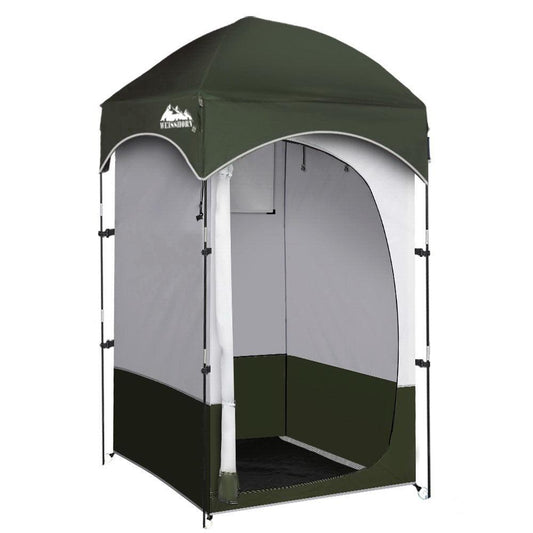
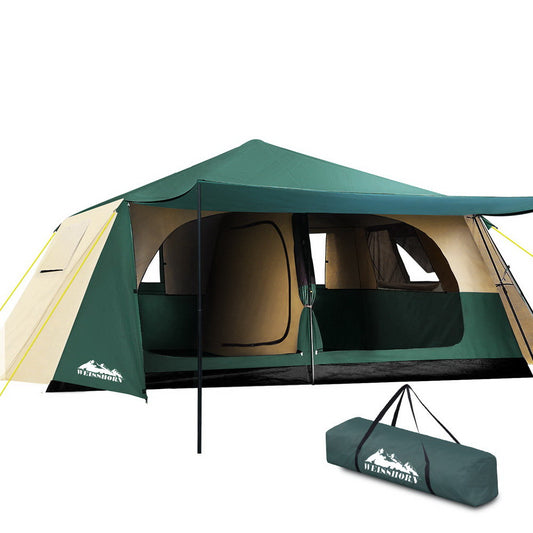
A tent can become extremely hot in direct sun. Use a properly anchored tarp, awning or gazebo as the main daytime living area where conditions allow. Leave room for air to move through and angle shade to block the late-afternoon sun rather than creating a sealed hot box.
Secure shade structures properly and pack them down if gusts or storms develop. A lower, well-ventilated setup can be more comfortable than a tall shelter that catches every breeze.
Keep the tent cooler for bedtime
Use mesh doors, roof vents and windows while you are around camp and conditions allow. Keep the fly correctly tensioned so air can move between layers. Once the outside temperature begins to fall, opening protected vents can help release heat that built up during the day.
Use bedding suited to the overnight forecast rather than the daytime temperature. On very warm nights, a light sheet or liner may be more comfortable than a heavy sleeping bag. A rechargeable fan can help in a small tent or swag, provided it is positioned safely and has enough battery runtime for the night.
Hydrate before you feel wrecked
Keep drinking water cold, clean and easy to access. Drink regularly during hot weather rather than waiting until you feel very thirsty. Water should be the main drink. Oral rehydration or electrolyte drinks can be useful after heavy sweating or strenuous activity, but they do not replace a sensible water intake.
Alcohol can worsen dehydration and judgement in hot conditions, so keep it moderate and drink water alongside it. Children and pets need regular access to water and shade; never leave a child or animal in a parked vehicle or closed hot shelter.
Plan the day around the temperature
Do walks, setup, fishing and other active jobs early or later in the day where possible. Use the hottest hours for shade, swimming where conditions are known to be safe, lunch or low-effort camp time. Wear a broad-brim hat, breathable clothing, sunglasses and sunscreen, and use physical shade as the first line of protection.
Keep cooking simple during extreme heat. Cold meals or cooking later can reduce the heat around camp and lessen the amount of time people spend standing over hot appliances.
Keep fridges and power gear cool too
Portable fridges need ventilation around their compressor vents and perform better out of direct sun. Power stations and battery boxes should also stay shaded, dry and ventilated according to their instructions. Do not cover electrical gear with heavy blankets as a heat shield.
Know the signs of heat illness
Heat exhaustion can include thirst, weakness, cramps, headache, dizziness, nausea or fainting. Move the person to a cooler place, remove unnecessary clothing, cool them with water and airflow, and offer suitable fluids if they are awake and able to drink.
Suspected heatstroke is a medical emergency. Confusion, altered behaviour, poor coordination, collapse, seizure, loss of consciousness or a very high body temperature are warning signs. Call Triple Zero (000) immediately and actively cool the person while help is coming. Do not wait to see whether they improve on their own.
Sometimes the smartest hot-weather camping decision is to change the plan. If conditions are extreme, shade is inadequate or someone is becoming unwell, move somewhere cooler or end the trip early.