Summer Camping Checklist for Australian Trips
A good summer camping checklist does more than stop you forgetting tent pegs. It helps you manage heat, shade, water, food and sudden summer weather without packing half the house.
Start with the essentials that keep everyone comfortable and safe, then add only the extras that suit the campsite, group and trip length.
Summer shelter and sleeping gear
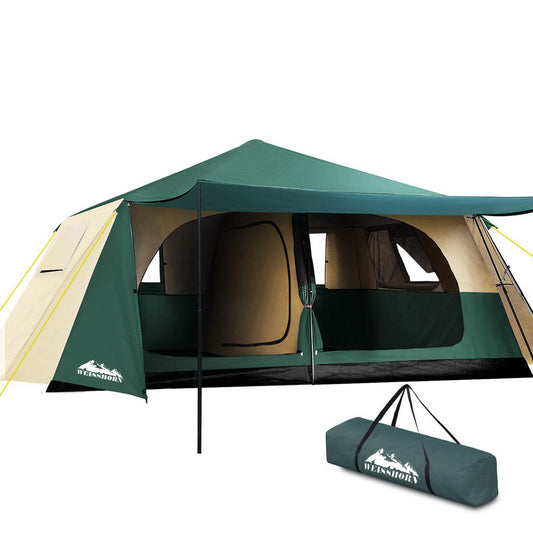
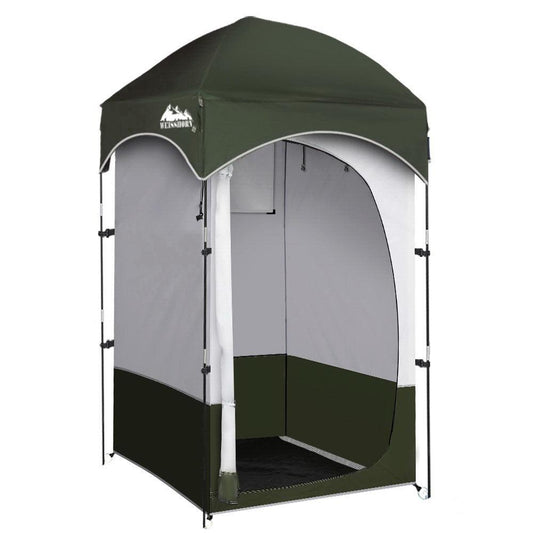
Choose a tent, swag or camper setup with enough ventilation for hot conditions and enough room that bedding is not pushed against the walls. Pack every pole, peg, guy line and a suitable mallet, plus a groundsheet or footprint that fits inside the tent perimeter.
A properly secured awning, tarp or gazebo creates a useful daytime living area. If gusts or storms are possible, pack wind-sensitive shade down early rather than relying on extra ropes to make it storm-proof.
For more hot-weather setup ideas, see how to stay cool while camping in Australia.
Shade, hydration and sun protection
- Wide-brim hats and sunglasses
- SPF50+ sunscreen
- Lightweight long sleeves
- Refillable water bottles
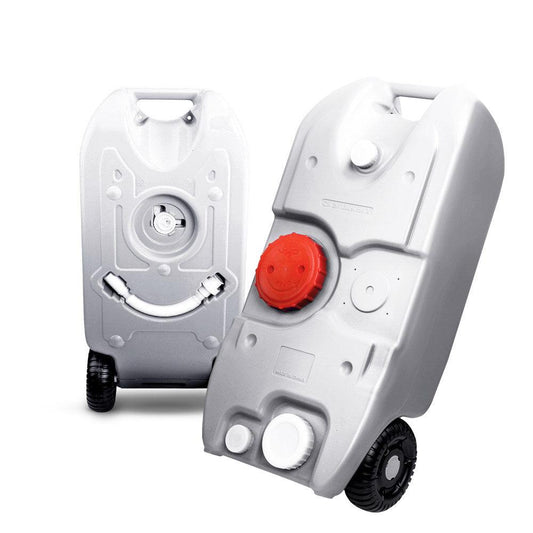
- A larger water container for camp
- Shade that can be securely anchored
- Insect repellent
- A stocked first-aid kit and personal medication
Do not assume untreated creek, tank or river water is safe to drink. Confirm the campsite supply or carry a suitable treatment method when relying on uncertain sources.
Keep food cold and meals simple
Hot weather increases the importance of reliable food storage. Pre-chill eskies and fridges, keep raw foods separate from ready-to-eat food and minimise the time cold food sits on the table.
Pack a stove or cooking system that is permitted at the campsite, plus fuel, utensils, cookware, a chopping board, rubbish bags and washing-up gear. Check fire restrictions before relying on a campfire.
Lighting and power
Pack a table lantern, headlamps or torches and enough charging capacity for the trip. A family at a powered park may only need simple charging gear, while a remote fridge-and-fan setup may need a dedicated battery, power station or solar plan.
Keep electrical equipment shaded, dry and ventilated according to its instructions.
Vehicle and site safety
Before leaving, check vehicle tyres, spare, fluids, fuel and any towing equipment. If the route includes sand or rough tracks, carry recovery and communication equipment that matches the vehicle and your experience. For tyre pressure gear, browse air compressors and tyre deflators; for broader off-road recovery needs, see recovery gear.
At camp, avoid dead branches, drainage lines, dry creek beds and unstable banks. If summer storms are in the forecast, our storm-ready campsite guide is a useful companion.
Kids, pets and beach days
Families generally need more shade, more drinking water and more changes of clothes than expected. Pack simple entertainment and keep first-night essentials accessible.
If a dog is coming, confirm pets are allowed and bring water, shade, bedding, food and a secure lead setup. Never leave children or pets in a parked vehicle in hot weather.
Final summer packing check
- Shelter, pegs, groundsheet and shade
- Sleeping gear suited to overnight temperatures
- Water, sun protection and insect repellent
- Cold-food storage and camp kitchen
- Lighting, charging and power
- First aid, medications and communications
- Vehicle and recovery essentials for the route
Test unfamiliar tents, stoves and power gear at home before the trip. Summer camping is easier when the basics are dependable and everyone can settle into camp before the heat or weather turns.