Christmas Camping Meal Ideas for Australian Trips
Christmas camping meal ideas need to work harder than the usual backyard spread. You might be parked by the coast with a warm esky, set up beside a river with limited power, or camped in the bush during a total fire ban. The winning plan is simple: bring food that feels festive, travels well, cooks with minimal fuss and leaves you more time for a swim, a cold drink and a proper break.
A great camp Christmas is not about recreating every dish from home. It is about picking a few crowd-pleasers, doing the prep before you leave and using the gear you already have - a camp stove, barbecue, portable fridge or a solid ice box. Whether it is a family getaway, a caravan stopover or a few nights under canvas, these ideas make the Christmas feed easy to pull off.
Start with a camp-friendly Christmas food plan
Before writing the shopping list, work out your cooking setup and how long food needs to stay cold. A powered fridge gives you more flexibility for seafood, dairy and pre-made salads. If you are relying on ice, freeze what you can before departure, pack meat low in the esky and open it as little as possible. Keep drinks in a separate cooler so hungry campers are not constantly letting the cold air out.
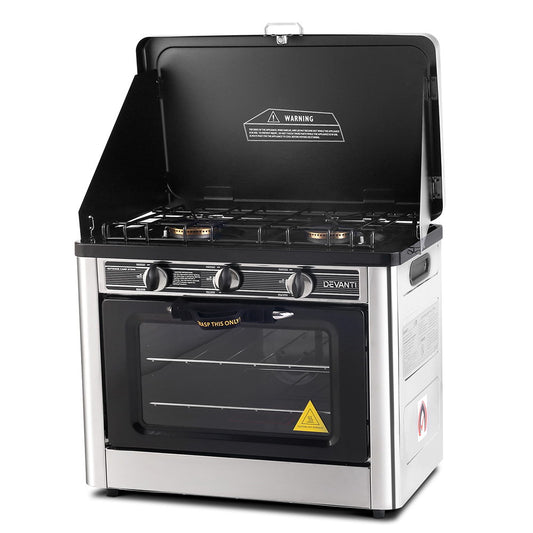
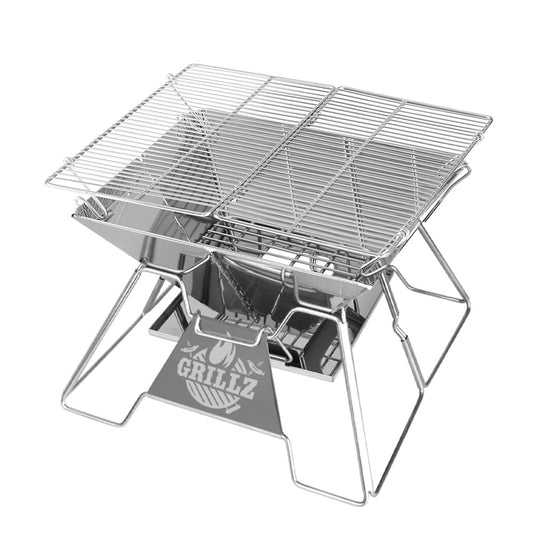
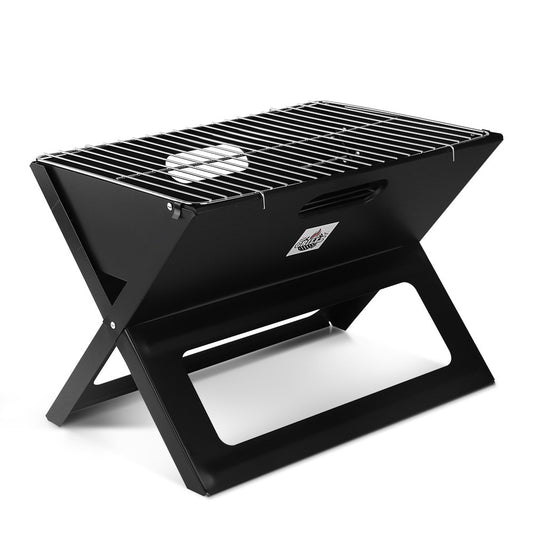
Also check local fire restrictions before planning anything over flames. A fire pit roast sounds brilliant, but a gas cooker, portable barbecue or caravan kitchen is often the more reliable option in an Aussie summer. Bring enough gas, a lighter, tongs, a sharp knife, chopping boards and a washing-up tub. Small bits of kit make a big difference when the nearest kitchen sink is a few hundred kilometres away.
Do as much at home as you can. Marinate meat, chop veg, portion sauces, freeze gravy and label containers by meal. It saves bench space at camp and cuts down on rubbish. For families, keep one or two no-cook meals in reserve for the day everyone arrives late, the weather turns or the kids decide they are starving right now.
Christmas camping meal ideas for breakfast
1. Bacon, egg and hash brown rolls
Christmas morning does not need a complicated breakfast. Cook bacon, eggs and hash browns on the barbecue or camp stove, then pile them into fresh bread rolls with cheese, barbecue sauce or tomato relish. Add sliced avocado if you have a fridge and want something a little fresher.
The trick is to cook the bacon and hash browns first, then keep them warm in a covered camp oven or foil tray while the eggs go on. It is fast, filling and far easier to serve than individual plated breakfasts.
2. French toast with summer fruit
Pack a loaf of thick bread, eggs, milk, cinnamon and a little butter. French toast cooks quickly in a frying pan, and it feels special without needing a dozen ingredients. Top it with strawberries, mango, banana or whatever fruit is looking good before you hit the road.
For an extra Christmas touch, bring maple syrup and a bag of toasted nuts. If it is a hot morning, yoghurt works well too, but only if you can keep it properly chilled.
3. Make-ahead breakfast burritos
For early starts or beach days, make breakfast burritos at home with scrambled egg, cheese, cooked bacon, beans and spinach. Wrap them in foil, chill or freeze them, then warm them slowly on the barbecue plate or in a camp oven.
They are handy because everyone can eat when they are ready. No waiting around while one person runs the pan all morning.
Easy Christmas lunch at camp
4. Cold ham rolls with crunchy salads
A glazed ham is traditional, but a whole leg can take up valuable fridge space. Buy a smaller portion, slice it at home and pack it in sealed containers. Serve it in crusty rolls with mustard, cheese, lettuce and a crunchy slaw.
A cabbage-based slaw holds up better than delicate leaves in the heat. Toss it with a simple dressing just before serving, or keep the dressing separate until lunchtime. It is a proper Christmas lunch without the need to stand over a hot cooker.
5. Prawn and mango salad wraps
For coastal camping, prawns, mango and avocado make an easy festive combination. Keep cooked prawns cold, then add them to wraps with cos lettuce, cucumber, lime and a light mayo or chilli sauce.
Seafood is a great option, but it depends on your refrigeration. If your ice has melted or the fridge is struggling, do not take chances. Swap to tinned tuna, smoked chicken or ham and enjoy the prawns when you are back at a proper fridge.
6. Charred corn and sausage skewers
Skewers are a smart lunch when feeding a group. Thread sausages, capsicum, onion and zucchini onto metal skewers, or use soaked bamboo skewers, then cook them on a barbecue. Add corn cobs on the side with butter, salt and a squeeze of lime.
Prep the skewers in containers before leaving home. At camp, dinner is basically ready as soon as the barbecue is hot.
Festive camping dinners worth gathering around
7. One-pan roast chicken and veg
A camp oven or barbecue with a bonnet can turn out a cracking Christmas roast. Use chicken pieces rather than a whole bird for quicker, more even cooking. Add potato, pumpkin, carrot, onion and garlic, with oil, salt, pepper and rosemary.
Chicken pieces are more forgiving in a compact camp oven, especially when you are still getting used to heat control. Check that the chicken is cooked through before serving, and keep the lid on as much as possible to hold heat.
8. Barbecue steak with chimichurri and potato salad
When the weather is hot, steak on the barbie is hard to beat. Make chimichurri at home with parsley, garlic, vinegar, oil and chilli, then keep it chilled in a jar. Serve it over steak with a potato salad made from cooled cooked potatoes, herbs and a tangy dressing.
This is one of those meals that feels generous without creating a mountain of washing up. Cook the steak in batches, rest it under foil and let everyone build their own plate.
9. Campfire-style pulled pork rolls
If fires are permitted and you have the time, slow-cooked pork shoulder makes an excellent shared meal. But for a shorter trip, cook it ahead at home, shred it, freeze it and reheat it in a lidded pot. Serve in rolls with slaw, pickles and barbecue sauce.
The pre-cooked route is the practical choice. You still get the rich, festive meal, without spending half your Christmas Day managing coals and checking temperatures.
10. Foil-pack salmon with lemon and herbs
For a lighter dinner, place salmon portions on foil with lemon slices, dill or parsley, butter and a few cherry tomatoes. Seal the packets and cook them on a barbecue plate or grill. Serve with couscous, which only needs hot water, and a bagged salad.
Use heavy-duty foil and double-wrap the packets if your barbecue runs hot. It keeps the fish moist and makes clean-up nearly non-existent.
Sides and desserts that survive an Aussie summer
The best sides are the ones that do not need constant attention. A Greek-style salad, grilled asparagus, corn cobs and bread rolls are all easy wins. For a more traditional touch, heat pre-made gravy in a small saucepan and bring cranberry sauce in a squeeze bottle or jar.
For dessert, skip anything that needs a freezer unless you have dependable power. These four options travel well and still feel like Christmas:
- Pavlova nests topped with whipped cream from a chilled can and fresh berries
- Grilled stone fruit with honey, cinnamon and crushed biscuits
- Chocolate brownie slices warmed in foil and served with fruit
- Camp oven damper with cinnamon sugar, butter and a drizzle of golden syrup
Make the food feel festive without overpacking
A few simple extras can turn a normal campsite meal into Christmas lunch. Pack a tablecloth, reusable plates, a string of battery lights and a decent camp chair for everyone. Chill a few non-alcoholic options for drivers and kids, and keep plenty of drinking water nearby - December sun can catch people out quickly.
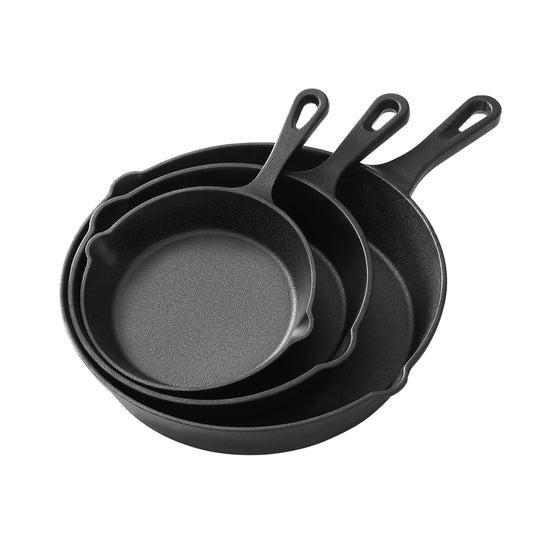
For cooking gear that earns its place, look for a stable camp table, a good frying pan, barbecue tools, an insulated cooler and food storage containers that stack neatly in the ute, caravan or trailer. Just Camp stocks practical gear for getting the camp kitchen sorted without making the trip more complicated.
Keep the menu realistic, keep cold food cold and give yourself permission to take shortcuts. A well-packed esky, a hot barbecue and a meal everyone can eat with one hand are often all you need for a Christmas Day that feels properly memorable outdoors.
Keep Christmas camp food safely chilled
Potentially hazardous foods such as seafood, dairy, eggs, meat, cooked rice and prepared salads should generally stay at 5°C or colder, or 60°C or hotter. Time between 5°C and 60°C is cumulative: under two hours food can be used or returned to refrigeration, between two and four hours use it immediately, and after four hours discard it. Cook poultry, mince and sausages thoroughly; FSANZ recommends at least 75°C in the centre for these foods.
Check current fire restrictions before cooking outdoors and use gas or other fuel-burning appliances only in a suitable open, ventilated area — never inside tents, swags or enclosed annexes.