How to Set Up a Tarp Over a Tent
A tent fly handles normal weather, but a well-pitched tarp gives your campsite the extra breathing room that makes wet, hot or windy weekends far more comfortable. Knowing how to set up a tarp over a tent means you can protect the sleeping area from driving rain, create shade on a scorcher and keep the tent door dry while everyone gets organised.
The trick is not simply throwing a tarp over the roof. A tarp needs clearance, tension and a sensible angle so water runs away instead of pooling above your head. Set it up right and it is one of the most useful, affordable bits of camp gear you can carry in the ute, caravan or camper trailer.
Choose the right tarp and campsite
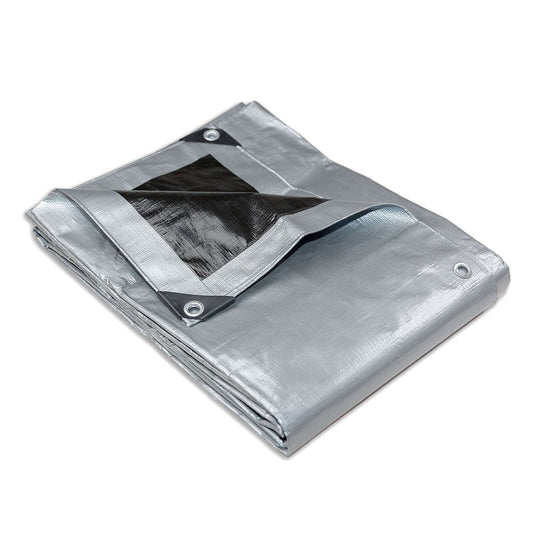
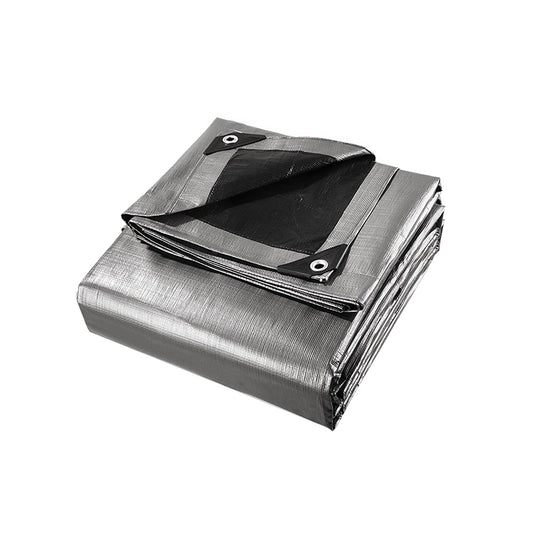
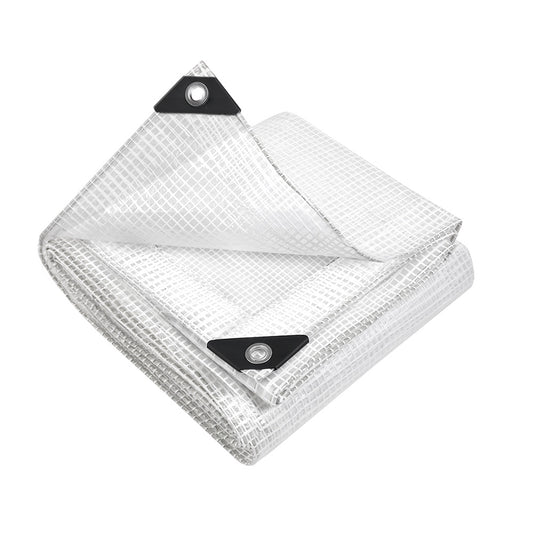
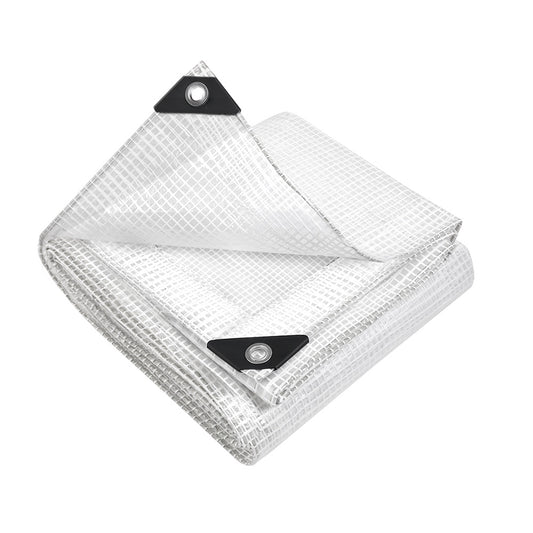
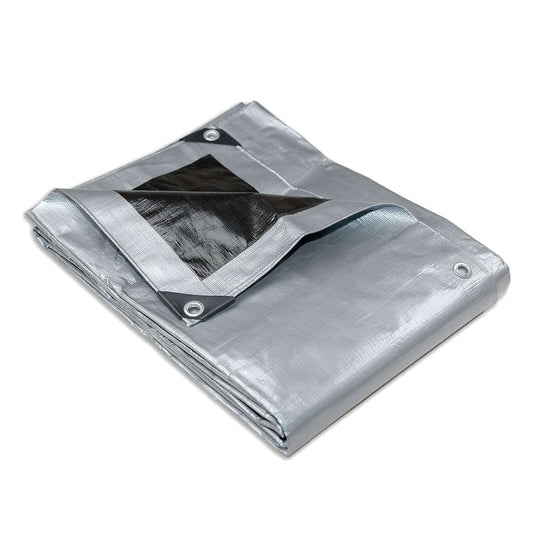
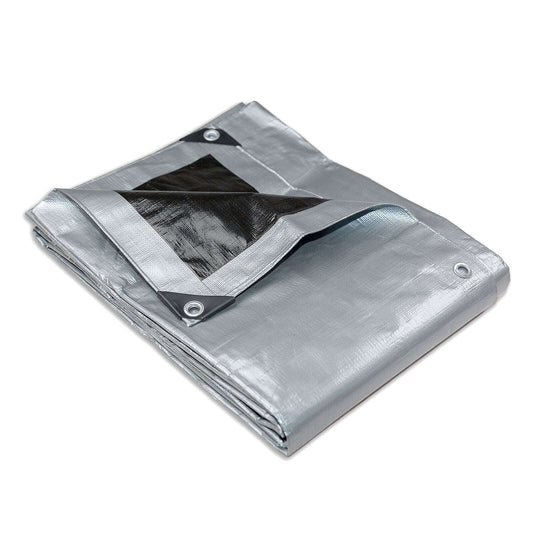
Start with enough tarp coverage for the job rather than assuming bigger is always better. Our camping tarp size guide can help with sizing. For a compact two-person dome, a tarp around 3 m x 3 m can work well. For a family tent, look for enough coverage to extend beyond the tent on every side, especially over the entrance. That overhang matters because it stops rain dripping straight onto the door and gives you a dry spot to kick off muddy boots.
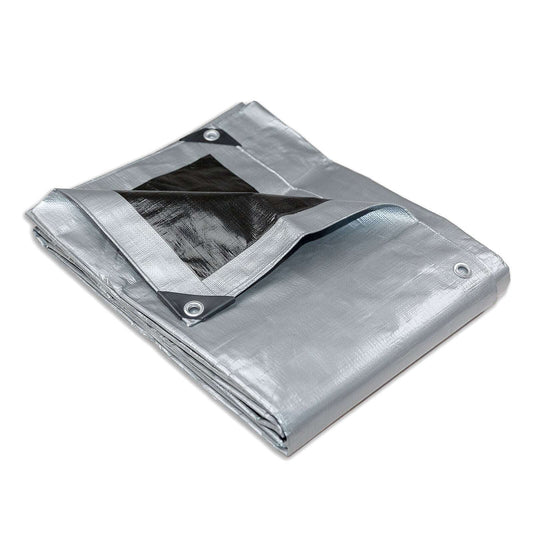
A lightweight polyester or ripstop tarp is easy to pack, while a heavier-duty poly tarp is a good value option for regular family camping. Whatever material you choose, check that it has reinforced tie-out points. Standard eyelets can work, but reinforced webbing loops are generally more reliable when the wind gets up.
Pick your tent site before planning the tarp pitch. Look for level ground with natural drainage and avoid low patches where rainwater collects. Keep clear of dead branches, loose limbs and obvious runoff channels. In Australian bush camps, also check above for sap, sharp twigs and falling gum nuts that can damage fabric.
Think about the wind direction before putting up the tent. Where possible, position the lowest edge of the tarp into the prevailing wind. This keeps gusts from getting underneath and turning your shelter into a noisy sail. It also helps protect the tent door from wind-driven rain.
What you need to pitch a tarp over a tent
You do not need a complicated setup, but a few basics make the job much easier. Pack a tarp, guy ropes, sturdy tent pegs and at least two poles. Adjustable tarp poles are handy, though spare tent poles, awning poles or carefully selected straight branches can do the job where permitted.
Bring a few extra pegs. Soft sand, hard-packed ground and rocky campsites all demand different approaches, and one bent peg can derail an otherwise easy pitch. For sand, use longer sand pegs or bury a stick horizontally as a deadman anchor. On hard ground, stronger steel pegs and a mallet are worth having.
Short lengths of cord or webbing are also useful for protecting trees. Never run thin rope directly around a tree and crank it tight. It can damage bark, particularly on younger trees. Use broad tree straps where possible, and do not cut branches or strip vegetation to make your setup work.
How to set up a tarp over a tent step by step
Pitch your tent first, including the rainfly, and make sure it is properly pegged and tensioned. A tarp is extra protection, not a replacement for a correctly erected tent. Close the tent windows if rain is coming, but leave its designed ventilation points open where practical to reduce condensation.
Next, lay the tarp loosely over or above the tent to judge the size and shape you need. Do not rest it directly on the tent roof. Wet fabric pressed against the fly can transfer moisture through, while a sagging tarp can rub in the wind and put stress on the tent poles.
Set the tarp at least 20 to 40 cm above the highest point of the tent. More clearance is better in rain, provided the shelter remains stable. You can create this gap by using two poles along the ridgeline, stringing a ridgeline between suitable trees, or combining poles at one end with a tree attachment at the other.
A simple A-frame or ridgeline setup suits most tents. Run a ridgeline above the centre of the tent, then drape the tarp evenly over it. Peg the four corners out wide, pulling each corner away from the tent. The tarp should look crisp and angled, not loose and flat.
Give one side a noticeably lower pitch. This is your runoff side, and it should point away from the tent entrance, cooking area and any camp chairs. Water is heavy. Even a small pool on top of a tarp can stretch eyelets, bend poles and eventually dump a cold shower onto the tent.
Use adjustable knots or rope tensioners on the guy lines so you can tighten them as the fabric settles. Peg lines at roughly a 45-degree angle away from the tarp. If possible, use every second tie-out point along exposed edges in windy conditions. More anchor points spread the load and reduce flapping.
Once it is standing, walk around the tent and check the clearance. The tarp must not touch the tent roof, walls or mesh windows. Make sure every guy rope is visible and positioned away from paths around camp. A bright cord, small flag or a torch placed near the peg can save someone from a midnight stumble.
A quick wet-weather check
Before you settle in, pour a little water over the tarp or wait for the first shower and watch where it travels. If water pools, lower one corner or tighten the opposite side. If it runs towards the tent, change the pitch before the weather worsens.
Also inspect the ground around the tent after rain starts. If runoff is collecting at the uphill side, adjust the tarp so its drip line falls farther away. Never dig trenches around a tent at established campgrounds or in national parks. It damages the site and is often against campground rules.
Tarp shapes that work for different camps
For a fast overnight stop, a lean-to pitch is quick and gives good coverage over the tent door. Set the rear edge low into the wind and raise the front with poles. This is ideal for light rain and shade, although it is less protected from rain blowing in from the front.
An A-frame pitch gives more balanced coverage. It sheds rain well from both sides and is a strong all-round choice for a dome tent. Leave enough room along the sides for airflow, particularly in humid coastal conditions where condensation can be as annoying as rain.
If you are camping in very hot weather, a high, flat-ish shade pitch can make the tent area noticeably cooler. It needs a slight slope for unexpected showers and extra guy lines to stay secure. Do not pitch it completely flat, even on a clear forecast. Summer storms can arrive quickly across much of Australia.
For strong wind, keep the tarp low and compact. A smaller protected area is far more useful than a huge shelter that will not stay put. In exposed coastal sites or the High Country, use solid anchors, lower the poles and be prepared to pack the tarp away if conditions become unsafe.
Avoid these common tarp setup mistakes
The biggest mistake is pitching the tarp too flat. Flat tarps collect water, stretch in the rain and can fail under the weight. Give water a clear route off the fabric every time.
Another common issue is tying the tarp to the tent poles. It may seem convenient, but extra wind load can bend or break the poles and compromise the tent structure. Use independent poles, trees or dedicated tarp supports instead.
Avoid sealing the tent in completely. A tarp with no airflow can trap heat and humidity, making the inside clammy by morning. Keep the sides open where weather allows and use the tent's vents as intended.
Finally, never cook under a low tarp or inside the tent vestibule. Gas stoves, barbecues and fuel burners need clear ventilation and safe separation from fabric. Keep flames, hot cookware and heaters well away from the tarp, tent and guy ropes.
When to take the tarp down
A tarp is handy, but it is not always the right answer. Take it down if severe winds make the poles flex heavily, pegs start pulling free or large branches are moving overhead. During thunderstorms, do not shelter beneath a ridgeline tied between trees, and avoid open high ground.
On calm, dry nights, you may choose to leave the tarp up for shade in the morning. Just recheck the tension after temperature changes, dew or rain. Most tarps loosen slightly overnight, and a two-minute adjustment before bed can prevent a noisy, saggy shelter at 2 am.
A tarp pitched with a little thought turns a basic tent site into a more practical camp. Keep it high enough to breathe, angled enough to shed water and firmly pegged for the conditions, then you can spend less time battling the weather and more time enjoying the trip.
Match anchors to the ground using our tent peg guide, and pack the tarp down before wind becomes difficult to manage. For severe weather planning, see how to make a campsite storm ready.