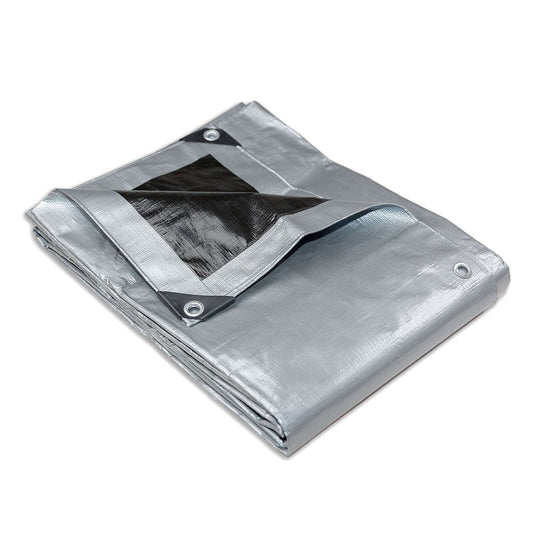
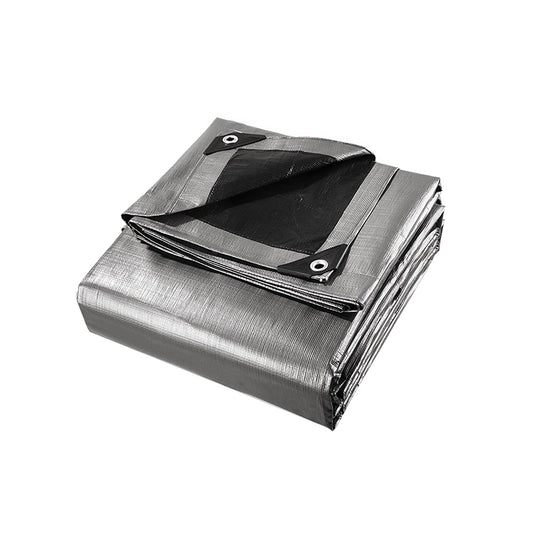
Camping Tarp Size Guide for Every Setup
A tarp that is too small leaves your gear wet. A tarp that is too big can be a pain to pitch, flap around in the wind, and take up more room than you need. This camping tarp size guide cuts through the guesswork so you can pick a tarp that actually suits your setup, whether you are covering a swag, building a quick shade shelter, or adding weather protection beside the 4WD.
For most campers, tarp size comes down to three things - what you need to cover, how many people are using the space, and what sort of conditions you expect. A solo overnighter near the coast needs a very different tarp from a family camp at the river or a touring setup with a caravan awning extension. Get the size right and camp life gets easier fast.
Why tarp size matters more than most people think
A tarp is one of the handiest bits of camp gear you can carry, but only when it fits the job. Too little coverage means rain blows in from the side, cooking gear gets soaked, and chairs end up sitting half in the weather. Too much coverage can create its own problems, especially in windy conditions where a large tarp catches more gusts and needs stronger poles, better tie-down points, and more room to pitch.
That trade-off matters in Australia. Open inland camps, beachside sites, bush clearings and caravan parks all have different space and weather limits. A big tarp sounds appealing when you are shopping, but if it is awkward to set up every trip, it often stays packed away.
Camping tarp size guide by use case
The easiest way to choose a tarp is to match the size to how you camp.
Small tarps for solo campers and quick cover
A tarp around 2 m x 2.5 m up to 3 m x 3 m suits lightweight and compact setups. This size works well over a single swag, as a quick dry entry point for a small tent, or as basic cover for one or two people having a brew out of the weather.
It is also a practical option if you want something easy to throw in the ute or caravan without taking up much space. Smaller tarps are usually faster to pitch, easier to tension properly, and better in gusty weather. The downside is obvious - you do not get much living room once the weather turns.
Mid-size tarps for couples and weekend camps
A tarp in the 3 m x 3 m to 4 m x 4 m range is the sweet spot for plenty of campers. It gives enough shelter for a couple of chairs, a small camp table, and some gear, while still being manageable to set up without turning camp into a full construction job.
If you run a swag beside the vehicle or want a general-purpose shelter for mixed trips, this is often the safest bet. It gives you flexibility without becoming overkill. For many campers, this is the size range that gets used most often because it suits short stays, roadside stops and simple family weekends.
Large tarps for families, camp kitchens and extended stays
Once you move into 4.5 m x 4.5 m, 5 m x 5 m or longer rectangular tarps, you are looking at serious communal cover. These sizes are ideal for family camping, larger tent setups, camp kitchens, or creating a shaded living area next to a caravan or 4WD touring rig.
The benefit is comfort. You get room to cook, sit, store gear and move around without everyone crowding under one edge when the rain hits. The catch is that larger tarps need more planning. You need suitable poles, decent pegs, enough guy ropes, and a campsite with enough clear area to pitch it properly.
Choosing shape as well as size
Size is only half the story. Shape changes how usable the tarp feels once it is up.
Square tarps are the most versatile. They give equal coverage in every direction and are easy to pitch in different ways, whether you want a simple roof, an angled windbreak or a central pole shelter. If you want one tarp for lots of jobs, square is hard to beat.
Rectangular tarps work well when you already know the job. They are handy beside a vehicle, along the side of a tent, or over a cooking area where you want more length than depth. They can be a smarter fit for narrow campsites or setups running parallel to an awning.
A long narrow tarp can look generous on paper but feel cramped once chairs, tables and gear are under it. That is why checking the usable floor area matters more than just reading one measurement.
A practical way to size your tarp
If you are unsure, start by measuring the footprint of what you want to cover, then add extra room around it. A good rule is to allow at least 50 cm to 1 m beyond the main setup on each side if you want proper weather protection.
For example, if your table and chairs use roughly 2 m x 2 m, a 3 m x 3 m tarp gives you enough overhang to make that shelter worthwhile. If you are covering a swag that is close to 2.2 m long, going straight to a 3 m tarp makes more sense than trying to get by with something only just bigger than the swag itself.
That extra margin matters even more in rain, because water rarely falls straight down. Wind-driven rain can turn a neat-looking tarp into poor cover if the edges finish too close to your gear.
Think about tarp height before you size up
A common mistake is focusing only on width and length. The higher you pitch a tarp, the less useful cover you actually get in bad weather. A big tarp set too high can still let rain sweep underneath, while a slightly smaller tarp pitched lower and tighter can keep the area drier.
If your main goal is shade on a hot day, a higher pitch with more airflow can work well. If you are planning for rain and wind, a lower pitch with good runoff is usually the smarter move. That means the best tarp size depends partly on whether you want open shelter or serious protection.
What works for common Australian camping setups
For a single swag or stretcher, around 3 m x 3 m is usually plenty. It gives enough room to protect the bed and still keep boots, bags and a bit of gear dry.
For a couple camping with swags or a compact tent, 3 m x 3 m or 4 m x 4 m often works best. The right choice depends on whether the tarp is just backup weather cover or your main living area.
For families, a 4 m x 4 m tarp is a solid starting point, with 5 m x 5 m better if you want a proper shared space. That extra room feels worth it when the kids are under cover with chairs, snacks and wet towels everywhere.
For a camp kitchen, a rectangular tarp can be the better fit. Something around 3 m x 4.5 m or 4 m x 5 m gives useful coverage over a table, cooker and storage area without wasting too much material where you do not need it.
For 4WD touring, think about how the tarp works with your vehicle. If it is extending an awning, sheltering a rear cooking area or covering the side of the rig, a rectangular shape often makes more sense than a square one.
When bigger is not better
There is a point where a larger tarp stops being more useful and starts becoming more work. Bigger tarps are heavier, bulkier, slower to dry and harder to fold away neatly. They also need more attention in poor weather. If you mostly do short weekend trips or regular overnight stops, it is often smarter to choose a size you will actually use every time rather than the biggest option available.
That is especially true for beginners. A manageable tarp that goes up quickly is better than an oversized one that ends up in the gear bag because pitching it feels like a hassle.
A few buying tips that save headaches
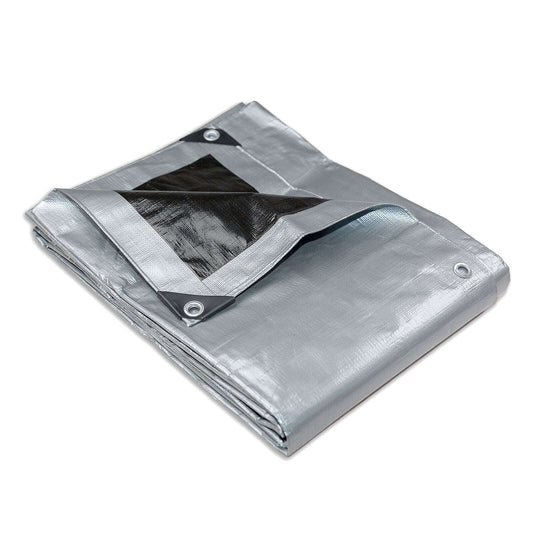
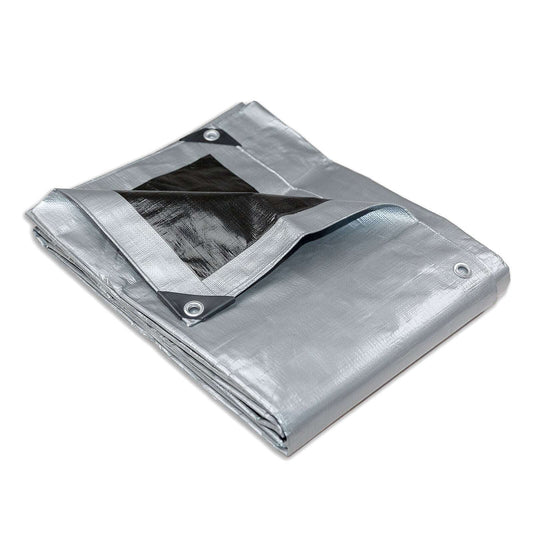
When comparing sizes, check whether the measurement is the tarp laid flat and whether the usable cover changes once it is pitched on an angle. Also look at the number and placement of tie-out points. A well-sized tarp with decent reinforcement is far more useful than a bigger one with limited setup options.
Material matters too, but only in context. Heavy-duty tarps suit rougher conditions and regular use, while lighter options are easier to pack and handle. If you are camping in exposed coastal or inland areas, stronger gear is usually money well spent.
If you want one do-it-all option, a 4 m x 4 m tarp is often the safest middle ground for Australian campers. It is large enough for most general camp tasks, but still practical for transport, setup and storage. That is why it remains a popular choice across swags, tents, family setups and touring camps.
The right tarp size is the one that matches how you actually camp, not the one that looks biggest in the product description. Choose for your crew, your vehicle, your usual trip style and the conditions you are likely to face. Get that right and your tarp becomes one of the hardest-working bits of gear in camp.