How to Clean Mould in a Caravan Safely
A few black spots around a window seal can turn into a musty caravan quickly. Cleaning caravan mould properly means matching the method to the surface, drying everything thoroughly and finding the condensation or leak that caused the growth.
Start safely
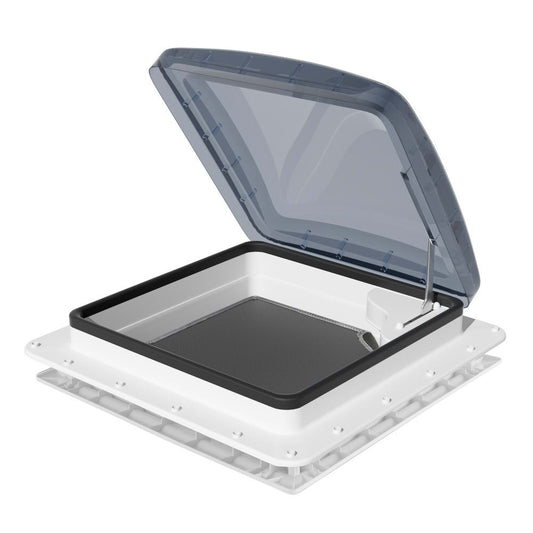
Open doors, windows and roof vents while cleaning. Wear gloves and a well-fitting P2 mask when disturbing visible mould, particularly if growth is widespread. Keep children and pets out of the area until cleaning is complete and the caravan is dry.
Never mix cleaning products. Test any cleaner on a hidden section first because caravan interiors combine vinyl, laminate, acrylic, fabric, coated board and metal finishes.
Inspect before you clean
Remove bedding, cushions and loose items, then check under mattresses, inside cupboards, around windows and roof hatches, beneath seats and near plumbing. Repeated growth in one area can indicate a leak rather than ordinary condensation.
Clean hard surfaces gently
For compatible vinyl, plastic, laminate and sealed surfaces, start with warm water and a small amount of mild detergent. Wipe with clean cloths and dry the area afterward.
For stubborn surface mould on compatible hard finishes, a diluted white-vinegar solution can be useful. A common practical mix is equal parts white vinegar and water. Apply it sparingly to a cloth or lightly mist the area, allow a short contact time, then wipe and dry.
Spot-test first and check the surface care instructions. Stop if the finish discolours, softens or becomes tacky. Never combine vinegar with bleach or another cleaner.
Window seals and tight corners
Apply a surface-safe cleaner to a cloth or soft brush rather than saturating seals and tracks. Dry the area thoroughly. If mould repeatedly returns around the same window, inspect the external sealing and drainage rather than escalating the cleaner strength.
Wash removable fabrics separately
Wash removable cushion covers, curtains, towels and bedding according to their care labels and dry them completely before returning them to the van. Deep mould in foam or a persistent musty smell after cleaning can make replacement more practical than repeated wet treatment.
Carpet and flooring
Clean vinyl with a suitable mild product and dry it immediately. For carpet, avoid soaking the underlay. Use a fabric-safe treatment only where suitable and maintain airflow until the area is dry all the way through.
Drying is part of the cleaning job
Leave cupboards open and use fans or a suitable dehumidifier where practical. Do not close the caravan immediately after wet cleaning. If the van still smells damp, keep investigating.
Stop the mould coming back
Cleaning visible growth is only half the job. Remove wet gear, dry the shower and window condensation, check plumbing and exterior seals, and maintain safe ventilation during storage.
For a full prevention routine, see how to prevent mould in a caravan. For other tents, swags and camp equipment, use our camping gear mould guide.
If mould is widespread inside wall cavities, insulation or structural panels, or a leak has damaged the caravan, professional assessment is more appropriate than repeated surface cleaning.