Choose the Table Around the Job
A small camping side table is useful beside a camp chair for drinks, a lantern, snacks or other light gear. Low camping tables can suit relaxed picnic-style seating when their height matches your chairs. If you need room for shared meals, food preparation or games, choose a larger tabletop with the appropriate stability and load rating. Family dining tables and table-and-seat sets take more room in your vehicle, so compare packed size as well as the open footprint.
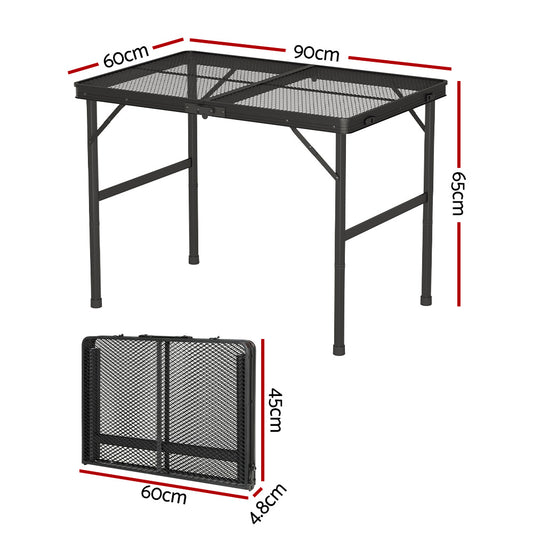
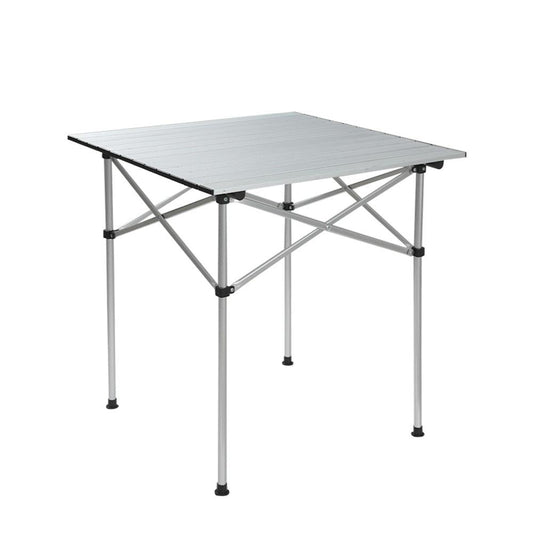
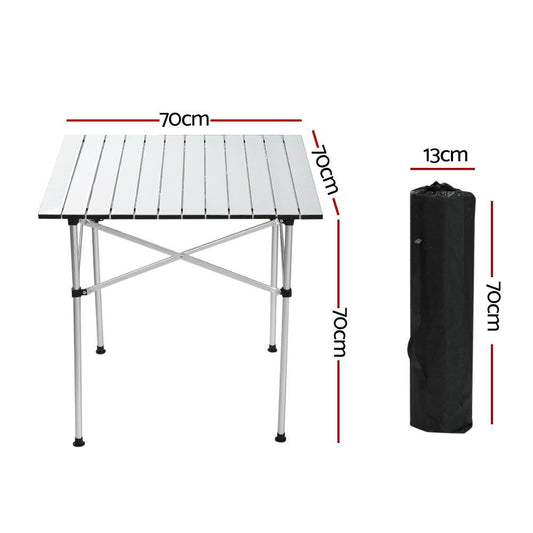
Just Camp carries compact folding and roll-up aluminium tables, 60cm and 90cm folding options, adjustable-height tables and larger surfaces for dining and camp kitchens. Bamboo tables and some table-and-chair sets may be sold out at times, so check the availability shown on each product page before planning your setup. Compare actual tabletop dimensions, working height, packed size and load capacity rather than assuming all folding tables are interchangeable.
Choosing a Small or Low Camping Side Table
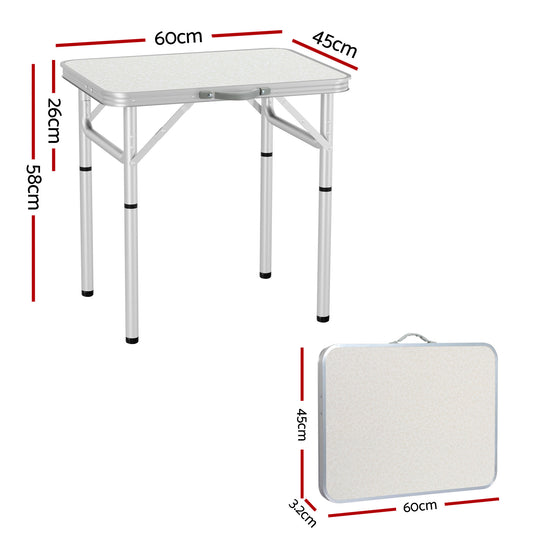
For a compact surface beside a chair, compare the Weisshorn 40cm roll-up aluminium table and the 60cm folding camping table. Measure the space beside your chair and check the actual table height, weight rating and packed dimensions: a small tabletop is not necessarily a low table. Choose a larger folding table when you need room for several people or meal preparation, and check each listing for current stock before ordering.
Compare Open Size, Working Height and Footprint
Table length is only one part of the fit. Check the open length, width and height together, then think about the space needed for chairs, people moving around the site and any cooking equipment. A narrow or low table may work well beside a chair but feel cramped for meal preparation, while a large table can dominate a small tent, awning or campsite.
Some tables in the range use a fixed height, while others provide two or three height settings for low picnic use, seated dining or a higher working position. Adjustable height is useful only when the legs and locking points are fully secured in the intended positions.
Check Packed Size Before You Buy
A table that fits the campsite still needs to fit the vehicle, caravan or storage area. Compare the folded length, width and thickness, the total product weight and whether a carry handle or storage bag is included. Roll-up tables can pack into a long narrow bundle, briefcase-style tables fold into a flat rectangle, and quad-fold or fabric-top designs can pack into a smaller bag.
For car camping and caravanning, a larger packed table may be easy to accommodate. For smaller vehicles or gear-heavy 4WD setups, packed dimensions can matter more than a few extra centimetres of tabletop space.
Folding, Roll-Up and Quad-Fold Designs
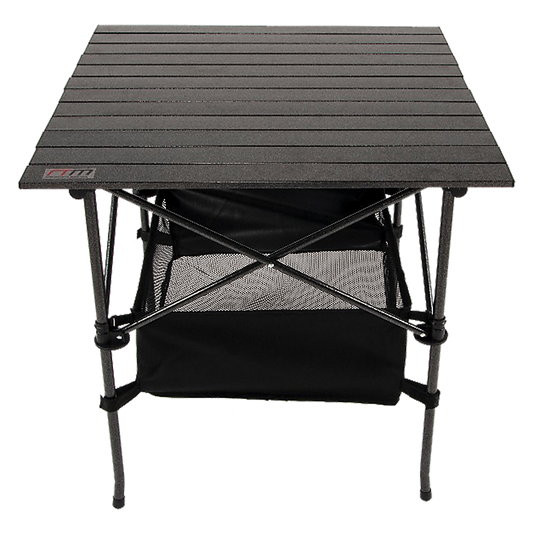
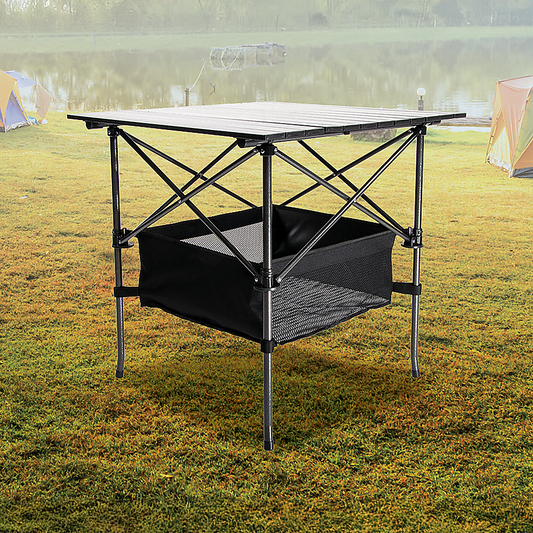
Briefcase-style folding tables usually open into a rigid top and fold flat for transport. Roll-up designs use aluminium, bamboo or timber slats that separate or roll with the frame into a narrower package. Quad-fold and fabric-top tables collapse differently again and can be useful when compact storage is the priority.
There is no single best folding system. Compare setup time, packed dimensions, tabletop rigidity, working height, weight and the way the legs lock. Before loading the table, make sure every hinge, brace and locking mechanism is fully engaged as described in the product instructions.
Match the Tabletop Material to How You Will Use It
Camping tables in the current range use several different surface materials, each with different trade-offs:
- Aluminium tops and frames are commonly chosen for lower weight and straightforward outdoor care, but construction and load limits still vary by model.
- MDF tops provide a flat, smooth surface on many folding tables. Keep them within the moisture and heat limits stated for the individual product rather than assuming every MDF top is waterproof or heat resistant.
- Bamboo and timber tables provide a solid natural surface and a different campsite look, but care instructions and weather resistance vary with the finish and construction.
- Fabric-top tables can pack very compactly and work well for suitable light camp use, but should not be treated as cutting boards or hot-appliance surfaces.
- Mesh metal tops can allow drainage and selected models may be designed for higher-temperature camp-kitchen use. Check the exact product specification before placing hot cookware or appliances on one.
Load Capacity and Stability Matter
Camping-table load ratings vary widely across the range. Use the capacity stated for the exact product and treat supplier-listed ratings as maximum limits, not targets to exceed. Spread weight sensibly across the tabletop, avoid sudden impact loads and do not concentrate heavy equipment on an unsupported edge.
A table is not a step, ladder or seat unless the product is specifically designed for that purpose. Where a table includes integrated seats or comes with stools or chairs, check the table and seat ratings separately because one rating does not automatically apply to the other.
Using Stoves and BBQs on a Camping Table
Do not assume every camping table is suitable for a portable stove, BBQ or other hot appliance. Check both the table instructions and the appliance instructions. The tabletop material must tolerate the expected heat, and the appliance still needs its required clearances from combustible materials and a stable, level base.
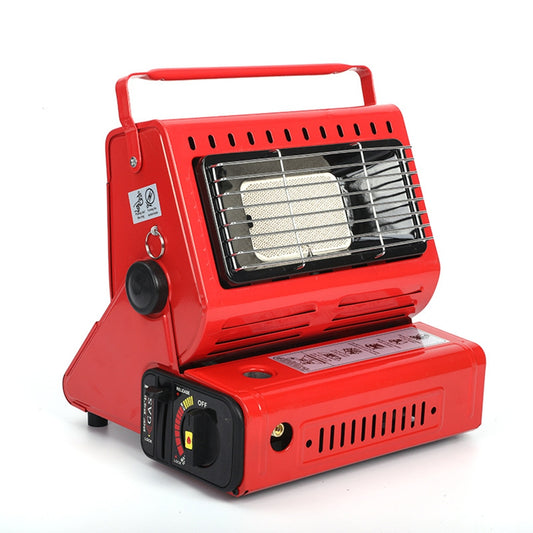
Fuel-burning appliances must be used only in the outdoor or ventilation conditions specified by their manufacturer. A heat-resistant tabletop does not make an appliance safe in an enclosed space, and a normal table should not be used as a substitute for a dedicated appliance stand when the appliance instructions require one.
Set Up Carefully on Uneven Ground and in Wind
Choose firm, reasonably level ground and fully open the legs before loading the table. Use built-in height adjustment, non-slip feet, cross braces and locking mechanisms only as designed. If a table rocks, leans or a leg can sink into soft ground, reposition it or use a more suitable site rather than balancing it on an unstable improvised support.
Lightweight tables and loose items can also move in strong wind. Keep the setup clear of vehicle paths and tent entrances, do not leave unsecured hot equipment unattended, and pack the table away when conditions make the setup unstable.
Table-and-Seat Sets Can Save Setup Time
Integrated folding table-and-seat units and separate table-and-stool sets can reduce the number of individual pieces you need to pack. They are useful for meals, picnics and family setups, but check the seat dimensions, seat height and individual weight ratings as well as the tabletop specifications.
Also consider how easy it is to get in and out of integrated seating, especially where children or multiple people will be using the table at the same time. Make sure the full unit is locked open before anyone sits down.
Cleaning and Storage
Remove food and dirt after use and follow the care instructions for the specific surface material. Let the table dry fully before folding it into a carry bag or storing it for a long period. Damp fabric, timber, bamboo, MDF and metal components can all be damaged by poor storage even when the product is designed for outdoor use.
Avoid prolonged weather exposure unless the manufacturer specifically allows it. Check hinges, locking points, feet and fasteners periodically and stop using the table if a structural part is bent, cracked, loose or no longer locks securely.
Common Camping Table Mistakes to Avoid
- Choosing by tabletop length alone and ignoring width, height and setup footprint.
- Checking the open dimensions but not the packed size or total weight.
- Assuming every tabletop can safely handle a stove, BBQ or hot cookware.
- Standing or sitting on a table that is not designed as a seat or step.
- Exceeding the stated load capacity or placing heavy loads on an unsupported edge.
- Using a rocking or leaning table instead of moving it to a more stable position.
- Leaving MDF, bamboo, timber or fabric surfaces exposed to weather beyond their product instructions.
- Assuming the table rating also applies to integrated or supplied seats.
Complete Your Campsite Setup
Pair your table with Camp Chairs for a more comfortable meal and campsite setup. For stoves, BBQs, cookware and food-prep gear, browse Kitchen & Cooking, or explore the full Camping Gear range.
Safety note: Always follow the table and appliance manufacturer instructions, stated load limits and heat-clearance requirements. Keep cooking equipment stable and use fuel-burning appliances only in the conditions specified for safe operation.
Guide reviewed: October 2026.