Build a Recovery System, Not Just a Bag of Gear
4WD recovery gear only works safely when every part of the system suits the vehicle, recovery method and conditions. The vehicle’s approved recovery points, the strap or rope, shackles, hitch receiver, winch, anchor and operator technique all matter. Before choosing equipment, identify the manufacturer-approved recovery points on your vehicle, consider its loaded touring mass and think about whether you are preparing for sand, mud, steep tracks, solo travel or recovery with another vehicle.
No single kit is right for every 4WD. A beach-driving setup may prioritise a shovel, tyre gauge, compressor and traction boards, while remote touring may also call for a properly installed winch, rated connectors, communications equipment and training. Choose equipment around the recovery you can perform correctly rather than buying the largest rating on the shelf.
Start with the Lowest-Force Recovery Method
When a vehicle becomes bogged, stop unnecessary wheelspin and assess the area before attaching recovery gear. Digging away built-up sand or mud, clearing the intended path and correcting tyre pressure within the vehicle and tyre manufacturer’s guidance may reduce the force needed to move the vehicle.
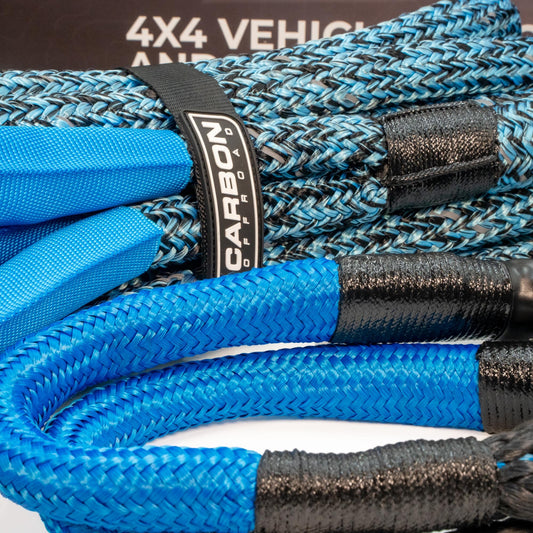
Where conditions allow, a shovel and recovery tracks can often be tried before a dynamic recovery. Snatch straps and kinetic ropes can generate severe forces and should only be used with suitable vehicles, approved recovery points, compatible rated equipment and competent operators. Keep passengers and bystanders well clear of the entire recovery area.
Recovery Tracks for Sand, Mud and Loose Ground
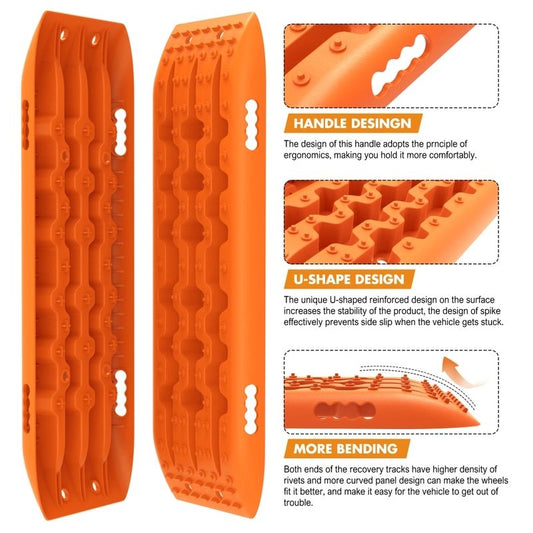
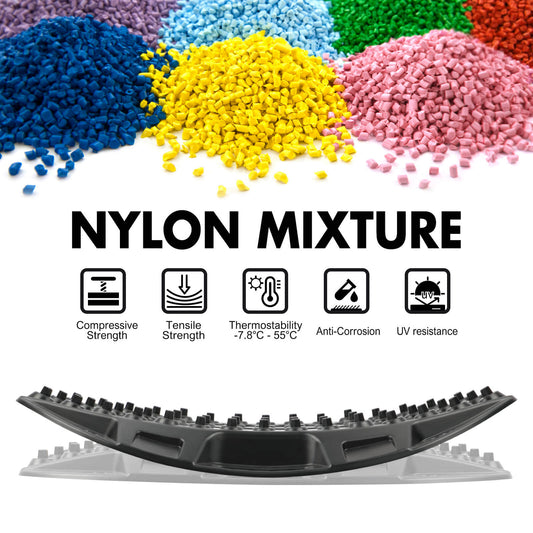
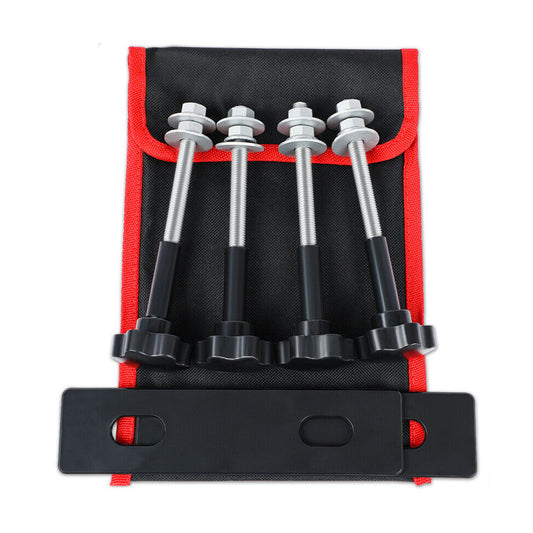
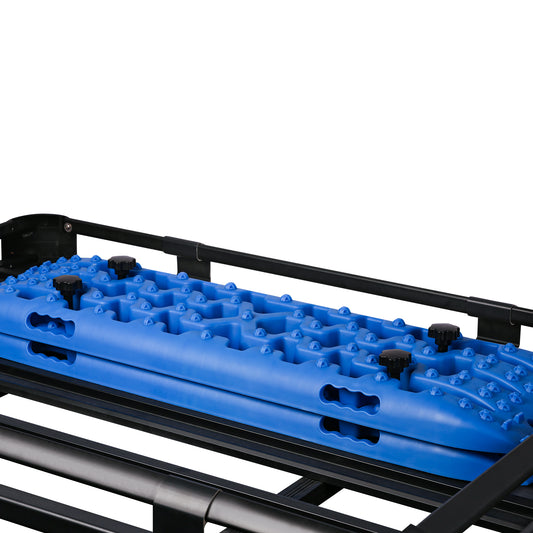
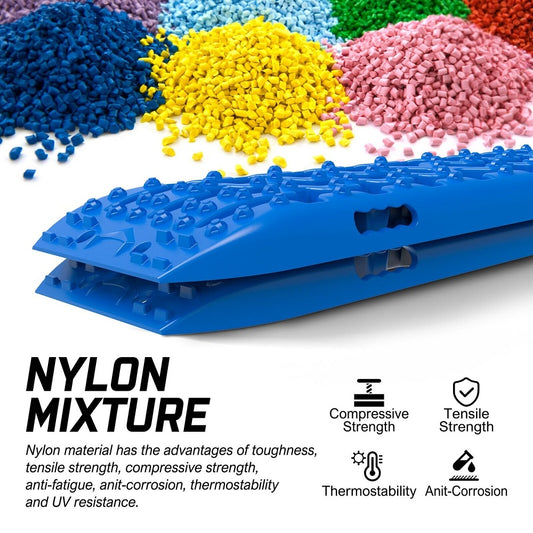
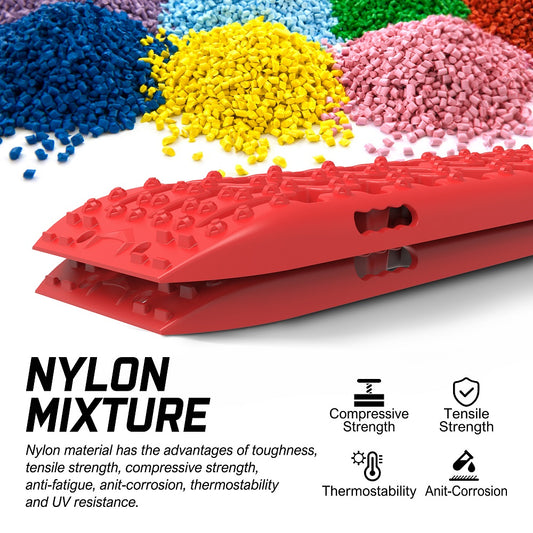
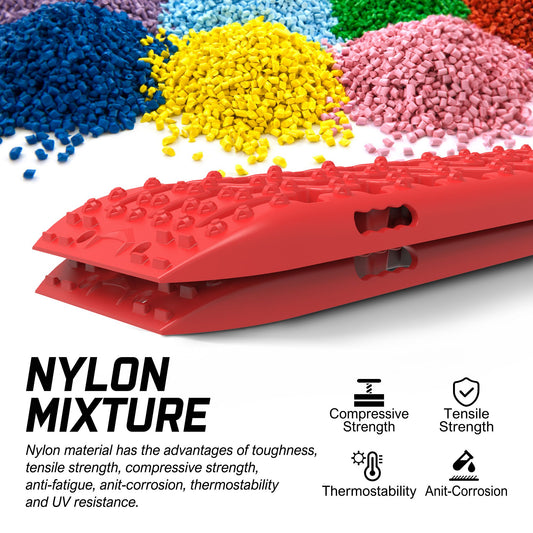
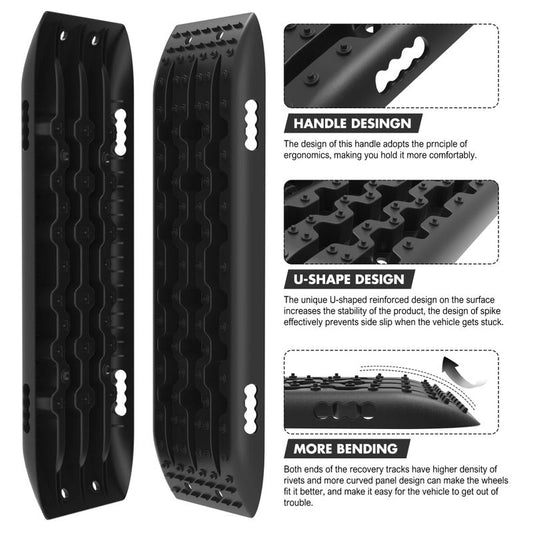
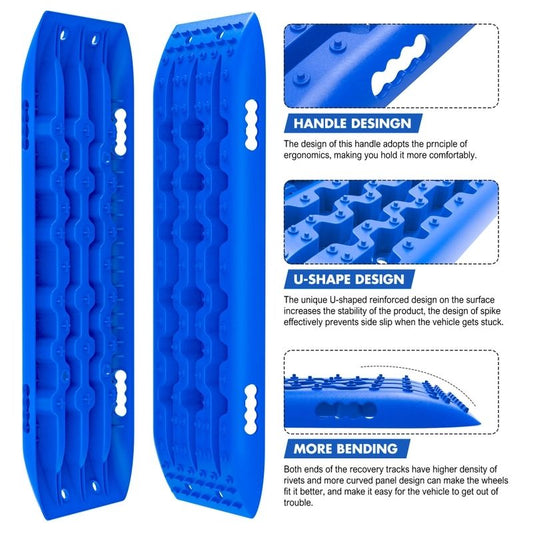
Recovery tracks, also called traction boards, are designed to create a grippy path beneath the driven tyres. Compare the board length, number of boards, material, temperature range, load specification, packed size, handles, leashes, carry bag and mounting options. A longer board can provide a more gradual path, while compact tracks are easier to store but offer less working length.
To use them, stop wheelspin, clear material from around the tyres and place the boards in the intended direction of travel according to the product instructions. Use low gear and gentle, controlled throttle. Do not spin the tyres against the boards, and keep everyone away from the front and rear of the vehicle because a board can move or eject unexpectedly. Recover and inspect the boards before packing them away.
Tow Straps, Snatch Straps and Kinetic Recovery Ropes
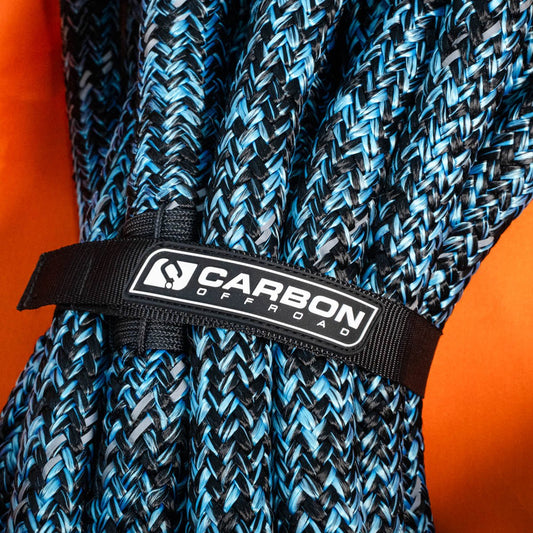
These products are not interchangeable. A tow strap is generally intended for steady towing or pulling with little stretch where the vehicle and local rules allow. A snatch strap or kinetic recovery rope is designed to stretch and transfer energy to a bogged vehicle. That dynamic force can make a recovery effective, but it also increases the consequences of an incorrect connection, damaged recovery point or mismatched component.
Follow the instructions for the exact strap or rope. Match the equipment to the loaded vehicles, terrain, resistance and recovery method, and make sure every connector and attachment point is compatible. Do not use a tow ball, transport tie-down point or unidentified hook as a recovery point. Do not use a strap or rope for winching, lifting or another purpose unless the manufacturer specifically approves that use.
Soft Shackles, Bow Shackles and Recovery Rings
Shackles and recovery rings connect parts of the recovery system. Soft shackles are lightweight and avoid a heavy metal pin, but they must be used only around smooth, compatible recovery points without sharp edges. Bow shackles can suit correctly designed recovery points, but the body, pin, orientation and rating must match the application.
Check whether a product rating is a working load limit, minimum breaking strength or another test value; these terms are not interchangeable. Build the system around manufacturer instructions and the weakest component rather than comparing headline numbers alone. Recovery rings and snatch blocks must also suit the rope diameter, load direction, anchorage and intended rigging configuration.
Recovery Hitch Receivers
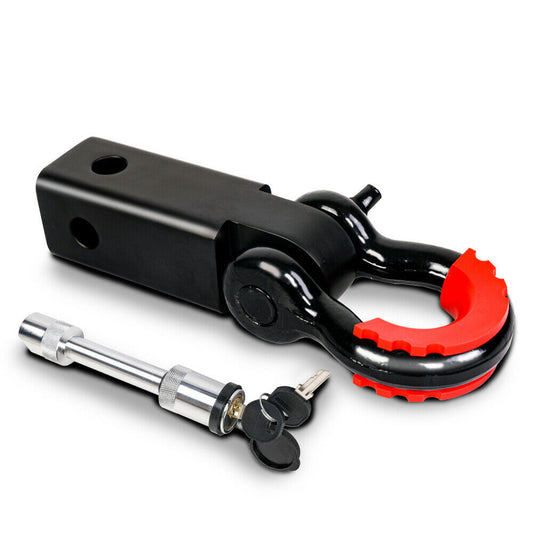
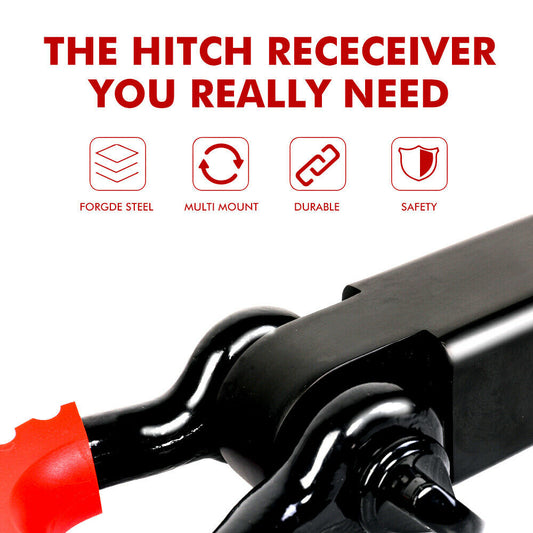
A purpose-designed recovery hitch receiver can provide a rear connection when fitted to a compatible towbar receiver and used exactly as instructed. Confirm the receiver dimensions, pin size, shackle compatibility and rating, and check that the towbar and vehicle structure are approved for the recovery load.
A standard tow ball is not a recovery point. Dynamic loads can cause unsuitable fittings or attachment points to fail and become dangerous projectiles. Remove the towbar tongue where required and use only a recovery receiver or other manufacturer-approved rated point designed for the task.
Winches and Winch Accessories
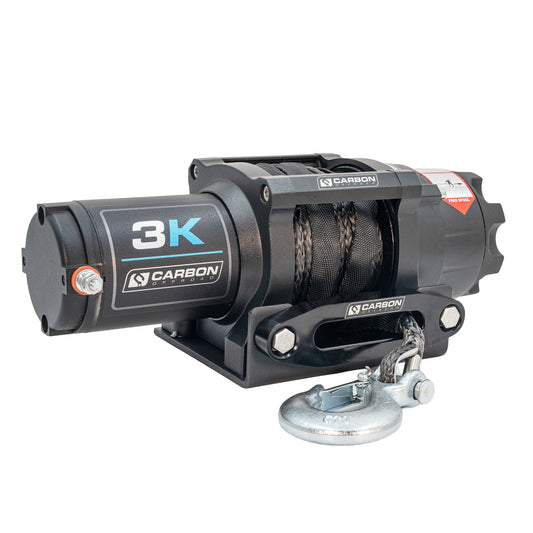
Choosing a winch involves more than its advertised line-pull figure. Check vehicle and bullbar compatibility, mounting strength, loaded vehicle mass, expected terrain, electrical system capacity, cable sizing, battery condition, rope length and diameter, fairlead type, control system, braking design and duty cycle. The mounting system and every connector must be suitable for the winch’s maximum load.
Winch accessories may include a tree protector, extension strap, recovery ring or snatch block, rated shackles, damper, gloves and suitable anchor equipment. Avoid damaging trees; where a tree must be used and local rules permit it, use an appropriate tree protector. Plan the line before tensioning, keep it as straight as practical, protect rope from sharp edges and monitor the winch for heat and duty-cycle limits.
Synthetic Rope or Steel Cable
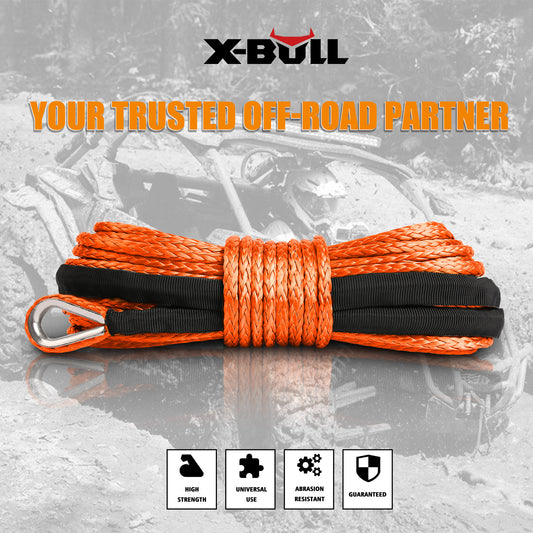
Synthetic winch rope is lighter and generally stores less energy than steel cable, but it can still fail dangerously. It needs protection from abrasion, sharp edges, contamination and excessive heat, and it must be paired with a compatible fairlead and drum setup.
Steel cable can tolerate some abrasive environments but is heavier, can corrode or kink and can store substantial energy under tension. Whichever line is used, inspect it regularly, use the manufacturer-specified fairlead and handling method, wear gloves and maintain a clear recovery zone.
Dampers, Exclusion Zones and Communication
All tensioned recovery equipment can fail. Use recovery dampers where instructed, but do not rely on a damper as the only control. Establish a clear exclusion zone around both vehicles, the recovery line, anchors and likely recoil paths. Nobody should stand beside, straddle or step over a tensioned rope, strap or cable.
Agree on the recovery plan and communication signals before starting. One person should coordinate the operation, both drivers should understand the signals and the recovery should stop immediately if communication is lost, equipment shifts or the load behaves unexpectedly.
Tyre Pressure and Supporting Recovery Gear
A tyre gauge, compressor and deflator are central to many sand and off-road setups. There is no universal tyre pressure for every vehicle, tyre, load and surface. Follow the vehicle and tyre manufacturer’s guidance, make gradual changes and drive more slowly when pressures are reduced. Re-inflate before returning to normal road speeds.
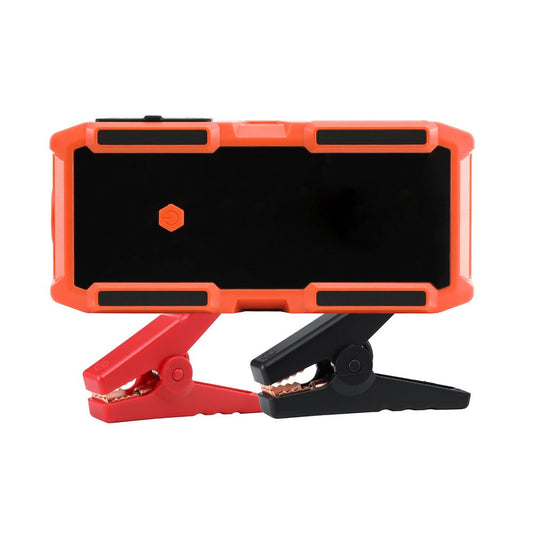
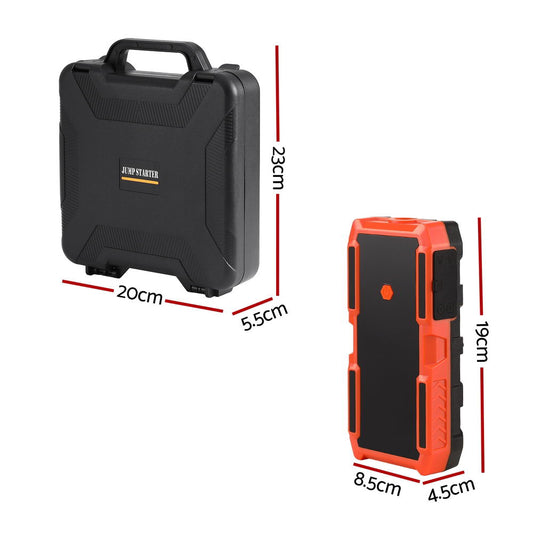
Other useful support equipment can include a shovel, puncture repair kit, gloves, first-aid kit, jump starter, spare parts, water and reliable communications. A jump starter helps with a compatible flat battery; it does not replace traction, towing or winching equipment. Check whether the unit matches a 12V or 24V system and the engine and battery limits listed by its manufacturer.
Complete Recovery Kits
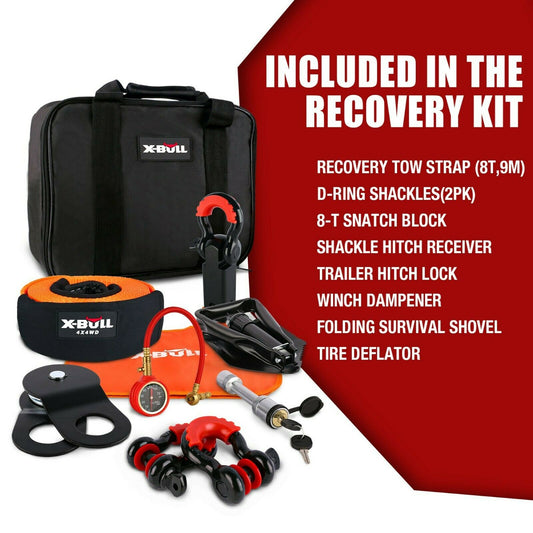
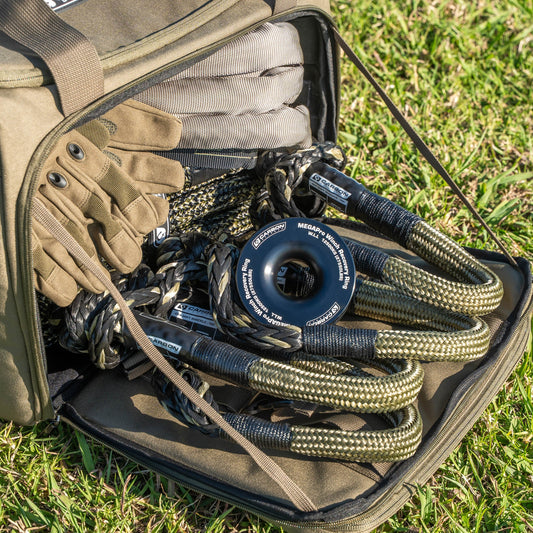
A complete recovery kit can make storage and preparation easier, but the word ‘kit’ does not guarantee that every item suits your vehicle or intended method. Check each component individually, including its rating, material, dimensions, compatible recovery points and included instructions. Add any missing safety equipment rather than assuming the supplied bag covers every situation.
For a first setup, prioritise equipment you know how to use. Training and a simple, correctly matched recovery system are more valuable than a larger collection of unfamiliar hardware.
Inspect, Clean and Store Recovery Gear
Inspect recovery equipment before and after use. Look for cuts, broken fibres, glazing, heat damage, abrasion, chemical contamination, UV deterioration, corrosion, bent hardware, damaged threads, cracked boards, distorted pins and labels that can no longer be read. Clean and dry equipment according to the manufacturer’s instructions before storing it away from sunlight, moisture, fuel and sharp objects.
Retire equipment at the manufacturer’s stated interval or immediately after severe overload, visible damage or any event that creates doubt about its condition. Do not repair, knot, weld, drill or modify recovery equipment unless the manufacturer provides an approved procedure.
Common 4WD Recovery Mistakes to Avoid
- Continuing to spin the tyres and digging the vehicle deeper before assessing the situation.
- Using a tow ball, transport tie-down point or unidentified hook as a recovery point.
- Mixing straps, ropes, shackles and anchors without checking that the full system is compatible.
- Assuming the largest printed number automatically makes a product suitable.
- Using a snatch strap or kinetic rope without competent operators and an exclusion zone.
- Standing beside, stepping over or straddling a tensioned recovery line.
- Using soft shackles on sharp or damaged metal edges.
- Operating a winch without checking the mount, battery, wiring, fairlead and duty cycle.
- Spinning tyres aggressively against recovery tracks.
- Reducing tyre pressure without carrying a working gauge and compressor for re-inflation.
- Packing wet, sandy or damaged straps and ropes without cleaning and inspection.
- Attempting a complex recovery when professional assistance is the safer option.
Complete Your 4WD Touring Setup
Build out your recovery system with equipment from our Air Compressors & Tyre Deflators, 4WD DIY Parts and 4WD Gear & Off-Road Accessories collections, or browse the complete Camping Gear range for touring and campsite essentials.
Safety note: Vehicle recovery can cause serious injury or damage. Product ratings and specifications are supplied by the relevant manufacturer or supplier. Always follow the vehicle and equipment instructions, use manufacturer-approved recovery points, keep people clear of the recovery zone and seek trained or professional assistance when the recovery is beyond your equipment or experience.
Guide reviewed: August 2026.