12 No-Fridge Camping Meals for Aussie Trips
You notice the esky first. It starts strong on day one, then by day two it’s a sloshy mess of melted ice, soggy packaging and food you’re suddenly not too keen to trust. That’s why no fridge camping meals are such a smart move, especially for Aussie road trips, beach camps, overnighters and quick weekends away where simple wins.
The good news is you do not need to live on dry biscuits and baked beans straight from the tin. With a bit of planning, you can eat well without relying on refrigeration. The trick is choosing ingredients that handle heat, travel well and give you enough variety that meals still feel like proper meals.
Why no fridge camping meals make sense
For plenty of campers, skipping the fridge or esky is less about roughing it and more about convenience. You save space in the car, cut down on food safety worries and spend less time dealing with ice. That matters when you’re setting up in fading light, travelling with kids or moving camp every day.
There’s also less waste. Shelf-stable food is easier to portion, easier to pack and less likely to end up in the rubbish because it got warm too early. If you’re heading remote, that extra reliability counts.
Of course, there’s a trade-off. You’ll have fewer fresh ingredients and a bit less flexibility than a fully stocked camp kitchen. But if your meals are built around smart pantry staples, that trade-off is pretty minor.
How to build better no fridge camping meals
The easiest way to plan is to think in layers. Start with a base like wraps, rice, pasta, couscous or instant noodles. Add a protein such as tuna sachets, canned chicken, beans, lentils or salami that’s shelf stable until opened. Then finish with flavour from sauces, spice blends, olive oil, nuts or crunchy veg that can handle a day or two out of the fridge, like onions, carrots and capsicum.
Texture matters more than people think. If every meal is soft and beige, you’ll get over it quickly. Crackers, roasted nuts, fried shallots, seeds and pickles can do a lot of heavy lifting.
Portion size matters too. Once a shelf-stable item is opened, you usually want to use it then and there. Single-serve packets often cost a little more, but for camping they can be worth it.
12 no fridge camping meals worth packing
1. Tuna and cracker lunch packs
Tuna sachets are one of the easiest camp foods going. Pair them with crackers, a squeeze of lemon, a few cherry tomatoes if you’re eating them early in the trip, and maybe a small tub of olives. It’s quick, filling and needs almost no clean-up.
This works especially well for travel days or beach stops when you do not want to fire up the stove.
2. Peanut butter and banana wraps
Not every camp meal needs to be hot. Peanut butter travels well, wraps keep better than bread, and bananas are sturdy enough for the first day or two. If you want extra energy, add honey or a sprinkle of muesli.
It’s simple, but for an early start or a mid-arvo feed, simple is the point.
3. Two-minute couscous with chickpeas
Couscous is a camping weapon. Add boiling water, cover it for a few minutes, then stir through chickpeas, olive oil, spice mix and chopped roasted capsicum from a jar. If you’ve got a red onion on hand, even better.
It feels more like a proper dinner than instant noodles, but it’s nearly as easy.
4. Camp pasta with jar sauce and salami
Dried pasta is compact and cheap, and a small jar or pouch of pasta sauce makes dinner easy. Slice in some shelf-stable salami for extra flavour and protein. Add dried chilli or parmesan-style shaker cheese if that’s your thing.
This one is ideal for families because it’s familiar and filling without much fuss.
5. Baked beans on toast with extras
It’s a classic for a reason. Heat a tin of baked beans and serve over toasted bread or wraps crisped in the pan. If you want to lift it, add hot sauce, fried onion or a handful of crushed corn chips on top for crunch.
Not fancy, but after a cold night it hits the spot.
6. Instant rice with curry tuna
Microwave rice is handy if you have the right setup, but plain instant rice or quick-cook rice is often the better camping choice. Mix through a flavoured tuna sachet or a simple curry sauce from a pouch. Throw in peas only if you plan to use a shelf-stable version.
This is one of those no fridge camping meals that works well when you’re hungry and want dinner sorted fast.
7. Lentil soup with damper or crusty rolls
A quality canned soup can be a solid dinner, especially in cooler weather. Lentil, pumpkin or tomato-based soups travel well and are easy to heat. Pair with damper if you like cooking at camp, or just bring fresh rolls for the first night.
Soup is also a good backup meal to keep in the camp box for when plans change.
8. Ramen upgraded with egg alternative add-ins
Fresh eggs can travel if handled properly, but when you’re truly avoiding perishables, skip them and bulk up instant ramen with mushrooms, spring onions, seaweed snacks or tinned corn. A spoonful of peanut butter and a dash of soy sauce can also turn basic noodles into something more satisfying.
It costs bugger all and works when you need a hot meal in ten minutes.
9. Mexican-style bean wraps
Black beans or mixed beans, salsa from a jar, wraps and a bit of taco seasoning are all easy to pack. Warm the beans, spoon them into wraps and top with crushed corn chips for crunch.
If you’re feeding a few people, this stretches well without blowing the budget.
10. Oats with long-life milk
For brekkie, oats are hard to beat. Use long-life milk or just water, then add sultanas, cinnamon, nuts or a spoon of jam. It’s warm, cheap and filling, which is exactly what you want before a big day walking, fishing or driving.
Quick oats save time, but rolled oats have better texture if you do not mind waiting a bit longer.
11. Camp charcuterie, the easy way
For a no-cook dinner, pack shelf-stable salami, crackers, nuts, dried fruit, chutney and hard fruit like apples or pears. It sounds a bit flash, but it’s really just smart snacking turned into a meal.
This is a good option for the first night when you arrive late and can’t be bothered cooking.
12. Jacket potatoes with canned chilli
If you’ve got a fire or a gas cooker and some time, jacket potatoes are brilliant. Cook them in coals or foil, then top with canned chilli beans or a tin of savoury mince-style filling. It feels hearty and a bit more substantial than packet food.
Potatoes travel well, and they make camp meals feel less repetitive.
What to pack so meals stay easy
A lot of camp cooking frustration comes from poor packing, not bad meal ideas. Keep your food in clear tubs by category - breakfast, dinners, snacks and extras. That way you’re not digging through everything every time someone asks what’s for tea.
Bring a few basic flavour boosters. Salt, pepper, olive oil, chilli flakes and a general seasoning blend can turn plain ingredients into something you actually want to eat. A decent can opener, sharp knife and reliable camp stove matter just as much as the food itself.
If you’re travelling through hot parts of Australia, be realistic about heat. Even foods that seem sturdy can degrade fast in a hot car. Store supplies out of direct sun, and avoid packing more opened food than you can use promptly.
When a fridge is still worth having
There are trips where a fridge, fridge freezer or a well-managed esky absolutely makes life easier. Longer stays, family trips, fresh meat plans and hot weather all change the equation. If you want yoghurt for breakfast, cold drinks all day and proper fresh produce for several days, refrigeration earns its keep.
But for plenty of weekenders, overnighters and simple touring setups, going without is liberating. Less gear, less stress and less mess.
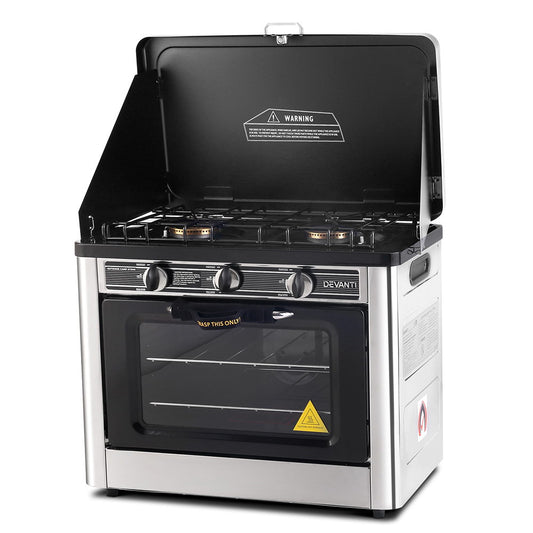
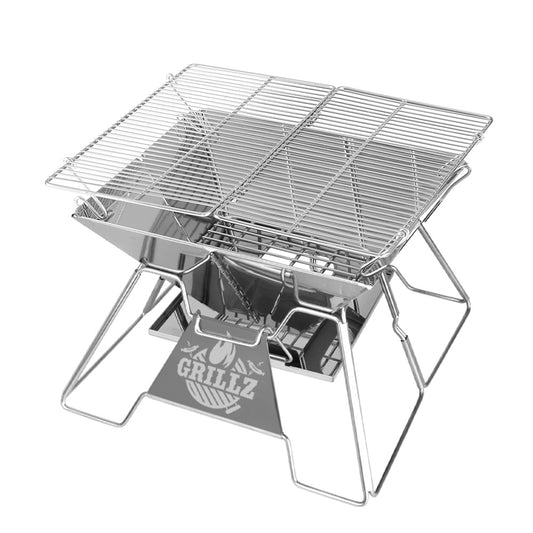
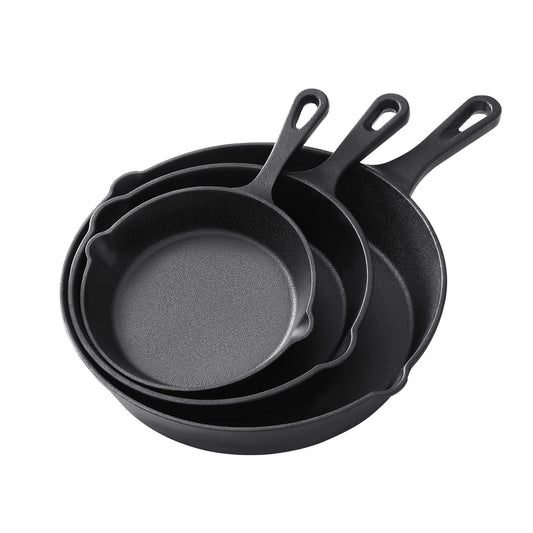
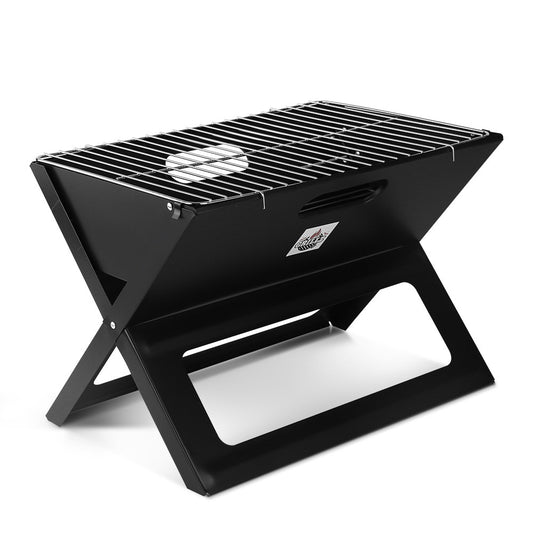
That’s also where practical camp kitchen gear makes a real difference. A reliable stove, cookware that does not take up half the ute, and smart storage can make basic pantry food feel a lot less basic. For Aussie campers who want gear that’s simple, dependable and ready for real conditions, Just Camp leans into exactly that.
Keep it simple enough to repeat
The best camping meal plan is not the most ambitious one. It’s the one you’ll actually pack, cook and enjoy after a long drive or a windy setup. Aim for a few dependable meals you know work, a couple of easy snacks, and one backup dinner for when weather or timing goes sideways.
If your food is easy to carry, safe to store and good enough that everyone eats it without complaint, you’ve nailed it. That leaves more time for the fire, the fishing, the road ahead and the kind of trip you’ll want to do again next weekend.