How to Secure a Gazebo in Wind for Camping
A pop-up gazebo can turn a hot campsite into a comfortable base in minutes. In wind, the same canopy can become a bent-frame hazard. Secure it for ordinary breezes, monitor the conditions and pack it down before gusts become strong enough to make the shelter difficult to control.
Start with a sensible site
Look for natural shelter without pitching under dead branches or unstable trees. Avoid exposed hilltops and wind funnels where possible. Position the smallest practical side towards the prevailing wind and remember that solid side walls can dramatically increase the load on the frame.
Use the right anchors for the surface
Grass and firm dirt
Use heavy-duty pegs or screw anchors suitable for the ground. Anchor every leg and add guy ropes from the manufacturer-approved upper points. Tension them evenly rather than twisting the frame out of square.
Concrete and hard caravan pads
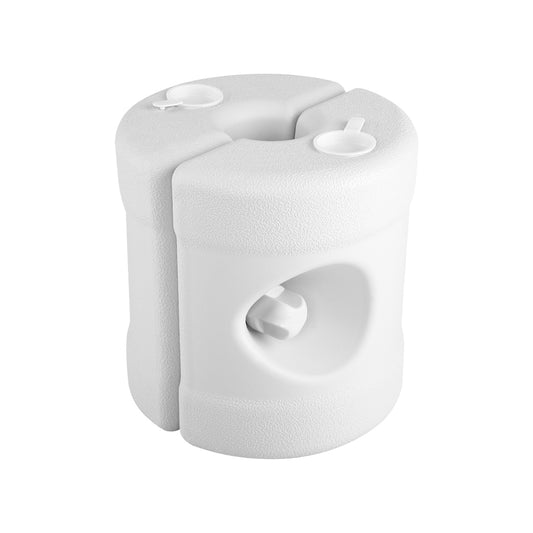
Use purpose-made gazebo weights at every leg. Water or sand-filled weights and designed base plates are more dependable than chairs, eskies, loose bricks or other improvised objects that can move or become hazards.
Sand
Ordinary narrow pegs have little holding power in loose sand. Use wide sand anchors, purpose-made screw anchors or properly buried anchor bags as appropriate for the product and location. Check them regularly because dry sand can shift.
Secure all four legs
Do not weight only the windward side. Gusts change direction and can lift or twist a gazebo from several points. Use all legs and guy lines, keep the frame square and place ropes where people can see them.
Keep the gazebo low and ventilated
In breezy conditions, use the lowest practical leg setting. A lower canopy has less leverage in the wind. Roof vents can reduce some pressure where the gazebo is designed with them, but they do not make a gazebo storm-proof.
Be careful with side walls
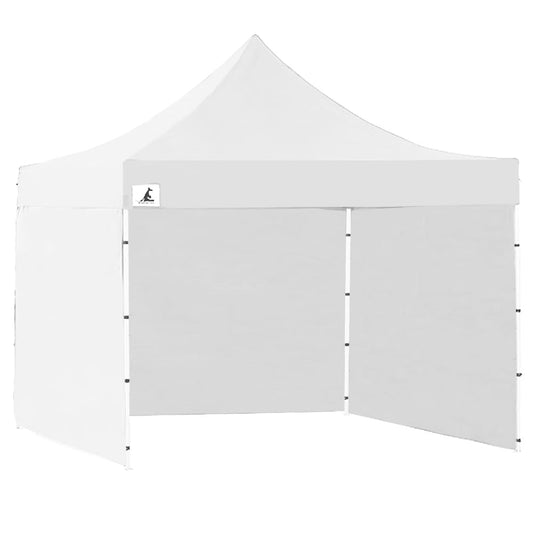
Solid side walls are useful for privacy and low sun, but they can turn the gazebo into a sail. Remove walls when wind starts loading the frame and never rely on them as weather protection in severe conditions.
Pack down before the weather wins
If the frame is shaking, legs are moving or gusts are building despite correct anchoring, take it down while the shelter is still manageable. Do not wrestle a lifting gazebo alone.
For the broader campsite plan, see our guide on how to make a campsite storm ready.
For ordinary camping shade options, browse gazebos. The important part is matching the anchoring system to the surface and recognising that packing down is the correct safety response when wind becomes strong.