Beach Camping Checklist for Australian Trips
A beach camp can turn brilliant very quickly. One minute you are setting up with the sound of the surf behind you, the next you are chasing a gazebo down the sand or realising the tide is much closer than it looked. This beach camping checklist Australian travellers can use is built for real coastal weekends: practical gear, sensible planning and fewer surprises once you leave the bitumen.
Beach camping checklist Australia: start with the site
Before loading the ute, check exactly where you are allowed to camp. Plenty of Australian beaches sit inside national parks, conservation areas or private land, and camping rules vary from one region to the next. Some places require a booked campsite, while others only allow camping in designated zones well behind the dunes. Beach driving may also require a permit, vehicle access pass or a current recreation permit.
Do not assume a beach is campable because you can drive on it. Look for local signage, check fire restrictions and know whether dogs, generators and fishing are permitted. If there are no bins, toilets or fresh water, plan to be completely self-sufficient and take every bit of rubbish home.
Tides are the big one. Check a local tide chart before you go, then choose your camp spot well above the high-tide line. Look for recent seaweed, debris and wet sand, which show how far the water can reach. A quiet beach at lunchtime can look very different after dark, during a king tide or when weather pushes swell higher up the shore.
Shelter that stands up to sand and wind
Beach camping is not always about heat. Coastal wind can blow hard, the temperature can drop after sunset and fine sand finds its way into everything. Your shelter needs to handle more than a calm backyard test run.
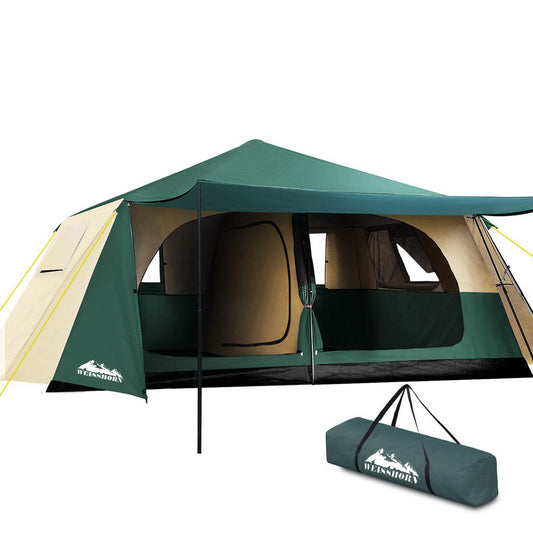
A tent or swag with good ventilation is a solid base. For families, a roomy tent gives everyone space to get changed, store bags and sit out a shower. A swag is quicker for a short fishing mission or overnight stop, but it offers less room when wind, rain or mozzies arrive. Make sure all zips, mesh panels and seams are working before the trip.
Pack sand pegs or screw-in pegs instead of relying on standard tent pegs. Our tent peg guide explains why sand needs broader, longer anchors. In loose sand, ordinary pegs can pull free without much effort. Guy ropes, a mallet and a few spare pegs are worth having, especially if you are taking a gazebo or awning. Set up with the lowest, strongest side facing the prevailing wind and avoid pitching directly on exposed dune crests.
Your shelter kit should cover the essentials:
- Tent, swag or camper setup with a fitted groundsheet
- Sand pegs, guy ropes, mallet and a small repair kit
- Gazebo, awning or shade shelter with secure tie-downs
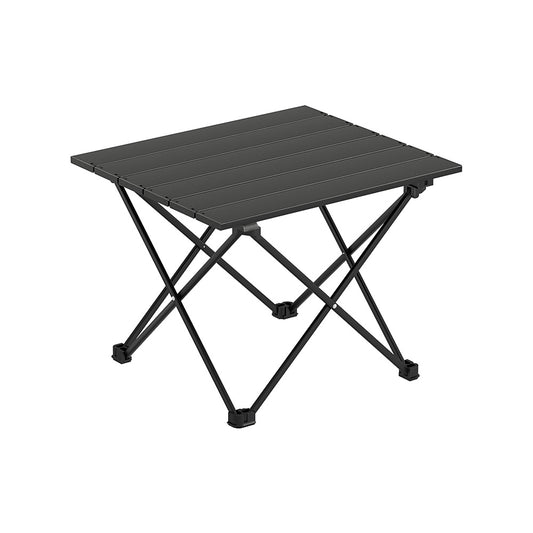
- Camp chairs and a sturdy table that will not sink into soft sand
- Doormat, tarp or sand mat to keep sleeping areas cleaner
- Sleeping bags, pillows and an extra blanket for cold coastal nights
Water, food and camp cooking
Salt air makes you thirsty and a hot beach day can burn through water faster than expected. Bring more drinking water than you think you will need, particularly if you are camping remotely or travelling with kids. Water for cooking, washing up and rinsing sandy feet adds up too.
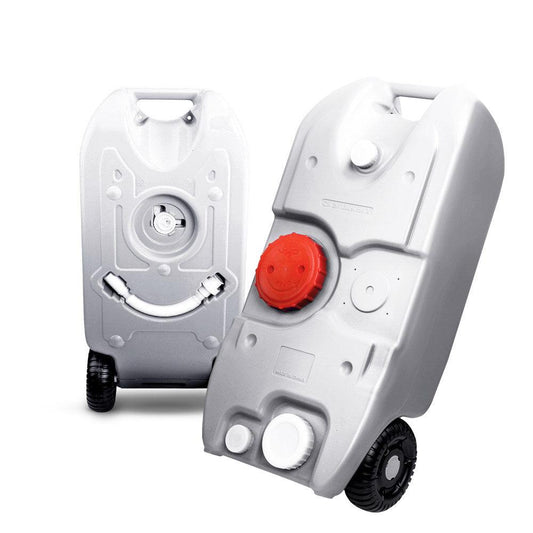
A good rule is to pack separate containers for drinking water and general-use water. A jerry can with a tap makes camp jobs easier, while a smaller insulated water bottle is handy for the beach, a walk or a drive along the tracks. If you are relying on a campground tap, have a backup supply in case it is unavailable or not suitable for drinking.
Keep meals simple. Wind and sand do not suit fussy cooking. A portable gas stove, camp kettle, frying pan and a reliable cooler can cover breakfast, lunch and dinner without filling the car. Pre-cut ingredients at home, freeze a few meals and pack them in sealed containers. It saves time, cuts rubbish and means less food is exposed to flies.
For your food and cooking setup, pack a cooler or portable fridge, ice bricks, gas stove, fuel, lighter, cookware, plates, cups, cutlery, a sharp knife and a washing-up tub. Add rubbish bags, paper towel, dishwashing liquid and a container for food scraps. Never leave food out overnight - it attracts birds, possums, dingoes and other curious locals, depending on where you are camping.
Sun, salt and personal comfort
The beach has a way of making people underestimate the sun. Reflection off water and sand can catch you out even on a cooler, cloudy day. Pack broad-spectrum sunscreen, a wide-brim hat, polarised sunnies and a long-sleeve shirt or fishing top. Reapply sunscreen after swimming, sweating or towelling off.
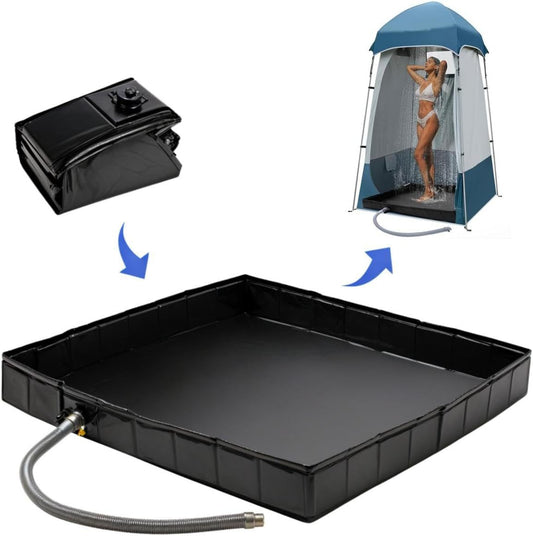
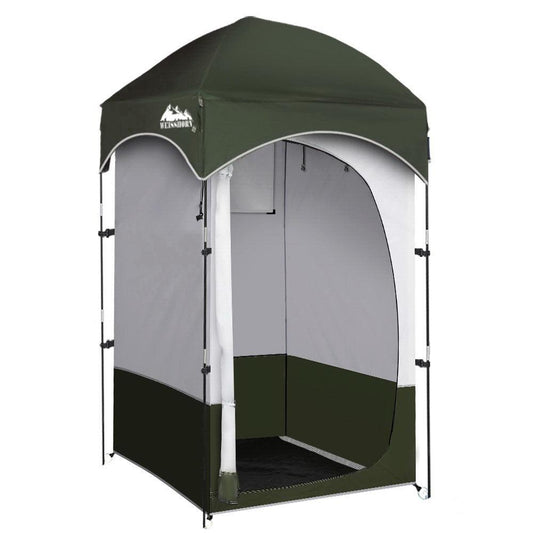
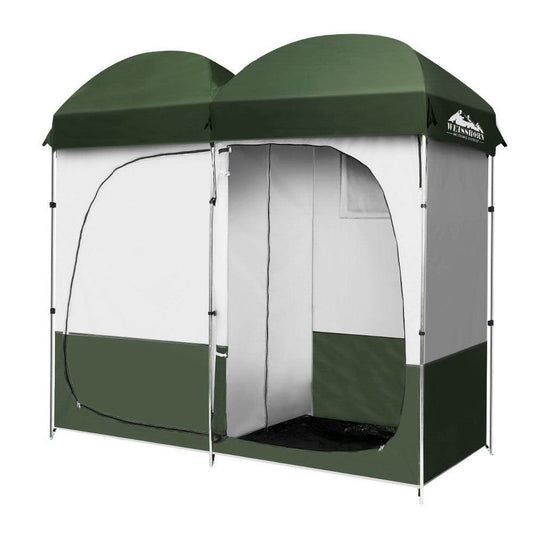
A beach towel is useful, but a microfibre towel dries faster and takes up less room. Bring thongs for quick trips across hot sand, plus enclosed shoes for walking tracks, fishing rocks and collecting firewood where it is allowed. A small tub of fresh water or a portable shower helps stop everyone taking half the beach into the tent.
Mozzies and midges can be fierce around dunes, estuaries and mangroves. See our camping mosquito protection guide for a layered approach. Pack insect repellent, bite relief and light long-sleeve clothing. If anyone in the group uses regular medication, keep it in a dry, easy-to-reach bag rather than buried under camp gear.
Power, lights and charging gear
A headlamp is one of the best beach camping purchases you can make. It leaves both hands free for cooking, setting up guy ropes or finding your way back from the toilet block. Pack lanterns for the table, spare batteries where needed and a rechargeable light for each sleeping area.
For longer stays, a portable power station paired with solar panels can keep lights, mobiles, camera gear and a camp fridge running. The right setup depends on what you are powering. A single overnight trip may only need a fully charged power bank, while a family camp with a fridge needs more battery capacity and a clear charging plan.
Keep electronics in dry bags or sealed tubs. Salt, sand and charging ports are a poor combination. If you are travelling beyond mobile coverage, download maps before leaving and consider a communication device suited to remote travel. Tell someone where you are going and when you expect to return.
Beach driving and safety essentials
If your site involves beach driving, prepare the vehicle before the wheels hit sand. Check local access conditions, tide times and track closures. Travel on firm sand where permitted, avoid saltwater crossings and do not drive through dunes or vegetation. Those areas are fragile, often protected and easily damaged.
If you are driving on soft sand, carry suitable recovery equipment and know how to use it safely. Browse 4WD recovery gear for the broader category. Carry a tyre pressure gauge, air compressor, rated recovery points, recovery boards, a shovel and a snatch strap only if you know how to use it safely. Lowering tyre pressures can improve flotation, but use the pressure suited to your vehicle, tyre and conditions, then reinflate before returning to sealed roads.
A first-aid kit should be close at hand, not packed at the bottom of the trailer. Include bandages, antiseptic, pain relief, tweezers, saline, compression bandages and any personal medication. Add a torch, whistle and emergency contact details. Watch children closely around surf, rocks, creeks and boat ramps - conditions can change much faster than they expect.
Leave the coast better than you found it
Beach camps work best when everyone treats the place like it is their own backyard. Keep vehicles on approved tracks, use existing fire rings where fires are allowed and never collect driftwood or cut vegetation unless local rules clearly permit it. In many coastal areas, a gas cooker is the safer choice during dry or windy conditions.
Pack rubbish bags for general waste, recyclables and wet gear. Shake sand from mats and towels before packing up, then do a final walk around your campsite for bottle tops, cable ties, fishing line and food scraps. Small bits of rubbish are easily missed and can harm wildlife.
Great coastal trips do not need complicated gear, but they do need the right gear. Stock up before you leave, set up above the tide line and give yourself enough shade, water and time to enjoy the view.