Campsite Setup Tips for Easier Aussie Camping
You can usually spot a good campsite setup within five minutes. The tent is square, the chairs are in the shade, the kitchen isn’t blocking the walkway, and nobody’s chasing gear across the ground in a gusty arvo wind. The best campsite setup tips aren’t about making camp look fancy. They’re about making the whole trip easier, safer and a lot more comfortable.
A smart setup saves time when you arrive, keeps the site functional once you’re settled, and makes pack-down far less painful when it’s time to head home. Whether you’re heading off in a 4WD, towing a van, or loading the family wagon for a beachside weekend, a few small decisions at the start can make a big difference.
Start with the ground, not the gear
Before you unload a single bag, stop and look at the site properly. That sounds obvious, but it’s where plenty of campers go wrong. The flattest-looking patch isn’t always the best place to sleep, and the most convenient spot for the camp kitchen might turn muddy fast if the weather turns.
Look for level ground with decent drainage. If rain comes through overnight, you don’t want water pooling under your tent or swag. Avoid low spots, worn channels and areas with exposed roots or sharp rocks. In Australia, it also pays to look up as well as down. Loose branches, heavy gum limbs and messy sap-dropping trees can ruin an otherwise good setup.
Wind direction matters too. If it’s blowing hard, position your tent or awning so the broadside isn’t taking the full hit. That makes the whole camp more stable and more comfortable. On hot trips, morning shade can be worth chasing, especially if you don’t want to be sweating through breakfast.
Campsite setup tips for a layout that works
Once you’ve picked the right patch, think about how the site will actually function. A campsite shouldn’t just fit your gear. It should fit the way you move through the day.
Put sleeping gear in the quietest, most sheltered part of camp. Keep cooking gear close enough to access easily, but not so close that everyone’s stepping around stoves, tables and tubs every five minutes. If you’re using an awning or gazebo, make that your central living zone, then work outwards from there.
It helps to separate your setup into simple zones - sleeping, cooking, seating, storage and power. That sounds basic, but it stops the usual campsite chaos where torches vanish, food gets buried under bedding and someone’s always hunting for the kettle. Families especially benefit from this kind of setup because it cuts down the constant shuffle of gear and people.
The trade-off is space. Some campsites are tight, and you won’t always have room for a perfect layout. In smaller sites, focus on keeping pathways clear and the essentials easy to reach. A compact setup that works is better than a sprawling one that gets messy by sunset.

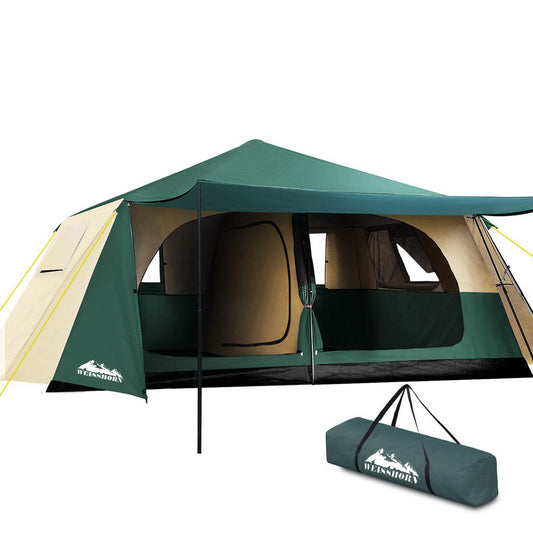
Set up shelter first
If the weather is good, it’s tempting to take your time. Don’t. Get your main shelter sorted first while you’ve still got energy and daylight. In practical terms, that usually means the tent or swag, awning or gazebo before anything else.
Once shelter is up, peg it down properly. Not roughly. Properly. Australian conditions can change quickly, and a light breeze in the afternoon can turn into a strong blow at night. Use decent pegs suited to the ground and tension guy ropes so they actually support the structure. If the ground is soft or sandy, standard pegs may not cut it, so it’s worth having options packed.
After that, sort your bed before the rest of camp. It sounds backwards if you’re more focused on the kitchen or firepit, but if you arrive late or conditions worsen, having your sleeping setup ready takes the pressure off. Mattress inflated, stretcher assembled, sleeping bag unrolled - done.
Keep your camp kitchen simple
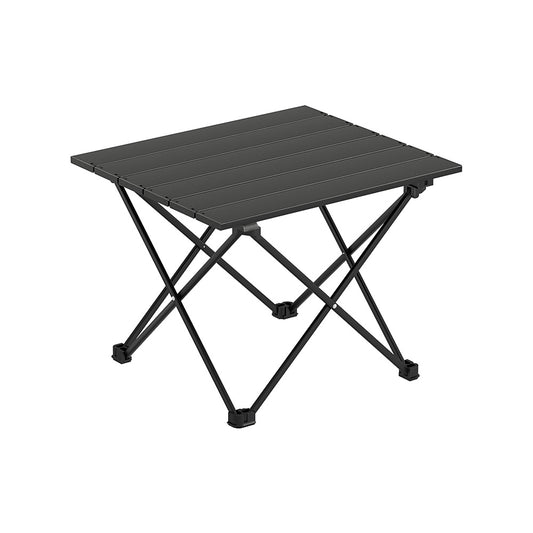
A good camp kitchen doesn’t need to be elaborate. It just needs to be organised. One stable table, sensible storage and a clear cooking area will beat a cluttered setup every time.
If you want to dial that area in properly, our camp kitchen setup guide covers a simple layout that works.
Keep food, cookware and washing gear grouped together. If you’re digging through four tubs to find a frypan, your system needs work. Put regularly used items where they’re easy to grab, and keep matches, gas canisters and utensils in predictable spots. At night, that matters even more.
Try to position your cooking area out of the main foot traffic. It’s safer, especially with kids around, and it makes meal prep less frustrating. If the site is dusty, windy or likely to cop a bit of weather, use a windbreak or cook under suitable cover where safe to do so.
There’s also a balance between bringing enough and bringing too much. Plenty of campers overpack kitchen gear, then spend the whole trip shifting boxes around. If you’re away for a short stay, keep meals simple and your setup lighter.

Don’t let power and lighting become an afterthought
Lighting is one of those things you only notice when it’s bad. A single harsh lantern in the middle of camp usually creates glare in one spot and darkness everywhere else. A better approach is to layer your lighting.
Use a main light for the kitchen or communal area, softer lighting around seating, and a torch or headlamp for moving around at night. That gives you better visibility without turning camp into a floodlit car park. It also helps preserve a bit of atmosphere, which matters when you actually want to relax.
If you’re running battery packs, solar gear or portable power, keep that setup protected and tidy. Cables stretched across camp are a trip hazard, and power stations left in direct sun or exposed weather won’t do you any favours. Charging mobiles, lights and fridges becomes much easier when you’ve got one dedicated spot for it.
For longer stays, power planning matters more than people expect. It’s not just about capacity. It’s about access, weather, and how many devices you’re actually relying on. If solar is part of the setup, our portable solar setup guide is a handy next read.

Think about comfort early
The campsite setup tips that get ignored most often are usually the comfort ones. Then day two rolls around and everyone starts improvising shade, moving chairs and complaining about where things ended up.
Put seating where people will actually use it. That usually means shade during the day, warmth near the fire in the evening, and enough room to move without bumping into guy ropes or gear piles. A camp chair shoved wherever it fits isn’t the same as a living area that invites people to sit down and stay a while.
Shade is another big one in Australian conditions. If natural cover is limited, your awning, gazebo or shelter needs to do real work. It’s not just for keeping the sun off. It makes cooking easier, gives kids somewhere to hang out, and helps the whole camp feel more usable across the day.
Storage matters here too. If everything is left loose on the ground, camp gets scrappy fast. A couple of tubs, a folding shelf or even a consistent spot for shoes and bags can keep the whole site feeling under control.
Be smart about weather, bugs and site conditions
Every campsite has its own quirks. Coastal sites can mean salt, wind and sand in everything. Bush camps often bring uneven ground, dust and more insects. Riverfront spots can be brilliant, but mozzies may make themselves very comfortable as well.
That’s why the best setup is rarely one-size-fits-all. If the forecast is hot, prioritise airflow and shade. If it’s cold, think about shelter from wind and keeping sleeping gear dry. If bugs are likely, don’t wait until dusk to sort screens, zips and repellents.
It also pays to keep wet-weather options in mind even when the forecast looks fine. Having a dry place for boots, firewood, jackets and cooking gear can save a lot of hassle. You don’t need to overbuild for every trip, but a bit of planning beats scrambling once the weather changes.
Keep pack-up in mind while you set up
This is the part many people skip, but it’s one of the handiest campsite setup tips around. Set up camp in a way that makes leaving easier.
Keep similar gear together. Don’t spread kitchen items through three different bags. Don’t stash pegs in random corners. Don’t toss dirty gear on top of clean bedding and promise yourself you’ll sort it later. Future-you will be filthy about it.
A tidy setup is easier to live with and easier to pack down. It also reduces the odds of leaving something behind. For weekend campers, that means less stress on the last morning. For road trippers doing repeated overnighters, it can be the difference between a smooth routine and a daily reset that feels like hard work. If your tubs and bags are part of the problem, our camping storage boxes guide has a few practical ways to simplify it.
A better camp starts before sunset
Good camps don’t happen by accident. They come from simple choices made early - picking the right ground, setting up shelter first, keeping the layout practical and resisting the urge to overcomplicate things. You don’t need a massive rig or a perfectly styled setup. You need gear that works, a plan that makes sense, and enough forethought to make camp comfortable once the day winds down.
If you’re building your kit from scratch or replacing tired essentials, dependable gear suited to Australian conditions makes the whole process easier. Just Camp keeps it simple with great value gear for every adventure, so you can spend less time fiddling with setup and more time enjoying where you’ve landed.
Next trip, aim for a camp that feels easy to live in from the moment you pull up. That’s usually the difference between a good weekend away and one where you’re counting the hours till pack-up.