How to Set Up Camp Kitchen That Works
A camp kitchen usually looks great for the first ten minutes. Then the kettle is under a chair, the oil is leaking in a crate, someone can’t find the tongs, and dinner starts late. If you’re wondering how to set up camp kitchen space properly, the goal is simple - make cooking easy, safe and quick enough that it still feels like a holiday.
The best camp kitchens are not the biggest or the most expensive. They are the ones that match the way you travel. A couple doing overnighters in a swag setup will want something compact and fast to pack down. A family at a powered site for five nights can spread out more and bring extra storage, prep space and washing gear. Get the layout right and every meal gets easier.
Start with the right camp kitchen zone
Before you unpack a single pot, choose the spot. This matters more than people think. A poor location turns even good gear into a hassle.
Look for flat ground first. Your stove, table and washing tub all work better when they are level, and so does your patience. Try to set up a few steps away from the tent or swag rather than right beside the entry. That keeps foot traffic out of the cooking area and cuts down on dust, spills and late-night tripping.
Wind direction is another big one in Australian conditions. If your stove is copping a crosswind, you’ll burn through gas faster and struggle to control heat. If you can, use your vehicle, a windbreak or the side of an awning as shelter, but keep plenty of ventilation. Shade helps too, especially for longer trips, because nobody wants to prep lunch with the sun belting straight onto the table.
If you’re camping with kids, give the kitchen a bit of breathing room. You want enough space for people to move around safely without knocking over hot pans or washing tubs.
How to set up camp kitchen layout without wasting space
A simple layout beats a cluttered one every time. Think in zones: cooking, prep, washing and storage. When each part has a place, the whole setup feels more like a usable outdoor kitchen and less like a lucky dip.
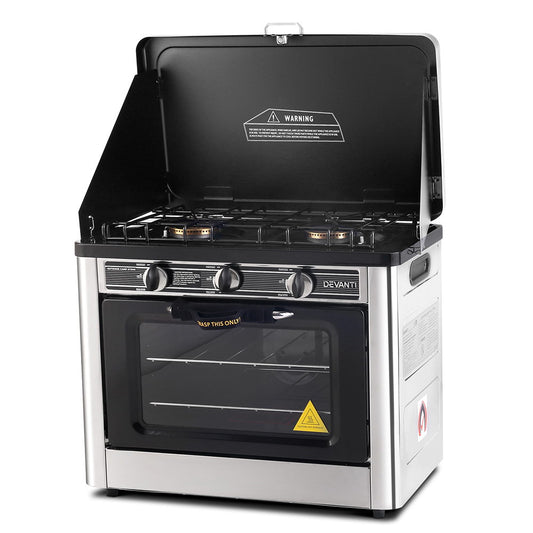
Put your stove on the most stable surface you’ve got. That might be a dedicated camp kitchen bench or a sturdy folding table. Keep fuel canisters, lighters and utensils close by, but not jammed under the burner where they can heat up. Leave enough room beside the stove for plating up, resting hot cookware or setting down a kettle.
Next to that, keep a clear prep area. Even a small chopping board zone makes a difference. If space is tight, this is where a folding kitchen unit earns its keep because you get shelves and bench space in one footprint.
Set your washing gear on the outer edge of the kitchen, not in the middle of it. A collapsible sink or tub works well, but if it sits where you’re trying to cook, it becomes an obstacle. Put rubbish nearby too. One bag for general rubbish and one spot for recyclables keeps the site tidier and pack-up easier.
Storage should sit underneath or beside the main bench, not scattered through camp. Crates, tubs and pantry organisers save time because you’re not hunting through the car every time you need tea bags or a frypan.
Keep your cooking gear simple and dependable
A lot of campers overpack the kitchen. It sounds smart at home, but at camp it just means more clutter, more cleaning and more things to lose.
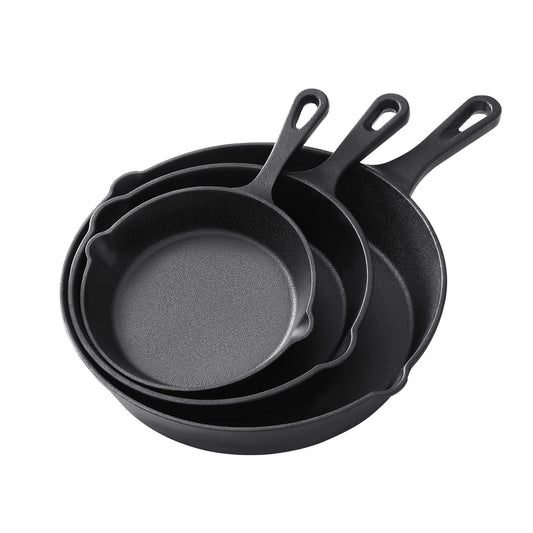
For most trips, you only need a reliable stove, cookware that suits your meal plan, a kettle, a sharp knife, a chopping board, plates, cups and basic utensils. Add a billy or coffee setup if that’s non-negotiable. If you’re feeding a family, a second burner is usually worth it. If you’re only boiling water and frying a quick breakfast, a smaller setup may be all you need.
It depends on how and where you camp. Remote travel often calls for tougher gear and a bit more redundancy. Caravan parks and short weekend camps let you travel lighter. The mistake is bringing gear for every possible scenario instead of the trip you’re actually doing.
Good camp kitchen gear should handle dust, heat, travel vibration and repeated pack-up. That’s where value matters more than gimmicks. You want gear that works properly in real Aussie conditions, not something that looks clever but wobbles after one trip.
Sort your pantry before you leave home
A well-set-up camp kitchen starts before you arrive. The easiest way to improve your setup is to pre-pack food and cooking basics into categories.
Keep dry goods together in sealed containers or labelled pouches. Group breakfast items, dinner ingredients, snacks and drinks so they’re easy to grab. Put oils, sauces and seasonings into one caddy. That way, instead of unloading ten random items, you pull out one box and you’re ready to cook.
The same goes for your cold storage. Pack the fridge or esky in meal order if you can. Items for the first day should be easy to reach. Raw meat needs to be packed securely to avoid leaks. If you’re using ice, allow for drainage and keep a separate area for drinks so people aren’t opening the food section all day.
This kind of planning doesn’t just save time. It cuts waste, reduces mess and makes it much easier to keep food safe.
Make washing up part of the setup
Nobody enjoys cleaning at camp, but a bad wash-up system turns the whole site into chaos. Build it into the kitchen from the start.
You need a clear spot for dirty dishes, a washing tub or sink, water access, biodegradable detergent and somewhere for clean items to dry. If there’s no drainage point nearby, think ahead about where grey water will go and follow local site rules. Some campgrounds are strict, and fair enough.
Keep your dish gear compact and separate from food. A small caddy with detergent, sponge, scrubber and tea towel works well. If space allows, a drying rack helps. If not, a microfibre towel and a clean storage tub for dry items does the job.
This is one of those areas where bigger isn’t always better. A huge washing station can be overkill for short trips, while a very basic setup can become annoying fast on longer stays. Match it to the trip length and number of people.
Don’t ignore lighting and power
Camp kitchens often get busiest right on dusk, which is also when visibility drops off. If you’ve ever chopped onions under a head torch while insects launch themselves at your face, you already know why lighting matters.
A solid area light over the kitchen makes meal prep safer and less frustrating. Position it high enough to spread light across the stove and bench without shining straight into everyone’s eyes. If you’re off-grid for a few days, think about battery capacity or a simple power solution to keep lights and small gear running.
If you use powered accessories like a fridge, rechargeable lanterns or a coffee machine, keep cords tidy and away from walkways. A neat setup is safer and easier to live with.
How to set up camp kitchen storage for fast pack-up
The best storage system is the one that lets you pack and unpack in minutes. That means keeping like items together and avoiding loose gear wherever possible.
Use one tub for cookware, one for pantry items and one for cleaning gear. Keep your most-used items on top. If something comes out every meal, it should not live at the bottom of a mixed box under three other bags. A cutlery roll, spice pouch and utensil organiser all help because they stop small items rattling around and disappearing.
For touring setups, compact storage matters even more. Every crate takes up valuable room in the ute, wagon or caravan boot. Foldable tables, collapsible sinks and stackable tubs help you carry more function without burning too much space.
This is where buying smart makes a difference. Practical, value-focused gear that packs down neatly will usually get used more often than oversized gear that feels like a chore.
Build a setup you’ll actually use
There is no single perfect answer to how to set up camp kitchen space. A beachside family camp, a quick inland overnighter and a long 4WD run all need slightly different gear and layout choices. What works is a setup that fits your trip, your vehicle space and the way you like to cook.
Start simple, fix what annoys you, and improve one part at a time. If your current setup slows you down, makes meals harder or leaves gear spread across camp, it’s worth sorting properly. Just Camp Australia stocks great value gear for everyday camping setups, which makes it easier to build a kitchen that works without overcomplicating things.
A good camp kitchen should make the trip feel easier from the first cuppa to the final wash-up - and that’s usually what gets you out there more often.