Camping Shower Setup for Clean, Easy Trips
A good camping shower setup is one of those small comforts that makes a big difference after a dusty 4WD track, a salty beach session or a long day setting up camp. It does not need to be fancy. The right setup simply gives you enough water, enough privacy and a reliable way to rinse off without turning your campsite into a muddy mess.
For a quick overnight stop, a basic solar shower bag may be all you need. For a family caravan trip or a week off-grid, a pressurised shower with a dedicated water supply is usually worth the extra space. The best choice comes down to where you camp, how long you stay and how much water you can realistically carry.
Start with the water you can spare
Water is the part of a camp shower that catches people out. A long, steamy shower at home can use more water than an entire camping group should spend in a day. At camp, aim for a quick wet, soap and rinse routine. Around 5 to 10 litres per person is plenty for a proper wash when used carefully.
If you are travelling with a caravan, camper trailer or 4WD with a water tank, a 12V pump shower can draw from your stored supply. This is tidy, convenient and a solid option for longer trips. Just keep drinking water priorities in mind, especially when heading into hot or remote parts of Australia where refilling is not guaranteed.
For weekend campers, separate jerry cans or a portable water container make the job simple. Fill your shower water before leaving home or use a safe campground tap where available. It is smart to keep shower water separate from your drinking supply if space allows, particularly when kids are keen on rinsing sand off three times a day.
Choose a camping shower setup to suit your trip
There is no single best shower for every campsite. Match the system to the kind of travelling you actually do, not the trip you imagine taking once a year.
Solar shower bags for simple camps
A solar shower bag is affordable, compact and easy to pack. Fill it, lay or hang it in direct sunlight, then use the attached hose and shower head when the water has warmed up. They work well at beach camps, national park sites and relaxed summer getaways.
The trade-off is heat control. A cloudy day, cool weather or a shaded campsite can leave you with water that is barely warmer than the tap. Check the temperature before using it, as a bag left in strong summer sun can become surprisingly hot. Solar bags also need a sturdy branch, awning arm or shower tent frame to hang at a useful height.
12V pump showers for flexible rinsing
A portable 12V shower uses a submersible pump in a bucket or water container, with power supplied through a 12V socket or battery system. These are handy for campers who want more control over where the shower happens. You can use one beside the ute, behind a windbreak or in a shower tent.
Most portable pump showers do not heat water themselves. Mix hot water from the camp kettle with cold water in a bucket to reach a comfortable temperature. Start conservatively. It is much easier to add more warm water than to cool down a bucket that is too hot.
Pressurised showers for quick, reliable use
Pressurised showers use a pump-up tank or built-in pressure system to deliver a steady spray without needing a hanging bag or powered pump. They are useful for washing hands, cleaning muddy feet and rinsing gear as well as showering. They can be a great fit for 4WD touring, particularly when you want a fast wash at a roadside stop.
Capacity is the limitation. Smaller units are ideal for one efficient shower or several quick rinses, but not for the whole family after a day at the beach. If you choose one, pack it where it is easy to access rather than buried under chairs and recovery gear.
Heated showers for cooler weather
Gas or diesel hot-water systems offer home-like comfort, but they need more planning, space and care. They are better suited to extended caravan travel, established camps and travellers who use them often enough to justify the cost. Follow the manufacturer instructions and keep the fuel-burning appliance outdoors at all times. Never place an outdoor gas or diesel water heater inside a shower tent or other enclosed space.
A heated system can be brilliant on a cold high-country morning. On a two-night summer camping trip, it may be more gear than you need. Great camping gear earns its place by getting used.
Create privacy without blocking your campsite
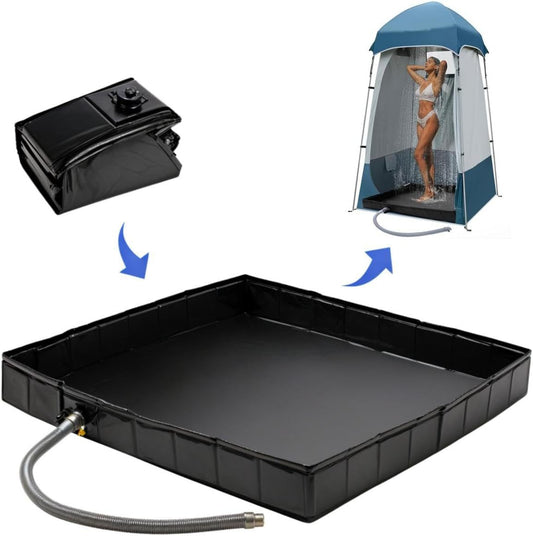
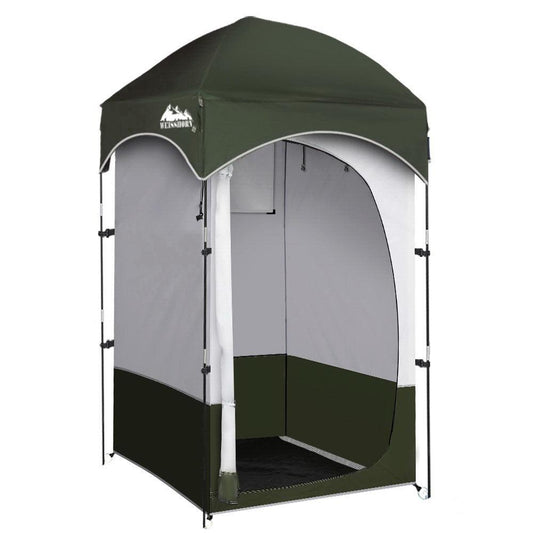
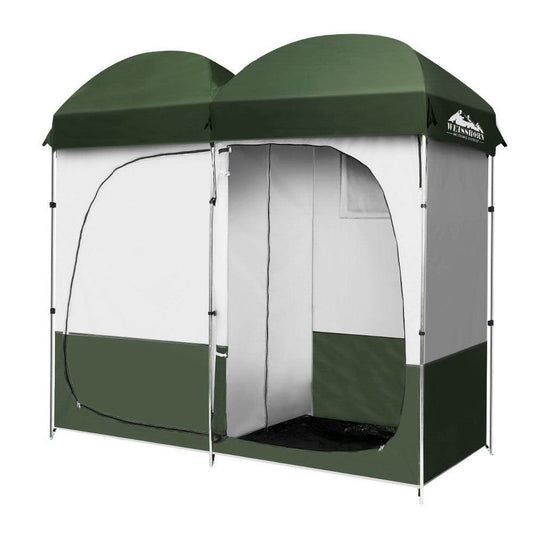
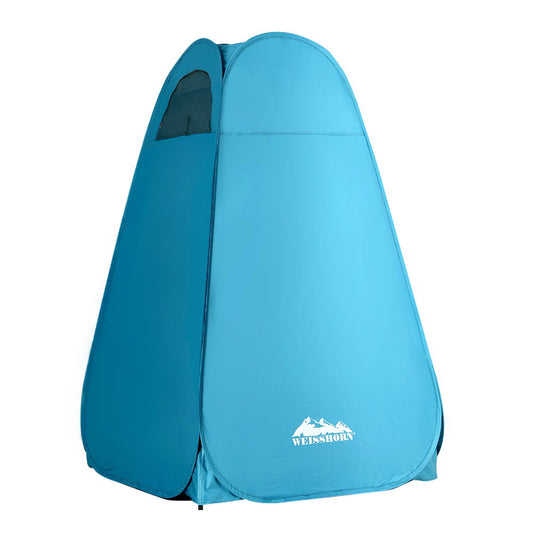
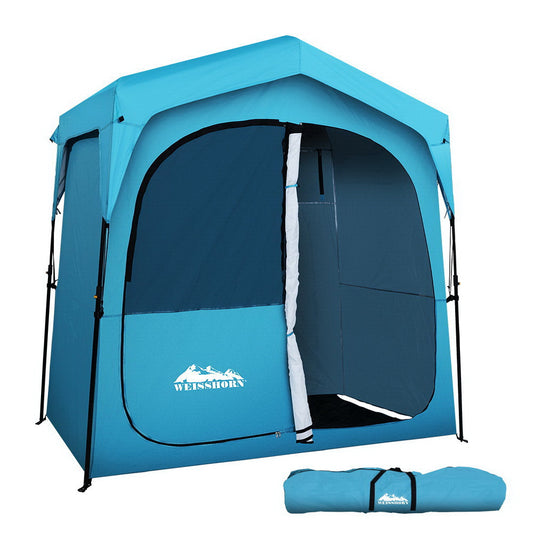
A shower tent is one of the easiest ways to make a camp shower feel practical rather than awkward. Look for enough headroom to stand comfortably, space to change clothes and a zippered entry that does not fight you when wet. A roof vent helps reduce condensation, while mesh storage pockets keep soap, shampoo and a towel off the ground.
Set the tent on firm, level ground away from your kitchen, tent entrance and shared walkways. Do not place it directly beside a creek, lake or beach access point. Even biodegradable soaps can affect waterways, so wash well away from water and use only a small amount of biodegradable soap where campsite rules allow.
If you prefer a more open setup, an awning shower room can work well beside a 4WD or caravan. It is fast to deploy and keeps all your wash gear together. It depends on your campsite though: an awning room needs the vehicle positioned where you want to shower, while a freestanding tent can be moved to a more private spot.
Get the temperature right
Hot water is nice. Safe water is better. For bucket-fed showers, mix cold water first, then slowly add hot water and test it with your hand before anyone jumps in. This matters even more with children, as water heated on a camp stove or in a kettle can burn quickly.
A simple method is to heat a small amount of water, then mix it through a larger container of cold water. On warm days, water left in a dark jerry can or solar bag may need no extra heating at all. On cold days, have a dry towel and warm clothes ready before switching the shower on. Nobody enjoys standing around wet while trying to find clean socks.
Keep electrical connections dry if you use a 12V pump. Run leads neatly, keep batteries off wet ground and avoid placing electrical gear inside the shower tent. A camp shower should be easy, not another job for the first-aid kit.
Make pack-down and cleanup part of the plan
The cleanest setup is not always the easiest to pack away. Bring a small ground mat so feet stay out of dirt, plus a microfibre towel that dries fast between uses. A collapsible bucket is useful for mixing water, carrying gear and catching drips before they spread through camp.
After showering, empty remaining grey water responsibly and away from waterways, following local campground rules. Rinse the shower hose, pump and bag with clean water before packing them away. This prevents stale smells, soap build-up and a surprise leak into the back of the car on the drive home.
Keep a separate toiletry pouch with biodegradable soap, shampoo, a quick-dry towel, thongs and clean clothes. When everything lives together, a shower takes five minutes to set up instead of becoming a hunt through every storage box.
The practical camp shower checklist
Before heading off, make sure your setup covers these essentials:
- Enough non-drinking water for the number of showers planned
- A shower method suited to your power and heating options
- A private, stable place to wash and change
- A bucket or mat to manage muddy feet and runoff
- Quick-dry towels, toiletries and fresh clothes packed together