How to Prevent Mould in a Camping Tent in Australia
A tent packed away after a wet weekend can look fine in the garage and come out months later smelling musty with black or green spots across the fabric. Preventing mould is mostly about one habit: never leave a tent stored while it is damp.
Mould needs moisture, poor airflow and time. A bundled-up tent bag, humid shed or warm vehicle can provide all three. Drying, cleaning and storing the tent properly protects both the fabric and its waterproof coatings.
Dry the Tent Before It Goes in the Bag
Pack the tent only when it is completely dry, including seams, floor corners, webbing and the underside of the fly. If you have to leave camp while it is wet, treat the travel bag or tub as temporary containment only.
Set the tent up again as soon as you get home. Open doors and vents, separate the fly where possible and make sure the groundsheet, guy ropes and carry bag dry as well. A fan in a ventilated covered area can help when the weather stays wet.
Manage Condensation While You Camp
Rain is not the only moisture source. Breathing, damp clothes and cool overnight temperatures create condensation inside tents. Keep roof vents open, crack windows where weather allows and leave space between the inner tent and fly so air can move.
Avoid drying wet towels, jackets or swimmers inside the sleeping area unless you have no alternative. Choose a campsite with reasonable drainage and airflow rather than the lowest hollow on the site.
Clean Dirt and Spills Before Storage
Brush or shake out sand, grass, leaves and food crumbs. Wipe mud away with clean water and a soft cloth, then allow the fabric to dry fully again.
If the tent needs a deeper clean, use a tent-specific cleaner or a mild product approved by the manufacturer. Strong household cleaners, bleach and pressure washing can damage waterproof coatings and seam treatments.
Store the Tent Somewhere Dry and Breathable
A cool, dry cupboard, storage room or well-ventilated garage shelf is better than a damp shed floor, roof pod or permanently loaded boot. Temperature swings inside vehicles can also create condensation and accelerate coating deterioration.
The carry bag is convenient for transport. For long-term storage, a looser fold or breathable bag may be better if the manufacturer allows it and you have the space. Do not seal a slightly damp tent in plastic and forget about it.
Check the Hidden Damp Spots
Before storage, feel the floor corners, pole sleeves, zip flaps, seam tape, webbing and underside of the fly. These thicker or folded areas dry more slowly than open panels.
Dry the carry bag too. A damp bag can transfer musty odours and moisture straight back onto an otherwise clean tent.
Keep Waterproofing in Good Condition
If water no longer beads on the fly, or seam tape is lifting, follow the tent manufacturer’s maintenance guidance and use products compatible with the fabric and coating. Waterproofing treatments work best on clean, fully dry material.
If You Must Pack Up Wet
Sometimes the weather wins. Pack the tent as neatly as conditions allow and make drying it one of the first jobs when you get home. The sooner it is reopened in warm or humid weather, the better.
A simple post-trip routine works: unload wet gear, pitch or hang the tent, dry the fly and groundsheet separately, clean off dirt and store everything only when it is genuinely dry. If mould does appear, see our guide on how to clean mould from a tent without damaging it.
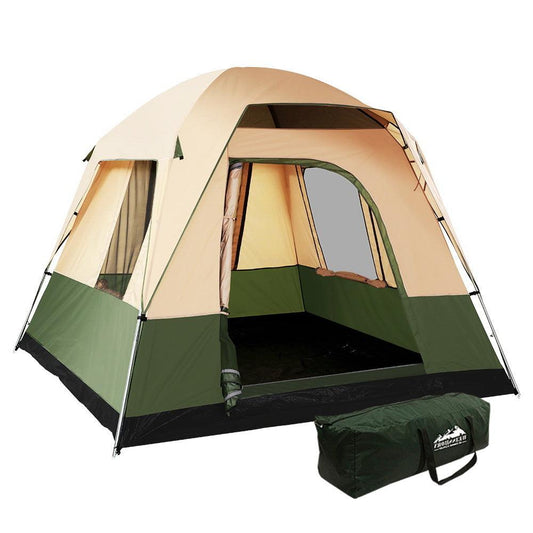
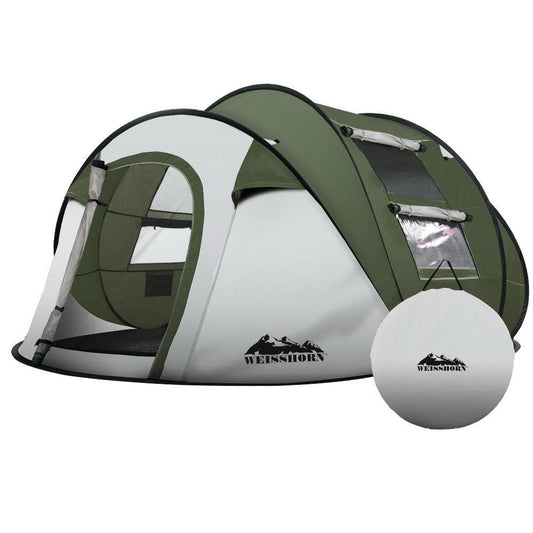
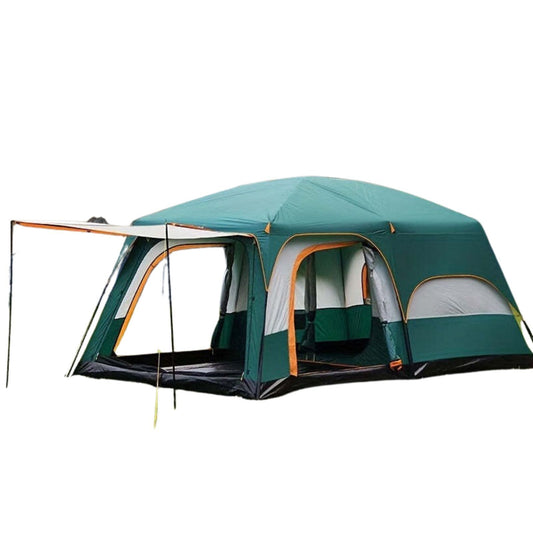
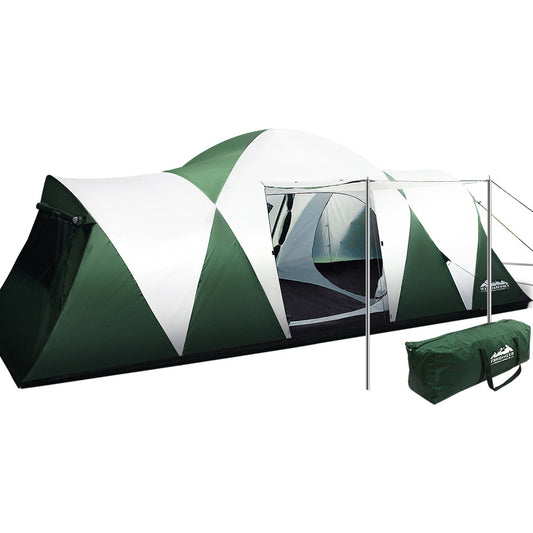
For shelter options suited to Australian trips, browse tents and swags. Good airflow after every wet or dewy trip is far easier than trying to rescue mouldy fabric later.