Start with How and Where You Camp
The best camping setup depends on the trip. A powered caravan-park weekend, a family tent holiday and a remote 4WD camp can all need different gear. Start with the campsite, weather, number of people, vehicle space and facilities available, then build around shelter, sleep, food, water, lighting and safety before adding extra comforts.
For first-time campers, it is usually more useful to choose a simple, reliable setup that fits easily in the vehicle than to buy every accessory at once. You can add furniture, storage, refrigeration, showers and other campsite upgrades once you know how you prefer to camp.
Choose Shelter for the Trip
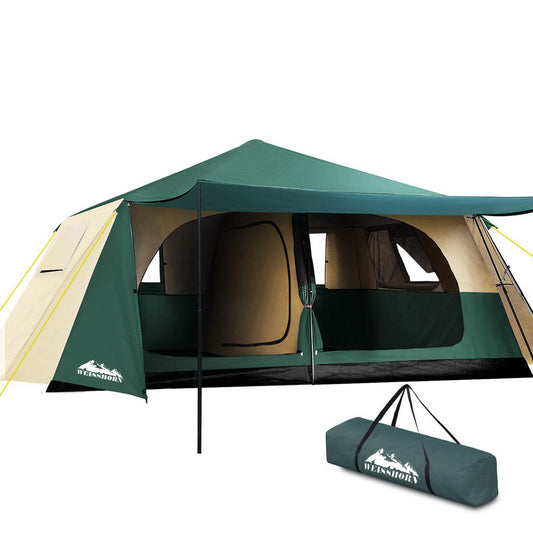
Browse Tents & Swags for compact shelters, family tents and touring options. Person capacity is a useful starting point, but also compare floor dimensions, sleeping layout, headroom, packed size and the space needed for bags and other gear.
For extra shade or weather protection around camp, explore Gazebos and Tarps. Check the individual product's dimensions, setup requirements, anchoring points and weather guidance, and secure shelters appropriately for the conditions.
Build a Comfortable Sleep Setup
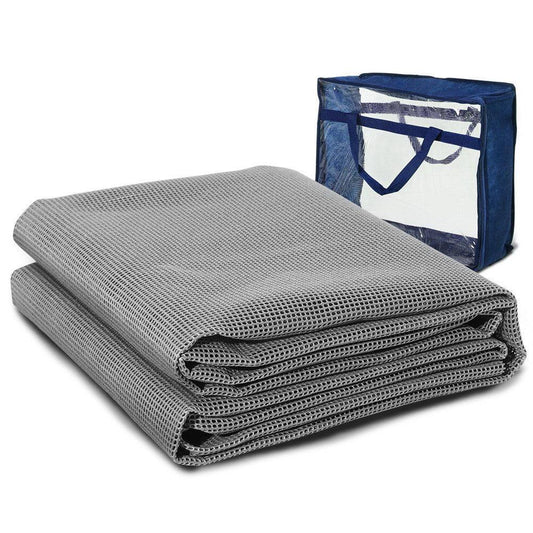
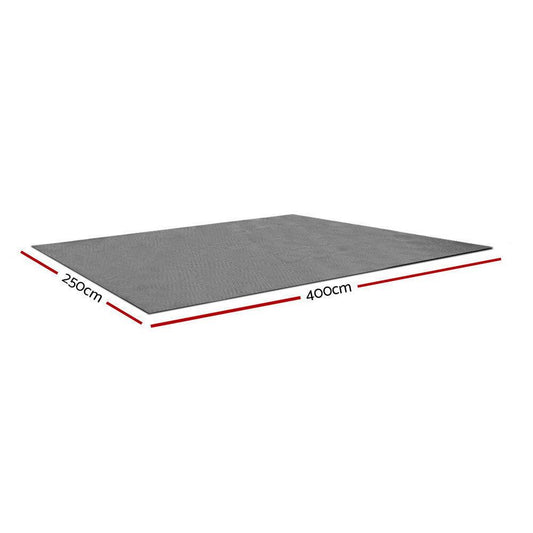
A good night's sleep depends on more than the sleeping bag. Match Camping Sleeping Gear with a suitable Camping Mattress and consider Camp Matting where it helps keep the living or sleeping area more comfortable and organised.
Sleeping-bag temperature information varies by model and is best treated as product-specific guidance. Mattress thickness can affect comfort, but it does not by itself show how much insulation a mattress provides. Check the individual specifications and choose for the conditions you expect.
Set Up a Practical Living Area
A few well-chosen pieces of furniture can make camp easier without filling the vehicle. Compare Camp Chairs, Camp Tables and Hammocks by open size, packed size, weight, setup style and stated load limits.
Think about what the furniture needs to do: a compact chair for touring, a larger reclining chair for longer stays, a stable table for food preparation, or a separate surface for cooking and dining. Packed dimensions matter just as much as campsite comfort when vehicle space is limited.
Plan Cooking and Food Storage
Explore Kitchen & Cooking for camp stoves, barbecues, cookware, kettles, cast-iron cooking gear and other campsite kitchen equipment. Choose a cooking setup that suits the fuel or power available, the meals you normally prepare and the space you have for safe setup and storage.
For food and drinks, Picnic Baskets & Cooler Bags can suit shorter outings, while 12V Camp Fridges can provide ongoing temperature-controlled storage when suitable power is available. Fridge power use varies by model, settings and conditions, so use the individual specifications when planning your battery or campsite power.
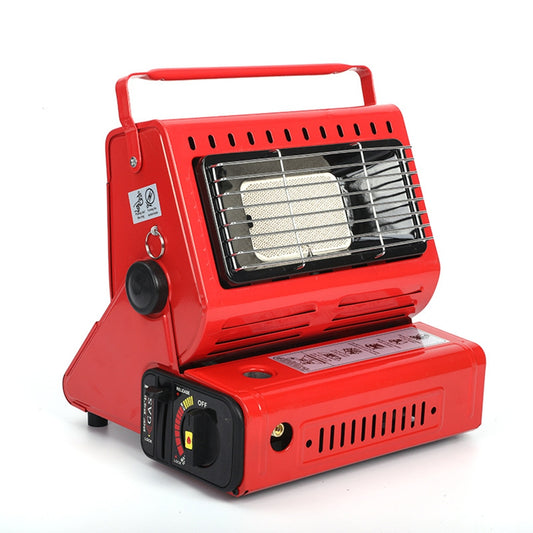
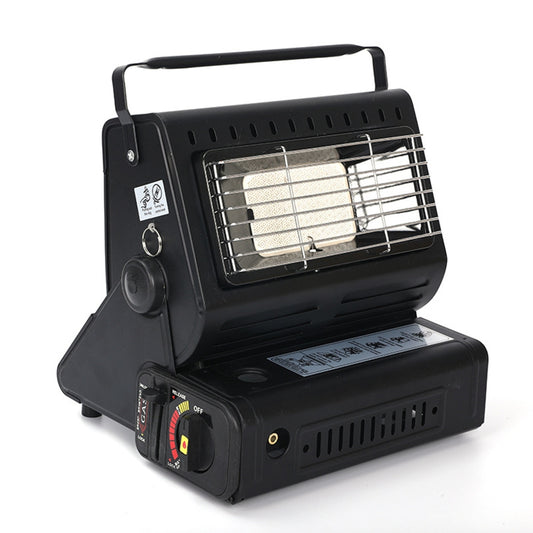
Gas and fuel-burning stoves, barbecues and heaters should only be used in locations permitted by their instructions, with the required ventilation and clearances. Follow local fire restrictions and campsite rules.
Lighting for Camp After Dark
A headlamp or torch is useful for moving around camp, while lanterns and area lights can make cooking and shared spaces easier after dark. Browse 12V Camping Lights & LED Lighting and compare power source, charging method, runtime, output and weather-resistance information where provided.
Keep at least one reliable light easy to reach after sunset, and consider a backup light or charging option for longer trips.
Water, Showers and Toilets
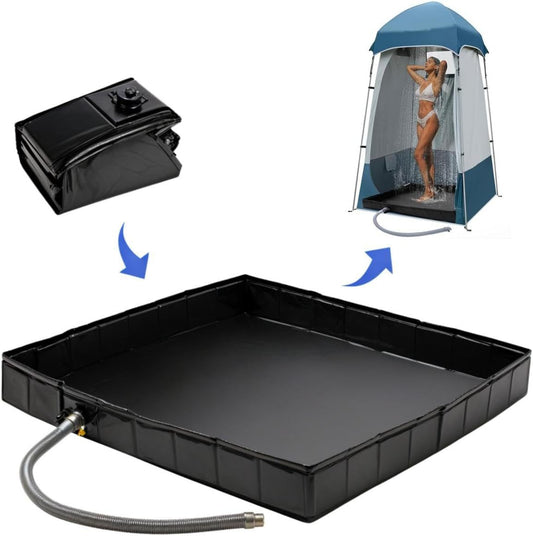
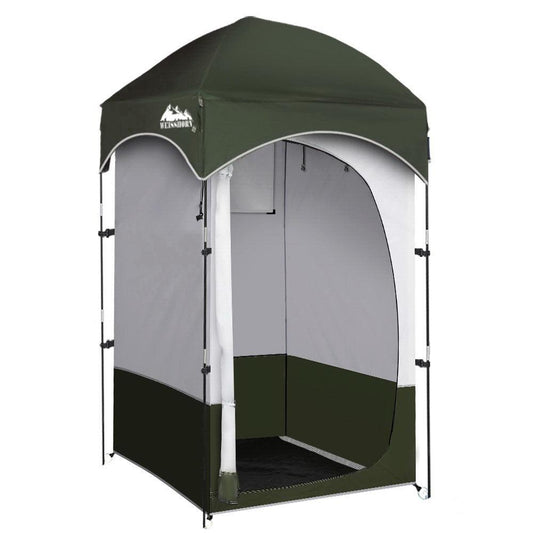
The amount of water and sanitation gear you need depends heavily on the campsite. Browse Showers & Toilets for portable showers, toilet solutions, privacy shelters and related campsite hygiene gear.
Plan drinking water separately from water used for washing or cleaning, especially when travelling away from reliable supplies. Only use containers specifically described as suitable for drinking-water storage for potable water. Portable gas hot-water systems and similar combustion appliances should only be operated in locations permitted by their instructions.
Packing, Storage and Carrying Gear
Good organisation can make a large camping kit much easier to use. Explore Camping Accessories for practical campsite items and Hiking Backpacks & Bags for carrying gear on walks and day trips.
Before adding bulky items, check their packed dimensions against your vehicle or storage space. Keeping frequently used items such as lighting, first aid, water and cooking basics accessible can also save time when arriving at camp.
Safety and First Aid
A first aid kit should be part of the core camping setup, with additional equipment chosen for the location and activities planned. Browse First Aid & Snake Bite Kits and make sure you understand how to use the contents before you need them.
Remote trips can also require suitable communication, navigation, emergency supplies, sun protection and weather-appropriate clothing. Check forecasts, road and campsite conditions, fire restrictions and access requirements before leaving.
Match Gear to the Weather and Campsite
Australian camping conditions can change quickly, so plan for sun, wind, rain, cold and heat rather than relying on the season alone. Shade, shelter, warm sleeping gear, adequate water and suitable clothing can be more important than extra campsite accessories when conditions turn.
Heaters, fire pits, barbecues, generators and other fuel-burning equipment have specific operating and clearance requirements. Never assume an appliance is safe in a tent, vehicle or enclosed space because a door or window is open; use it only where the product instructions permit and follow local restrictions.
Common Camping Gear Mistakes to Avoid
- Buying a tent from the person capacity alone without checking the actual floor dimensions and layout.
- Choosing sleeping gear without considering the mattress, ground insulation and expected overnight conditions.
- Packing large furniture or appliances without checking their packed dimensions against vehicle space.
- Planning a 12V fridge or other powered gear without allowing for battery capacity and recharging.
- Assuming every water container is suitable for drinking water.
- Using gas or fuel-burning appliances in a location that is not permitted by their instructions.
- Relying on lifestyle photos instead of checking exactly what is included with the product.
- Leaving first aid, lighting or essential water buried underneath the rest of the camping gear.
Build Your Camping Setup
Use the collection categories above to build the setup in stages: start with Tents & Swags, Camping Sleeping Gear and Camping Mattresses, then add Kitchen & Cooking, Camp Chairs, Camp Tables, lighting, water and the campsite accessories that suit the way you travel.
Product specifications, dimensions, load limits, temperature or weather ratings, electrical requirements and inclusions vary by model. Check the individual product page before ordering and follow the product's setup, use and safety instructions.
Guide reviewed: August 2026.