★★★★★

"Arrived earlier than quoted, Thank you Just Camp for the great service"

Ross

★★★★★

"Website was easy to navigate and I received my purchase promptly"

Brenda

★★★★★

"Purchased for a great price, service was excellent, postage very quick"

Lindy

★★★★★

"Great product and service A++"

Anthony

★★★★★

"My order arrived faster than expected and the quality was just as good as the big name brands"

Aaron

How to Choose 4WD Gear for Touring & Off-Road Trips

Start with Your Vehicle, Route and Trip Type

A useful 4WD setup is built around the vehicle, where you plan to travel and what the trip actually demands. Beach driving, corrugated touring roads, remote tracks and everyday camping can place very different demands on tyres, recovery equipment, storage, lighting and electrical accessories.

Before adding accessories, check your vehicle's payload, roof-load limits, mounting points, electrical system and available cargo space. Allow for the weight of passengers, fuel, water, camping gear and anything already fitted to the vehicle.

Recovery Gear

Recovery equipment is worth planning before you need it, but the right setup depends on the vehicle, terrain and recovery method. Start with lower-force options where suitable, such as a shovel, tyre-pressure adjustment and traction boards, then carry correctly rated equipment for more involved recovery situations.

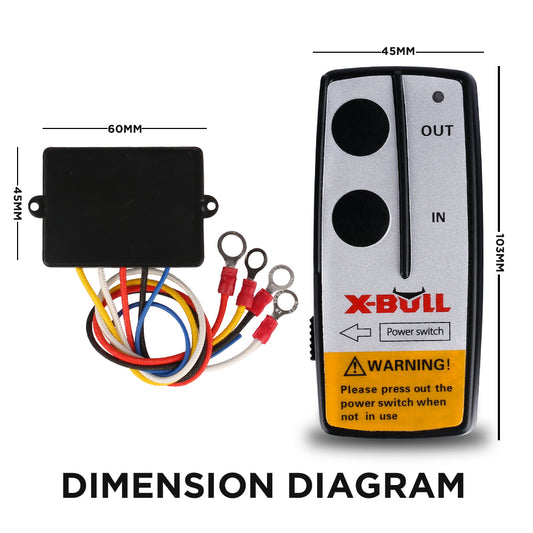
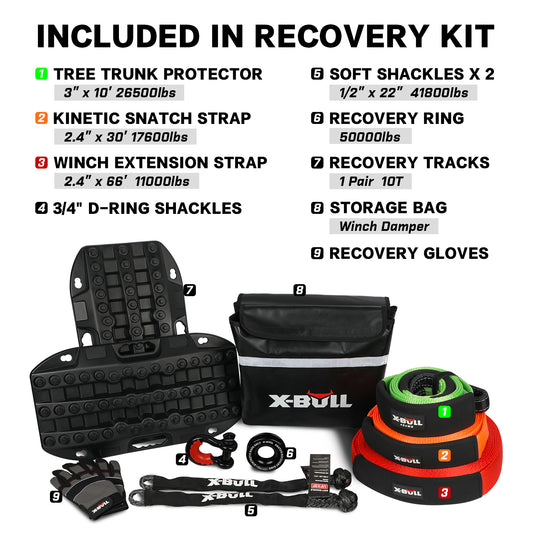
Explore Recovery Gear for recovery tracks, straps, shackles, winches, dampers and related equipment. Use vehicle manufacturer-approved recovery points, match equipment ratings to the intended recovery method and keep people clear of the recovery area. Winching and kinetic recovery require suitable equipment, inspection and operator knowledge.

Tyre Pressure, Compressors and Deflators

Tyre pressure can affect traction, ride and tyre behaviour off road, but there is no single pressure that suits every 4WD, tyre, load, speed and surface. Follow your vehicle and tyre guidance and adjust only when conditions make it appropriate.

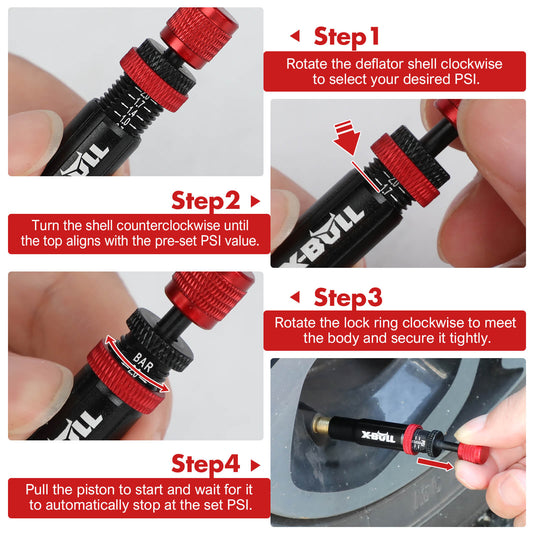
A reliable gauge, deflator and compressor make controlled pressure changes easier and let you re-inflate before returning to normal road travel. Browse Air Compressors & Tyre Deflators and compare airflow, duty cycle, hose reach, gauge range, power connection and the tyre sizes you need to service.

Roof Storage and Load Planning

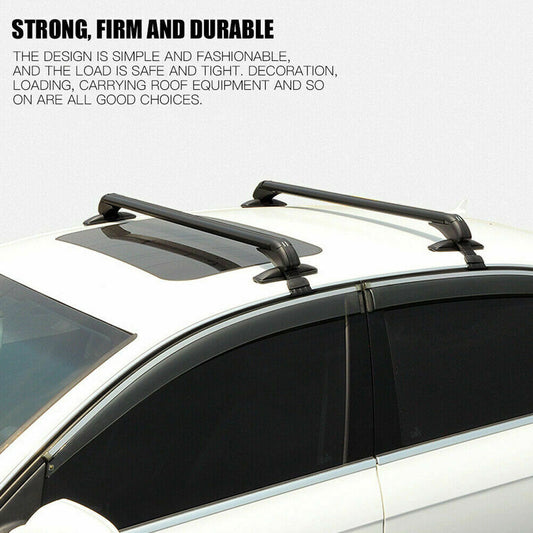
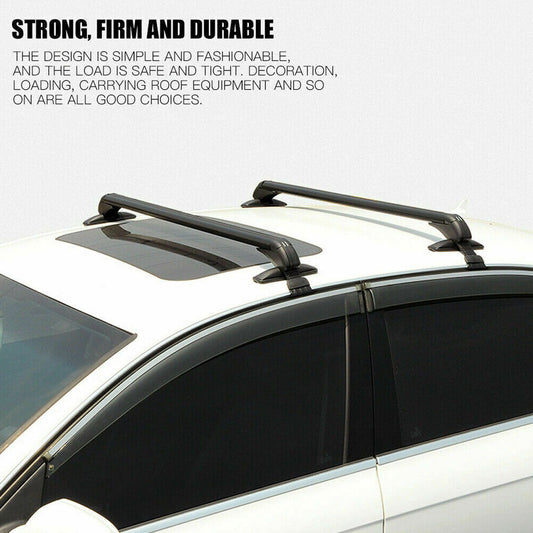
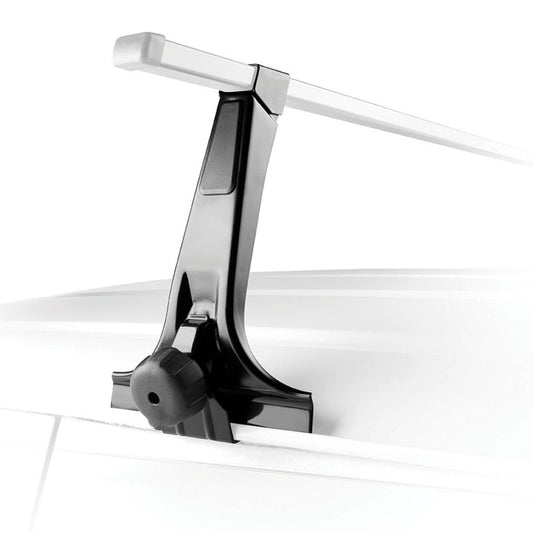
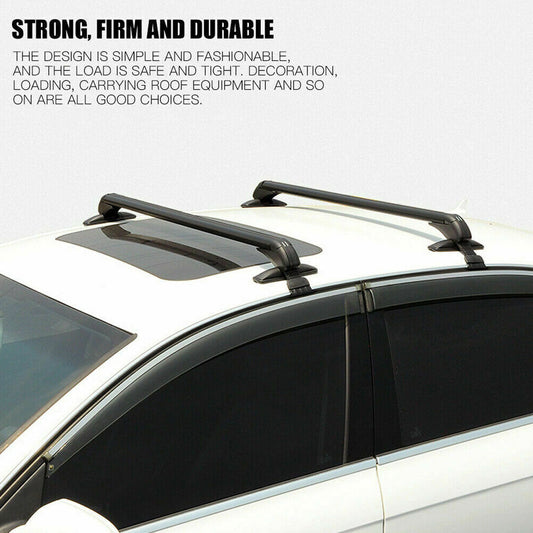
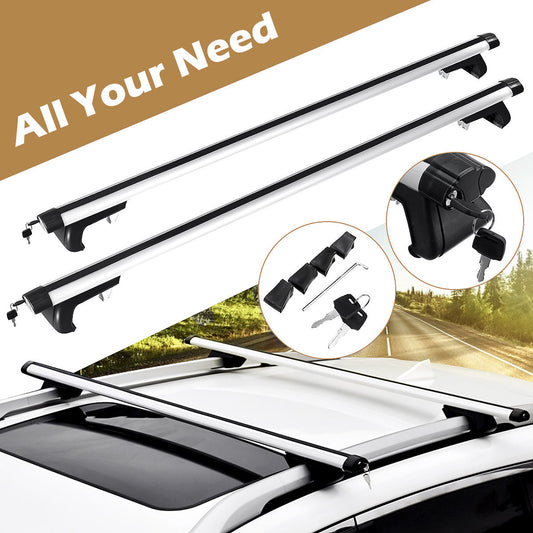
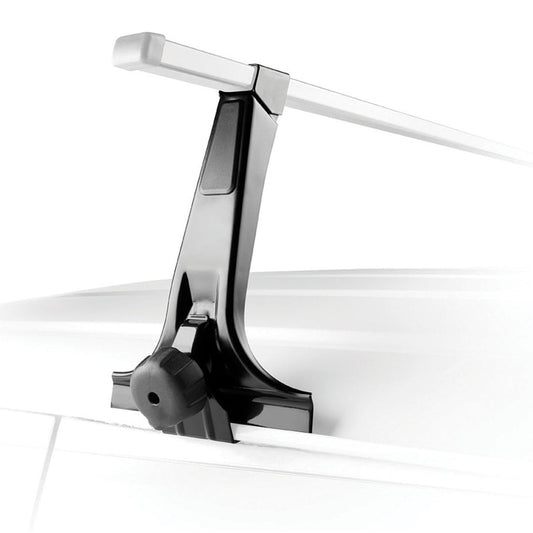
Roof storage can free up valuable interior space, but fitment and load limits come first. Check whether the rack, crossbars, basket, platform, cargo box or bag suits your exact vehicle and existing roof system. Account for the weight of the storage accessory as well as the cargo it carries.

Browse Roof Storage and compare dimensions, mounting method and compatibility. Stay within the lowest applicable vehicle, roof, rack and mounting-system limit, secure the load properly and avoid placing unnecessary weight high on the vehicle.

4WD Lighting

Driving lights, light bars and work lights can improve visibility for specific tasks, but their installation requirements vary. Check voltage, current draw, mounting position, wiring, relay or switch requirements, weather protection and whether the light is intended for road, off-road or work-area use.

Explore 4WD Lights and confirm the individual product specifications before installation. Road-use and mounting requirements can vary by location and vehicle, so accessories should be installed and used in a way that complies with the applicable rules.

Dash Cams and Vehicle Electronics

A dash cam can be useful for recording trips and everyday driving. Compare front-only, front-and-rear and multi-camera systems by resolution, field of view, storage support, power connection and the features you actually need.

Browse Dash Cams and check whether parking-mode or hardwire features require an additional kit. Memory-card capacity, supported card type, recording modes and included accessories vary by model.

DIY Parts and 12V Accessories

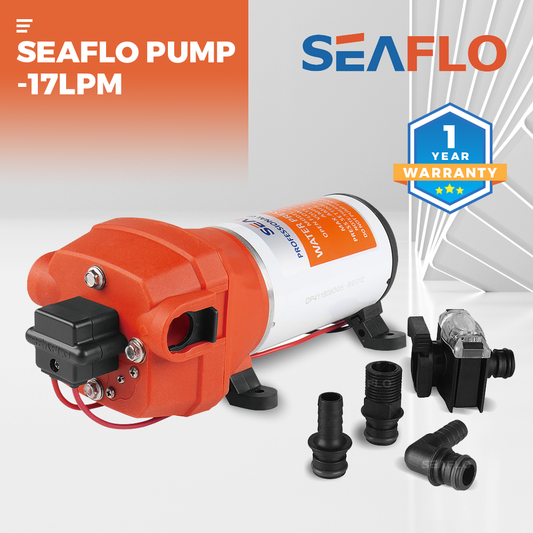
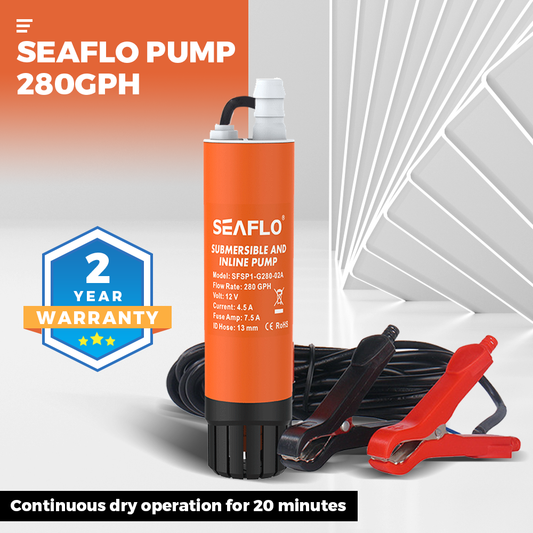
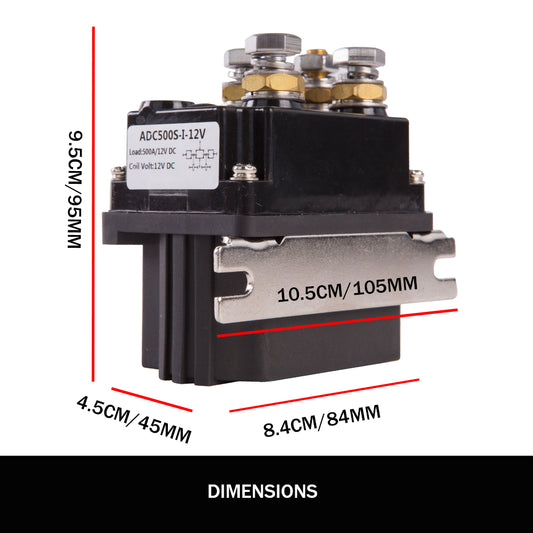
Touring vehicles often use extra 12V wiring, connectors, switches, relays, pumps, drawer hardware and mounting components. These parts can be useful for custom setups, but compatibility depends on the electrical load, cable run, connector type, mounting location and the equipment already fitted.

Browse 4WD DIY Parts and size wiring, connectors and circuit protection for the actual circuit rather than assuming a plug or connector is suitable for every load. Follow the vehicle and product instructions, and use a suitably qualified installer when the work is outside your experience or involves regulated systems.

Interior and Tailgate Protection

Vehicle-specific mats and tailgate protection can help manage mud, sand, water and everyday wear. Fitment is especially important with moulded floor mats and vehicle-specific protectors, so check the make, model, year, body style and variant listed on the product page.

Browse Car Mats and Tailgate Protectors for the current range. Confirm dimensions and attachment points where a product is not explicitly listed for your exact vehicle.

Vehicle Cleaning and Aftercare

Sand, mud, salt spray and dust can leave more than cosmetic dirt after a trip. Cleaning products, wash tools and maintenance accessories can help with routine care, but use products that are suitable for the surface you are treating and follow their dilution, dwell-time and application instructions.

Explore Vehicle & Marine Care for the current cleaning and care range. Pay particular attention to painted, coated, rubber, plastic, glass and marine surfaces where product compatibility may differ.

Touring Gear, Communication and Emergency Planning

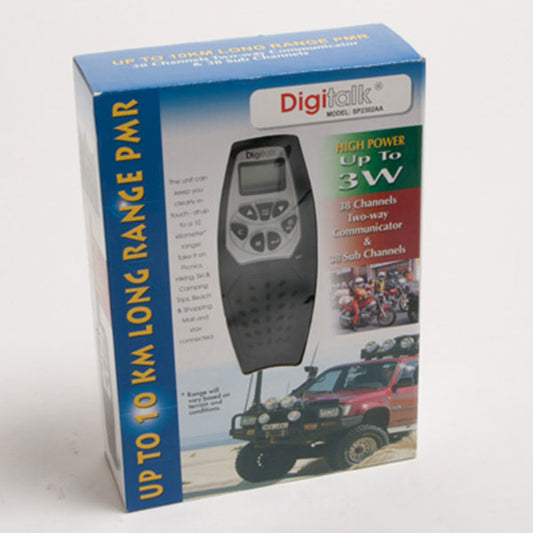
Remote touring needs more than vehicle accessories. Plan drinking water, first aid, navigation, tools, spares, fuel availability and a communication or emergency-alert method appropriate to the area. Mobile and UHF coverage or range should never be treated as guaranteed.

Check road and track conditions, closures, weather, campsite requirements and access restrictions before departure. Keep critical equipment where it can be reached without unloading the entire vehicle.

Pack Weight and Access Carefully

Every accessory and piece of camping gear contributes to the vehicle's total load. Keep within the vehicle's applicable mass and axle limits, account for accessories already fitted, and secure cargo so it cannot shift during braking, cornering or rough-road travel.

Heavy items are generally easier to manage when kept low and securely restrained. Roof loads need particular care because the rack, mounting system and vehicle roof can each have their own limits.

Common 4WD Gear Mistakes to Avoid

  • Buying a vehicle accessory from a broad 'universal' description without checking dimensions, mounting points and compatibility.
  • Adding racks, storage and accessories without accounting for their weight in the vehicle's overall load.
  • Choosing recovery equipment from a marketing load figure alone instead of checking the recovery method, ratings and approved attachment points.
  • Lowering tyre pressure without carrying an accurate gauge and a practical way to re-inflate.
  • Installing 12V accessories without planning cable size, circuit protection, connector ratings and voltage drop.
  • Loading roof storage without checking the vehicle, rack and mounting-system limits or properly restraining the cargo.
  • Assuming a dash cam, light, switch, plug or hardwire kit includes every accessory needed for installation.
  • Relying on mobile or UHF communication as guaranteed coverage in remote areas.
  • Leaving recovery equipment, tyres, hoses, electrical leads and restraints uninspected between trips.

Build Your 4WD Setup

Use the specialist collections to compare the gear that matters for your vehicle: Recovery Gear, Air Compressors & Tyre Deflators, Roof Storage, 4WD Lights, Dash Cams, 4WD DIY Parts, Car Mats, Tailgate Protectors and Vehicle & Marine Care.

Fitment note: Product fitment, load ratings, electrical requirements, recovery ratings, weather resistance and included hardware vary by product and vehicle. Check the individual product page and your vehicle or equipment manufacturer's requirements before ordering or installation.

Guide reviewed: August 2026.

Frequently Asked Questions

What 4WD gear do I need for off-road trips?

Start with the vehicle, route and conditions you expect. Useful basics can include tyre-pressure equipment, a compressor, recovery gear, first aid, tools, lighting and suitable storage. Remote trips may also need communications, additional water, spares and navigation. Check your vehicle’s load, fitment and manufacturer requirements before adding accessories.

What 4WD accessories are best for camping?

For camping and touring, prioritise accessories that solve a real setup need: secure roof or cargo storage, useful lighting, tyre-pressure equipment, recovery gear, floor or tailgate protection and 12V components matched to your vehicle. Measure available space and account for the weight of passengers, fuel, water and camping gear before adding bulky accessories.

Do I need tyre deflators for off-road driving?

Tyre deflators can make controlled pressure changes quicker on suitable off-road surfaces. The appropriate pressure depends on the vehicle, tyre, load, speed and terrain, so do not rely on one generic PSI. Use an accurate gauge, stay within manufacturer guidance and carry a compressor so the tyres can be re-inflated before returning to normal road travel.

What 4WD recovery gear should I carry?

There is no universal recovery kit for every vehicle or trip. A practical setup can include a shovel, tyre gauge, compressor, recovery tracks, gloves, first-aid supplies and rated recovery equipment matched to the vehicle’s manufacturer-approved recovery points. Add winching or kinetic-recovery gear only when it suits the vehicle, route and operator experience.

How do I choose roof storage for my 4WD?

Check vehicle and rack fitment first, then compare rack or crossbar spacing, the accessory mounting method and the weight of the rack plus its cargo. Stay within the vehicle, roof, rack and mounting-system limits, use the lowest applicable rating, and secure the load so it cannot move or become dislodged.

What should I check before fitting 12V accessories to my 4WD?

Check the accessory voltage, maximum current draw, cable length, connector type, required fuse or circuit protection and where the equipment will be mounted. Use cable and protection sized for the circuit rather than the accessory plug alone. Follow the vehicle and product instructions, and use a suitably qualified installer where the work is outside your experience or affects regulated systems.

Do I need an air compressor for 4WD touring?

A compressor is especially useful when you plan to lower tyre pressures for suitable off-road conditions or need to restore pressure after a repair. Compare airflow, duty cycle, power connection, hose reach, pressure gauge and the tyre sizes you need to inflate. It also gives you a practical way to re-inflate before returning to normal-road travel.

Why are rated recovery points important for 4WD recovery?

Recovery forces can be much higher than ordinary towing loads, and failed attachment points or hardware can become dangerous projectiles. Use the vehicle manufacturer’s approved recovery points and load-rated equipment suited to the recovery method. Keep bystanders clear and use kinetic or winch recovery only when the operator understands the equipment and procedure.

How do I know if a 4WD accessory will fit my vehicle?

Check the exact make, model, year, body style and variant listed for the product. Also compare dimensions, mounting points, rack or hitch standards, electrical connectors and any existing accessories that may affect installation. A product described broadly as universal can still have important dimension or mounting requirements.

What should I carry for remote 4WD touring?

Prepare for the route rather than relying on a fixed checklist. Common essentials can include adequate drinking water, first aid, tyre repair and inflation gear, suitable recovery equipment, tools and spares, navigation and a communication or emergency-alert method appropriate to the area. Check road conditions, access requirements, weather, fuel availability and communications coverage before leaving.

Popular at Just Camp

1 of 6