Snake Safety for Camping in Australia
That rustle beside the swag can turn a quiet camp morning into a fast reality check. Snake safety is part of camping in Australia, whether you are pulling up at a bush site, fishing near a creek or setting up the caravan beside long grass. Most snakes would rather avoid people, but practical habits still matter when campsites, walking tracks and wildlife share the same patch of ground.
Snake safety is not about treating every trip like an emergency. It is about reducing the chance of a close encounter, keeping the campsite easy to inspect and knowing exactly what to do if someone is bitten.
Why snake safety matters on Australian trips
Australia has many snake species, including venomous species that can cause serious illness. Bites often happen when a snake is not seen, someone steps or reaches too close, or a person tries to catch or move it. Campsites can create extra hiding places through stacked gear, firewood, long grass, food scraps and unattended shoes or bedding.
For families, first-time campers and regular 4WD travellers, the goal is simple: make the campsite less attractive to prey animals, keep people looking where they step and have suitable first aid equipment within immediate reach.
Prepare before leaving home
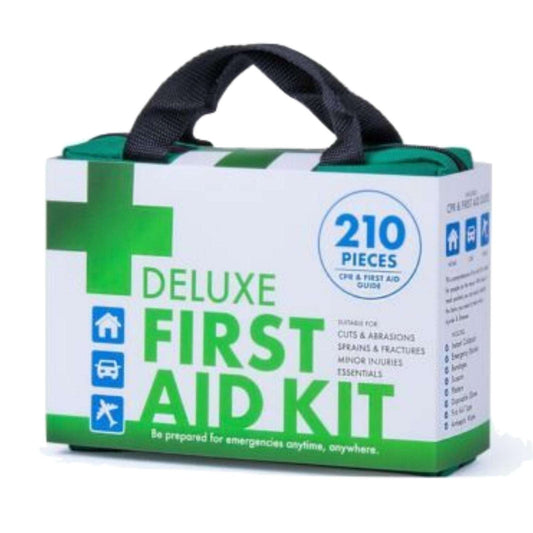
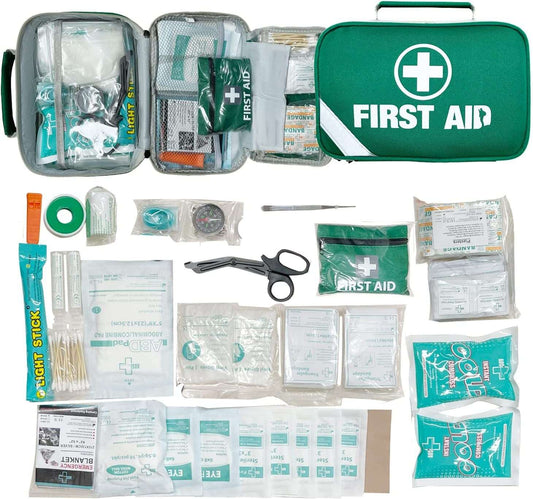
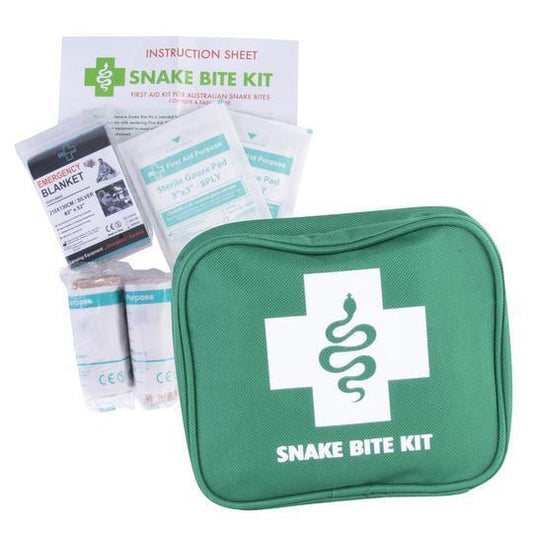
Pack enclosed footwear, a reliable torch or headlamp and a first aid kit containing broad pressure bandages suitable for pressure immobilisation. Everyone in the group should know where the kit is stored. A bandage buried beneath several tubs in the vehicle is not useful when time matters.
If you camp remotely, also think about communication. Mobile coverage may be poor or unavailable, so consider how you would contact emergency services and provide your location. Save campsite, track or GPS details where they can be found quickly.
Long pants and sturdy footwear may reduce exposure around scrub, rocks and long grass, although clothing is not bite-proof. The more important habit is watching where hands and feet are going.
Choose and maintain a lower-risk campsite
Where possible, choose a clear site where the ground is visible around tents, swags and the caravan. Long grass, dense ground cover, rock piles, fallen timber, rubbish and food scraps can provide shelter for rodents, frogs and other animals that may attract snakes.
Keep the campsite tidy from the start. Zip tent doors closed, put shoes in a predictable place and avoid leaving clothing, towels, tarps or bags in loose piles on the ground. Shake out items that have been outside or untouched overnight before using them.
Store food, rubbish, bait and pet food securely. Do not leave scraps around the cooking area. Keep firewood away from the main living zone and look carefully before reaching into a pile.
Families should set clear boundaries for children, particularly near creek edges, reeds, rocks, logs and long grass. Pets should be supervised and kept under control rather than allowed to rush into places that cannot be checked properly.
Move carefully around camp and on tracks
Use a torch every time you move around after dark, including quick trips to the amenities block or vehicle. Avoid walking barefoot around camp at night.
On tracks, stay on cleared routes where possible. Do not step over a log or rock without checking the other side, and do not place hands into holes, hollow timber or spaces you cannot see. When collecting firewood where permitted, lift pieces carefully and stand back rather than reaching blindly underneath.
Fishing areas deserve extra attention because water, reeds, rocks and driftwood create shelter and attract prey. Check the bank before sitting down and keep tackle, bags and loose clothing organised.
What to do if you see a snake
Stop, remain calm and move away slowly while keeping a safe distance. Give the snake a clear path to leave. Keep children and pets well back.
Do not try to catch, kill, touch or relocate the snake. Many bites occur when people interfere with an animal that would otherwise move on. If a snake remains in a managed campsite or occupied area, contact the park operator, ranger or a licensed snake catcher where available.
For children, a simple rule is easier to remember: stop, step back and tell an adult.
Snake-bite first aid in Australia
Any suspected snake bite is a medical emergency. Call Triple Zero (000) immediately. Keep the person lying down, calm and completely still. Do not let them walk to the vehicle or amenities block, because muscle movement can speed venom movement through the lymphatic system.
Apply a broad pressure bandage firmly over the bite area if it is known, then bandage the entire affected limb from the fingers or toes upwards. The pressure should be firm and even, similar to bandaging a sprain, without cutting off circulation. Immobilise the limb with a splint where possible and keep the person still until emergency help arrives.
If the bite is on the torso or another area that cannot be bandaged in the same way, apply firm pressure over the site and keep the person completely still while following emergency-service instructions.
Do not wash the bite site, cut it, suck it, apply ice, use a tourniquet or try a bush remedy. Do not chase the snake or take risks trying to photograph or identify it. Focus on the patient and follow the instructions provided by Triple Zero.
A first aid course is the best way to learn and practise pressure immobilisation before it is needed. Written instructions are useful reminders, but they do not replace current accredited training or emergency-service advice.
Common mistakes that increase snake risk
Walking barefoot, leaving gear in ground-level piles, reaching into dark storage spaces and allowing children or pets to roam through scrub are common avoidable risks. Another mistake is assuming snakes cannot be active in cooler weather. Activity is generally greater in warm conditions, but snakes can still appear on mild sunny days.
Remote camping also changes the consequences of poor preparation. Longer response times make accessible first aid gear, communication planning and location awareness even more important.
Gear helps, but habits matter more
A suitable first aid kit, broad pressure bandages, enclosed footwear and reliable campsite lighting are practical basics. Their value depends on being accessible and used correctly. Check bandages before trips, keep torches charged and make sure the group knows the campsite routine.
Snake country is part of the Australian landscape, not a reason to stay home. Choose a clear site, keep the setup tidy, look where you step and make sure everyone knows the emergency basics before the trip begins.