★★★★★

"Arrived earlier than quoted, Thank you Just Camp for the great service"

Ross

★★★★★

"Website was easy to navigate and I received my purchase promptly"

Brenda

★★★★★

"Purchased for a great price, service was excellent, postage very quick"

Lindy

★★★★★

"Great product and service A++"

Anthony

★★★★★

"My order arrived faster than expected and the quality was just as good as the big name brands"

Aaron

How to Build a 12V Camping Power Setup

Start with What You Want to Power

A good camping power setup starts with the appliances and devices you actually use. List your fridge, lights, phones, cameras, pumps and any 240V equipment, then check how much power each one needs and roughly how long you expect to run it each day.

From there, you can choose a battery or portable power station with enough usable capacity and a charging setup that suits the way you travel. Weekend camps close to mains power can be very different from several days of off-grid touring.

Understand Watts, Amp-Hours and Watt-Hours

Watts tell you how much power a device uses at a point in time, while amp-hours and watt-hours are commonly used to describe battery capacity and energy use. When comparing different batteries, power stations and appliances, watt-hours can be especially useful because they make it easier to compare energy across different voltages.

Real-world runtime will still vary with battery chemistry, inverter losses, temperature, appliance cycling and the amount of reserve capacity you keep. Treat simple runtime calculations as a planning guide rather than a guarantee.

Choose a Battery That Suits the Setup

The range includes AGM and LiFePO4 camping batteries in different capacities. AGM can suit straightforward or existing systems, while LiFePO4 is often chosen where lower weight and greater usable capacity are priorities. The best choice depends on your budget, charging equipment, installation and expected use.

Before changing battery chemistry, check that your mains charger, DC-DC charger, solar controller and other connected equipment support it. Also confirm the battery voltage: this collection is centred on 12V camping power, but some broader power products use other system voltages.

Battery Boxes Can Make Portable Setups Easier

A battery box can help turn a compatible deep-cycle battery into a more portable camping power source. Depending on the model, battery boxes may provide protected outlets, USB charging, displays or other connections. Check the box dimensions, battery-size limits, outlet ratings and included protection before pairing components.

Charging from Your Vehicle: DC-DC Chargers and Isolators

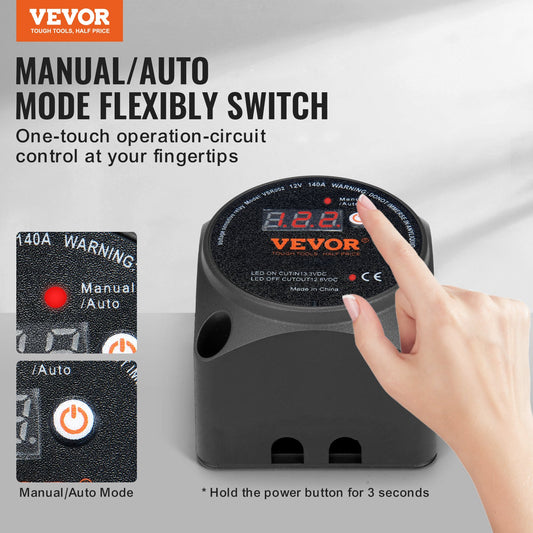
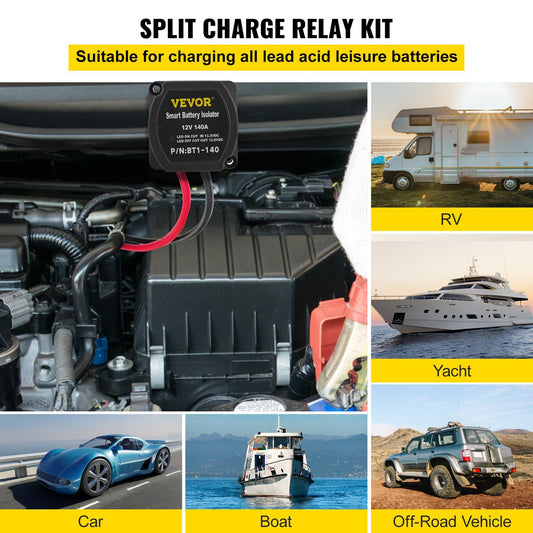
If you want to recharge an auxiliary battery while driving, a DC-DC charger or suitable dual-battery charging system can connect the camping battery to the vehicle charging system. DC-DC chargers are commonly used where controlled charging and battery-chemistry compatibility are important, while some setups use battery isolators or split-charge relays.

Vehicle charging systems vary, so match the charger or isolator to the vehicle and battery rather than choosing by amperage alone. Correct cable sizing, protection and installation are especially important in high-current 12V systems.

Using Solar to Recharge Off-Grid

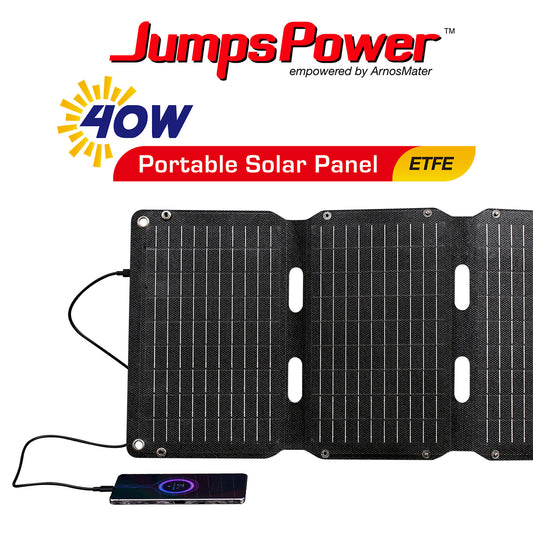
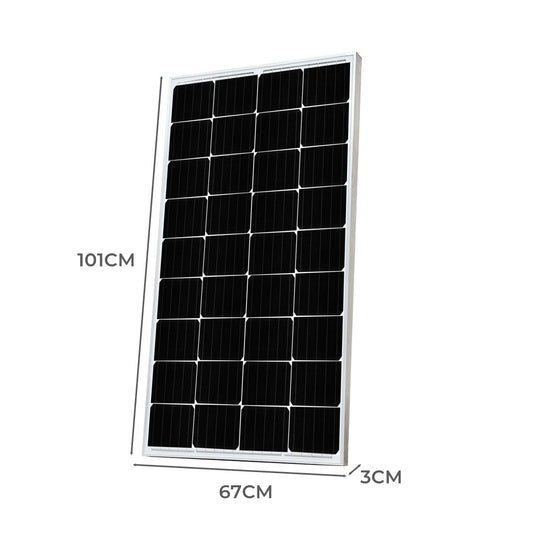
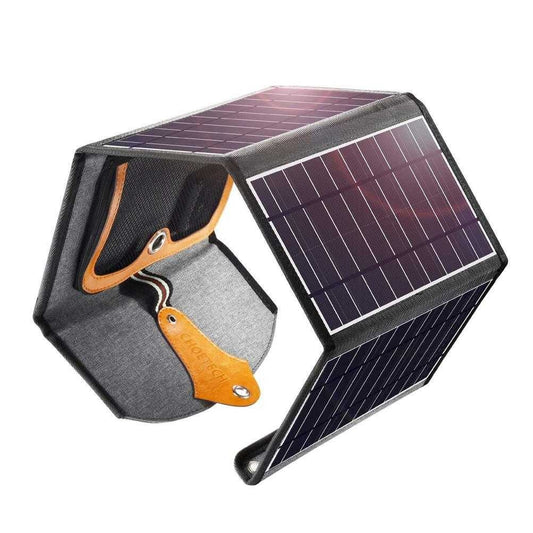
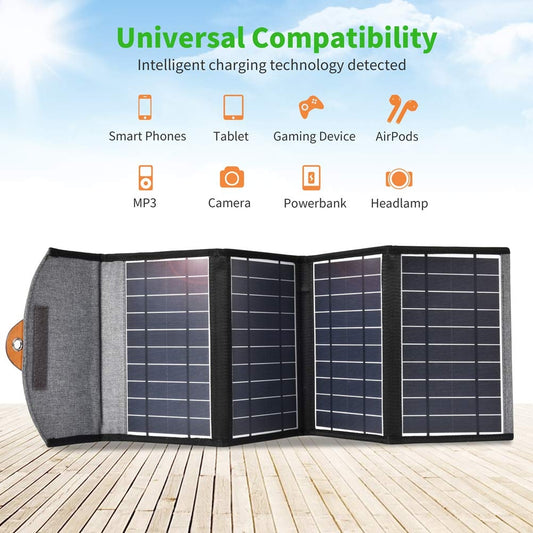
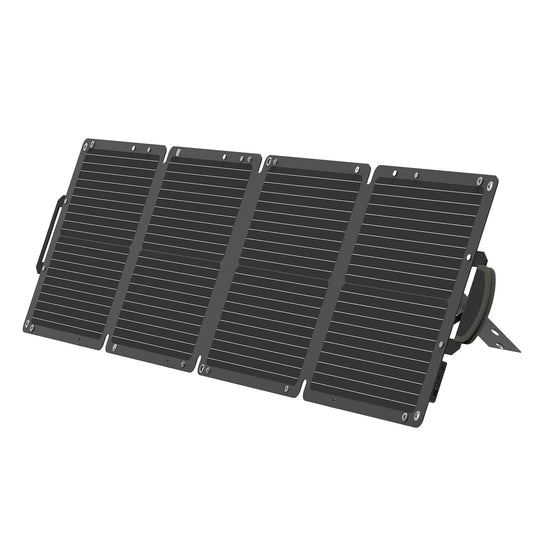
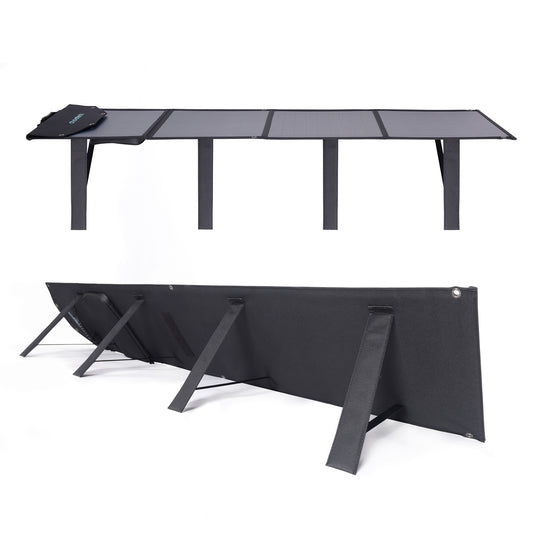
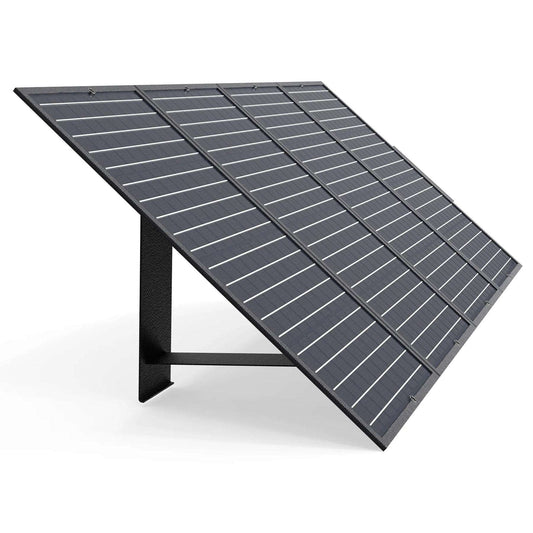
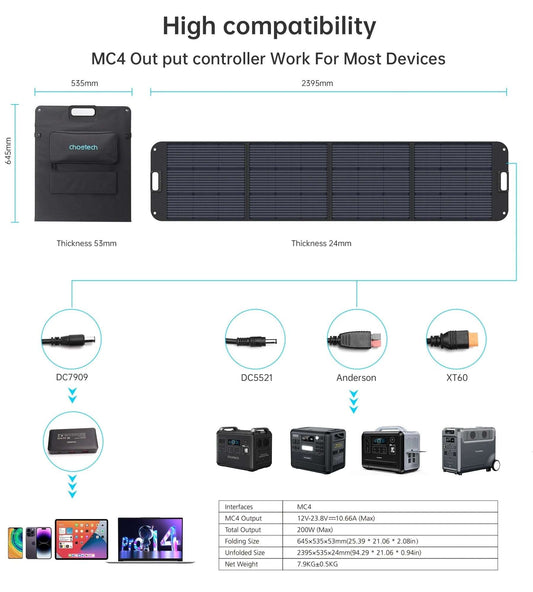
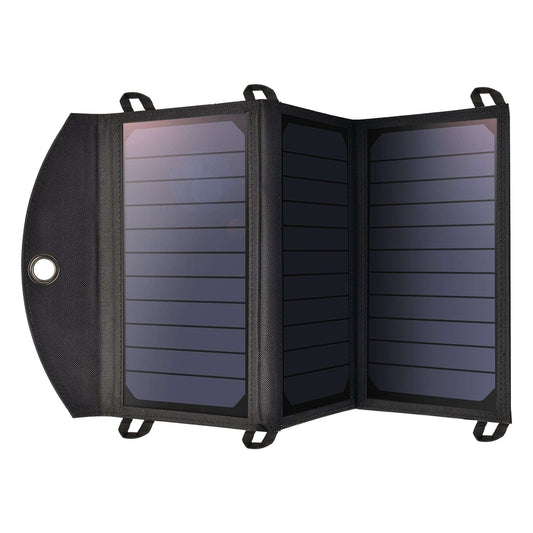
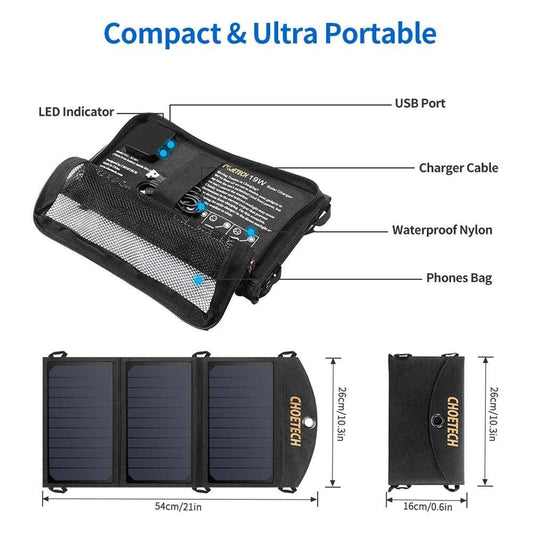
Solar is useful for replacing some of the energy you use during the day, particularly on longer camps away from mains power. Browse 12V Solar for portable panels and solar kits, then match the panel to the charging equipment and battery system.

A panel's rated wattage is a useful comparison figure, but actual output changes with sunlight, cloud, shade, panel angle, heat and system losses. Allow some margin instead of planning around ideal output every day.

Solar Regulators and Charge Controllers

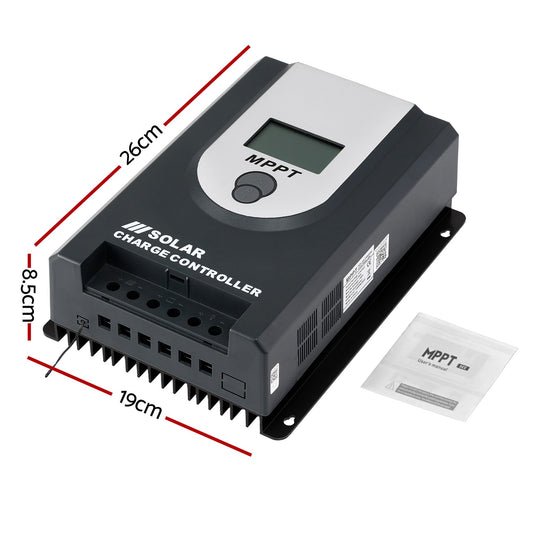
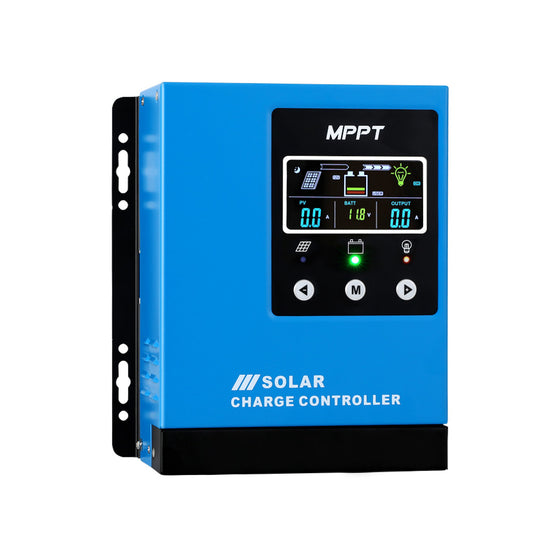
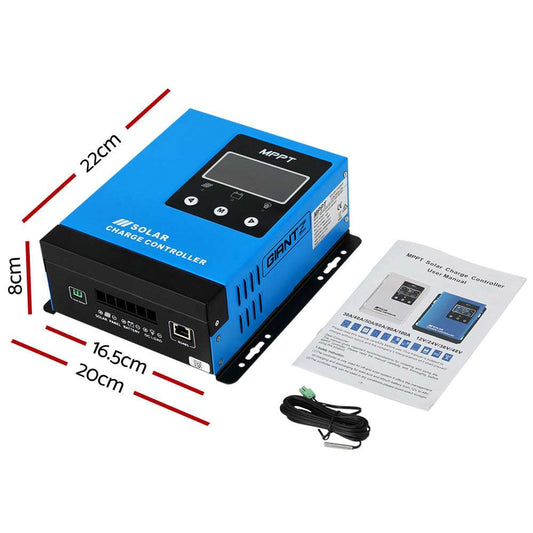
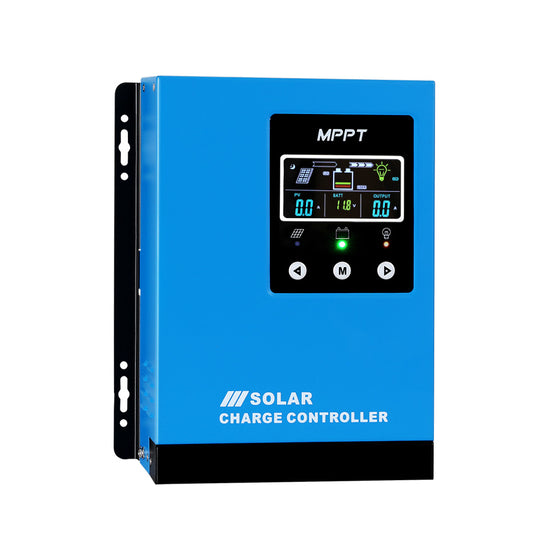
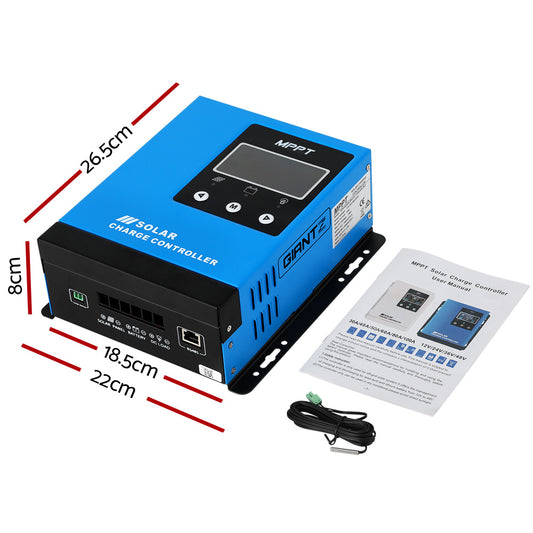
A battery should be charged from solar through suitable charge-control electronics. In a traditional solar-and-battery setup this is normally a solar regulator or charge controller. Explore 12V Solar Regulators and check the supported battery voltage, chemistry, solar input limits and rated charging current.

Some portable power stations and charging products already include their own compatible solar charge control, so adding a separate regulator is not always necessary. Follow the connection method specified for the equipment you are using.

Portable Power Stations vs Fixed 12V Systems

Portable power stations combine a battery, charging electronics and multiple outputs in one unit, which can make them convenient for occasional camping or a setup that moves between vehicles. A fixed auxiliary-battery system can offer more flexibility for permanent 4WD, caravan or camper installations.

Compare usable capacity, output limits, charging options, solar input, weight and the connections your gear requires. A large watt-hour rating is only part of the decision if the power station cannot supply the continuous or start-up power your appliance needs.

Using an Inverter for 240V Appliances

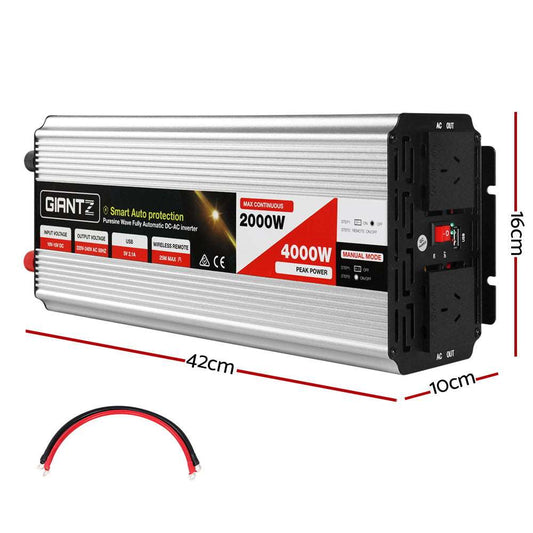
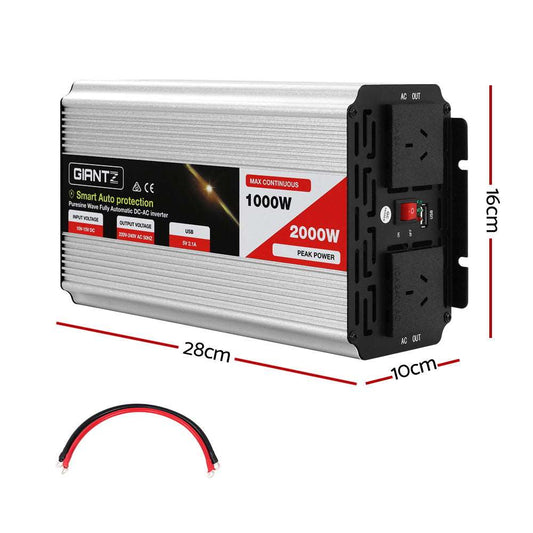
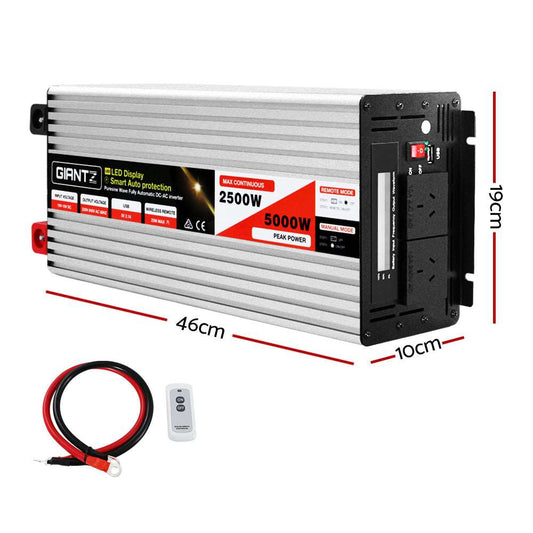
An inverter converts battery power into 240V AC for compatible appliances. Choose one with enough continuous output for the equipment you intend to run, and check whether the appliance has a higher start-up or surge demand. Browse Generators & Inverters for the current range.

Higher-power inverters can draw very high current from a 12V battery, so the battery, cables, terminals and circuit protection all need to be suitable for the load. Some electronics and appliances may require or work best with pure sine wave power; check their requirements before choosing an inverter. Where fixed 240V wiring is involved, use an appropriately licensed electrician and follow local requirements.

Generators Are a Different Kind of Power Source

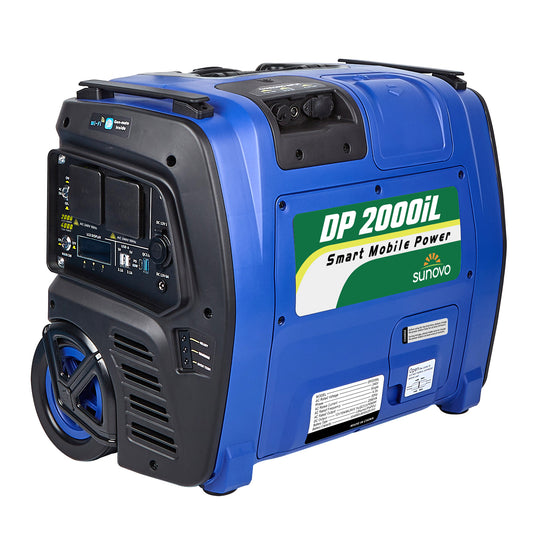
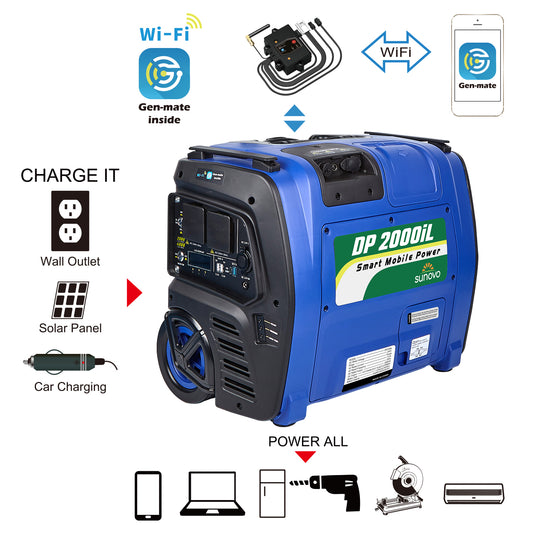
Petrol inverter generators can provide power independently of a battery-and-solar setup and may suit situations where extended higher-power use is needed. They also bring different considerations, including fuel, noise, maintenance and where they can be operated safely. Never run a fuel-powered generator inside a tent, vehicle, caravan or other enclosed space, and follow the manufacturer's operating instructions and campsite rules.

Protect the System with the Right Cables and Circuit Protection

12V systems can carry substantial current. Cable size needs to suit both the current and the cable run, while fuses or circuit breakers should be selected and positioned to protect the wiring and equipment. Connections also need to be secure, correctly polarised and protected from abrasion, moisture and accidental short circuits.

For high-current vehicle installations or anything you are not confident connecting safely, an experienced auto electrician can help match the components and installation to the vehicle and intended load.

Keep Your Starter Battery for Starting

Running camp equipment from the vehicle's starter battery while the engine is off can leave you unable to start the vehicle. A separate auxiliary battery or portable power station keeps camping loads separate, while an appropriate DC-DC charger or isolator can manage charging between the vehicle and auxiliary system.

Plan Around Your Biggest Ongoing Loads

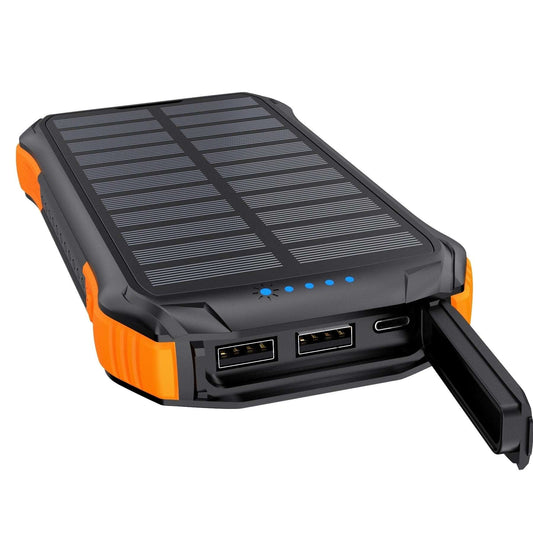
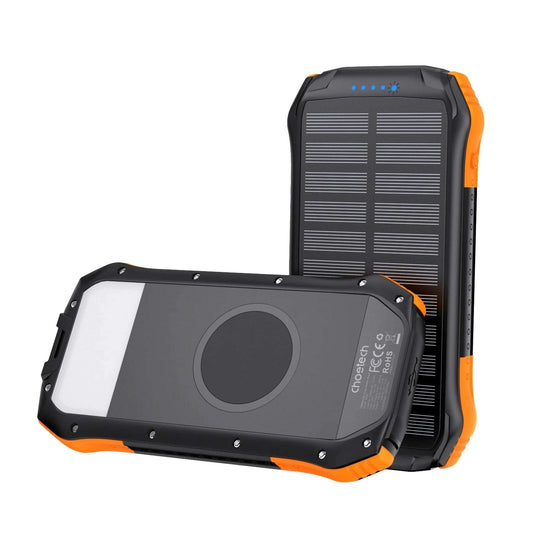
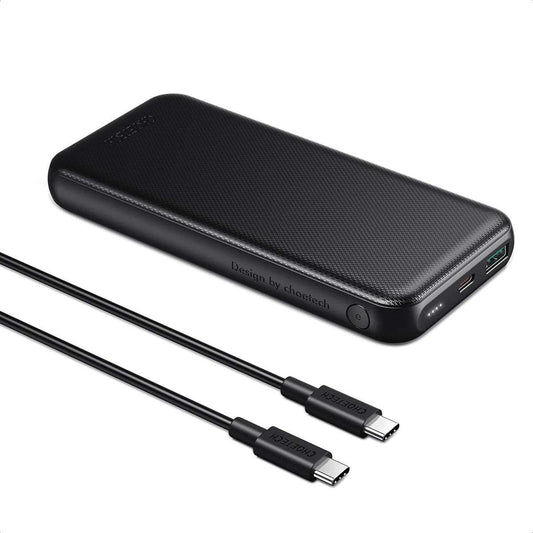
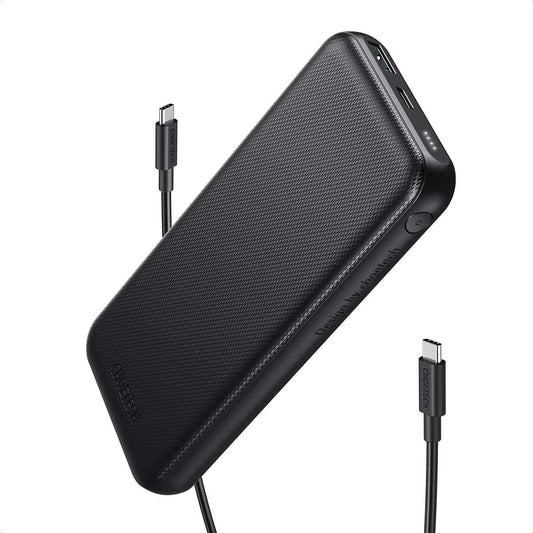
For many touring setups, a fridge is one of the main ongoing electrical loads. Browse 12V Camp Fridges and use the individual fridge's power information when working out battery and charging needs. You can also explore 12V Camping Lights & LED Lighting for campsite lighting and Power Banks for smaller device-charging needs.

Common Camping Power Mistakes to Avoid

  • Buying a battery before estimating what you actually need to power each day.
  • Assuming the full advertised battery capacity is always available for use.
  • Changing from AGM to lithium without checking charger and controller compatibility.
  • Choosing an inverter from appliance running watts but ignoring start-up or surge demand.
  • Expecting a solar panel to produce its rated output in every weather condition.
  • Connecting a solar panel because the plug fits without checking voltage, current and polarity.
  • Using undersized cables or leaving high-current circuits without suitable protection.
  • Running camping loads from the starter battery for long periods with the engine off.

Build Your Camping Power Setup

Browse 12V Batteries & Chargers, 12V Solar, 12V Solar Regulators, Generators & Inverters and Power Banks to put together a system that suits your vehicle, campsite and time away from mains power.

Before connecting components, check that voltage, battery chemistry, charging limits, cable ratings, connectors and polarity are compatible across the whole system. Product features and electrical ratings vary by model, so use the individual product specifications when matching equipment.

Guide reviewed: August 2026.

Frequently Asked Questions

What do I need for a 12V camping power setup?

Start with the gear you want to run, then choose a power source and charging method that suit those loads. A typical setup can include a 12V battery or portable power station, suitable charging, solar input, correctly rated cables and circuit protection, plus outlets or an inverter where needed. The exact combination depends on your fridge, lighting, devices, trip length and how you recharge between camps.

Can solar power run camping gear?

Solar can help recharge the battery or power station that runs camping fridges, lights, phones and other compatible gear. How much it can support depends on your daily energy use, battery capacity, panel size, available sunlight and charging losses. Solar panel output also changes with shade, angle, temperature and weather, so allow some margin when planning an off-grid setup.

What size 12V battery do I need for camping?

Start by listing the equipment you want to run, its power draw and roughly how many hours it will operate each day. Then allow for the battery’s usable capacity, charging input and a practical reserve. A fridge, lighting and occasional device charging need a different battery plan from high-current inverter loads, so compare your expected daily energy use with the exact battery specifications.

What solar panel size do I need for camping?

Estimate how much energy your fridge, lights and other devices use each day, then choose enough solar capacity to replace a useful share of that energy during the sunlight available on your trip. Allow for clouds, shade, panel angle, heat and charging losses, and make sure the panel voltage and current are compatible with your regulator, battery charger or portable power station.

Do I need a solar regulator for camping solar?

A solar panel needs suitable charge-control electronics before charging a battery. In a conventional battery setup this is usually a solar regulator or charge controller. Some portable power stations, DC-DC chargers and other equipment already include compatible solar charge control, so a separate regulator may not be required. Check the exact panel, battery and charging-equipment specifications before connecting the system.

Should I choose an AGM or lithium battery for camping?

Both can suit camping, but they have different weight, usable capacity, charging and operating requirements. LiFePO4 batteries are often chosen where lower weight and greater usable capacity are priorities, while AGM can suit simpler or existing systems. Before changing battery type, confirm that your charger, solar controller, DC-DC charger and other connected equipment support that battery chemistry.

What size inverter do I need for camping?

Choose an inverter with a continuous output that comfortably covers the equipment you plan to run, while also checking any higher start-up or surge demand. The inverter must also suit the battery voltage and the current the battery, cables and protection devices can safely supply. Some appliances and electronics may require or work best with pure sine wave power, so check their power requirements before choosing an inverter.

What is the difference between a DC-DC charger and a battery charger?

A DC-DC charger is commonly used to charge an auxiliary battery from a vehicle's electrical system while driving, while an AC battery charger uses mains power when it is available. Some products can also manage solar input. Choose a charger that matches your battery voltage, chemistry and recommended charging current, and follow the installation instructions for your vehicle and battery system.

How can I avoid flattening my starter battery while camping?

Avoid relying on the starter battery for long periods while the engine is off. A separate auxiliary battery or portable power station can keep camping loads away from the starting battery, while a suitable isolator or DC-DC charging system can manage charging between vehicle and auxiliary systems. The right approach depends on the vehicle, battery type and equipment being powered.

Can I connect any solar panel to any battery or power station?

No. The panel's voltage, current, connector type and polarity need to match the limits and connection method of the solar controller, charger or power station. A connector that physically fits does not guarantee electrical compatibility. Check the input specifications for both products before connecting them, and use suitable cabling and adapters.

Popular at Just Camp

1 of 6