

How to Power Camp Fridge the Right Way
Share
You only need one warm milk, one soggy packet of bacon, or one flat battery on day two to realise that learning how to power a camp fridge properly is not a small detail. It can make or break a weekend away, especially when you are running long drives, warm weather, or family trips where cold food and drinks are non-negotiable.
The good news is you do not need an overly complicated setup. For most Aussie campers, it comes down to matching your fridge size, trip length, and travel style with the right power source. Get that balance right and your fridge will keep humming along without chewing through your battery or turning camp setup into a science project.
How to power camp fridge setups without guesswork
A camp fridge usually runs on 12V DC power, which means it is designed to work from a vehicle battery, portable power station, or battery box. Some models also run on 240V AC when you are at home, in a powered site, or using an inverter, but 12V is the main game for off-grid camping.
The mistake plenty of people make is assuming any battery will do. In reality, a camp fridge cycles on and off all day, and power use changes with ambient temperature, how often the lid gets opened, what temperature you set, and whether the fridge is packed efficiently. A small 40L fridge in mild weather will draw far less power than a big dual-zone unit working hard in summer.
That is why the best setup depends on how you camp. If you move every day, your vehicle may do most of the charging. If you sit in one spot for three nights near the coast or inland, you may need battery storage plus solar. If you stay in caravan parks, 240V backup can keep things simple.
Start with your fridge power draw
Before you buy batteries or panels, check the fridge specs. Most portable compressor fridges list an average amp draw or wattage. As a rough guide, many camping fridges use somewhere around 1 to 5 amps per hour depending on size and conditions, but average daily consumption is the number that matters more.
In practical terms, a common 40L to 50L compressor fridge may use roughly 30 to 50 amp-hours across 24 hours in moderate conditions. Hot weather can push that figure higher. If you use it as a freezer, expect a bigger power hit again.
This matters because your battery needs to cover real use, not best-case use. If your fridge uses 40Ah a day and you want two days of reserve without charging, you need more than a small starter battery or budget power pack. You need usable battery capacity that matches the load.
The easiest ways to power a camp fridge
For most campers, there are three practical options. A vehicle-powered setup works well for regular driving days. A portable battery or power station suits flexible camping and quick setup. A dual battery plus solar system is the stronger choice for longer off-grid stays.
Using your vehicle battery
Yes, you can run a fridge from your vehicle, but there is a catch. If it is plugged into your starter battery while the engine is off, you risk flattening the battery and not starting the car in the morning. That might be manageable for a quick lunch stop, but it is not a smart plan for overnight use.
If you are driving every day and only stopping briefly, your vehicle can keep the fridge powered through a 12V socket while the engine is running. For road trips with overnight camps, a proper dual battery setup is the safer move. That gives the fridge a separate battery to draw from without touching your cranking battery.
Using a portable power station or battery box
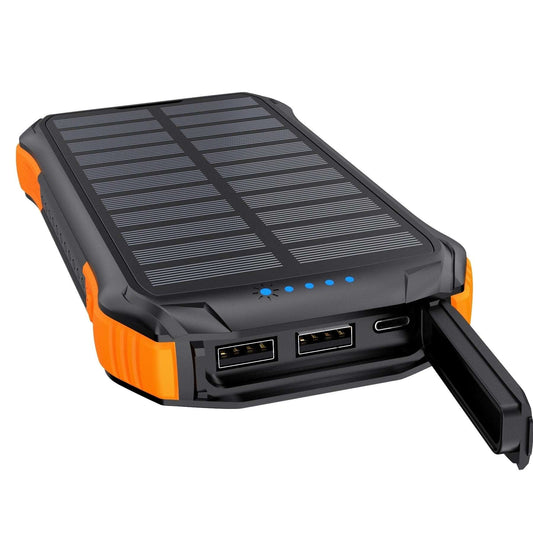
This is one of the simplest ways to sort out how to power camp fridge systems if you want easy setup and flexibility. A portable lithium power station or battery box can run the fridge overnight and recharge from the car, solar, or mains power depending on the model.
For weekend campers, this option often hits the sweet spot. It is straightforward, easy to move between the car, tent, boat, or caravan, and it avoids permanent installation. The trade-off is capacity and price. Cheaper units may not last as long as you expect, especially in hot conditions or with larger fridges.
Using a dual battery setup
If you camp often, travel remotely, or run more than just a fridge, a dual battery setup makes a lot of sense. It gives you a dedicated auxiliary battery charged by the alternator while you drive, and often paired with a DC-DC charger for better charging performance.
This is a stronger long-term option for 4WD touring, longer stays, and bigger setups. It does cost more upfront and usually takes more planning, but it is more dependable if your trips are regular and your power needs are not basic.
Why solar makes such a big difference
Battery storage gets you through the night. Solar helps you stay out longer. If you are camped up for more than a day or two, solar can be the difference between relaxed camping and constantly checking voltage levels.
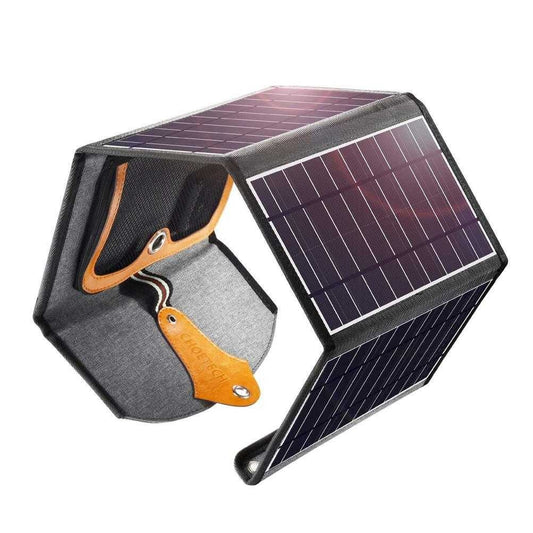
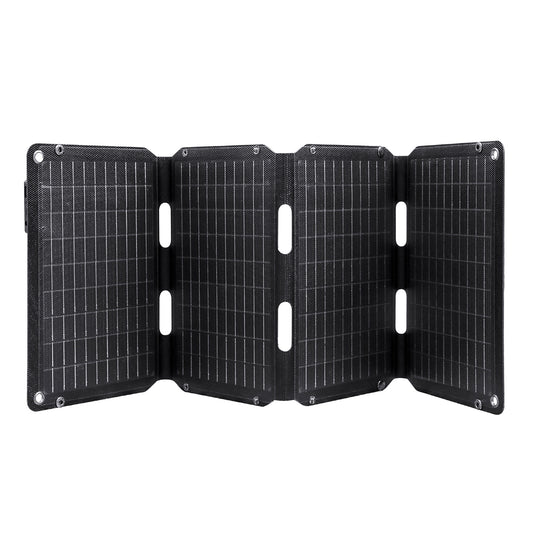
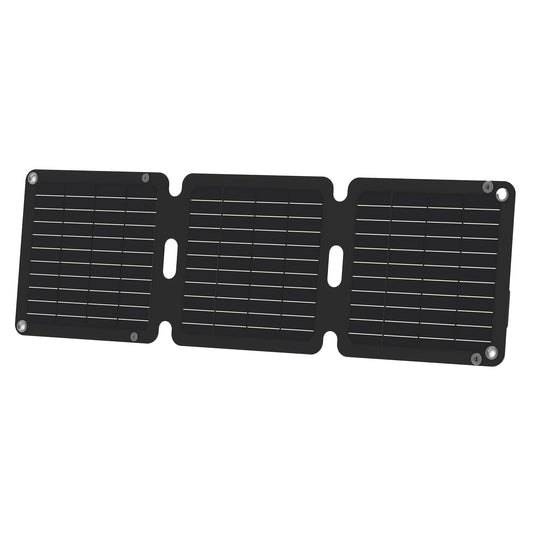
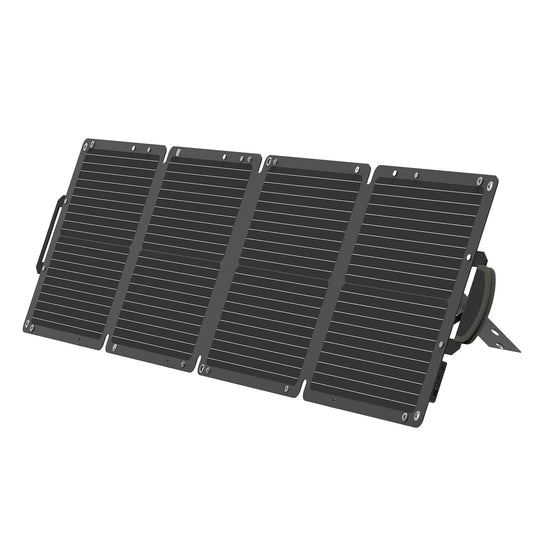
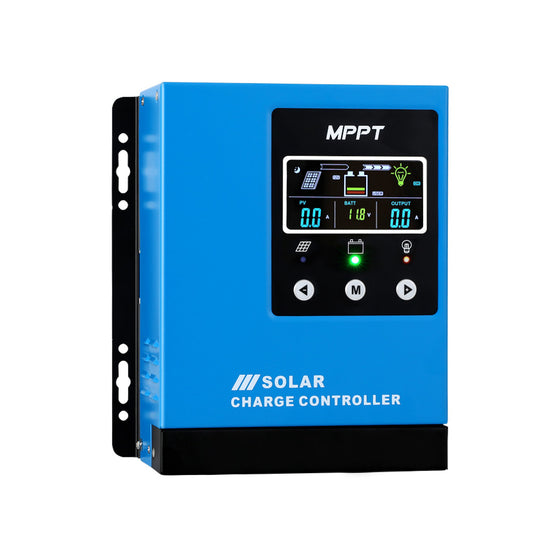
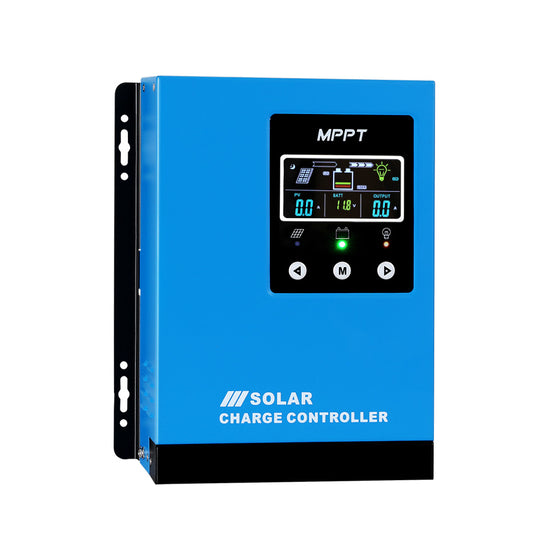
A folding solar panel or fixed panel setup can top up your battery during the day while the fridge keeps running. How much solar you need depends on your fridge draw, battery size, sun conditions, and whether anything else is using power like lights, chargers, or a water pump.
In good sun, a properly matched solar panel can replace much of what the fridge used overnight. In poor weather or shady campsites, output drops fast. That is the trade-off. Solar is brilliant when conditions are right, but it works best as part of a system, not as your only backup plan.
Battery size matters more than most people think
One of the biggest setup mistakes is buying a decent fridge and pairing it with an undersized battery. The fridge gets blamed when the real problem is lack of usable capacity.
Lead-acid and AGM batteries are common and often cheaper upfront, but you generally should not drain them deeply if you want decent lifespan. Lithium batteries cost more initially, but they offer more usable capacity, lighter weight, and faster charging. For plenty of campers, lithium now makes more sense if the budget allows.
If your fridge uses around 40Ah per day, a 100Ah lithium battery gives you much more breathing room than a 100Ah AGM. That does not mean everyone needs lithium, but it does mean battery type changes what your setup can actually deliver in the real world.
Small details that improve fridge efficiency
If you want your power to go further, your fridge setup matters almost as much as the battery behind it. Keep the fridge out of direct sun where possible and make sure it has ventilation around the compressor. A fridge jammed into a hot canopy corner with no airflow will work harder and draw more power.
Pre-chill the fridge at home on 240V before you leave. Load it with cold food and drinks rather than warm groceries. Try not to leave empty air space if you can help it, because fuller fridges tend to hold temperature better. And if you are opening it every ten minutes for another cold drink, expect battery life to suffer.
Cable quality matters too. Long, thin cables can cause voltage drop, which makes fridges less efficient and sometimes triggers low-voltage cut-outs. A proper 12V setup with quality wiring is worth it.
Picking the right setup for your trip style
If you are doing short weekend trips and driving daily, a portable power station charged from the vehicle is often enough. If you are taking family trips and staying put for two or three nights, add solar so the battery is not doing all the heavy lifting.
If you are touring in a 4WD, heading remote, or running a bigger fridge freezer combo, a dual battery setup with solar is the more dependable option. It is not the cheapest path, but it is the one that saves headaches when the weather turns hot and the trip stretches longer than planned.
For caravan travellers, the setup can be even more forgiving if you have access to mains power at some stops. That lets you recharge properly between off-grid nights and takes pressure off your battery system.
The setup that usually works best
For many campers, the sweet spot is simple: a compressor fridge, a quality auxiliary or portable lithium battery, and solar support if you plan to stay put. That gives you enough flexibility for beach trips, bush camps, fishing weekends, and school holiday runs without overcomplicating things.
At Just Camp Australia, that practical middle ground is what suits a lot of real-world buyers. Not everyone needs a massive touring build. Most people just want cold food, cold drinks, and a setup that works when the weather is warm and the trip is meant to be easy.
If you are still working out how to power camp-fridge gear for your own setup, start with honest numbers. Check your fridge draw, think about how long you stay in one spot, and choose power gear that gives you margin rather than bare minimum. A camp fridge should make the trip easier, not give you another thing to worry about once the sun goes down.