

How to Stay Warm While Camping in the Winter
Share
Cold hits differently at camp. It is one thing to step out of the house on a frosty morning, and another to be standing on hard ground at 6 am, trying to boil the billy with numb fingers. If you are wondering how to stay warm while camping in the winter, the answer is not one magic item. It is a system. Get your shelter, bedding, clothing, food and camp setup working together, and a cold-weather trip can be comfortable instead of miserable.
How to stay warm while camping in the winter starts before dark
Most winter camping mistakes happen well before bedtime. Once the sun drops, temperature falls fast, especially inland or at higher elevations. If you arrive late, skip camp setup and hope for the best, the cold usually wins.
Start by choosing your campsite carefully. Low spots can trap cold air, while exposed ridgelines cop the wind all night. A spot with some natural wind protection, decent drainage and morning sun is usually the smarter choice. In Australian conditions, winter does not always mean snow. More often, it means icy wind, damp ground and overnight condensation. That mix can make a basic setup feel far colder than the forecast suggests.
Your shelter matters more than plenty of people realise. A tent or swag does not need to be fancy, but it does need to suit the conditions. Draughty mesh-heavy summer shelters can feel like a wind tunnel in winter. A more enclosed setup helps hold warmth better, and a well-fitted fly makes a real difference when the temperature drops.
It also pays to set camp with the cold in mind. Pitch your tent tight, seal obvious gaps and keep your sleeping area dry from the start. If gear gets damp in the afternoon, it will feel a lot colder at night.
Warmth comes from the ground up
A lot of campers focus on sleeping bags and forget what is underneath them. That is a quick way to get cold. The ground will pull heat from your body all night, and even a good sleeping bag cannot fully fix that if your mattress or mat is not up to the job.
Insulation under you is just as important as insulation over you. A quality sleeping mat, stretcher with insulation, or a well-matched mattress setup can make a huge difference. If you are using an air mattress, remember that some can feel colder because the air inside them loses heat quickly. In winter, it often helps to add a foam mat or insulated layer on top.
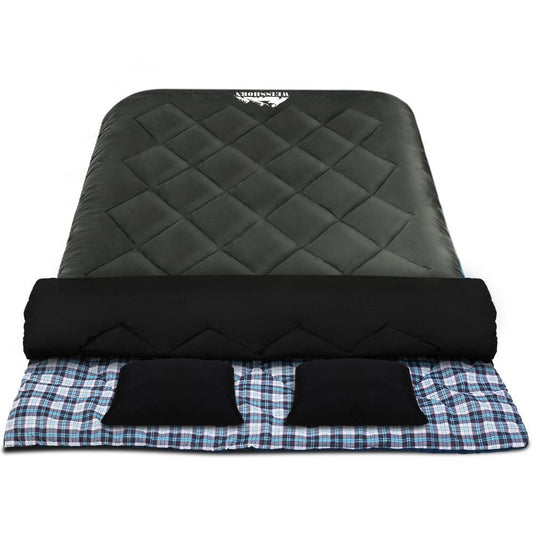
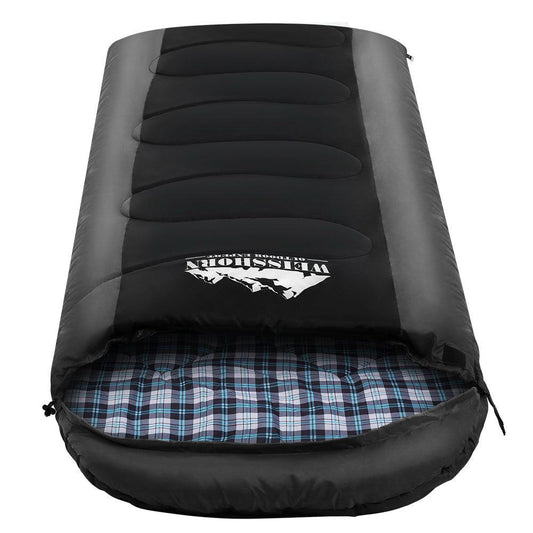
Your sleeping bag should match the conditions, not your best-case guess. If the overnight low is going to hover near freezing, a lightweight summer bag is not going to cut it. A good cold-rated sleeping bag gives you breathing room when the forecast turns ugly. For extra warmth, use a sleeping bag liner and keep your head covered with a beanie. You lose plenty of heat there, especially during the coldest part of the night.
One simple trick that still works is changing into dry sleep clothes before bed. Not the clothes you cooked in, not the jumper you wore while collecting firewood. Properly dry thermals and socks feel warmer because they are warmer.
Layering beats one big bulky jacket
If you want to know how to stay warm while camping in the winter without overpacking, learn to layer properly. One oversized jacket can help around the fire, but a better clothing system gives you more flexibility from afternoon through to dawn.
Start with a base layer that helps manage moisture. That matters because sweat turns cold fast once you stop moving. Add a mid-layer for insulation, like fleece or a quality insulated jumper, then finish with an outer layer that blocks wind. In many parts of Australia, wind chill is what makes winter camping feel brutal.
The trick is to avoid getting sweaty in the first place. If you overheat while setting camp, hiking or gathering gear, your damp clothes can make you colder later. Peel off a layer when you are active, then put it back on before you cool down.
Do not ignore the smaller items. Warm socks, gloves and a beanie pull plenty of weight on a winter trip. Cold hands and feet can make your whole body feel miserable, even when the rest of your setup is decent.
Eat warm, drink smart, stay ahead of the cold
Your body burns energy to stay warm. If you have barely eaten, you will notice the cold earlier and more severely. A solid hot meal in the evening is not just about comfort. It helps fuel your body through the night.
Go for food that is easy to cook and genuinely filling. Think hearty camp meals, hot soups, pasta, rice dishes or a proper fry-up. Warm drinks help too, although it pays not to rely on caffeine alone if it leaves you restless. A hot drink before bed can take the edge off, but staying hydrated across the whole day matters more than many campers think.
That said, there is a balance. Drinking heaps of water right before bed may mean getting up during the coldest part of the night, which nobody enjoys. Stay hydrated through the afternoon and evening, then ease off a bit before turning in.
Heating the campsite safely
A campfire is great for morale, but it is not a full overnight heating system. Once you crawl into the tent, that heat is gone. The job of the fire is to warm you up before bed, help dry the chill out of your clothes and make the evening more comfortable.
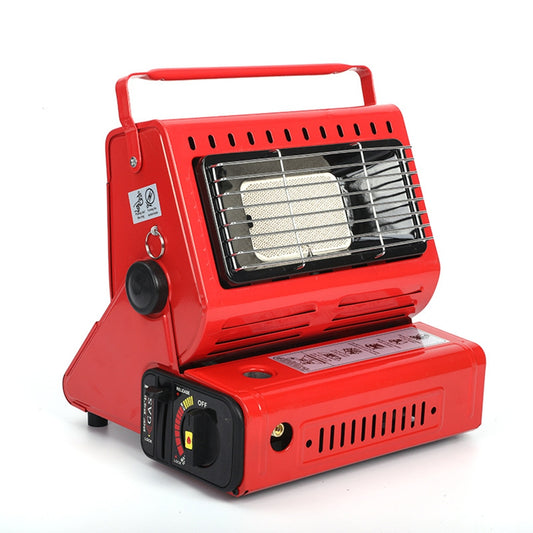
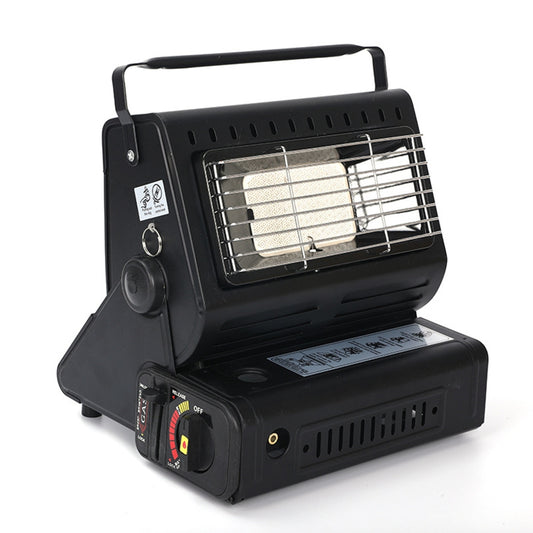
Portable heaters can be handy in the right setup, especially for caravans and more ventilated enclosed spaces designed for them, but safety comes first every time. Never use a heater in a way the manufacturer does not allow, and do not treat any heating device like a shortcut around proper bedding and clothing. If your sleep system is weak, a heater will not fix the problem once it is turned off.
A hot water bottle is one of the best low-fuss options going. Fill it with hot, not boiling, water and tuck it into your sleeping bag before bed. It adds immediate warmth where you need it most. For plenty of campers, that one move changes the whole night.
Small camp habits that make a big difference
Winter comfort often comes down to details. Keep tomorrow's clothes inside the tent instead of leaving them in the annex or the car. Cold clothes in the morning feel rough, and damp ones are worse. If possible, stash your boots under cover and loosen them before bed so they are easier to get on at first light.
Try not to bring wet gear into your sleeping space. Condensation and damp clothing create a colder environment fast. Ventilation still matters too. It sounds backwards, but sealing everything completely can lead to moisture build-up inside the tent, which leaves your gear clammy and colder by morning.
If you are camping with kids, double-check their setup before they go to sleep. Children often do not manage layers and bedding as well as adults, and once they get cold, the night can unravel quickly. Extra blankets, dry clothes and a properly insulated sleeping surface are usually worth the space.
The best setup depends on your style of trip
Not every winter camp looks the same. A family heading out in a caravan park, a couple in a swag on a road trip, and a 4WD crew camping off-grid all need slightly different solutions.
If you are car camping, take advantage of the extra room. Bring better bedding, an extra insulated layer and spare dry clothes. Comfort is easier when you are not counting every kilogram. If you are in a swag, focus on ground insulation, wind protection and keeping bedding dry. If you are staying in a caravan or camper trailer, heating options may be more practical, but condensation control still matters.
This is where dependable gear really earns its keep. You do not need expedition-grade kit for most Australian winter trips, but you do need equipment that suits the conditions and does the job properly. That is the difference between waking up refreshed and counting the hours until sunrise. Just Camp keeps it simple with practical winter camping gear that suits real trips, real budgets and real Aussie conditions.
When to call it and change the plan
There is a difference between a cold night and an unsafe one. If gear is soaked, temperatures are dropping harder than expected, or someone in the group cannot get warm, it is smart to adjust. Add layers, move into the vehicle, use sheltered facilities if they are available, or pack it up early if needed. No campsite story is worth pushing through bad conditions with the wrong setup.
Winter camping can be brilliant - quieter campgrounds, crisp mornings, clear skies and no summer crowds. But comfort does not happen by accident. Build warmth into your setup before the sun goes down, stay dry, eat well and sleep on proper insulation. Do that, and cold-weather camping starts feeling a lot more like a good idea.