

Lithium Battery vs AGM: Which Suits You?
Share
You notice battery choice when the fridge cuts out overnight, the camp lights fade early, or the caravan setup takes too long to recharge between stops. That is where lithium battery vs AGM becomes more than a spec-sheet debate. For campers, caravanners and 4WD travellers in Australia, it is really about getting dependable power without wasting money on the wrong setup.
If you are deciding between the two, the short answer is this: lithium usually wins on weight, usable capacity, charging speed and long-term value, while AGM still makes sense for tighter budgets and simpler occasional-use setups. The better option depends on how often you head away, how much gear you run, and whether saving upfront or saving over time matters more.
Lithium battery vs AGM: the real difference
At a glance, both battery types can run your camping and touring gear. They can power fridges, lights, pumps, chargers and other 12V essentials. The difference is how efficiently they do it, how long they last, and how much compromise you are willing to accept.
AGM stands for Absorbent Glass Mat. It is a type of sealed lead-acid battery that has been a go-to option for years because it is affordable, widely available and fairly straightforward to use. It is familiar gear for plenty of campers.
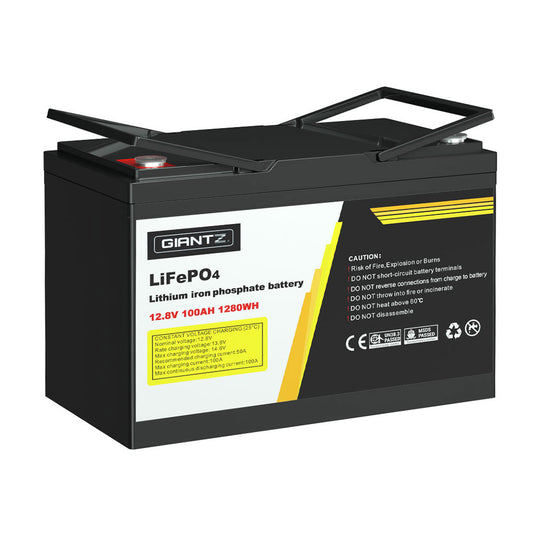
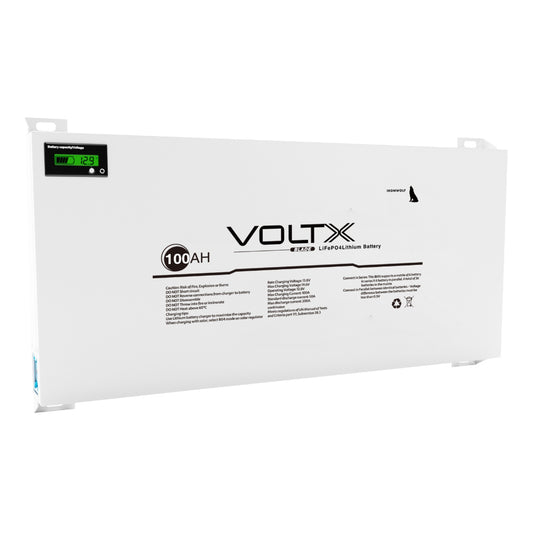
Lithium batteries, usually lithium iron phosphate for camping use, are newer in mainstream outdoor setups. They cost more upfront, but they are lighter, more efficient and better suited to regular off-grid use. If your setup includes a fridge running day and night, solar on the roof, and a few devices charging at once, lithium starts to make a lot of sense.
Weight matters more than most people think
This is often the first thing people notice. AGM batteries are heavy. A decent-capacity AGM can add a serious chunk of weight to a drawer system, canopy, caravan tunnel boot or camper trailer. That might not sound like a big deal until you are trying to stay within payload limits or move gear around by hand.
Lithium batteries are much lighter for similar usable power. That makes them especially appealing for touring rigs, caravans and boats where every kilo counts. Less weight can also mean easier handling and less stress on your suspension and storage setup.
For a weekend camper who leaves the battery in one spot all season, AGM weight may not be a deal-breaker. For anyone building a leaner touring setup, it usually is.
Usable capacity is where lithium pulls ahead
This is the part that catches plenty of buyers out. A 100Ah AGM and a 100Ah lithium battery do not deliver the same real-world usable power.
With AGM, you generally do not want to discharge too deeply if you want decent battery life. In practical terms, many users treat around 50 per cent of the rated capacity as the comfortable usable range. Go well beyond that too often and you can shorten the battery's lifespan.
Lithium can usually be discharged much deeper without the same wear penalty. That means a 100Ah lithium battery gives you far more usable power than a 100Ah AGM. So even if the labels look similar, the performance on a trip can feel very different.
If you are running a fridge, LED lighting, a water pump and charging phones or a laptop, that extra usable capacity is a major advantage.
Charging speed can change how you travel
Charging is another big separator. AGM batteries charge slower, particularly as they get closer to full. If you are relying on short driving periods between campsites or a smaller solar setup, that can be frustrating.
Lithium batteries generally charge much faster. That is a big plus for road trippers who move often, rely on DC-DC charging from the vehicle, or want to make the most of limited sun through solar panels. Faster charging means less downtime and better odds of arriving at your next camp with the battery properly topped up.
For touring around Australia, where weather, shade and travel distances can vary wildly, that extra charging efficiency can make your whole setup feel easier to live with.
Lifespan and long-term value
AGM wins the entry price battle. If you are looking at the shelf price alone, AGM is the cheaper option almost every time. That is why it still appeals to budget-focused campers and anyone putting together a basic setup.
But battery value is not just about what you pay today. It is also about how many cycles you get, how much usable power you have, and how often you will need to replace it.
Lithium batteries usually last far longer than AGM under regular cycling. If you camp often, free camp for longer stretches, or use your battery every week in a canopy or caravan, lithium can work out better value across the years. The upfront spend is higher, but the replacement cycle is usually much longer.
AGM can still be good buying if your use is occasional. For a couple of short trips a year, it may take a long time before lithium's long-term savings become worth the higher initial cost.
Performance in Australian camping conditions
Australian conditions are hard on gear. Heat, dust, corrugated roads and long distances test everything in your setup.
AGM batteries are proven and tough in many camping applications, but they do not love being left partially charged for long periods. If your setup sits idle between trips and battery maintenance is not high on your list, AGM can lose some appeal.
Lithium generally handles repeated use better and keeps voltage steadier under load. That can be handy for running sensitive electronics and keeping appliances happy. A fridge powered by lithium often sees more stable performance across the discharge cycle.
That said, lithium is not automatically perfect in every environment. Some lithium batteries have charging limitations in very cold conditions, though that is less of a concern for many Australian travellers than heat and heavy daily use. Quality also matters. A well-built battery with a proper battery management system is worth paying attention to.
When AGM still makes sense
AGM is not outdated junk. It still suits plenty of real campers.
If you mainly do shorter weekend trips, run a fairly basic power setup, and want to keep costs down, AGM can be a sensible buy. It also works for buyers replacing an older lead-acid system without changing chargers or other components, as long as the rest of the system is matched properly.
It can also suit fixed or less weight-sensitive setups where the battery is not being moved around and payload is less of a concern. If your expectations are realistic and your power draw is modest, AGM can do the job.
When lithium is the better buy
Lithium is usually the stronger choice if you camp regularly, rely on a fridge full-time, travel off-grid for more than a night or two, or want a setup that recharges faster and weighs less. It is especially useful for caravans, dual-battery 4WD systems and touring rigs where space and payload matter.
It also suits people who would rather buy once and buy well. If your battery gets used hard, the performance difference is not subtle. You notice it in run time, recharge speed and day-to-day convenience.
For many Aussie travellers, lithium is less about luxury and more about less mucking around.
Things to check before you buy
Before choosing either battery type, make sure your charging gear is compatible. Your charger, solar regulator and DC-DC charger all need to suit the battery chemistry you pick. Swapping to lithium can sometimes mean updating parts of the system.
Also think honestly about your use. If your idea of camping is a powered caravan park every school holidays, you probably do not need the best off-grid battery money can buy. If you are chasing beach camps, station stays or long remote runs, battery performance matters far more.
A good rule is to match the battery to your actual trip style, not the trip style you might do once every two years.
So which one should you choose?
If price is the main driver and your setup is simple, AGM is still a fair option. If you want lighter weight, more usable power, faster charging and stronger long-term value, lithium is the clear winner for most regular campers and travellers.
That is why the lithium battery vs AGM decision usually comes down to this: AGM helps you spend less now, while lithium helps you put up with less later. For plenty of Australian adventurers, that trade-off is worth it.
If you are building a setup for real trips, real roads and real weekends away, choose the battery that makes life easier every time you pack up and head out.