Waterproof Tarp vs Poly Tarp for Camping
A tarp can be the difference between dry firewood and a soggy camp setup after an overnight shower. But when comparing a waterproof tarp vs poly tarp, the names can be misleading: a poly tarp is usually waterproof, while “waterproof tarp” can describe several different materials. The right choice comes down to where you are using it, how long it will stay up, and how much abuse it needs to handle.
For a quick weekend away, a quality poly tarp is often great value. For a long-term shelter, hard-working ute cover or wind-battered camp kitchen, a heavier-duty waterproof material may be worth the extra spend.
Waterproof tarp vs poly tarp: know the difference
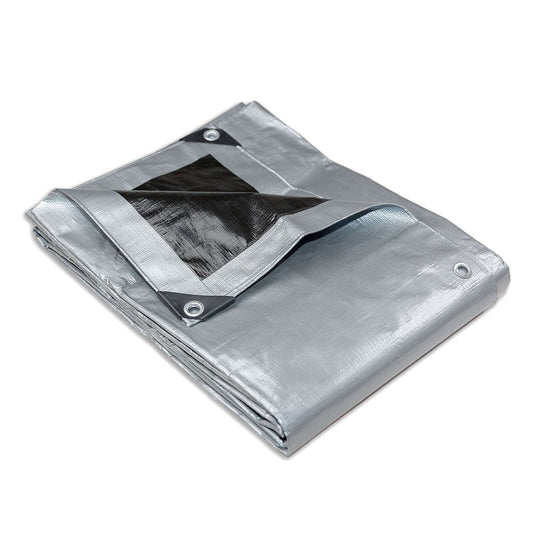
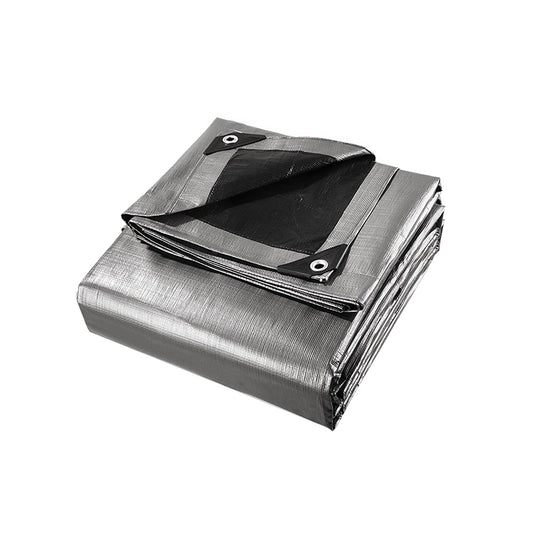
A poly tarp is made from woven polyethylene, usually with a laminated coating on both sides. This construction is light, flexible, affordable and water resistant to waterproof, depending on the tarp’s quality and condition. The familiar blue, green and silver tarps seen at campsites, job sites and in caravan storage bays are generally poly tarps.
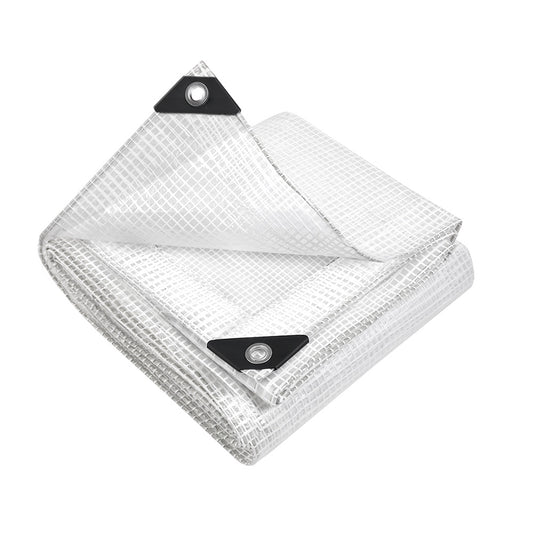
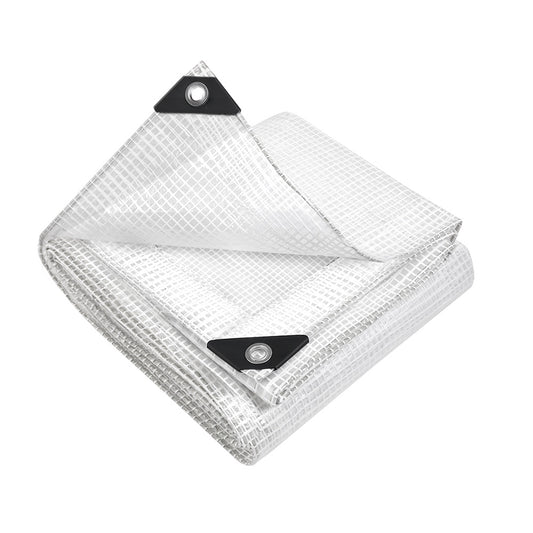
A waterproof tarp is a broader term. It may be a poly tarp, but it can also be made from PVC, treated canvas or another coated fabric designed to stop water getting through. PVC tarps are commonly the heavy-duty option. They are thicker, heavier and better suited to repeated use where rubbing, wind and rough surfaces are part of the job.
That means this is not always an either-or choice. A lightweight poly tarp can be waterproof and perfectly capable for camping. The key is to look past the label and check the material, thickness, edge reinforcement and eyelets before buying.
When a poly tarp is the smart buy
Poly tarps earn their place because they are easy to pack, easy to replace and useful in dozens of situations. Throw one in the 4WD, caravan tunnel boot or camp box and it can become a groundsheet, a quick rain awning, a cover for bikes or a clean spot to stack firewood.
For occasional camping, fishing trips and family holidays, a poly tarp gives plenty of protection without taking up much room or adding serious weight. It is also a practical choice when you need a large covered area, such as creating a windbreak beside the tent or putting a barrier under a gazebo.
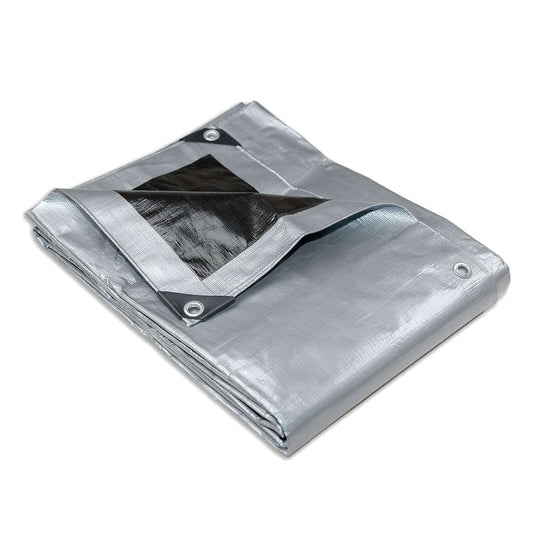
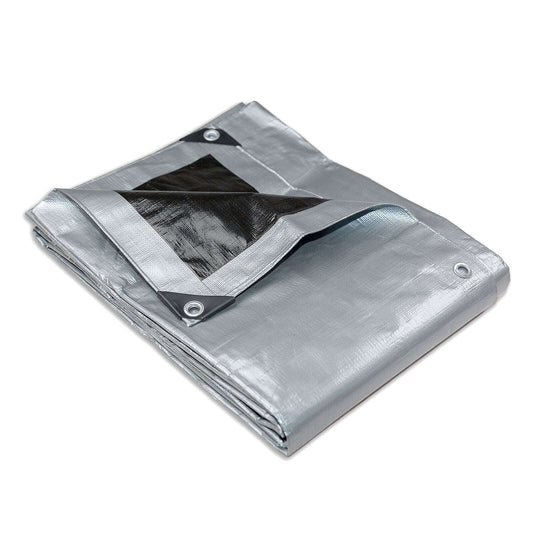
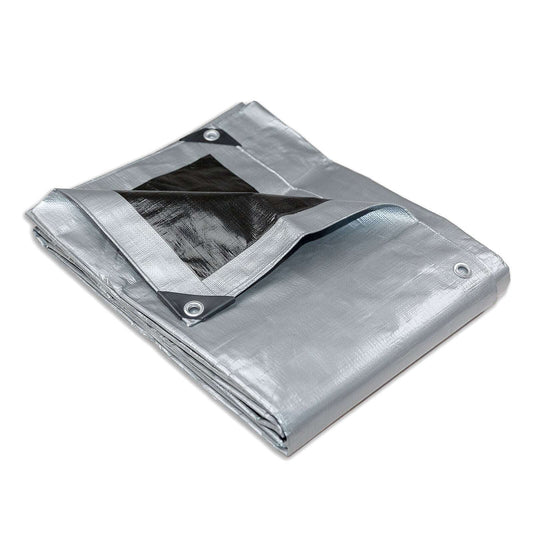
Silver-backed poly tarps can be particularly handy in Australian conditions. The reflective side helps reduce heat absorption when used as a cover, while the darker side can be positioned underneath where glare is unwanted. It will not turn a hot summer campsite into an air-conditioned room, but it can help keep gear out of direct sun.
Poly is not indestructible, though. Cheap, thin tarps can tear at the eyelets, split after prolonged UV exposure or puncture when dragged over sharp sticks and gravel. If it is only needed for a few weekends a year, that trade-off is usually fine. If it will live outside for months, it is worth stepping up to a tougher option.
When a heavy-duty waterproof tarp makes more sense
A heavy-duty waterproof tarp, often PVC, is built for jobs where a standard poly tarp may wear out quickly. Think covering a trailer load, protecting camp gear on a long trip, making a durable annex floor, shielding stored equipment or creating a shelter that will stay up through more than one rough patch of weather.
PVC is generally more resistant to abrasion and punctures than lightweight polyethylene. It is also less likely to flap itself to pieces when it is tied down properly in strong wind. That makes it a better fit for 4WD touring, farm-style jobs around camp, longer caravan stays and any cover that will regularly touch metal racks, timber or rough ground.
The compromise is weight and bulk. A PVC tarp takes up more space in the ute or caravan and is less pleasant to haul around than a folded poly sheet. It also costs more. There is no point paying for heavy-duty material if you only need a light rain cover for chairs once or twice a year.
Treated canvas is another option for certain shelter jobs. It is quieter in wind, breathes better than plastic materials and can suit traditional camping setups. However, canvas needs proper drying and care before storage to avoid mildew. It is not the simplest choice for buyers who want a low-maintenance, grab-and-go cover.
What matters more than the word “waterproof”
A tarp can look tough in the product photo and still let you down at camp if the details are poor. Focus on the build features that match the job.
Thickness or weight is one of the clearest indicators. Poly tarps are often described by GSM, meaning grams per square metre. A higher GSM usually means a thicker, stronger tarp, although it is still worth checking how the corners and eyelets are reinforced. For a lightweight emergency cover, lower GSM keeps the pack size down. For regular use, a more substantial tarp is usually money well spent.
Eyelets matter just as much. They take the strain whenever you peg, rope or bungee the tarp down. Look for rust-resistant eyelets set into reinforced hems, especially at the corners. If a tarp is stretched tight from weak eyelets, it can tear even when the main fabric is fine.
UV resistance is a big deal in Australia. Sun damage often finishes a tarp before rain does. A UV-treated tarp will last longer when used as a vehicle cover, shade wall or semi-permanent shelter. Even then, no tarp likes being left tight and flapping in full sun for a season. Check it occasionally, adjust the tension and replace it before it fails over valuable gear.
Waterproofing also depends on setup. Water can pool on a flat tarp, stretch the material and eventually find a path through seams, eyelets or damaged spots. Always create a slope so rain runs off, and avoid setting the tarp so low that it collects water overnight.
Match the tarp to the job
For a basic campsite shelter, a medium-weight poly tarp is hard to beat. Run it from a ridge line or awning rail with a clear fall, peg the sides securely and keep one edge lower than the other. This gives you a simple dry zone for chairs, cooking gear and boots without adding a huge amount to your kit.
For a tent footprint, choose a tarp that sits slightly inside the tent floor outline. A tarp extending beyond the tent can catch rain and channel it underneath, which defeats the purpose. Poly works well here because it blocks ground moisture and mud, but avoid using it directly under a tent on sharp rocky ground without clearing the area first.
For covering firewood, recovery boards, tubs or fishing gear, poly is usually enough. Use rope or straps rather than relying on a few loose bungees, and leave enough airflow around damp gear to prevent mould. A fully sealed tarp over wet equipment may stop rain, but it can trap condensation.
For trailer loads, roof-rack gear or equipment that will see highway speed, friction and regular handling, a heavier waterproof tarp is a safer choice. Secure it at multiple points and protect it from sharp corners. A tarp is only as strong as its tie-down system, so use rated straps where load security is required and never treat a tarp as a substitute for properly restraining cargo.
Set it up to survive the weather
Most tarp failures are setup failures. Tying a tarp drum-tight seems sensible, but it leaves no give when wind gusts hit. Aim for firm tension with a little flexibility, and use guy ropes or bungees where appropriate to absorb movement.
Keep sharp edges away from the fabric, reinforce contact points with padding if needed, and do not use small eyelets as the only anchor point for a large tarp in wild weather. If rain is expected, check for low spots before bed. A simple adjustment at dusk is much easier than dealing with a sagging, water-filled tarp at 2 am.
When packing up, dry the tarp before storing it whenever possible. Shake off dirt, rinse salt spray after coastal trips and fold it loosely once dry. A tarp that is looked after will stay ready in the shed, caravan or camp box for the next getaway.
For most campers, a decent poly tarp covers the everyday jobs brilliantly. Save the heavier waterproof option for the jobs that genuinely demand it, then spend the difference on the gear that gets you out there more often. If you’re working out how much coverage you actually need, our camping tarp size guide can help. Just Camp is built around that same no-fuss idea: choose practical gear for the trip you are actually taking, not the expedition you might do one day.