Choosing a Camping Shower Base for Aussie Trips
A good camping shower base is one of those small bits of gear you appreciate straight away. After a salty swim, a dusty 4WD track or a day chasing the kids around the campsite, nobody wants to stand in a muddy puddle while trying to rinse off. The right base gives your camp shower area a cleaner, firmer and more comfortable footing.
It is not a must-have for every overnight stop. If you are travelling light and showering at a caravan park, a base may stay in the boot. But for family camping, longer off-grid stays and shower tents set up beside the van or swag, it can make the whole routine feel far less rough around the edges.
Why a camping shower base makes a difference
A portable shower and shower tent solve the privacy and water problem. A base deals with what happens underfoot. It lifts your feet above wet grass, sand, dirt and soap runoff, helping keep towels, thongs and clean clothes from becoming a mess before you have even finished drying off.
This matters most on sites with soft ground. A shower tent can quickly churn up a patch of dirt, especially when several people use it over a weekend. A firm base spreads the load, gives you a more stable place to stand and helps define a proper wash area away from your cooking gear and camp chairs.
For caravan travellers, it can also be handy outside the door for rinsing sandy feet, muddy dogs or fishing gear. Just remember that a shower base is not automatically a wastewater solution. You still need to think about where the water goes and follow the rules at the campground, national park or station stay.
The main types of camping shower bases
There is no single best option for every setup. The practical choice comes down to how you travel, how much space you have and whether you need a base for a dedicated shower tent or a quick rinse beside the ute.
Raised slatted mats
Raised plastic or timber-look slatted mats are a popular choice because water drains through the gaps while your feet stay above the wet ground. They are comfortable, simple and useful beyond shower time. Put one at the entrance to your tent, caravan or annex to keep dirt outside.
The trade-off is that water drains directly onto the ground below. That can be fine where permitted and when using minimal, biodegradable products, but it is not suitable everywhere. They also need a quick rinse and dry before packing away, particularly after a beach trip.
Shower tent floors and enclosed bases
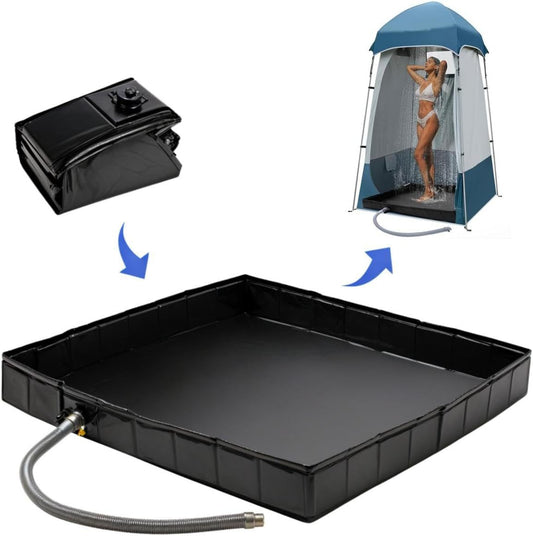
Some shower tents use a fitted floor or tub-style base. These are designed to contain water and direct it towards a drain outlet, often allowing you to connect a hose or collect grey water in an appropriate container. This is the better option where runoff needs to be managed carefully.
An enclosed base offers more control, but it takes longer to set up and pack down. Check that it is compatible with your shower tent dimensions and that its walls are high enough to contain splashes without becoming a trip hazard.
Fold-out and interlocking platforms
Fold-out platforms and interlocking tiles suit campers who want a larger standing area without carrying one bulky piece. They are easy to size around your shower tent and can be arranged at the van step, under an awning or near a water tap.
Their main advantage is flexibility. Their weak point is loose sand and uneven ground, which can clog the joins or make sections sit unevenly. A level patch and a groundsheet underneath can make a big difference.
Match the base to your shower setup
Start with the footprint of your shower tent. Measure the usable internal floor space, not just the advertised tent size, and leave enough room to turn around without stepping off the edge. A compact base is fine for a solo rinse. A family setup benefits from more space, especially if younger kids need help washing.
Next, consider the height. A raised camping shower base needs to be low enough to step onto safely when wet, yet high enough to keep your feet clear of shallow surface water. If anyone in your group has limited mobility, a low-profile mat is generally the safer, no-fuss choice.
Weight and packed size matter too. Caravanners and campers with plenty of storage can choose a sturdier platform or enclosed floor. If you are packing a small SUV for a weekend away, a lightweight roll-up mat may be the smarter buy. Great value gear is gear you will actually take with you.
Drainage is the detail that matters most
Before setting up, look at the slope of the site. Even a quality base will feel unpleasant if it sits in a low spot where water pools. Choose level ground with gentle drainage, away from your tent entrance, camp kitchen and any creek, lake or beach access.
If your base has an outlet, use a suitable hose and collect grey water where site rules require it. Never assume shower water can run anywhere because it looks harmless. Soap, shampoo, sunscreen and food residue can all affect the ground and nearby waterways. Many campgrounds have specific rules, and some only allow showers in designated facilities.
For a simple slatted mat, use as little water and product as possible. A quick rinse is often all that is needed after a swim or a hot day on the road. Keep the shower area well away from watercourses, and move it if the ground becomes waterlogged.
Set it up for a safer camp bathroom
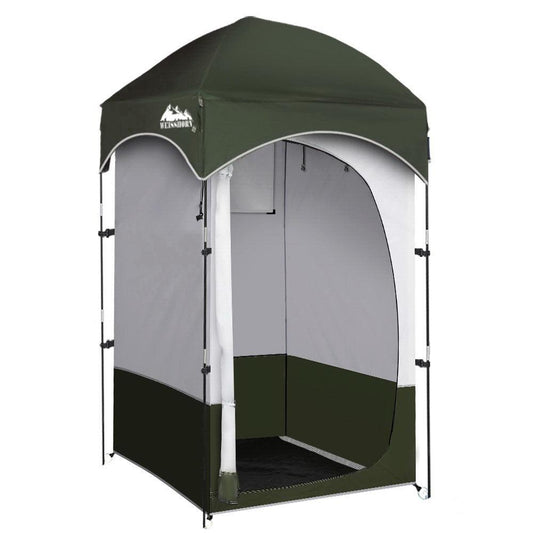
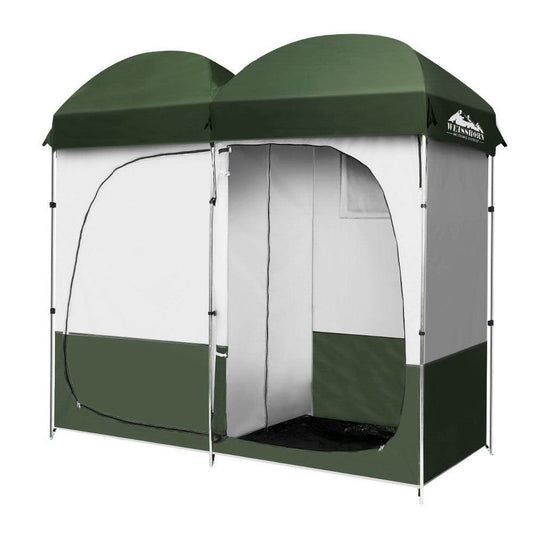
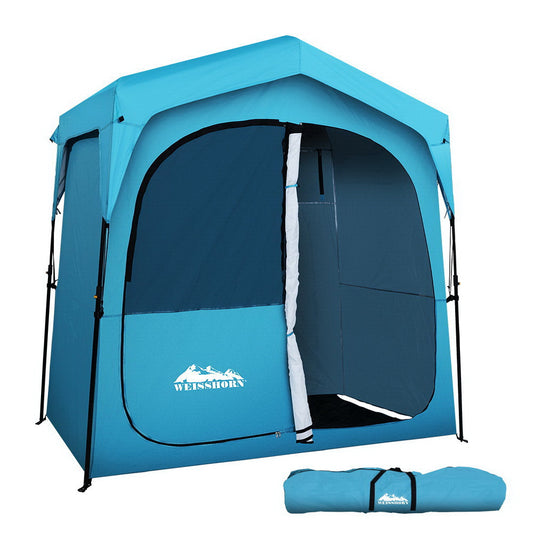
A shower base works best as part of a tidy system, not as a random mat thrown beside the tent. Position the shower tent where there is privacy, stable ground and enough room to enter and exit without tripping over hoses, power leads or guy ropes.
Put dry towels and clean clothes within easy reach but outside the splash zone. Keep your shower water source stable, whether it is a solar shower bag hung from a strong point or a portable pump connected to a jerry can. If you are using an electric pump, keep connections dry and follow the product instructions.
At night, a camp light near the entry makes a real difference. Wet feet, uneven ground and a dark campsite are not a great combination. A small non-slip mat outside the base can also help keep the inside of your tent or van cleaner after the shower.
What to look for before you buy
When comparing options, focus on the features that suit real travel rather than paying for extras you will not use. A good camping shower base should be easy to clean, stable on typical campground surfaces and compact enough for your storage space.
Check these practical details before adding one to your camp setup:
- Size and compatibility: Make sure it fits your shower tent or the space beside your caravan.
- Drainage design: Choose open slats for simple rinses or a contained base with an outlet where grey water management is needed.
- Grip and stability: Look for non-slip surfaces, secure joins and feet that will not easily slide on hard ground.
- Packed size and weight: A heavy platform may be fine in a caravan, while a roll-up mat is easier for weekend campers.
- Cleaning requirements: Sand, soap scum and red dirt all need to be removed before storage to avoid smells and mould.
Keep it clean between trips
Once you are home, rinse the base thoroughly and let it dry completely before storing it. Dirt trapped in slats or folds can cause odours, while damp gear packed into a plastic tub is an easy way to invite mould.
Give hinges, clips and drain fittings a quick check before your next trip. It only takes a minute, and it is better than discovering a cracked connector or missing section when you are halfway through setting up camp. If you travel with beach gear, a fresh-water rinse is especially worthwhile to remove salt and fine sand.
A clean, stable shower spot is a simple upgrade that pays off every time the dust, salt or mud needs washing away. Choose a base that suits your camp style, manage the water responsibly and you will have one more bit of comfort ready for the next Aussie getaway. For the rest of the setup, see our camping shower setup guide or browse camp showers and toilets.