Best Camping Lights for Families in Australia
That first night at camp tells you very quickly if you packed enough light. Someone needs the toilet, dinner is still on the stove, the kids are chasing torches, and suddenly one dim lantern near the table is doing far too much work. Choosing the best camping lights for families is less about buying the brightest option and more about setting up the right mix for how your crew actually camps.
For family trips, lighting needs to do a few jobs at once. You want enough brightness to cook, clean up and move around safely, but not so much harsh glare that the campsite feels like a worksite. You also need gear that is simple to use, tough enough for regular trips, and practical for everything from quick weekend getaways to longer school holiday runs.
What the best camping lights for families need to do
A family campsite has more moving parts than a solo setup. There are beds to sort, snacks to find, wet towels hanging somewhere in the dark and at least one person who always forgets where they left their shoes. That means your lighting needs to cover shared spaces and personal use.
The best camping lights for families usually combine area lighting with portable lighting. A lantern or camp light works well for the table, kitchen or annex, while headlamps and small torches help with toilet runs, bedtime reading and early starts. Relying on just one style almost always creates frustration.
Battery life matters just as much as brightness. A light that pumps out huge lumens for an hour is not much use on a multi-night trip if you are constantly chasing spare batteries. For family camping, steady runtime and easy recharging often beat maximum output.
You also want lights that are easy for different ages to use. Complicated controls sound fine at home and become annoying very quickly when everyone is tired and it is dark. Big buttons, simple modes and obvious charging indicators make a real difference.
Lanterns are still the family campsite workhorse
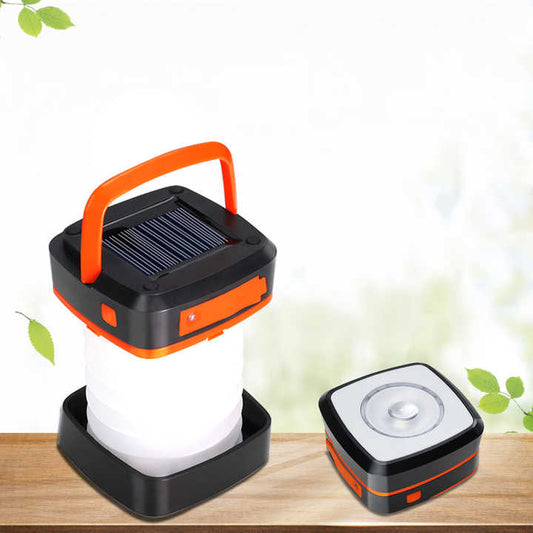
If you are choosing one core light for camp, start with a lantern. It gives broad, shared light that works for meals, games, unpacking and general campsite movement. For most families, this is the light that gets used the most.
A good camping lantern should throw enough light across a table or small camp area without blasting everyone in the eyes. Adjustable brightness is worth having because what works during dinner prep is usually too bright once the kids are winding down. A warm or natural light setting can also feel more comfortable than a cool white glare.
Rechargeable lanterns are popular for good reason. They cut down on loose batteries, are easy to top up from a power station or vehicle setup, and suit families who camp regularly. That said, battery-powered lanterns still have a place, especially for backup. If you are heading remote or staying out longer, the ability to swap batteries can be handy.
For caravan and 4WD travellers, lanterns with hanging hooks or magnetic bases are especially useful. They can be moved from the table to the annex, inside the tent or onto the side of the vehicle without much fuss.
Headlamps make family camping easier than torches alone
A lot of people think headlamps are only for hikers. In reality, they are one of the handiest bits of lighting gear for family camping. When you are carrying a child, washing up, setting pegs or finding gear in a dark tent, having both hands free is a big win.
For adults, a headlamp is often the best option for jobs around camp. For kids, it depends on age and how likely they are to stare directly at everyone else. Some families love giving each child a simple low-output headlamp. Others prefer a small torch for younger campers and keep headlamps for the grown-ups.
Look for a headlamp with a low mode and a red light mode. Low mode is better around camp and inside tents, while red light helps preserve night vision and feels less intrusive when others are sleeping. Comfort matters too. If the strap is scratchy or the lamp bounces around, it will spend more time in a storage tub than on someone’s head.
String lights and strip lights add comfort, not just looks
Plenty of family campers start with practical lights and later realise that ambient lighting makes camp feel far more usable. String lights, strip lights and low-glare LED setups are not just for Instagram-friendly campsites. They help define spaces and create enough background light to move around without turning on a lantern at full power every five minutes.
They are especially handy under awnings, in annexes and around caravan doors. Soft lighting makes dinner feel more relaxed and helps kids settle before bed. It also reduces the constant flicking on and off of brighter task lights.
The trade-off is that these lights are usually secondary, not your main source. They work best as part of a full setup rather than the only thing you bring. If you are keeping costs under control, get your lantern and headlamps sorted first, then add ambient lighting once the basics are covered.
Torches still matter, but they are not the whole answer
A solid torch belongs in every camp kit, but for families it is best treated as backup or task lighting rather than your main camp solution. Torches are good for checking around the campsite, walking to amenities, looking under the ute seat or dealing with something outside the beam of your lantern.
Where families get stuck is using a powerful torch for everything. It creates patchy light, ties up one hand and usually ends with somebody shining it straight into someone else’s face. A torch is essential, just not enough on its own.
If you are buying one, look for decent runtime, weather resistance and a beam that suits your camping style. Flood beams are better around camp. Narrow spot beams are more useful for distance, but they are less practical for close work.
Power source can make or break your setup
The best camping lights for families are the ones you can actually keep running without hassle. That is why power source deserves more thought than many buyers give it.
Rechargeable lights suit families who use a power station, solar setup, dual battery system or powered caravan site. They are convenient, cost-effective over time and easy to keep ready between trips. USB charging is now common, which makes life simpler when you are already charging mobiles, speakers and other gear.
Battery-operated lights can still be a smart buy for occasional campers or as a backup option. They are easy to pack, easy to replace and do not rely on remembering to charge everything before you leave. For longer bush trips, having at least one light that runs on replaceable batteries is not a bad idea.
Hybrid options are often the sweet spot. Lights that recharge but also accept standard batteries give you flexibility when plans change or weather knocks out your solar top-up.
Brightness is important, but control is better
High lumen numbers look impressive, but they are not the whole story. Family camping lights need control more than brute force. Too much brightness in a small tent or around a dinner table can be uncomfortable and attract every insect in the district.
A dimmable lantern or adjustable camp light gives you far more flexibility. You can run it bright while cooking, then drop it down once dinner is done. This also helps conserve battery, which matters on longer trips.
For most families, a few well-placed moderate lights will work better than one extremely bright unit. Spread the light where you need it: one around the kitchen or table, one near the tent or van entry, and individual lights for moving around after dark.
Durability matters in real family camping conditions
Camping lights cop a fair bit on family trips. They get dropped, knocked off tables, left in the rain, tossed into tubs and handled by kids with sticky hands. That does not mean you need expedition-grade gear for every trip, but it does mean flimsy lights often become false economy.
Look for durable casings, decent water resistance and simple charging ports with covers where possible. Dust, drizzle and rough packing are all part of camping in Australia. A light that works perfectly in the backyard but struggles with a bit of weather is not likely to last.
This is where value matters. Great value gear is not the cheapest thing on the shelf. It is the light that performs well, lasts across multiple trips and saves you from replacing it halfway through the season.
A smart family lighting setup to aim for
For most families, the best result comes from a mix rather than a single hero product. One main lantern, one or two headlamps for adults, a torch for backup and optional strip or string lighting for shared spaces is a practical starting point. If you camp often, adding a second lantern for the tent or van area makes things even easier.
This setup covers dinner prep, bedtime routines, toilet trips and those odd jobs that always pop up after dark. It also spreads the load, so if one light goes flat or goes missing, the whole camp is not left scrambling.
If you are buying for your first family trip, keep it simple. Start with reliable basics, make sure they suit Australian conditions, and choose lights that are easy to charge, pack and use. That is usually a better move than chasing features you may never need.
Good lighting does more than help you see. It makes camp safer, calmer and a lot easier to manage when everyone is hungry, tired or up before sunrise. Get that part right and the whole trip feels more relaxed, which is exactly what family camping should be.