★★★★★

"Arrived earlier than quoted, Thank you Just Camp for the great service"

Ross

★★★★★

"Website was easy to navigate and I received my purchase promptly"

Brenda

★★★★★

"Purchased for a great price, service was excellent, postage very quick"
Lindy

★★★★★

"Great product and service A++"

Anthony

★★★★★

"My order arrived faster than expected and the quality was just as good as the big name brands"

Aaron

How to Choose Winter Camping Essentials for Australian Conditions

Plan for the Conditions, Not Just the Season

Winter camping in Australia can mean a mild coastal night, a frosty inland campsite, a cold alpine morning or rapidly changing conditions after sunset. Build your setup around the lowest temperature, wind, rain and exposure you could realistically encounter—not simply the word “winter”.

Before choosing gear, check the forecast, campsite elevation, expected overnight low, wind and fire restrictions. Remote trips also need a backup plan in case a heater, power source or other comfort item cannot be used.

Build Warmth in Layers

A reliable winter setup uses several layers rather than depending on one product. Start with weather-appropriate shelter, add insulation underneath your body, choose suitable sleeping gear, wear dry layers and then use approved heating products only where they can be operated safely.

A practical cold-weather system may include:

  • a tent, swag, caravan or vehicle setup that limits wind and moisture
  • an insulated mattress or sleeping surface
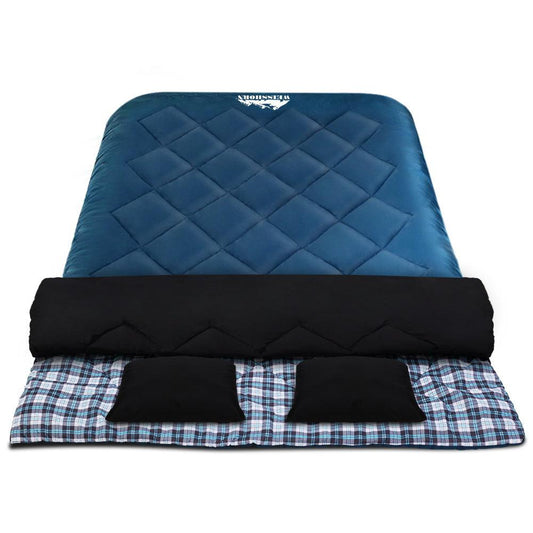
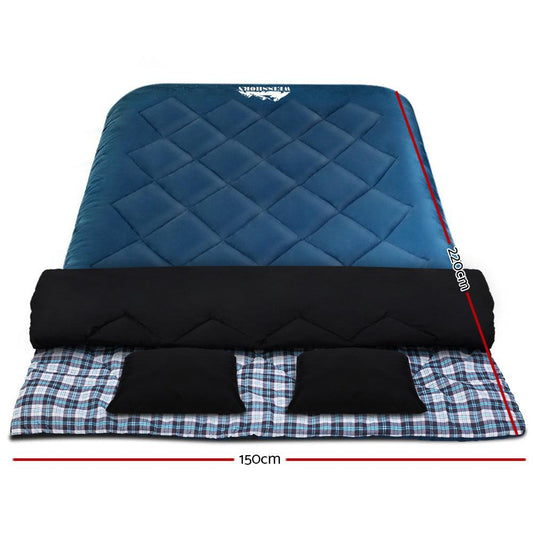
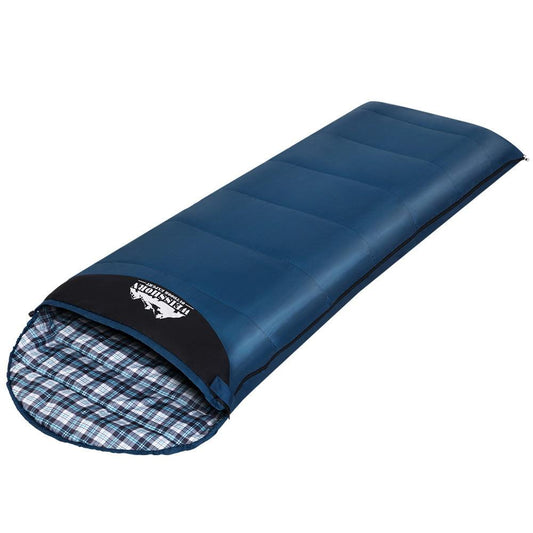
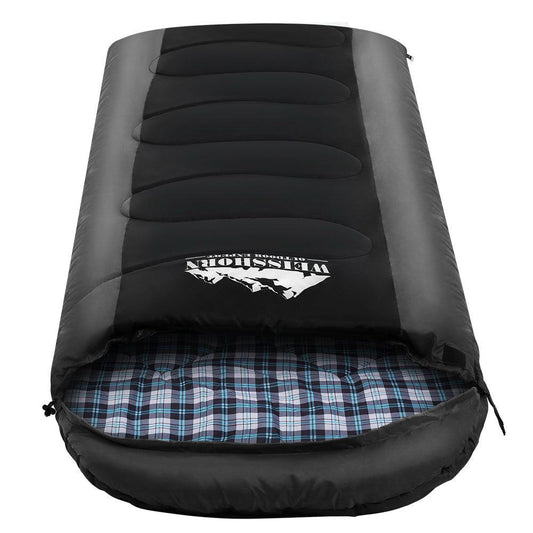
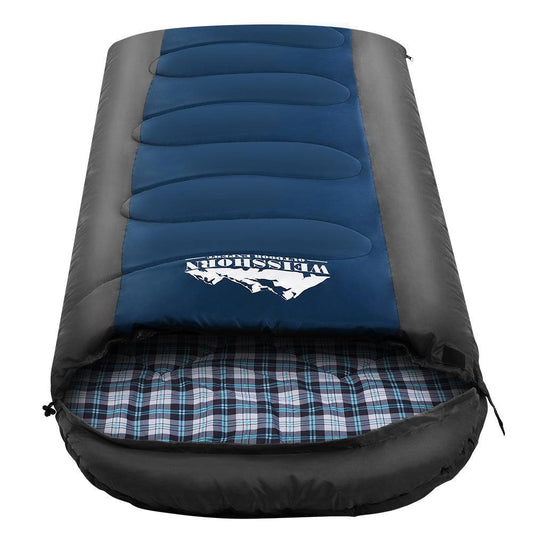
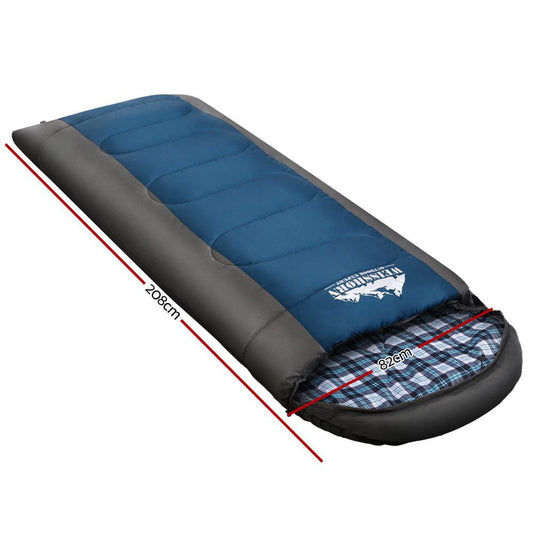
  • a sleeping bag suited to the expected overnight conditions
  • dry base layers, warm socks, a beanie and spare clothing
  • an extra blanket or quilt
  • safe campsite heating or hot-water gear where appropriate
  • adequate battery, fuel and ventilation planning

No single product can compensate for unsuitable shelter, wet bedding or poor insulation from the ground.

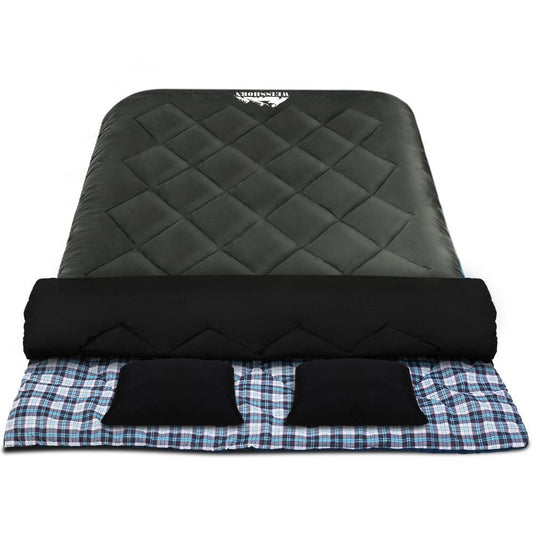
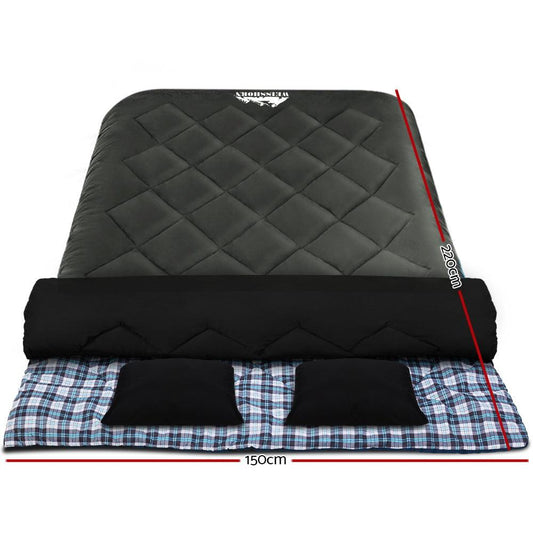
Sleeping Bags and Insulation from the Ground

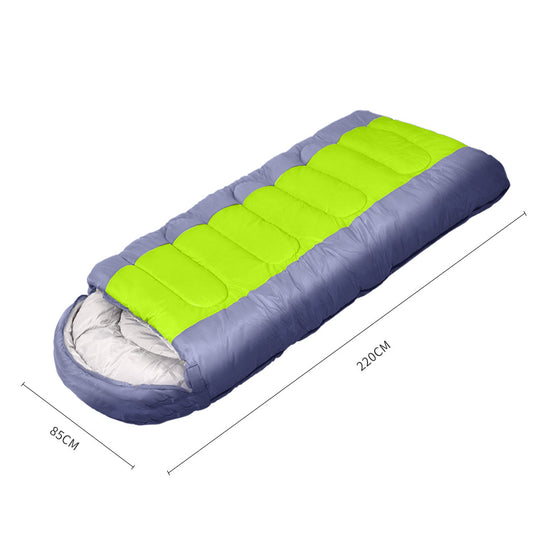
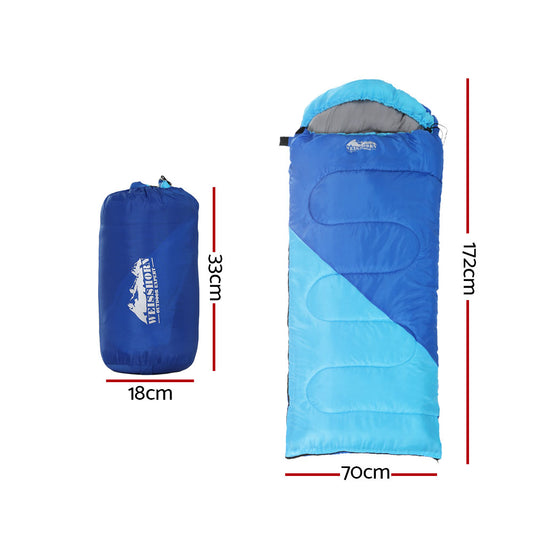
Sleeping bag temperature figures should be treated as guidance rather than a guaranteed comfort level. Personal warmth varies, and the result depends on the complete sleep system, including the mattress, clothing, shelter, humidity and wind.

The insulation compressed beneath your body provides less warmth than the lofted filling around you, so a poorly insulated mattress can make even a thick sleeping bag feel cold. Compare products in our Camping Sleeping Gear and Camping Mattresses collections to build the full setup rather than selecting a bag in isolation.

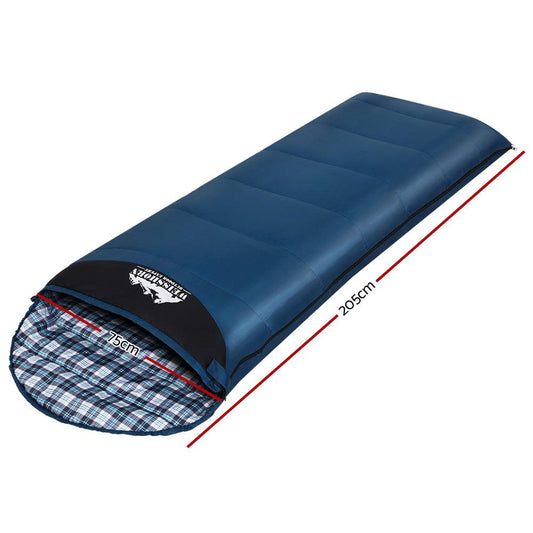
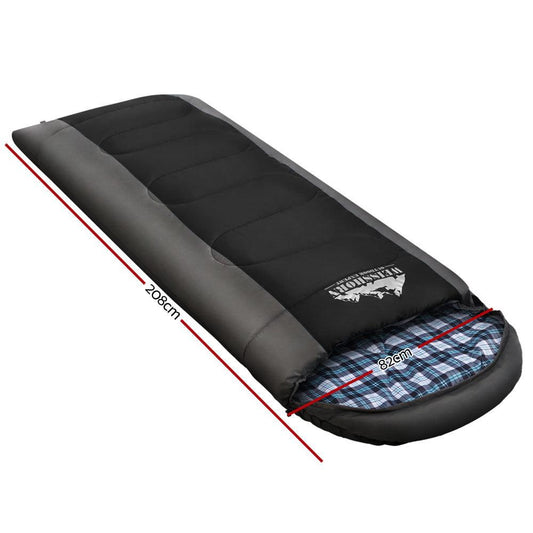
For colder trips, allow a sensible margin below the forecast temperature and keep all bedding completely dry. Check the individual product page for supplier-stated ratings, dimensions, fill, packed size and weight.

Portable Gas and Butane Heaters

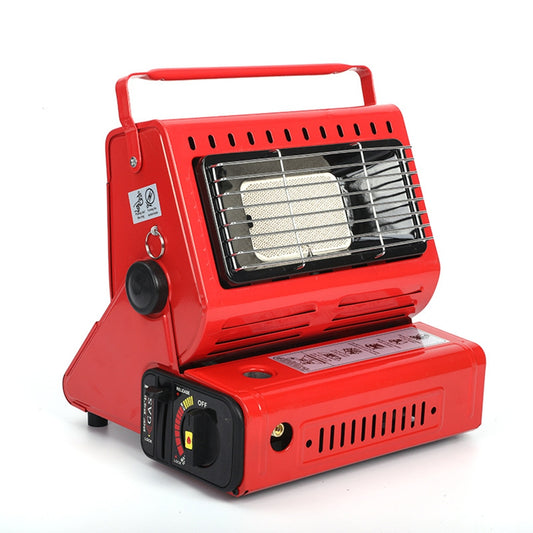
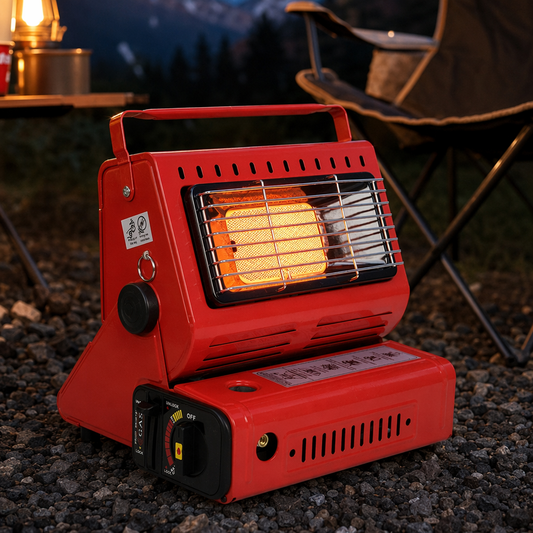
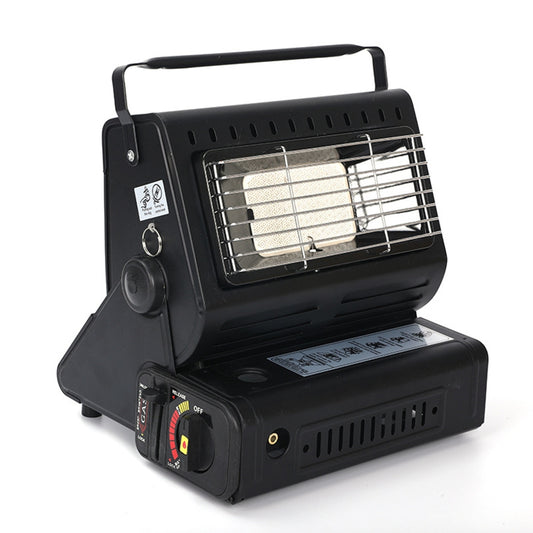
Portable LPG and butane heaters can provide quick warmth outdoors, but they must only be used in locations and conditions permitted by the manufacturer. Combustion appliances consume oxygen and can produce carbon monoxide, an invisible and potentially fatal gas.

Never assume that an open doorway, cracked window or partially ventilated tent makes an outdoor heater safe indoors. Unless the product is specifically certified and instructed for that enclosed use, do not operate it inside a tent, swag, vehicle, caravan or other enclosed sleeping area.

Keep heaters stable, upright and away from bedding, clothing, tent walls, children and anything flammable. Check hoses, connections, cartridges and cylinders before use, follow clearance requirements, and never leave a heater operating while unattended or asleep.

A heater should add comfort to an already suitable winter setup; it should not be the only protection against cold conditions.

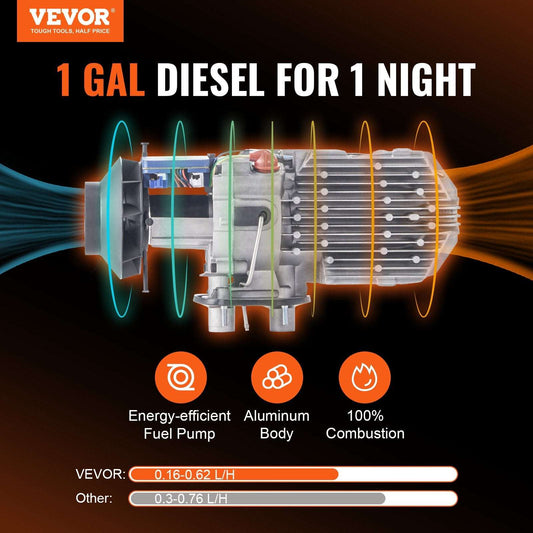
12V Diesel Heaters

Diesel heaters are commonly used in caravans, camper trailers and vehicle-based camping because the combustion process can be separated from the heated air. Safe performance depends on correct installation, exhaust routing, fuel supply, electrical wiring and ventilation.

Install permanent or semi-permanent systems according to the manufacturer’s instructions and any applicable requirements. Exhaust gases and combustion air must remain outside the occupied area, with the outlet positioned so fumes cannot re-enter through windows, doors or vents.

Portable all-in-one units still require careful placement outside the sleeping area, secure ducting, heat-resistant clearances and protection from rain, grass and trip hazards. Test the complete system before travelling and carry enough battery capacity and fuel for the intended runtime.

12V Heated Blankets and Power Planning

A 12V heated blanket can add targeted warmth in compatible cars, caravans and powered camping setups. Use only the specified voltage, plug and power source, and follow the supplied operating and safety instructions.

Check the product’s wattage or current draw against the outlet, fuse, cabling and battery system. A blanket drawing power for several hours can significantly reduce a small auxiliary battery, especially when a fridge, lights and other accessories are running at the same time.

Do not fold, bunch, trap or cover a heated product in a way prohibited by its instructions, and inspect the cable and controller before use. Heated blankets are an extra comfort layer, not a substitute for a suitable sleeping bag, insulated mattress or emergency preparation.

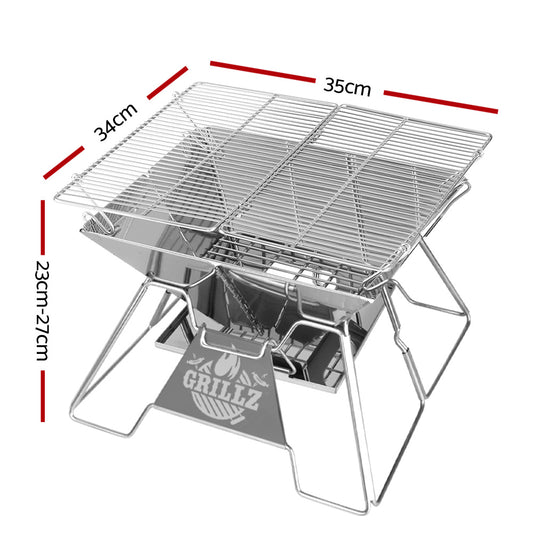
Fire Pits, Wood Stoves and Campfires

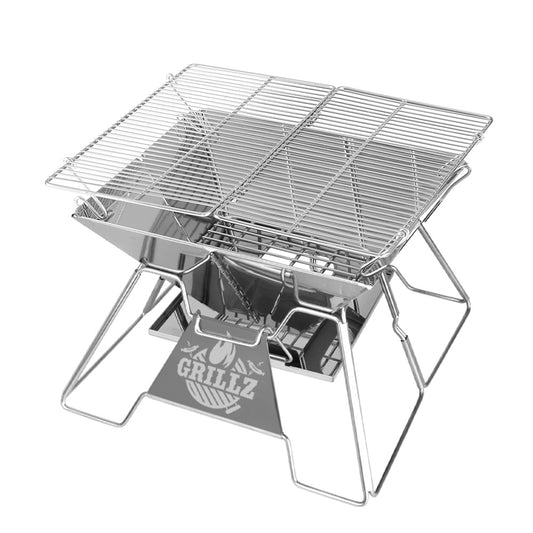
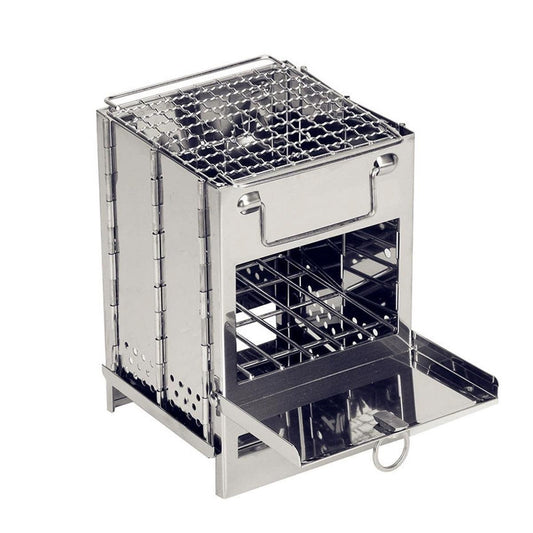
Fire pits and portable wood stoves can make a winter campsite more comfortable, but their use depends on local fire restrictions, total fire bans, campground rules and the surrounding conditions. Requirements can change quickly, so check the relevant authority before lighting any flame.

Use fire equipment only on a stable, non-combustible surface with adequate clearance from tents, awnings, vehicles, dry grass and overhanging branches. Keep water or another suitable extinguishing method nearby and fully extinguish all embers before leaving or sleeping.

Do not use a fire pit, charcoal appliance or wood-burning stove inside a tent, enclosed awning, vehicle or caravan unless the shelter and appliance are specifically designed, installed and approved for that purpose. Smoke and carbon monoxide can remain dangerous even when a flame appears controlled.

Hot Water and Winter Camp Comfort

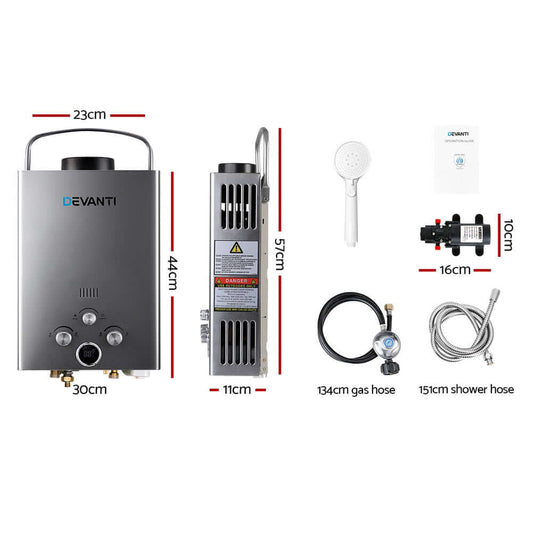
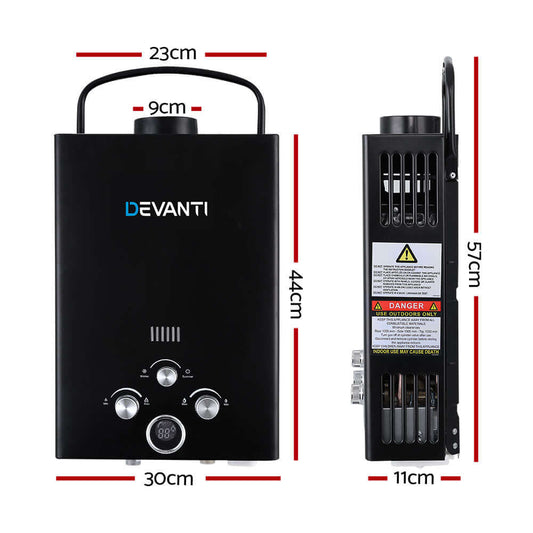
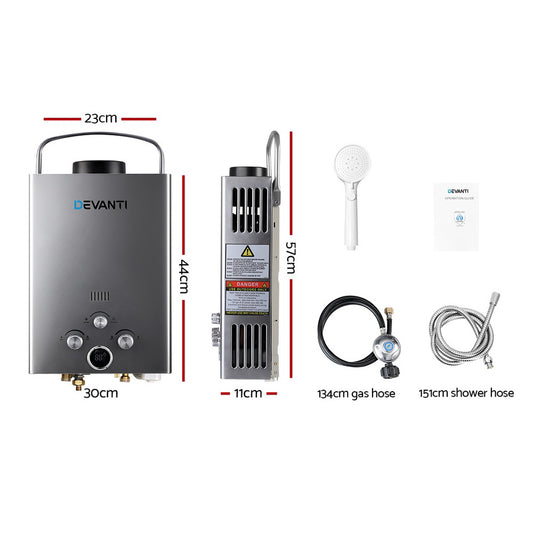
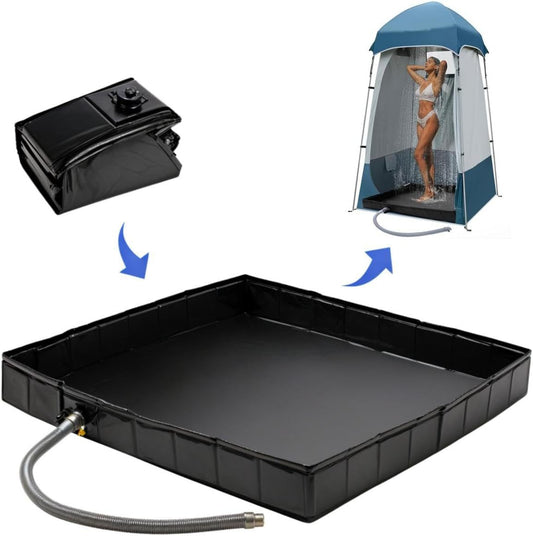
Hot water can improve comfort on cold trips for washing, cleaning and showering, but portable gas hot-water units also require correct ventilation, water flow, gas connections and clearance from combustible materials.

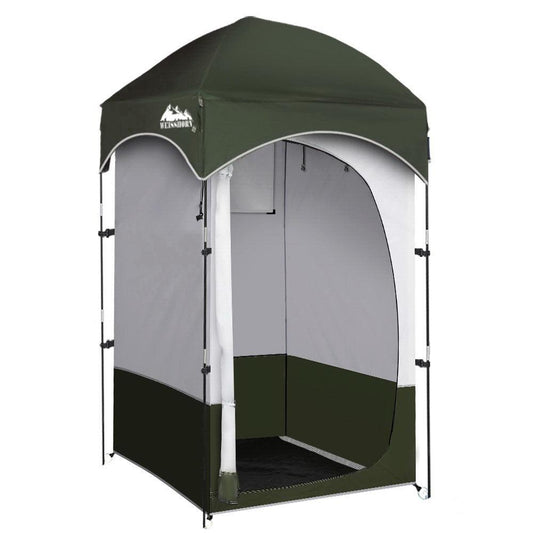
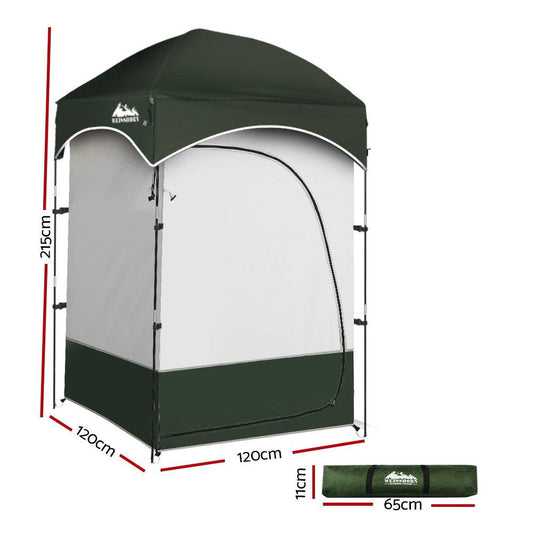
Most portable camping hot-water systems are intended for outdoor use. Follow the manufacturer’s setup instructions and never operate a combustion unit in an enclosed shower tent, bathroom space, vehicle or caravan unless it is specifically approved for that installation.

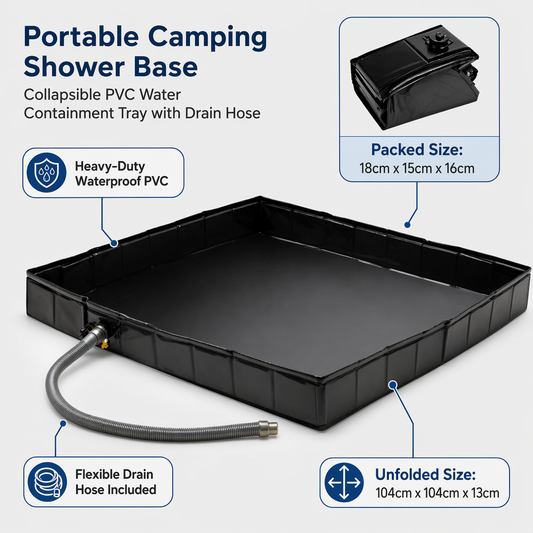
Browse Camping Showers & Toilets for compatible camp hygiene gear, and confirm that pumps, hoses, fittings, gas supply and power connections suit the chosen system.

Clothing and Small Cold-Weather Essentials

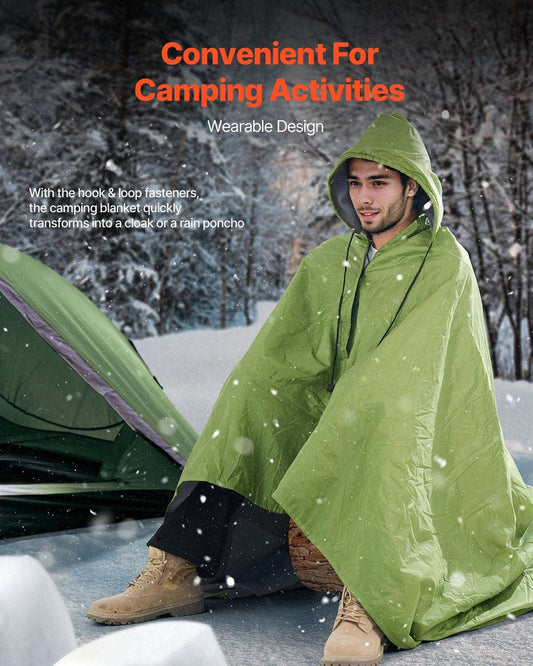
Dry clothing is one of the most dependable ways to stay warm. Pack layers that can be added or removed as conditions change, including a moisture-managing base layer, insulating mid-layer and wind- or rain-resistant outer layer.

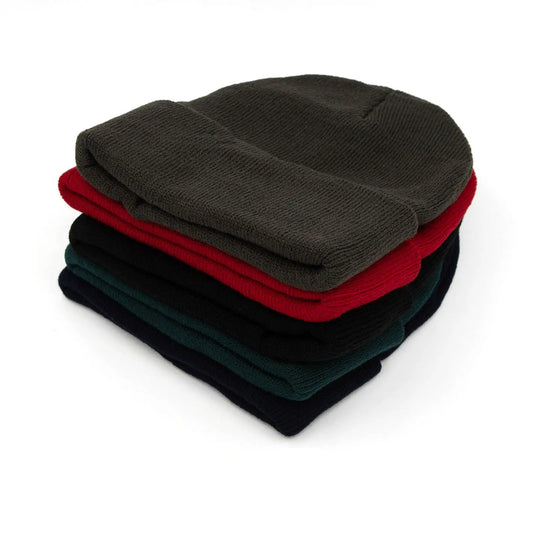
Warm socks, gloves and a beanie can make a noticeable difference because hands, feet and exposed skin cool quickly. Keep a complete dry set sealed for sleeping, and avoid wearing damp clothing inside your sleeping bag.

Explore Clothing & Footwear for campsite layers and accessories, while checking product materials and sizing against the expected conditions.

Choose Winter Gear for the Way You Camp

Vehicle-based campers can usually carry bulkier sleeping bags, extra blankets, heaters and larger power systems. Hikers and campers with limited storage need to prioritise packed size, weight and equipment that does not depend on heavy fuel or batteries.

Family campers should consider safe heater placement, hot surfaces, trip hazards and simple equipment that can be managed around children. Caravan and camper-trailer owners should confirm ventilation, electrical capacity, gas compliance and the suitability of any permanently installed heater.

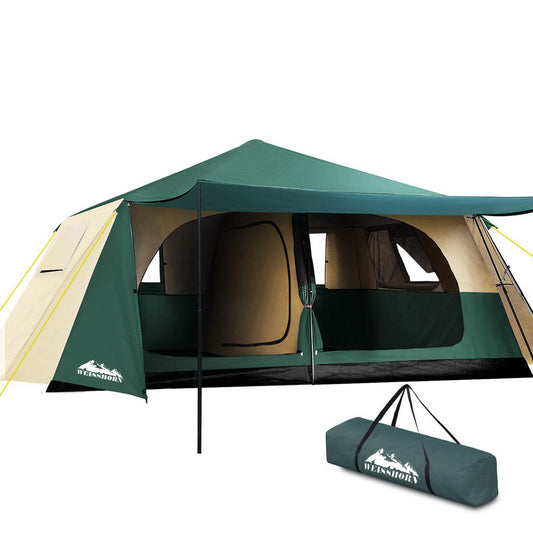
Your shelter also matters. Compare space, ventilation and weather protection in our Tents & Swags collection before adding heating equipment to the plan.

Just Camp Tip: Manage Moisture Before It Becomes a Problem

Condensation can make winter bedding and clothing feel colder even when rain has not entered the shelter. Breathing, wet clothing and cooking all add moisture to the air.

Use the shelter’s designed ventilation, avoid cooking or operating combustion appliances inside sleeping areas, keep wet gear separated and air out bedding when conditions allow. Store sleeping bags dry and loosely rather than leaving them compressed between trips.

Common Winter Camping Mistakes to Avoid

  • Choosing gear for the daytime temperature instead of the overnight low.
  • Relying on a heater instead of building a complete insulated sleep system.
  • Treating a lower-limit or extreme sleeping bag figure as guaranteed comfort.
  • Using outdoor gas, charcoal or wood-burning appliances in enclosed spaces.
  • Ignoring carbon monoxide risk because a heater has no visible smoke.
  • Underestimating 12V battery use from heated blankets, diesel heaters and other accessories.
  • Failing to check fire bans, campground rules or changing local restrictions.
  • Allowing bedding or spare clothing to become damp.
  • Testing an unfamiliar heater or sleep setup for the first time on a remote trip.
  • Leaving heaters, fires or hot appliances unattended or operating while asleep.

Complete Your Winter Camping Setup

Build a complete cold-weather system with products from our Camping Sleeping Gear, Camping Mattresses, Tents & Swags, Clothing & Footwear and Camping Showers & Toilets collections, or browse the full Camping Gear range.

Safety and rating note: Product temperature ratings, power consumption, fuel requirements and operating instructions are supplied by the relevant manufacturer or supplier and can use different testing methods. Always review the individual product specifications and instructions. Follow current fire restrictions and never use an outdoor combustion appliance in an enclosed sleeping area.

Guide reviewed: July 2026.

Frequently Asked Questions

What are the best winter camping essentials?

The most important winter camping essentials include a portable heater, a warm sleeping bag, and reliable cooking gear. These items help keep you warm, comfortable, and prepared for colder outdoor conditions.

Are portable camping heaters safe to use?

Portable camping heaters are safe when used correctly in well-ventilated outdoor areas. Always follow the manufacturer’s instructions and avoid using them inside enclosed spaces.

Do I need a heater for winter camping?

A portable heater is one of the most effective ways to stay warm and comfortable during winter camping, especially on cold mornings and nights.

How do I choose the right sleeping bag for winter camping?

Look for a sleeping bag with a temperature rating suitable for cold conditions, along with good insulation and a snug fit to retain heat. Choosing the right sleeping bag is key to staying warm and getting a comfortable night’s sleep when camping in winter.

Popular at Just Camp

1 of 6