Start with How You’ll Use the Chair
The right camping chair depends on how you travel, how long you expect to sit and how much storage space you have. A chair for long evenings under the awning can prioritise comfort, while a seat for fishing, roadside stops or events may need to be lighter and quicker to carry.
Before comparing styles, check the published load rating, open dimensions, seat height, back support, packed dimensions, product weight and setup method. These details are more useful than choosing by appearance alone because two similar-looking chairs can have very different proportions and storage requirements.
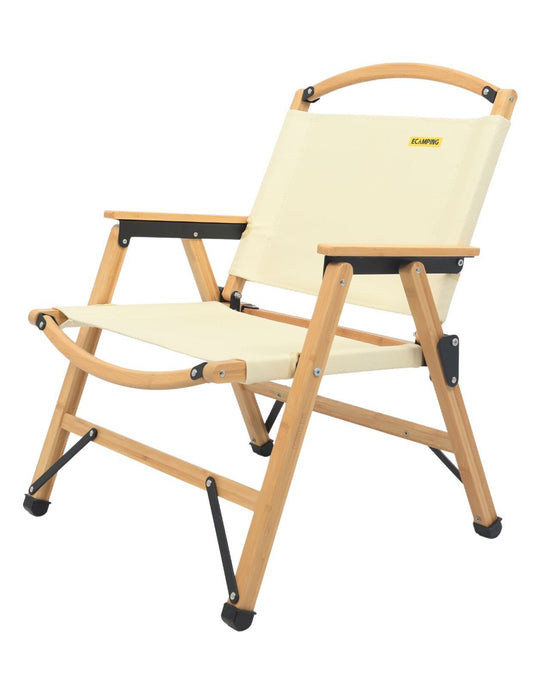
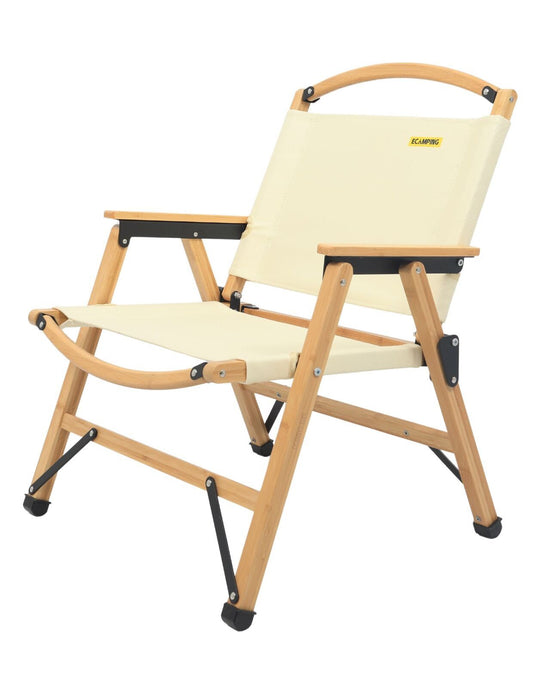
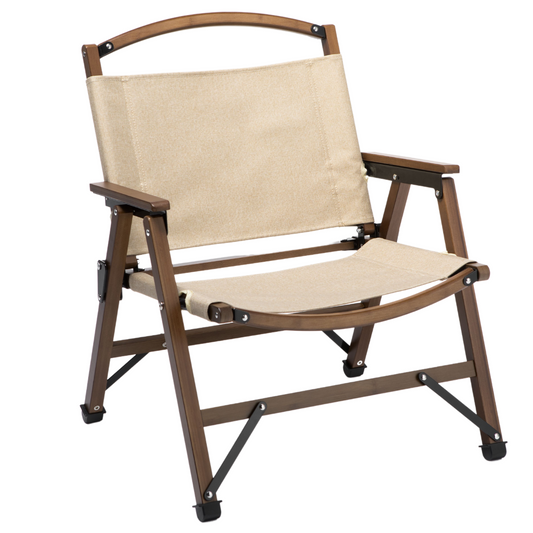
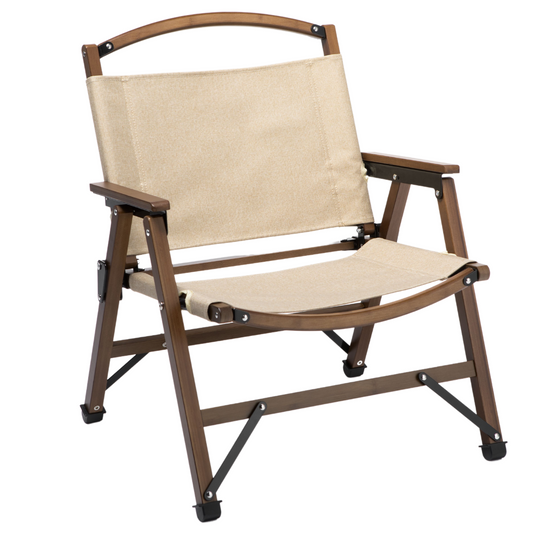
Standard Folding Camp Chairs
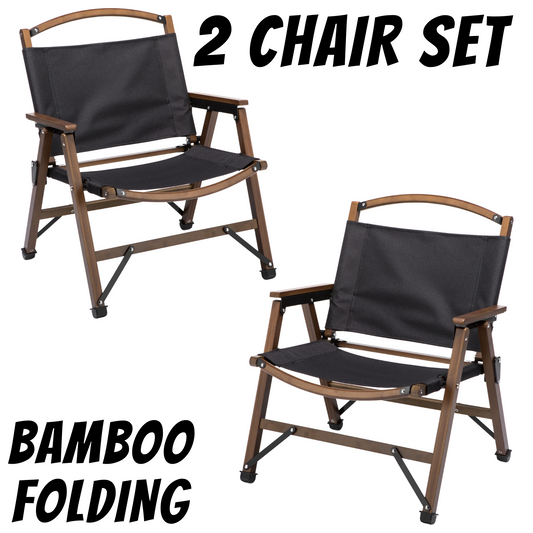
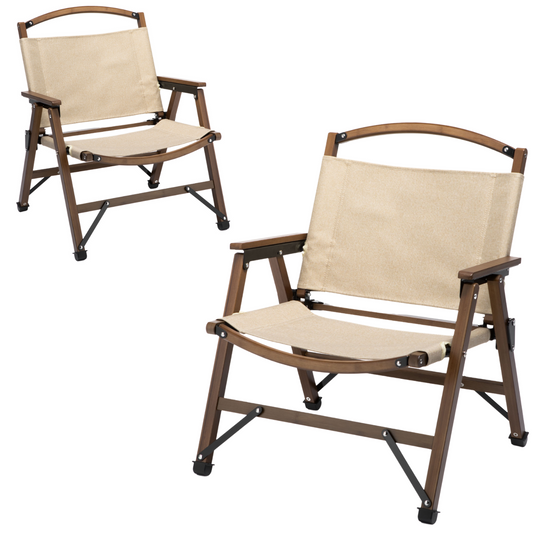
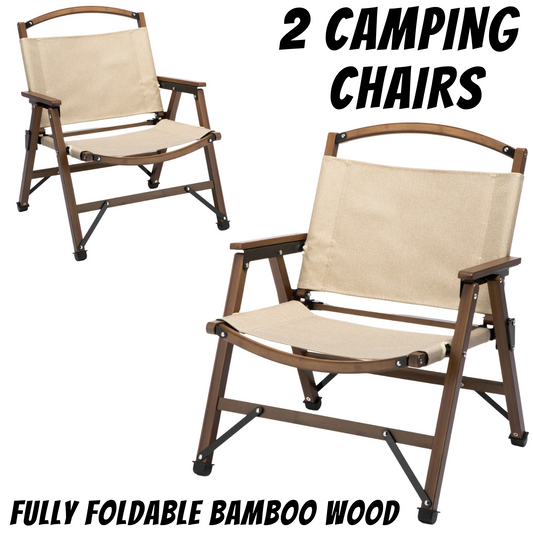
Standard folding camp chairs are practical all-round options for campsites, picnics, sporting days and touring. Many open quickly and pack into a narrow shape, but the exact folded size varies significantly between designs.
Features can include armrests, cup holders, storage pockets and carry bags, but these are product-specific. Check the individual listing rather than assuming every folding chair includes the same accessories. For vehicle or caravan travel, compare the packed dimensions with the storage space you actually have available.
High-Back and Moon Chairs
High-back chairs use a taller backrest, while moon chairs generally use a wider, rounded seating shape. Both can suit campers who want a more supportive or relaxed seat than a basic folding chair, but comfort is personal and the overall packed size can be larger.
Compare the actual seat width, depth, seat height and backrest dimensions. A generously sized seat can be comfortable for longer sessions, while a lower or deeper chair may be less convenient for someone who prefers an easier step up when standing.
Recliners and Zero-Gravity-Style Chairs
Reclining and zero-gravity-style chairs are designed for more relaxed seating and may offer multiple positions or extended leg support, depending on the model. They usually need more room when open or reclined than a standard camp chair.
Follow the exact chair instructions for adjusting and locking the frame. Keep hands, fingers, loose clothing and other objects clear of folding or reclining mechanisms, and allow enough space behind and in front of the chair for its full movement.
Canopy Chairs for Extra Shade
Canopy chairs add overhead shade to the seating setup. Compare the canopy size and adjustment method as well as the chair’s normal seat, load and packed dimensions.
A canopy does not replace normal sun protection, and it also adds surface area that can catch the wind. Follow the manufacturer’s instructions and lower, fold or pack the chair away when conditions make it unstable. Do not leave lightweight seating unsecured in windy conditions.
Compact Stools and Backpack Chairs
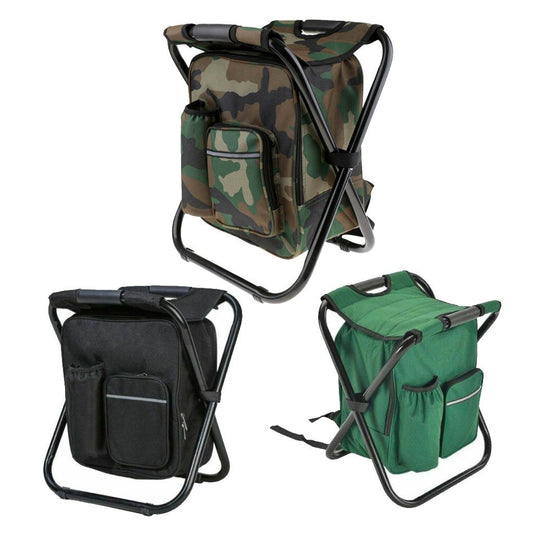
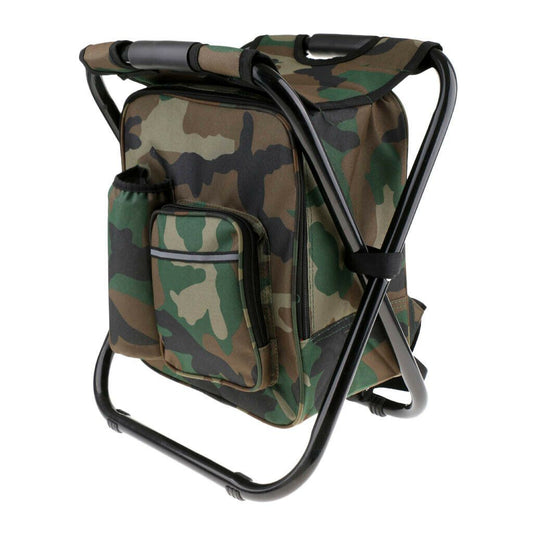
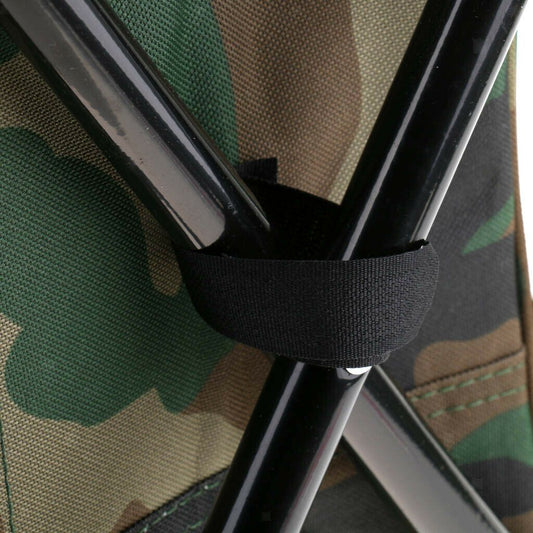
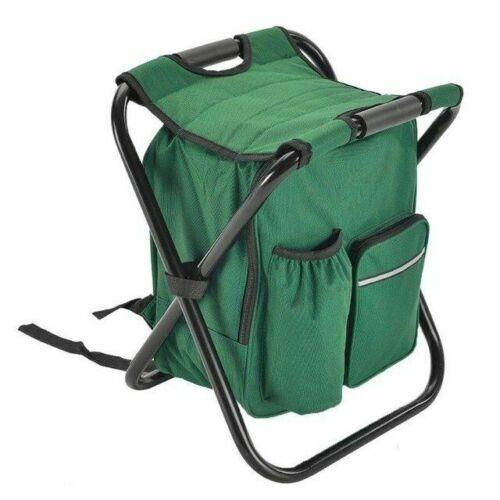
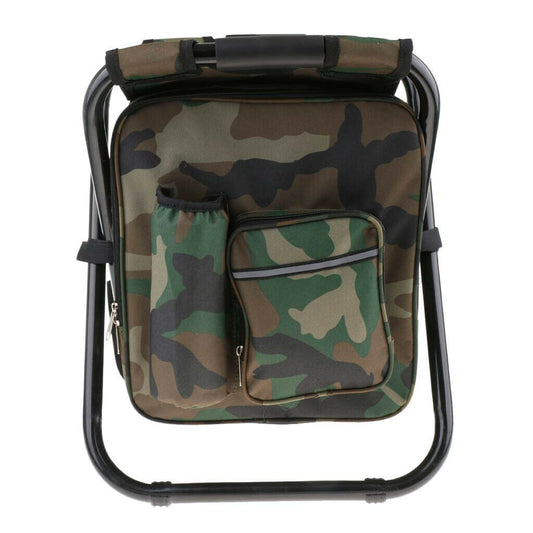
Compact stools and backpack-chair designs can be useful for fishing, short stops, events and situations where carrying size matters more than lounge-style comfort. Some backpack chairs also include storage or insulated cooler sections, but inclusions vary.
Compact does not mean suitable for every user. Check the load rating, seat dimensions, seat height and footing of the exact design. A small stool can save considerable storage space, but a larger backed chair may be more comfortable for longer periods.
Inflatable, Floor and Shared Seating
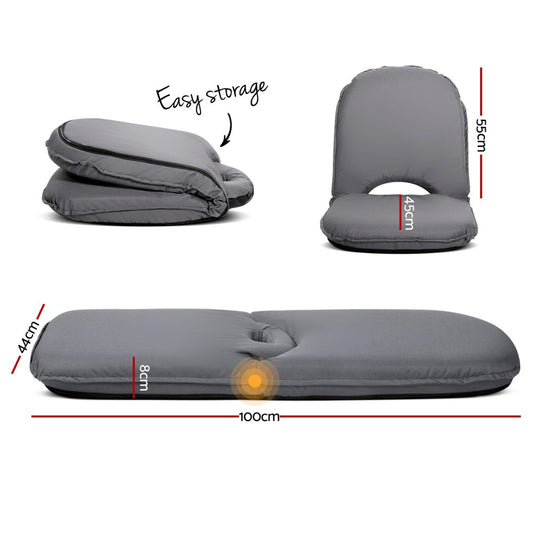
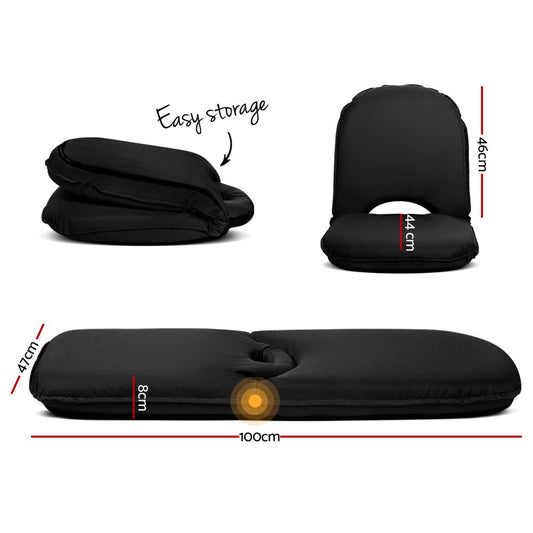
The range also includes inflatable loungers, floor-style seats and some shared or two-person seating. These can create a different type of campsite lounge setup, but they should be compared separately from conventional framed chairs.
For inflatable seating, check the inflation method, recommended surface, packed size and care instructions, and keep it away from sharp objects, hot surfaces and sparks. For shared seating, use the total load rating stated for the product and avoid assuming that a two-seat design can carry the same load per person as two separate chairs.
Load Rating and Frame Stability
Always use the load rating published for the exact chair and do not exceed it. Ratings vary across single chairs, double seats, stools, recliners and other designs, even when the frames look similar.
Open the chair fully and engage any locks or supports as directed before sitting. Use it on the firmest, most level surface available, and do not use a camping chair as a step, ladder or work platform unless it is specifically designed for that purpose. Stop using a chair if the frame, fabric or locking mechanism is damaged.
Seat Height, Width and Ease of Getting In and Out
Seat height and width can make a major difference to everyday comfort. Lower chairs can feel relaxed and pack well for some uses, while a higher seat can make getting in and out easier for some people. Use the listed measurements rather than broad labels such as ‘large’ or ‘compact’.
Consider seat width, depth, backrest height, arm position and the total footprint. For recliners, also check the dimensions when fully reclined so the chair will fit comfortably under your awning, beside a table or inside the area you normally set up.
Packed Size, Product Weight and Vehicle Storage
A comfortable chair is not very useful if it will not fit with the rest of your camping gear. Measure the storage space in your vehicle, caravan or trailer and compare it with the chair’s actual packed dimensions. Product weight also matters when the chair has to be carried any distance.
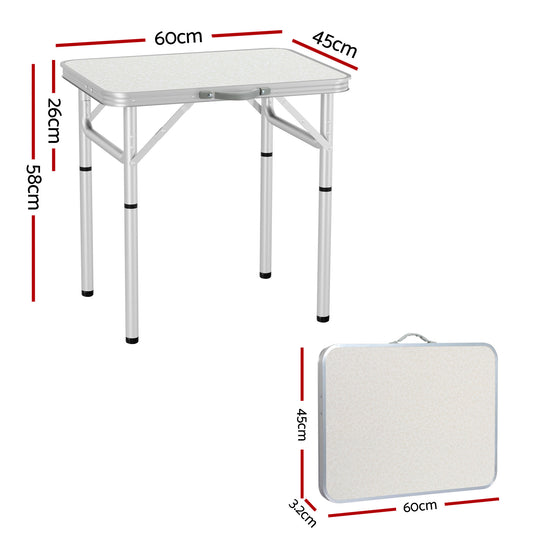
Think about the whole furniture setup rather than each item in isolation. Chairs, tables, awning gear and storage boxes all compete for the same space. Pair your seating with a suitable Camp Table while keeping the combined packed footprint manageable.
Beach, Fishing and Soft Ground
Sand, mud, soft soil, sloping banks and uneven ground can reduce chair stability or allow narrow feet to sink. Set up on the firmest, most level surface available and reposition the chair if it rocks, leans or starts sinking.
After beach or coastal use, remove sand and salt residue as appropriate for the chair materials before storage. Fishing chairs should also be kept a safe distance from unstable banks, drop-offs and water edges where a slip or tipped chair could create a hazard.
Cup Holders, Coolers, Storage and Chair Sets
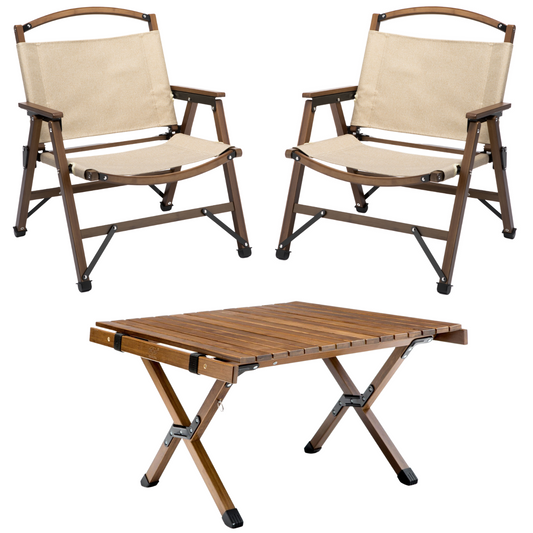
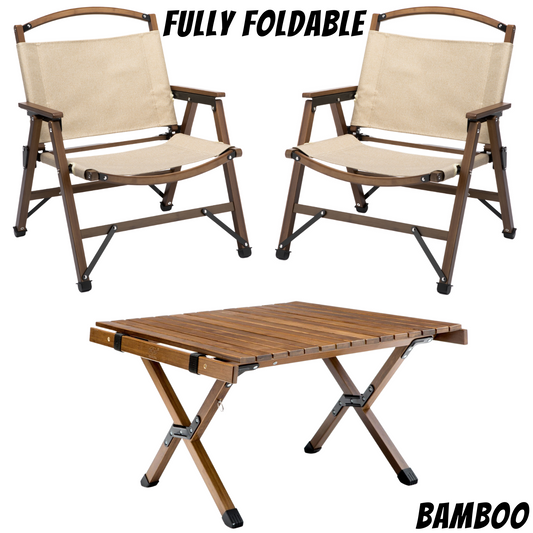
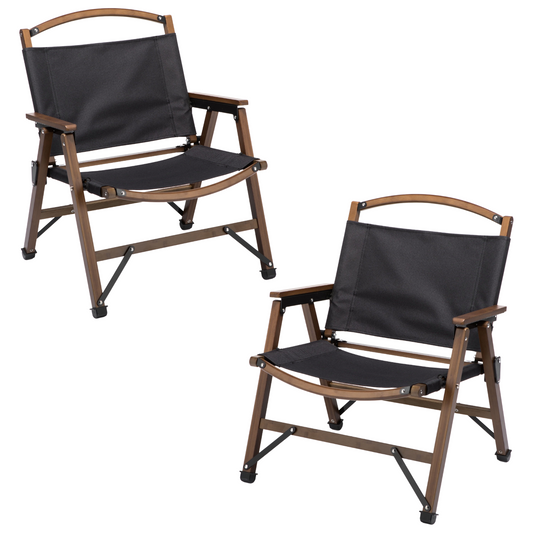
Current chair styles can include canopies, reclining mechanisms, footrests, cup holders, storage pockets, insulated cooler sections and carry solutions, while other products are intentionally simple seats or stools. The collection also includes multi-packs and chair-and-table sets.
Treat every inclusion as product-specific. Check the product page for exactly what comes with the chair, its dimensions and how built-in storage or accessories are intended to be used.
Using Camp Chairs Around a Campfire
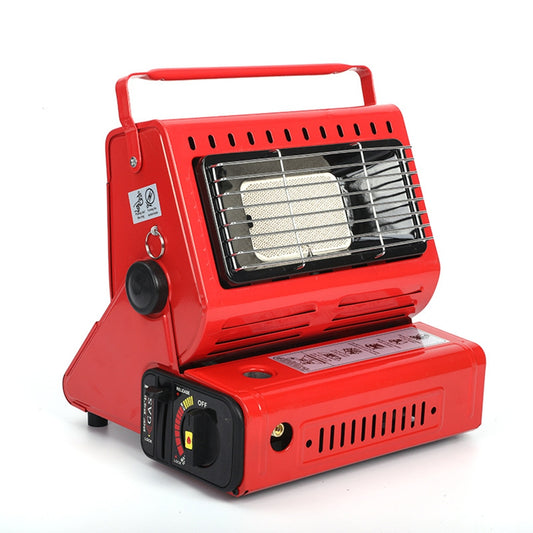
Camp chairs are often used around a fire, but heat, sparks and embers can damage fabric, plastic, coatings and inflatable materials. Keep chairs far enough from flames and hot surfaces to suit the conditions, wind direction and campsite rules.
Position seating so a person cannot easily trip, fall or tip into the fire when getting in or out. Follow the chair manufacturer’s instructions as well as current fire restrictions and the rules of the campsite or land manager.
Care and Storage
Clean off dirt, sand and other residue after use and allow the chair to dry fully before long-term storage. Store it in a dry place protected from unnecessary heat and moisture, following the care instructions for the specific materials.
Before each trip, check the fabric, stitching, hinges, locking points, feet and fasteners. Stop using the chair if load-bearing fabric is torn, the frame is bent, fasteners are missing or loose, or a locking or reclining mechanism no longer operates correctly.
Common Camping Chair Mistakes to Avoid
- Choosing a chair by appearance without checking its load rating and open dimensions.
- Buying a comfortable chair that is too bulky for the available vehicle or caravan storage.
- Assuming cup holders, carry bags, canopies, footrests or cooler sections are included without checking the exact listing.
- Buying a recliner without allowing enough room for its full open or reclined footprint.
- Using a chair on unstable, sloping or soft ground without checking that it is sitting securely.
- Exceeding the published load rating or using a camp chair as a step or platform.
- Leaving canopy chairs or lightweight seating unsecured in windy conditions.
- Placing fabric, plastic or inflatable seating too close to flames, hot surfaces, sparks or embers.
- Packing a chair away wet, sandy or salty and leaving residue on the frame and fabric.
- Continuing to use a chair with torn load-bearing fabric, a bent frame or a faulty locking mechanism.
Complete Your Camp Furniture Setup
Build the rest of your campsite around the way you actually use the chair. Browse Camp Tables for dining and prep surfaces, Camping Accessories for practical campsite extras, or return to Camping Gear for the wider outdoor range.
Product note: Load ratings, dimensions, product weights, frame materials, fabrics, included accessories, packed sizes and care requirements vary by chair. Check the exact product specifications before ordering and using the chair.
Safety note: Set camping chairs up fully on the firmest, most level surface available, stay within the published load rating, keep hands clear of folding and reclining mechanisms, inspect chairs for damage and keep seating safely away from flames, hot surfaces, sparks and embers. Follow the manufacturer’s instructions and campsite rules.
Guide reviewed: August 2026.