Leave No Trace Camping Done Right
That perfect campsite loses its charm pretty quickly when there’s toilet paper in the scrub, bottle caps near the fire pit, and tyre marks cutting through soft ground. Leave no trace camping is about keeping the places we love in good nick, so the next family, fisho, or road trip crew gets the same experience - and so we don’t end up with more closures, more restrictions, and more damaged bushland.
In Australia, that matters more than most people realise. Our camping spots cop everything from school holiday crowds to long weekends, 4WD traffic, coastal erosion, flood damage, and fire risk. A few careless habits can do a lot of damage fast. The good news is that leave no trace camping is not hard, expensive, or only for hardcore bushwalkers. It’s just a smarter way to camp.
What leave no trace camping actually means
At its core, leave no trace camping means setting up, living, and packing down in a way that leaves as little impact as possible. That includes obvious things like taking your rubbish home, but it also covers where you park, how you wash up, what you do with food scraps, whether your campfire is safe, and how you treat wildlife.
For most campers, the real shift is moving from “someone will clean that up” to “this place stays as I found it, or better”. That attitude works whether you’re in a national park, a beachside campground, a state forest, or a quiet free camp off a regional road.
It also doesn’t mean stripping all comfort out of your trip. You can still enjoy a proper setup with camp chairs, a good stretcher, decent lighting, and a hot feed. The point is to camp comfortably without making a mess of the place.
Start with the campsite, not the gear
A lot of impact happens before the tent even goes up. Picking the right site is one of the biggest parts of leave no trace camping, especially in busy or fragile areas.
If there’s an established campsite, use it. Creating a fresh patch beside it might feel quieter or more private, but it widens the footprint and kills more ground cover. In beach and bush settings, vegetation can take a long time to recover, and repeated traffic makes it worse. The same goes for parking. Keep vehicles on formed tracks and designated areas rather than nudging into scrub for a better angle.
In wet weather, this matters even more. Soft ground tears up easily under tyres and foot traffic. Sometimes the best call is to avoid a site altogether if conditions are likely to leave deep ruts or churned mud. That can be frustrating when you’ve driven a long way, but it’s better than leaving damage that sticks around for months.
Camp on durable surfaces where possible
On established sites, stick to the obvious camp pads or hardened ground. If you’re somewhere more remote and dispersed camping is allowed, choose durable surfaces like gravel, sand, or firm bare ground rather than fragile grasses, moss, creek edges, or dunes. A shortcut to the water might save a minute, but repeated use soon becomes a worn track.
Rubbish is the easy part - food waste is where people slip up
Most campers know to take cans, wrappers, and bottles home. Where things go wrong is with the stuff people think will “just break down”. Orange peels, pasta water, bread crusts, fishing bait leftovers, and half-burnt foil all count as rubbish in the outdoors.
Food scraps attract wildlife, change animal behaviour, and make campsites unpleasant fast. In some places they also attract insects and feral animals. Even biodegradable waste can hang around much longer than people expect, especially in dry inland conditions.
A simple system helps. Pack a proper rubbish bag, keep a separate tub for recyclables if you’re sorting later, and have a sealable container or bag for messy food waste. If you’re travelling with kids, make the clean-up part of pack-down, not an afterthought once everyone’s already in the car.
Washing up without wrecking the site
Camp kitchens are where a lot of hidden impact happens. Greasy dishwater tipped beside the tent, toothpaste spat near a tree, or soap running into a creek all leave a mark.
The better approach is to use a tub or sink setup and strain out food bits before disposing of water well away from waterways and campsites, where local rules allow it. The less food in your wastewater, the better. If facilities are available, use them. If not, keep your washing area small and controlled rather than turning half the site into a splash zone.
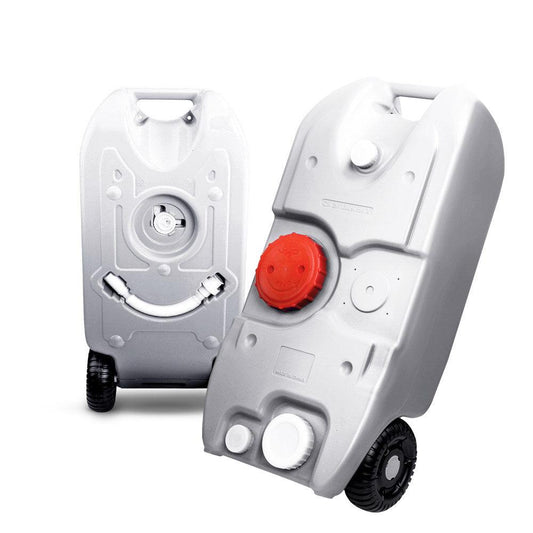
Water use matters too, especially in dry parts of Australia. Efficient gear and a simple setup save water and make clean-up quicker. That’s good for the environment and for anyone who doesn’t feel like hauling extra jerry cans around.
Toilets, hygiene, and the stuff nobody wants to talk about
This is where campsites get grubby in a hurry. If there’s a toilet, use it. If there isn’t, you need a proper plan before you leave home.
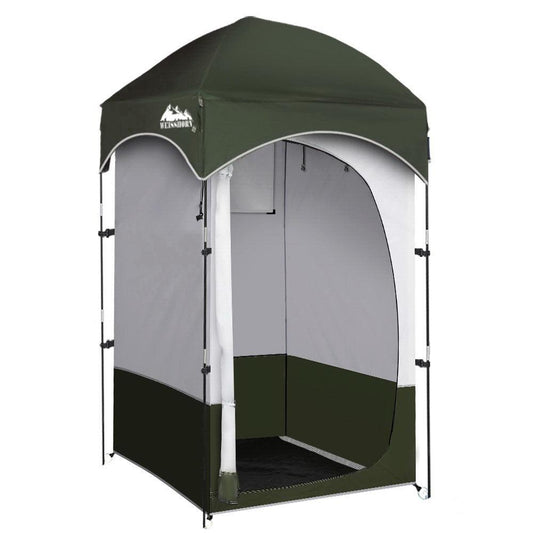
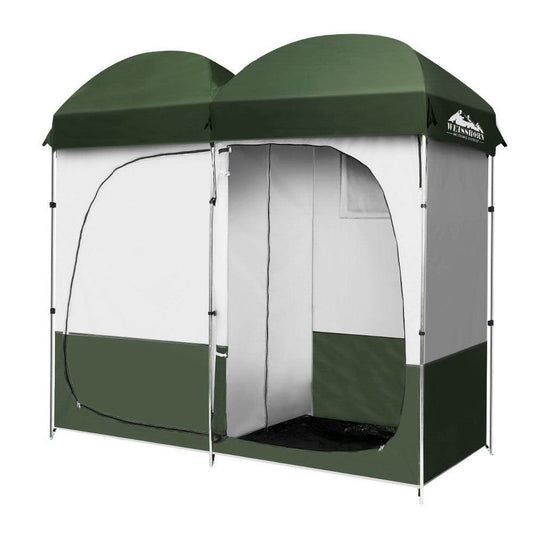
In some areas, a portable toilet is the best option and sometimes the required one. It’s cleaner, more practical for family trips, and far better for busy camps or fragile environments. In remote areas where burying human waste is permitted, do it properly and well away from water, tracks, and camp. Toilet paper still needs to be packed out unless local guidance clearly says otherwise.
Wipes are another trap. Even the ones labelled flushable have no place in the bush. Bag them and take them home. It’s not glamorous, but it’s part of respecting the spot.
Campfires and stoves - know the difference between legal and smart
Nothing says Aussie camping like a fire when conditions allow it, but this is one area where leave no trace camping needs common sense, not nostalgia. Just because a fire is permitted doesn’t mean it’s the best option on the day.
In windy conditions, dry country, or crowded sites, a stove is often the smarter choice. It’s quicker, cleaner, and leaves no scar behind. If you do use a fire, stick to existing fire pits where provided. Don’t build new rings from random rocks and don’t burn rubbish, foil, cans, or plastic. That mess stays behind long after the flames are gone.
Keep fires small, use only appropriate firewood where collection is allowed, and make sure the fire is completely out before you walk away or turn in. Not “looks fine”. Out. Cold. Dead set finished.
Fire scars last longer than you think
On sand, riverbanks, and open bush sites, blackened ground and half-burnt debris can linger for ages. If you’re aiming for leave no trace camping, reducing your reliance on open fires is one of the fastest ways to cut your impact.
Wildlife is not part of your camp crew
Feeding wildlife is still one of the quickest ways to turn a decent campsite into a problem area. Birds, goannas, dingoes, possums - once they learn camps mean easy food, things go downhill fast. Animals become aggressive, campsites get trashed, and authorities step in.
Keep food packed away, don’t leave eskies or bins unsecured, and clean up straight after meals. That applies even if you’re just ducking down to the beach or heading off for a short walk. Wildlife does not need long to make a mess.
The same goes for observation. Watching native animals is one of the best parts of camping, but give them space. No chasing them for photos, no calling them in, and no leaving scraps “for the birds”.
Noise, lights, and space still count
Not every impact is visible. Generators running late, floodlights blasting neighbouring camps, loud music, and constant vehicle movement all change the feel of a place. Leave no trace camping includes being a good neighbour.
That doesn’t mean sitting in silence from 6 pm. It just means using a bit of judgement. Keep noise reasonable, angle lights down, and remember that other people came for the outdoors too. In family campgrounds, that courtesy goes a long way.
Gear choices can make low-impact camping easier
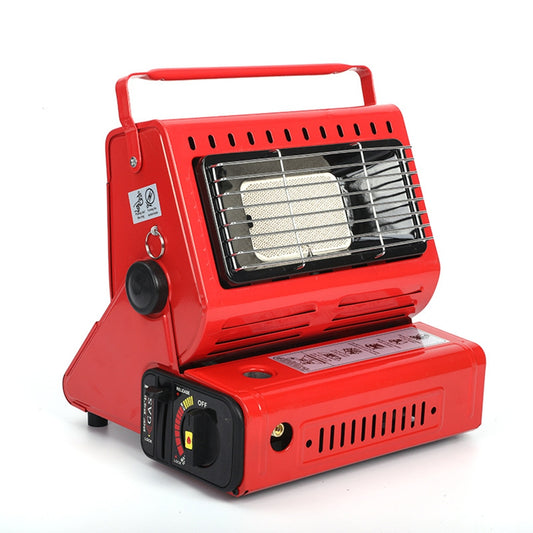
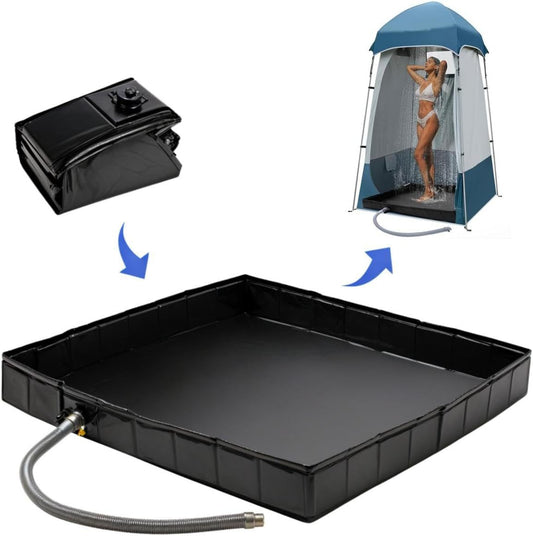
Good habits matter most, but the right gear can make them easier to stick to. A decent rubbish setup, compact stove, water containers, portable toilet, washable cookware, and reliable lighting all help you camp cleaner and pack down faster. If your setup is awkward, people cut corners. If it’s simple, they usually do the right thing.
That’s where practical, value-focused gear earns its keep. You don’t need the fanciest kit on the market. You need gear that works, travels well, and suits Australian conditions. For plenty of campers, that’s the difference between a smooth trip and a campsite that slowly unravels into clutter.
Leave no trace camping with kids and groups
Group trips are where standards can slip because everyone assumes someone else has it covered. The easiest fix is to make a few expectations clear early - where rubbish goes, who checks the fire, where people wash up, and what the kids can and can’t do around the site.
With children, keep it practical. Ask them to do a final “micro-rubbish lap” for twist ties, snack corners, and bottle lids. Make them part of protecting the place rather than just telling them not to touch anything. It’s one of the better camping habits they can take into adulthood.
For bigger setups, especially with caravans, trailers, or multiple vehicles, footprint matters. Spread out less. Use existing space better. A well-organised camp often has less impact than a loose one.
The best campsites in Australia stay good because enough people treat them properly. If you leave with your rubbish packed, your fire area clean, your wastewater managed, and the ground looking much like you found it, you’ve done your bit - and that’s how more trips stay open, easy, and worth coming back for. For a broader pre-trip check, our camping mistakes guide covers a few other easy-to-miss habits.