

What Recovery Gear Do I Need for 4WD Trips?
Share
One boggy beach exit, a washed-out fire trail, or a soft patch on a station track is usually all it takes to ask, what recovery gear do I need? The right answer is not buying every bit of kit on the market. It is choosing the gear that matches your vehicle, your tracks, and the way you actually travel around Australia.
For most Aussie campers and 4WD owners, recovery gear should do two things well. It should help you get moving again when conditions turn ordinary, and it should do it safely. That means skipping gimmicks, understanding the basics, and building a setup you will actually carry on every trip.
What recovery gear do I need to start with?
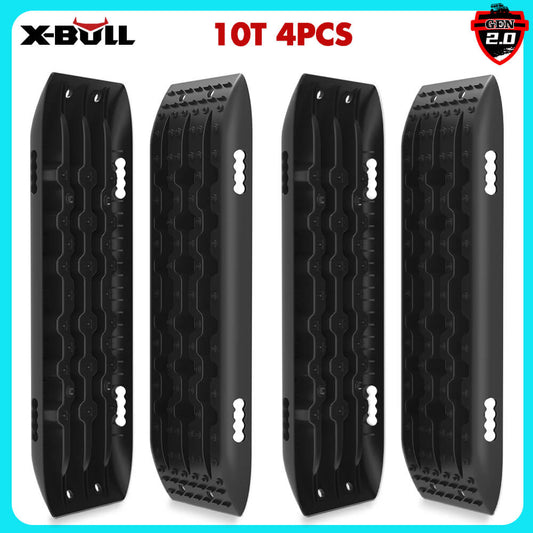
If you are starting from scratch, the most sensible recovery kit is a modest one. A pair of recovery boards, a rated snatch strap or kinetic rope suited to your vehicle, two rated bow shackles or soft shackles, a long-handled shovel, a tyre deflator, and a portable air compressor will cover a lot of common trouble. Add a pair of gloves and a recovery damper, and you have a solid foundation.
That setup works because many recoveries are not dramatic. Plenty of vehicles come unstuck with lower tyre pressure, a bit of digging, and some traction under the tyres. In sand especially, the cheapest fix is often air down, clear the path, and drive out calmly. Good recovery gear supports that process rather than replacing it.
Start with the terrain, not the catalogue
The gear you need changes depending on where you go. Beach driving, muddy forest tracks, rocky climbs, and remote outback touring all ask different things of your kit. That is why there is no single perfect list for every driver.
Sand driving
On beaches and sandy tracks, recovery boards are one of the best-value items you can carry. They are fast to use, don’t rely on another vehicle, and often solve the problem before it gets worse. A shovel matters just as much. So do a deflator and compressor, because tyre pressure is a huge part of staying mobile on sand.
If beach runs are your main thing, that combination deserves priority over heavier gear. A bogged vehicle in sand often needs less force and more technique.
Mud and sloppy tracks
Mud is where straps, shackles, and good recovery points become more important. Recovery boards still help, but thick mud can mean you need another vehicle to assist. A snatch strap or kinetic rope can be useful here, but only when both vehicles have rated recovery points and the drivers know what they are doing.
Mud also creates a cleanup problem. Wet gear needs to be washed and dried properly after the trip, or it will not last.
Remote touring
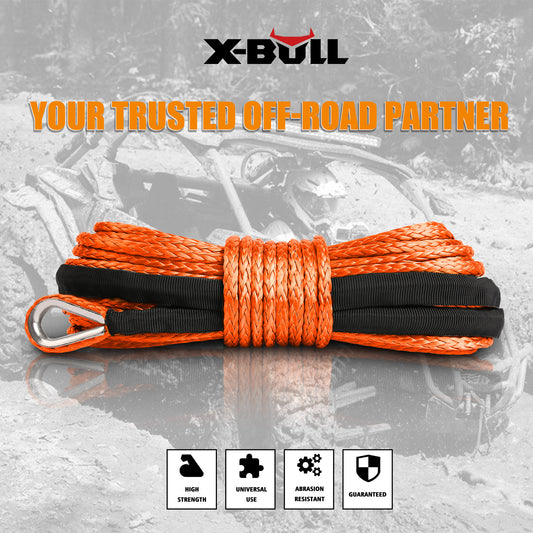
If you head well away from busy tracks, self-recovery becomes more important. Recovery boards, shovel, compressor, and tyre repair gear are essential because help may not be close. Depending on your setup, a winch may also make sense, especially if you travel solo or carry a heavy touring rig.
The trade-off is cost, weight, and installation. A winch is incredibly useful in the right scenario, but not every weekend camper needs one bolted to the bar.
The gear that earns its place
Some bits of recovery gear get used often. Others are more situational. If you want a practical buying order, start with the pieces below.
Recovery boards
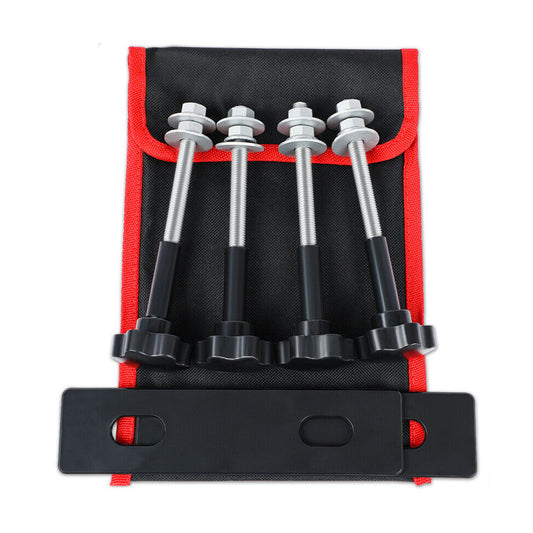
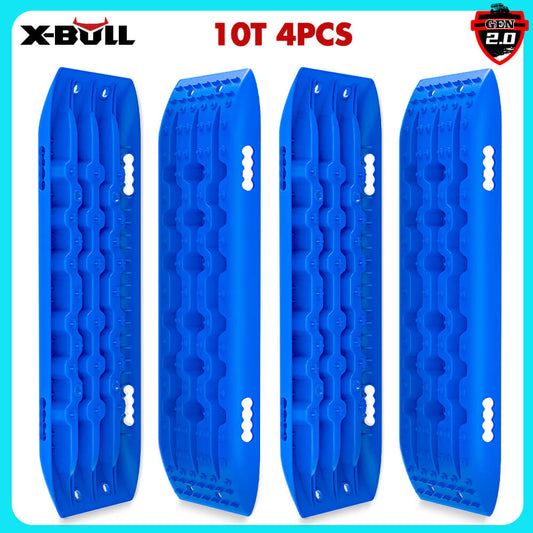
Recovery boards are one of the easiest additions for new 4WD owners. They are simple, versatile, and useful across sand, mud, and uneven terrain. They can help with traction, bridging small ruts, and getting out without another vehicle.
They do take up space, and cheaper boards are not all equal, so durability matters. But for many travellers, they are one of the smartest first purchases.
Shovel
Not glamorous, but essential. Digging sand, mud, or loose dirt away from tyres and diffs can save a recovery from becoming a bigger job. A folding shovel is easier to store, while a long-handled shovel is generally nicer to use.
Tyre deflator and air compressor
These are often overlooked as recovery gear, but they absolutely count. Lowering tyre pressure improves traction and flotation in soft terrain. Airing back up before the drive home is just as important for safety and tyre wear.
A decent compressor is one of those items you end up using on plenty of trips, not just when things go pear-shaped.
Snatch strap or kinetic rope
This is where buyers need to slow down a bit. A strap or rope can be very effective, but only when it is matched to the vehicle weight and used with proper recovery points. It is not a tow rope, and it is not something to use casually.
Kinetic ropes are popular because they can offer smoother load transfer, but they usually cost more. Snatch straps remain common and affordable. For many drivers, either can work, provided the rating is right and the recovery is done safely.
Shackles
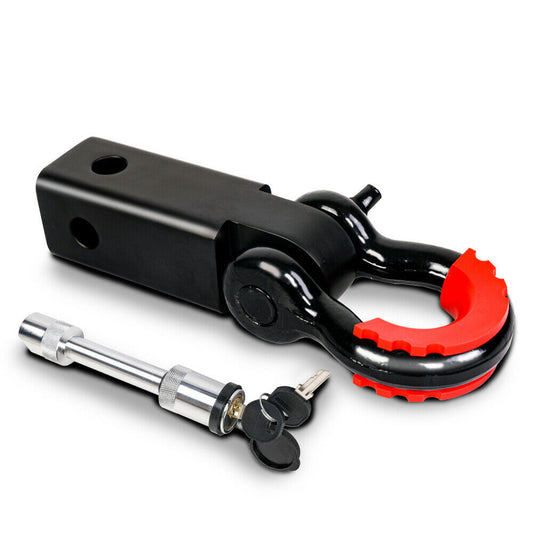
You need proper rated connection points in the system, and that includes the shackles. Soft shackles are lighter and easier to handle, while bow shackles are still common and dependable. Many travellers carry both.
The key point is simple - unrated hardware has no place in a recovery setup.
Gloves and recovery damper
These are not the exciting parts of the kit, but they are worth carrying. Gloves help with handling muddy straps, cable, and sharp edges. A damper adds an extra layer of safety when using straps or winch lines.
Do I need a winch?
Sometimes yes. Often no.
If you travel solo, head into tougher country, or drive a heavier rig in places where another vehicle may not be nearby, a winch can be a smart investment. It gives you self-recovery options that recovery boards and straps cannot always match.
But if most of your trips are beach runs, easier forest tracks, caravan parks with occasional dirt detours, or casual camping weekends with other vehicles around, you may get far more value from a good basic kit first. Winches add weight to the front of the vehicle, may require suspension consideration, and need maintenance. They are excellent tools, but not automatic must-haves.
Recovery points matter more than extra accessories
This is where people can spend money in the wrong order. Fancy gear means very little if your vehicle does not have proper rated recovery points fitted. Before you think about straps, ropes, or winches, make sure the vehicle can be recovered safely.
Factory tie-down points are not the same thing. If you are unsure, get advice specific to your vehicle. This is one area where guessing is a bad idea.
Match the gear to your vehicle weight
Bigger is not always better. Recovery gear needs to suit the gross vehicle weight of your 4WD and how it is loaded for travel. An overloaded touring wagon with drawers, long-range fuel, roof racks, and camping gear may be much heavier than standard.
That affects strap ratings, winch choice, and general recovery planning. If you are towing, things get more complicated again. The safest option is to buy gear with your real trip weight in mind, not just the brochure weight of the vehicle.
Don’t forget storage and maintenance
Recovery gear lives a harder life than plenty of camping gear. It gets wet, muddy, dusty, and thrown in the back after a long day. If you want it ready for the next trip, store it properly.
Keep soft gear dry and clean. Inspect straps and shackles for wear. Check your compressor still works before a trip, not after you are already stuck. Recovery boards should be secured properly, especially on corrugated roads.
A cheap kit that is looked after can outlast a pricier one that gets ignored.
A sensible recovery setup for most Aussie trips
For the average Australian camper or 4WD owner, a practical entry-level kit usually makes the most sense. Recovery boards, a shovel, a tyre deflator, a portable compressor, gloves, and correctly rated strap and shackles will cover a wide range of real-world situations. From there, you can add a winch or more specialised gear if your trips demand it.
That is generally the sweet spot - buy for the tracks you actually drive, not the ones you might tackle once in five years.
If you are shopping for value-focused gear that suits real camping and 4WD travel, Just Camp keeps it simple with practical options for everyday adventures. The goal is not to overbuild your kit. It is to be ready when the track turns soft, the weather changes, or the wheels stop moving.
The best recovery gear is the gear you understand, carry every time, and can trust when the trip gets interesting.