

Tents for Sale That Suit Real Aussie Trips
Share
A cheap tent that leaks at 2 am is not a bargain. When you are parked up by the coast, heading inland for a long weekend, or setting up camp with the kids after dark, the right tents for sale save time, stress and money. That is why it pays to buy for the way you actually camp, not just for the price tag or a polished product photo.
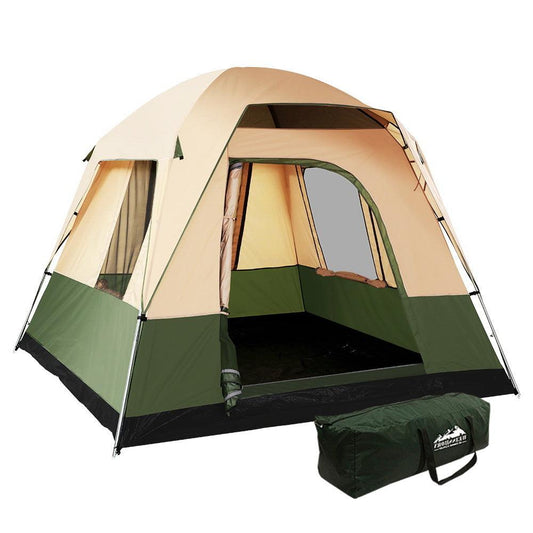
Most people do not need expedition-grade gear. They need a tent that is easy to pitch, suited to Australian conditions, and good value for how often it will be used. For some buyers that means a simple dome tent for weekend trips. For others it means a larger family tent with room to move, better ventilation and enough head height to make a few days away comfortable rather than cramped.
What to look for in tents for sale
Start with capacity, but do not take the number on the box too literally. A four-person tent may sleep four adults side by side, though that does not always leave much space for bags, bedding or a bit of breathing room. If comfort matters, or if you are camping with children, sizing up is usually the smarter call.
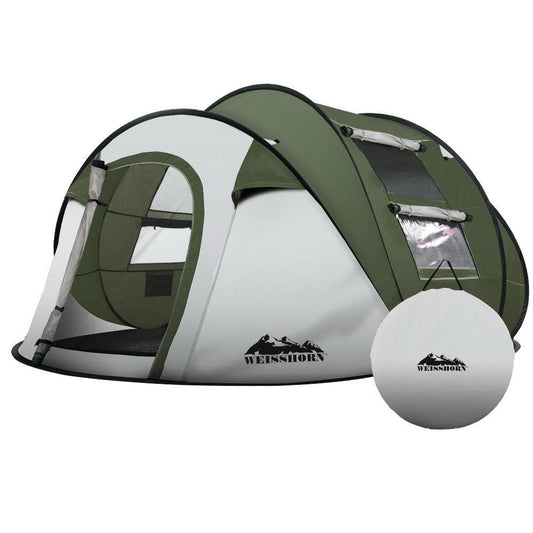
After that, think about setup. Some tents are ideal for quick overnighters because they are simple, compact and fast to pitch. Others take a bit more effort but reward you with extra space, better storage and improved liveability. If you are regularly moving from site to site, speed matters. If you are staying put for several nights, a roomier layout can be worth the extra few minutes.
Material and weather protection matter as well. In Australia, a tent needs to handle more than one kind of trip. You might get hot afternoons, cool nights, wind off the coast and a shower rolling through without much warning. A good fly, decent waterproofing and solid construction count for plenty. So does airflow. A tent that traps heat can feel ordinary fast in warmer conditions, even if it performs well in rain.
The floor is another detail buyers often overlook. A stronger, well-made floor helps protect against wear, damp ground and rougher campsites. If you camp on harder surfaces or more often in regional areas, durability matters more than it does on the occasional caravan park holiday.
Choosing the right tent for your camping style
Not every camping setup needs the same tent, and this is where plenty of shoppers either overspend or buy the wrong thing.
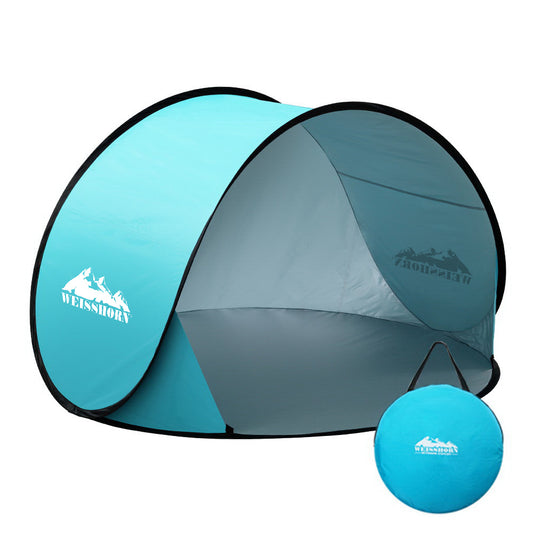
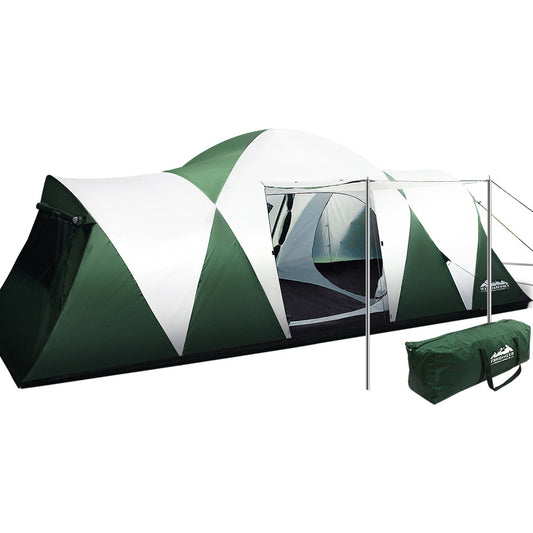
If you are a couple heading away for quick weekends, a compact dome tent or touring tent usually makes the most sense. You want easy transport, quick setup and enough room for a comfortable sleep without dragging half the shed along with you. These styles are also a solid option for solo campers who want a bit more room for gear.
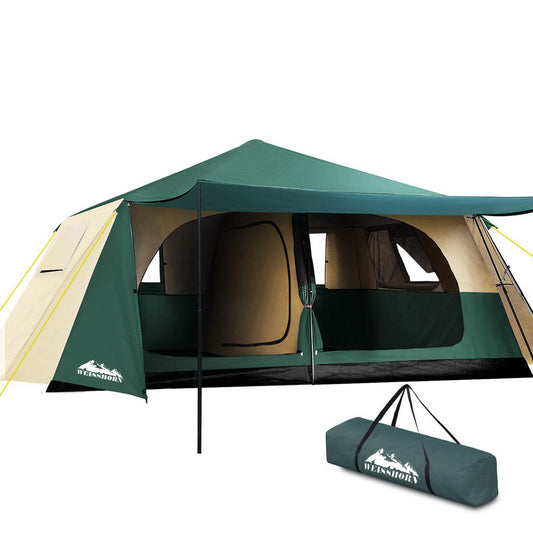
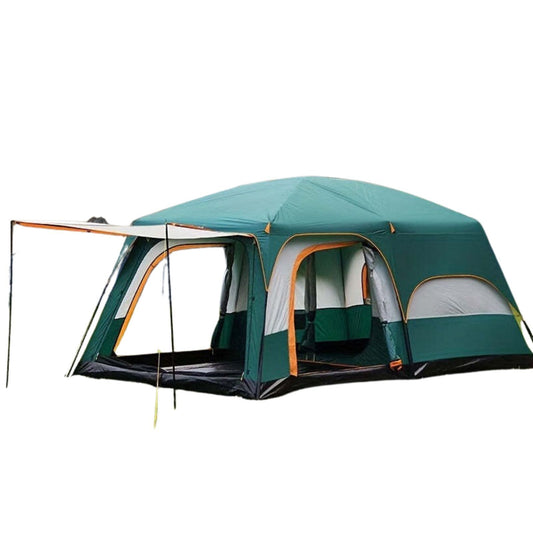
Families usually need a different approach. When you are packing bedding, clothes, food, chairs and the rest of it, space disappears quickly. A larger tent with separate rooms or a generous central area makes life easier, especially on multi-day trips. Standing room also becomes more important than many first-time buyers expect. Crawling around a low tent gets old very quickly once the weather turns or the kids need changing.
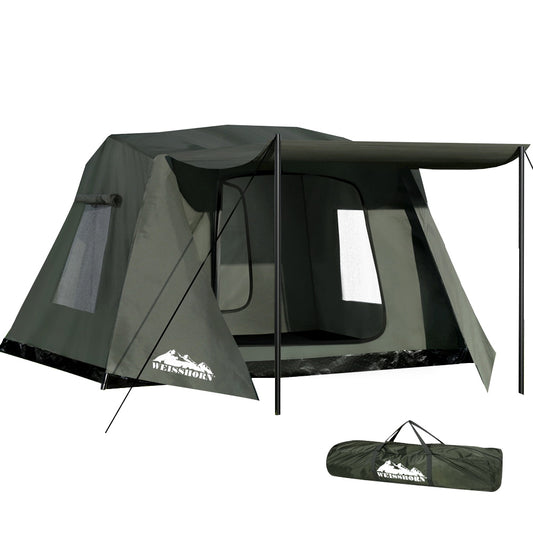
For touring and 4WD travel, packed size and practicality matter just as much as sleeping capacity. You might be loading the vehicle with recovery gear, cooking gear, fridges and other essentials, so the tent needs to earn its place. In that case, lighter and easier-to-store options often win over bulky setups, unless you are travelling with a bigger group.
Then there is the occasional camper. If you only head out a few times a year, there is no need to overcomplicate it. Focus on value, straightforward setup and reliable weather protection. You still want something dependable, but paying top dollar for features you will rarely use is not always money well spent.
Price matters, but value matters more
There are always plenty of tents for sale at different price points, and that is a good thing. It means buyers can match their gear to their budget. But the cheapest option is not automatically the best value, especially if it is difficult to pitch, poorly ventilated or unlikely to last more than a couple of trips.
A better way to judge value is to look at how the tent will perform over time. Will it suit more than one type of trip? Is it easy enough to use that you will not dread setting it up? Does it give you enough room and comfort that you will actually want to camp more often? Those questions matter more than shaving a few dollars off the upfront price.
That said, paying more does not guarantee the right fit either. Some buyers get drawn to bigger tents with extra features, only to realise they are too bulky for regular use or too slow to set up on quick getaways. There is always a trade-off between size, convenience, weight and comfort. The best buy is usually the one that lines up with your real camping habits.
Features that make a difference on Aussie campsites
Some tent features sound minor until you are out in the elements. Good ventilation is a classic example. In warmer parts of Australia, mesh panels, windows and airflow options can make nights far more comfortable. They also help reduce condensation, which can be annoying even in cooler weather.
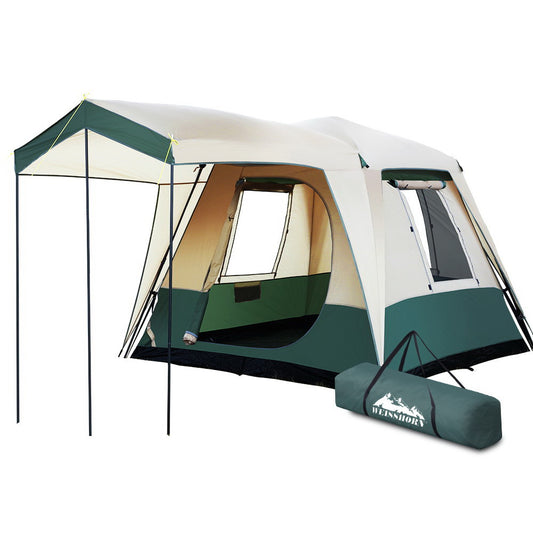
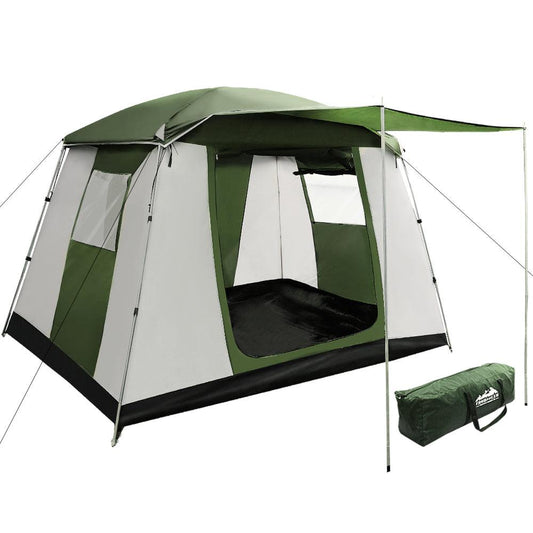
Awning space is another useful extra, especially for family camping or coastal trips. It gives you a bit of shade, somewhere to sit, and a place to stash gear out of the tent itself. If you are camping through mixed conditions, that extra covered area can be genuinely handy.
Storage pockets and internal organisers are not flashy, but they help keep small items where you need them. Lighting attachment points are also worth having. Once the sun goes down, practical little details become much more valuable than they seemed in the product description.
Strong poles, reliable zips and quality stitching are not the sort of things people get excited about, but they are exactly what you notice when a tent starts showing its weaknesses. For regular campers, these build-quality details often matter more than gimmicks.
Buying online without getting it wrong
Buying a tent online is convenient, but it also means you need to read with a bit of care. Photos can make any tent look roomy, so dimensions matter. Look at floor size, peak height and packed size rather than guessing from images alone.
It also helps to think through the full setup, not just the sleeping arrangement. Where will your bags go? Do you want room to stand up? Are you likely to camp in hotter weather, or mostly in cooler months? Do you need something light and quick, or are you happy to trade speed for extra comfort?
Customer reviews can be useful here because they often reveal what a tent is actually like to live with. You get a better sense of setup time, space, and whether the tent suits real-world trips rather than showroom expectations.
For many Aussie buyers, delivery speed matters too. Camping plans often come together quickly, especially around school holidays, long weekends and sale periods. Fast local dispatch makes a difference when you need gear sorted without the wait and uncertainty that can come with offshore sellers.
When it makes sense to upgrade your tent
Sometimes the best reason to look at new tents for sale is simple: your current setup no longer suits the way you travel. Maybe the family has outgrown the old tent. Maybe you are doing more road trips and want something easier to manage. Maybe your current tent is still usable, but every setup feels like hard work.
An upgrade does not need to mean going bigger or spending more across the board. It might mean choosing a tent with a better layout, easier pitch, stronger weather protection or a packed size that works better with the rest of your gear. Practical improvements are often the ones you appreciate most once you are actually at camp.
For buyers who want dependable gear without paying specialist-store prices, that balance of value and function is where the smart buys sit. That is also why retailers like Just Camp appeal to everyday campers - broad range, strong pricing and gear that is built around real trips rather than niche bragging rights.
The right tent should make getting away feel easier, not more complicated. If it suits your crew, your vehicle and the way you like to travel, you are already on the right track. Buy for real use, back your instincts, and the next trip has a much better chance of starting well before you even leave the driveway.