Best Winter Camping Gear for Aussie Trips
Share
Cold nights sort out a camping setup pretty quickly. If your sleeping bag is underdone, your mattress leaks warmth, or your camp kitchen struggles in the cold, you feel it by sunset. The best winter camping gear is not about loading up on expensive extras. It is about choosing the right basics so you stay warm, dry, well-fed and ready for an early start.
For Australian campers, winter can mean very different things. A crisp night in regional Victoria is one thing. Alpine conditions, inland frost, or a windy coastal campsite is another. That is why smart winter packing comes down to your conditions, your vehicle space, and how much comfort you want at camp.
What the best winter camping gear actually needs to do
Winter gear should solve four problems fast. It needs to hold warmth while you sleep, help you manage moisture, make camp life easier after dark, and keep cooking and power gear working when the temperature drops. If one of those areas is weak, the whole trip feels harder than it should.
That does not mean every camper needs a full cold-weather overhaul. Families doing powered caravan park stays can lean on electric blankets, heaters and thicker bedding. Swag campers and 4WD travellers heading bush usually need more self-contained warmth, better insulation and reliable power. The right setup depends on how you camp, not just how cold the forecast looks.
Best winter camping gear for sleep and warmth
If there is one place to spend properly, it is your sleep setup. A cold, broken sleep turns a good trip into a short one.
Start with insulation under you
A lot of campers focus on the sleeping bag and forget the cold coming up from the ground. In winter, that is often the bigger problem. A stretcher, self-inflating mat, thick foam mat or quality air mattress helps create separation from the ground, but not all mats insulate equally.
If you are in a swag, a decent mat makes a massive difference. In a tent, layering helps. A foam base under a self-inflating mat can improve warmth without adding too much cost. For caravans and camper trailers, extra mattress toppers and thermal blankets can turn a standard bed into something far better suited to a cold snap.
Choose a sleeping bag for real conditions
A winter sleeping bag should match the coldest overnight temp you are likely to get, not the best-case forecast. Temperature ratings can be optimistic, especially if you sleep cold. It usually pays to go warmer than you think you need.
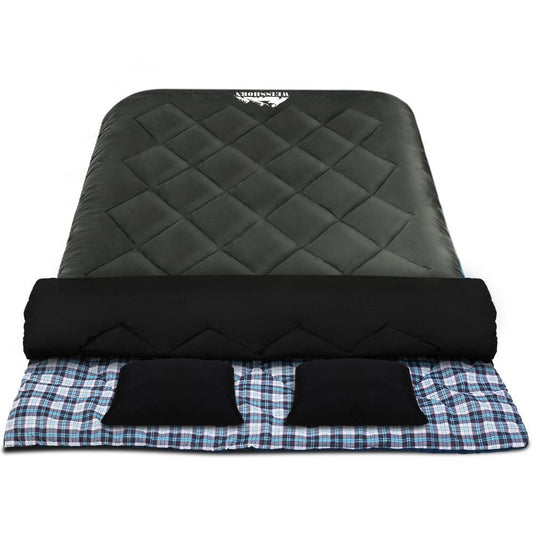
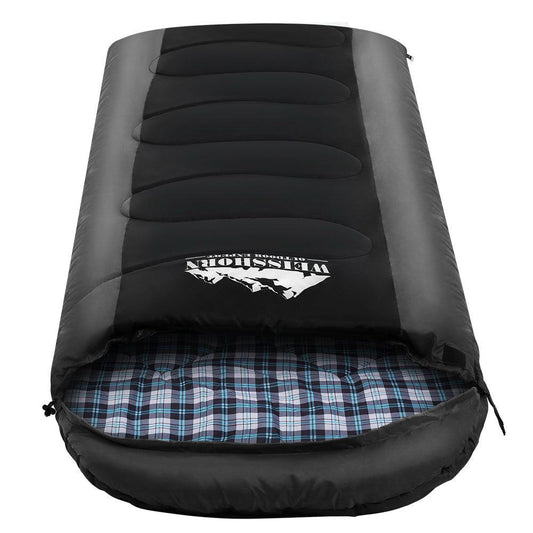
Mummy-style bags hold heat better, while larger rectangular bags give more room but can let warmth escape. If comfort matters more than pack size, heavy-duty sleeping bags with flannel lining are a solid option for car camping. If space is tight, a more compact cold-rated bag makes more sense. There is always a trade-off between bulk, warmth and price.
Add the simple extras
Small additions can lift comfort without blowing the budget. Think thermal liners, hot water bottles, extra blankets and warm beanies for sleeping. Clean, dry socks for bed also matter more than most people admit. If your gear gets damp during the day, having a dry sleep set packed separately is a smart move.
Shelter that works harder in winter
Your tent or swag does not need to be extreme, but it does need to handle wind, condensation and overnight chill.
A well-made tent with a full fly and decent ventilation is usually better than a cheap tent with lots of mesh and poor weather protection. In winter, you still need airflow. Seal everything up too tightly and condensation builds fast, especially with two or more people inside. Wet walls, damp bedding and cold air are a rough combination.
Swags are a popular winter option because they are simple, tough and usually warmer than lighter summer tents. They are not perfect for every trip though. If you want standing room, family space or extended stays, a tent, camper trailer or caravan setup will be far more comfortable.
A gazebo or awning with side walls can also be worth its weight in gold. It gives you somewhere to cook, sit and sort gear out of the wind. In winter, protected camp space often matters just as much as where you sleep.
Heating, but done properly
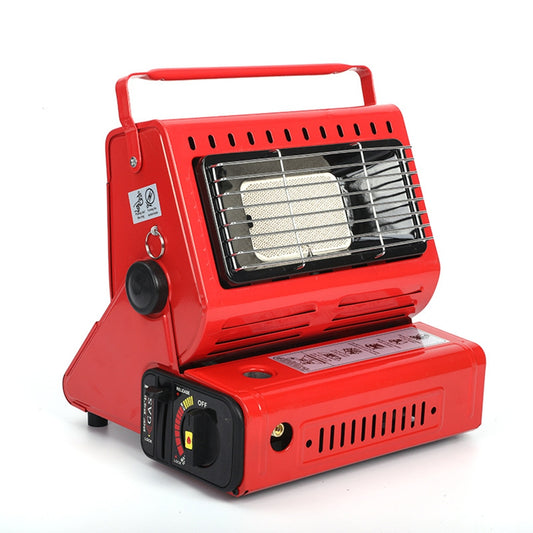
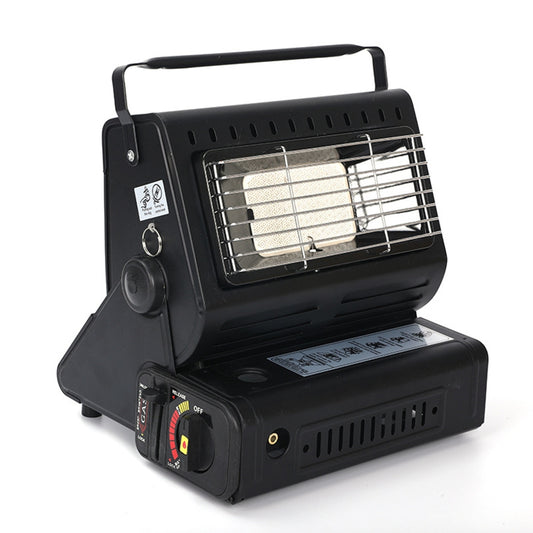
Portable heaters can be a great addition, especially in larger tents, annexes, camper trailers and caravans. The key is using them safely and sensibly. Not every heater suits every shelter, and enclosed spaces always need proper ventilation and care.
For many campers, the better move is not relying on active heating all night. Build warmth into the sleep system first, then use heating to take the edge off before bed or during early mornings. That approach is usually safer, easier and less power-hungry.
Extra layers, insulated camp chairs, wind breaks and a proper ground mat around the fire area can also do plenty of heavy lifting. The warmest camp is often the one that is better organised, not the one with the fanciest heater.
Cooking gear matters more in cold weather
Winter camping is easier when hot food and drinks are quick to make. If your stove is slow, unstable or annoying to use, you will feel it more when the temperature drops.
A reliable petrol stove, kettle and decent cookware should be high on the list. Fast boil times, sturdy burners and cookware that holds heat well make a genuine difference on frosty mornings. If you are cooking for a group, more burner space saves hassle. If you are packing light, a compact single-burner setup may still do the job, but expect a bit more patience.
Good food storage also matters in winter. Cooler conditions can help, but they do not replace proper organisation. Fridges, ice boxes and storage tubs still need to be packed well, especially on longer trips. There is nothing practical about rummaging through half-frozen gear in the dark looking for coffee.
Lighting and power for longer nights
Winter means more time setting up in low light and more time around camp after sunset. Good lighting is not a luxury - it is part of a usable setup.
Head torches are handy for cooking, quick walks and late-night jobs. Lanterns and strip lights make common areas more comfortable. If you are travelling with family, lighting around steps, guy ropes and the camp kitchen helps avoid the usual stumbles.
Power becomes more important too. Mobiles, GPS units, portable fridges, lighting and heated accessories all put pressure on your setup. A portable power station, battery box, solar panel or reliable 12V solution can keep things simple, but capacity matters. Winter sun can be patchy, days are shorter, and some campers overestimate how much solar will recover overnight use.
If you are running multiple devices, it is worth sizing up rather than scraping by. Just Camp Australia shoppers often look for value first, and that makes sense, but underpowered gear can become false economy pretty quickly on a cold trip.
Clothing is gear too
The best winter camping gear is not only what sits in the tent or the back of the 4WD. What you wear around camp changes how much you enjoy the whole trip.
Layering is still the smartest approach. A base layer to manage moisture, a warm mid-layer, and an outer shell for wind or light rain covers most conditions. Thick jackets are great when you are standing still, but flexible layers are easier when you are setting up, collecting firewood or cooking.
Waterproof footwear, warm socks and a beanie pull more weight than flashy extras. Gloves can be worth packing too, especially for early starts or cold steering wheels before the heater kicks in. The trick is keeping one full set dry for camp and sleep. Once your main clothes get damp, comfort drops off fast.
The winter extras worth packing
Some gear earns its place every time the forecast dips. Camp chairs with padded insulation, heavy-duty blankets, wind-resistant lighters, recovery gear for muddy sites, and a good tarp all become more useful in winter. None of them are glamorous, but they solve common problems.
A compact shovel, traction boards or recovery tracks can also be smart if your trip includes wet paddocks, soft ground or less predictable access roads. Winter camping in Australia is not always about snow. More often, it is cold mornings, damp ground, shorter days and the sort of boggy campsite that catches people out.
If you have limited space, prioritise warmth, shelter and power before comfort add-ons. Once the basics are sorted, the nice-to-haves start making sense.
How to choose the best winter camping gear without overspending
The smartest buy is not always the most technical or the most expensive. For most Aussie campers, it is the gear that suits real trips, packs easily and gets used more than once a year.
Start with your weak points. If you are always cold at night, upgrade bedding before anything else. If cooking is a pain, improve the stove setup. If your campsite turns miserable after dark, fix lighting and shelter. Solving the biggest comfort problem first usually gives the best value.
It also helps to buy for the kind of camping you actually do. Weekend road trips, school holiday getaways, fishing missions and caravan park stays all need slightly different setups. There is no point paying for alpine-level gear if your winter trips are mostly coastal and vehicle-based. On the other hand, cutting corners on sleep gear for inland frosts rarely feels like a bargain.
A good winter setup should make you want to head out more often, not leave gear sitting in the shed waiting for one perfect trip. Get the basics right, add where it counts, and cold-weather camping starts feeling a lot less like hard work and a lot more like your best weekends of the year.