Do Solar Blankets Work for Camping?
Share
You’re parked up by the beach, the camp fridge is humming, mobiles need a top-up, and you’d rather not listen to a generator. That’s usually when people ask: do solar blankets work? Short answer - yes, they can work very well for camping, 4WD touring and caravan travel, but only if your expectations match what they’re actually built to do.
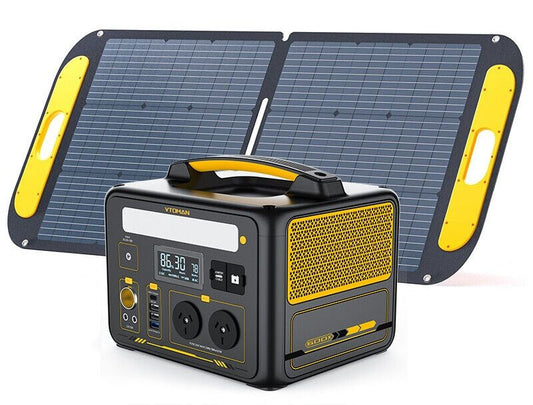
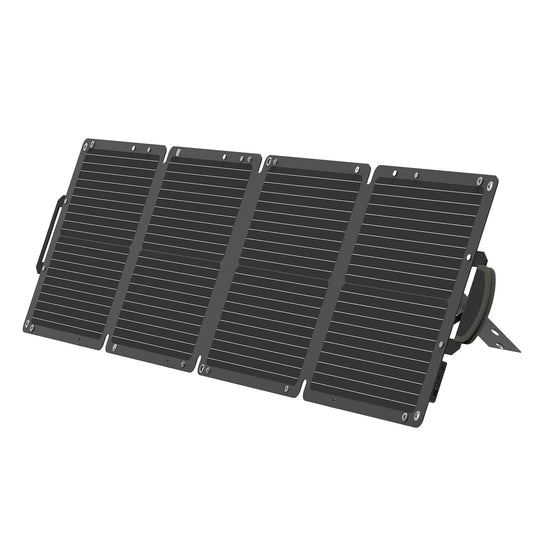
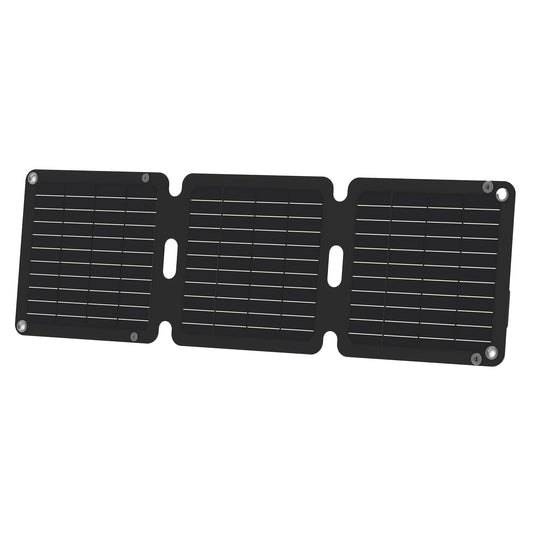
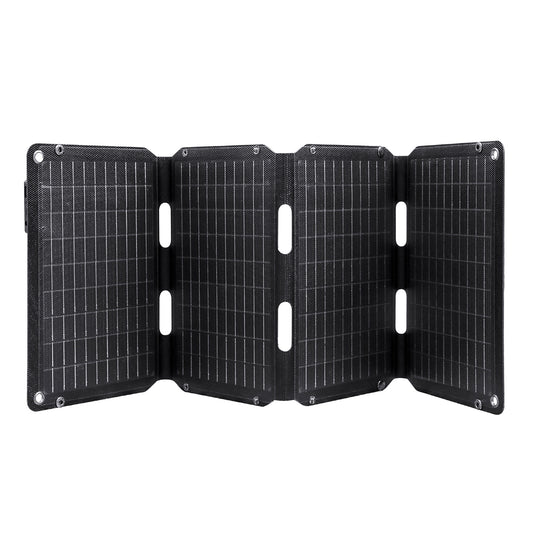
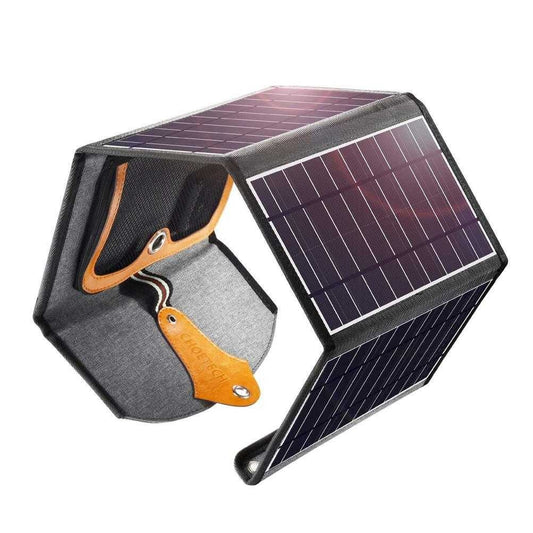
A solar blanket is not magic power in a bag. It’s a portable solar panel setup designed to fold down small, pack easily and help keep your battery system topped up when you’re off-grid. For plenty of Aussie campers, that’s exactly what makes them worth it. They’re practical, easy to move around camp, and handy when roof-mounted panels aren’t enough or just aren’t an option.
Do solar blankets work in real camping conditions?
In real-world use, solar blankets absolutely can work. They convert sunlight into usable power, usually to charge a battery rather than run appliances directly. If you’ve got a decent battery setup and a regulator matched to the panel, a solar blanket can help cover everyday power draw from gear like fridges, lights, mobiles, tablets and small 12V accessories.
Where they shine is flexibility. Fixed panels stay where the vehicle or van is parked. A blanket can be moved around through the day to chase the sun while your setup stays in the shade. That matters in Australia, where a bit of smart positioning can make a noticeable difference.
But there’s a catch. Their performance depends heavily on sunlight, angle, temperature, cloud cover and how disciplined you are with power use. If you expect a small blanket to run a full camp kitchen, charge multiple devices, power a CPAP and keep a big fridge freezing through several overcast days, you’ll probably be disappointed.
What a solar blanket does well
For many campers, the biggest win is portability. A solar blanket folds down smaller than many rigid panels, which is useful when every bit of room in the ute, wagon or van matters. It’s also quicker to deploy than some hard-mounted options, especially if you only need it when you’re staying put for a day or two.
They’re also handy for topping up batteries during daylight hours. If your battery system is already in decent shape, a solar blanket can slow down battery drain or even fully recover your daily usage in good conditions. That’s often enough for weekend trips, fishing missions, beach camping and shorter off-grid stays.
Another plus is versatility. You can lay them out on the ground, drape them over a windscreen, or reposition them as the sun moves. That can give them an edge over fixed panels in patchy campsites with trees, awnings or nearby vehicles throwing shade.
For travellers who want dependable gear without overcomplicating things, that’s the appeal. It’s simple solar power that fits into real camp setups.
Where solar blankets fall short
The biggest limitation is output versus expectation. Marketing numbers usually reflect ideal test conditions, not a hot summer day with partial cloud, dust on the panel and less-than-perfect sun angle. A 200W blanket won’t sit at peak output all day, and that surprises plenty of first-time buyers.
They also need a bit of care. Because they’re portable and regularly folded, packed and unpacked, they can cop wear over time. Sharp stones, rough handling and poor storage can shorten their life. A rigid panel mounted properly may be tougher in the long run, especially for full-time travellers.
Then there’s setup effort. It’s not a huge job, but you do need to take them out, plug them in, position them well and usually move them once or twice through the day if you want the best result. Some campers don’t mind that. Others would rather fit fixed panels and forget about them.
How much power can you realistically get?
This is where the answer to do solar blankets work really depends on your setup. In good sunshine, a quality solar blanket can produce enough charge to support modest camp power use. Think efficient 12V fridges, lighting, mobile charging, camera batteries and maybe a fan. That suits a lot of touring setups.
If your power draw is higher, you’ll need more panel capacity, more battery storage, or both. An inverter running 240V appliances will chew through power much faster than many campers expect. Coffee machines, kettles, hair dryers and electric cookers are a different ball game. Solar blankets are far better at maintaining a practical 12V lifestyle than replacing mains power completely.
Weather matters too. Clear skies in inland Australia can be excellent for solar. Coastal cloud, winter sun angles and shady bush camps can all drag output down. If your trip often involves staying under tree cover for comfort, a solar blanket may still help, but it won’t perform at its best.
Solar blanket vs fixed solar panel
If you’re choosing between a solar blanket and a fixed panel, neither is automatically better. It comes down to how you travel.
A fixed panel suits people who want set-and-forget convenience. It works while you drive, takes no daily setup, and is great for caravans and touring rigs with enough roof space. The downside is obvious - if the vehicle is in shade, panel performance drops too.
A solar blanket suits campers who stay put for a while, want portable charging, or don’t have room to mount enough solar on the roof. It’s also a strong backup option. Plenty of travellers run both: fixed solar for constant charging and a blanket for extra input when camped up.
That hybrid setup often makes the most sense for Australian trips, especially when conditions are mixed and power use isn’t always the same from one getaway to the next.
What to look for if you’re buying one
Not all solar blankets are equal. Output rating matters, but so does build quality, regulator quality, cable length and connector compatibility. A cheap setup can look good on paper and still underperform in the field.
A decent regulator is worth paying attention to. If the blanket comes with a quality MPPT regulator, you’ll generally get better charging efficiency than with a basic PWM unit, particularly when conditions aren’t perfect. Cable length matters as well, because it gives you more freedom to put the blanket in full sun while the battery sits under cover.
Weight and packed size are also worth checking. If you’re tight on storage or regularly moving camp, ease of handling matters almost as much as output. There’s no point buying a huge blanket if it becomes a hassle to set up every day.
And always buy for your actual use, not the biggest number you can afford. Weekend campers and light users often do just fine with a modest setup. Longer stays, larger fridges and family power demand may justify going bigger.
Best use cases for a solar blanket
Solar blankets make the most sense when you need portable charging in places where fixed panels are limited. They’re a strong option for 4WD touring, beach trips, caravan stopovers, fishing camps and family weekends away where you want to keep things powered without relying on powered sites.
They’re especially useful if you already have an auxiliary battery and just need a practical way to keep it alive. For many campers, that’s the sweet spot. Not a complete power station replacement, just a straightforward way to stretch your time off-grid.
They also suit people building their setup gradually. A solar blanket can be a smart first step before committing to a larger dual-battery and roof-solar system.
So, do solar blankets work well enough to be worth it?
Yes - for the right camper, they absolutely do. A solar blanket is worth it if you want portable off-grid charging, understand that output changes with conditions, and pair it with a battery setup that makes sense. It’s practical gear, not miracle gear.
If your trips are short, your power use is modest, and you like the flexibility to park in shade while still charging in the sun, a solar blanket can be a very handy bit of kit. If your setup is power-hungry and you expect home-style convenience in any weather, you may need a bigger system around it.
That’s the real answer. Solar blankets work best when they’re part of a well-matched camp power setup, not a last-minute fix for unrealistic demand. Get that balance right, and they can make off-grid camping a whole lot easier.
For Aussie travellers who want simple, portable power without the fuss, that’s a pretty solid reason to give them a serious look.