Are Roof Top Tents Worth It in Australia?
Share
You usually know the question is serious when someone’s pricing up a roof top tent after one soggy weekend on the ground. If you’ve been asking are roof top tents worth it, the honest answer is yes for some campers, and not at all for others. They can make touring quicker, cleaner and more comfortable, but they also cost more, weigh more, and don’t suit every kind of trip.
That’s the bit worth getting right before you buy. A roof top tent looks like the perfect upgrade on social media, but real value comes down to how often you camp, what you drive, and whether your setup matches the way you actually travel around Australia.
Are roof top tents worth it for most campers?
For plenty of Aussie campers, they are worth it - especially if you do regular weekend trips, 4WD touring, beach runs, or quick overnighters where fast setup matters. Getting off the ground means less mud, less uneven sleeping surfaces, and fewer dramas if the campsite is rough or damp.
They’re also popular because they simplify the packing list. Your mattress stays inside the tent, bedding can often stay packed in too, and the whole setup feels more grab-and-go than a traditional ground tent. For people who head off on Friday arvo and want camp sorted fast before dark, that convenience is a big win.
But “worth it” doesn’t mean “best for everyone”. If you’re a family of five, a budget-conscious first-time camper, or someone who stays in one spot for a week at a time, the value starts to look different. A good ground tent can still be the smarter buy.
What you’re really paying for
A roof top tent is not just a tent. You’re paying for speed, elevation, compact storage and a more self-contained setup. That’s why the upfront cost is usually much higher than a standard tent.
Then there’s the rest of the equation. You may need a suitable roof rack system, enough vehicle roof load capacity, and in some cases an awning, annex or extra accessories to get the setup exactly how you want it. Once you add those costs together, the jump from a basic camping setup to a roof top setup can be significant.
That doesn’t automatically make it poor value. If you camp often, a product that gets used month after month can justify the spend. If you only camp once or twice a year, the maths is harder to defend.
The biggest advantages of a roof top tent
The first big advantage is setup speed. Many roof top tents open far faster than a standard tent, which is ideal when you arrive late, the weather turns, or you’re moving camp every day. Less time wrestling poles means more time cooking dinner, setting up the fire pit, or just putting your feet up.
The second is sleeping comfort. Being off the ground won’t magically turn camping into a hotel stay, but it does remove a few common annoyances. You’re not dealing with rocks under the floor, shallow puddles under the swag, or that slight downhill slope that leaves you jammed against one side of the tent all night.
The third is campsite flexibility. If you’re travelling through regional areas, beach tracks or rougher campgrounds, having your sleeping area mounted up top can make things easier. As long as the vehicle is parked on reasonably level ground, you can often set up in places where a ground tent would be less appealing.
Security and storage also matter. Bedding is usually packed inside the tent, which means less loading and unloading at each stop. For regular road trippers, that convenience adds up quickly.
The drawbacks that catch buyers out
The biggest downside is price. Roof top tents are one of those camping upgrades that can look sensible until you total everything around them. Tent, racks, mounting gear, weight limits, maybe even suspension considerations - it all adds up.
Weight is the next issue. A roof top tent places extra load on your vehicle, which can affect fuel use, handling and access to low-clearance car parks. If your daily driver also does school runs, shopping centre trips and city parking, the added bulk can become annoying fast.
Pack-up can also be less convenient than people expect. Setup is usually quick, but packing everything away properly, especially in wind or rain, can still be a chore. And if you’ve based your whole sleeping setup on the roof, you can’t just duck to the shops or head out for a day trip without packing camp down first.
That point matters more than most buyers realise. If you like setting up a base camp and using the vehicle separately, a roof top tent may feel limiting.
Who roof top tents suit best
They make the most sense for couples, solo travellers and 4WD owners who move often and want a fast, tidy setup. If your trips involve one night here, two nights there, then a drive to the next fishing spot or beach camp, a roof top tent can be a very practical bit of gear.
They also suit campers who are a bit over the ground-level experience. If you’re tired of damp floors, fiddly setup, and packing half the car with sleeping gear, going up top can feel like a real upgrade.
For touring-focused travellers, the convenience is often the selling point. Everything stays more organised, camp feels quicker to manage, and the setup generally suits the rhythm of road travel.
Who might be better off with a ground tent
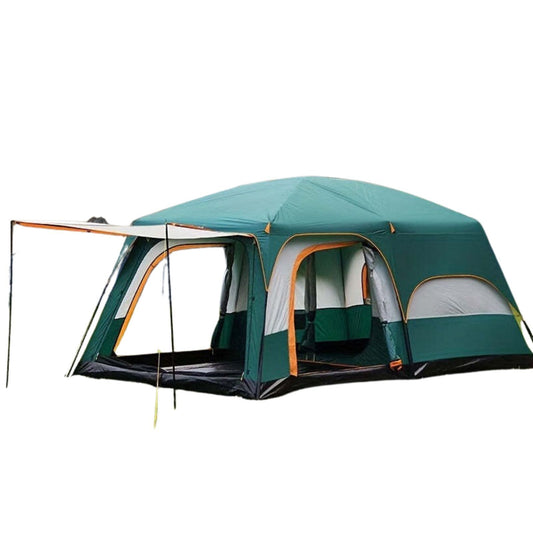
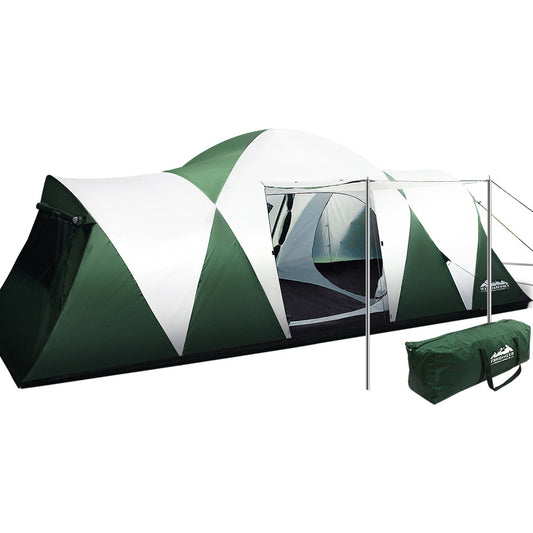
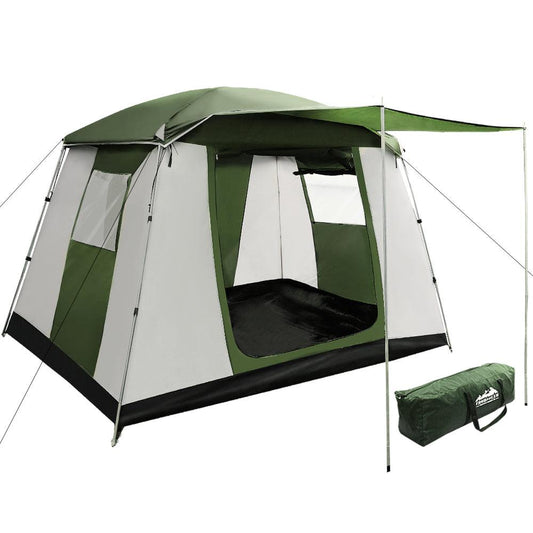
Families usually need to think twice. While some larger roof top options exist, a family-sized ground tent often gives you far more space for less money. It’s also easier when kids need room to move, change, nap, or escape the weather.
Budget buyers may be better off spending the same money across a broader setup. A solid tent, decent mattress, sleeping bag, chairs, cooking gear and lighting can deliver a far better overall camping experience than blowing the budget on one premium item.
They’re also less ideal for campers who stay put for days. If you set up once and relax by the river for a long weekend, a ground tent or caravan-style setup can be more practical. You don’t want every local supply run to mean folding your bedroom away.
Are roof top tents worth it in Australian conditions?
In Australia, they can make a lot of sense. Dusty campsites, wet grass, sandy coastal spots and uneven bush campgrounds all play to the strengths of a roof top tent. Getting up off the ground can be genuinely useful, not just a fancy extra.
That said, Aussie conditions also expose the weak points. Heat build-up, wind exposure and harsh UV can all affect comfort and longevity. A cheap tent that looks fine online may not be great after repeated use in strong sun, coastal salt or outback dust.
That’s why quality matters. Good materials, weather protection, reliable hardware and a design that suits local travel conditions are worth paying attention to. Practical gear tends to pay for itself over time.
Questions to ask before you buy
Before spending the money, be brutally honest about your camping habits. How often do you go away each year? Do you move camp often, or stay in one place? Are you travelling solo, as a couple, or with kids? Is your vehicle actually suitable for the tent you want?
It also helps to think beyond the first trip. Will you be happy climbing up a ladder in the middle of the night? Will packing down in the rain drive you mad? Do you need your vehicle free once camp is set up? Those practical details matter more than the glossy product photos.
If the answer to most of those questions points towards speed, simplicity and frequent touring, a roof top tent is probably a smart buy. If not, there are other setups that may suit your budget and travel style better.
The real answer on value
So, are roof top tents worth it? They are if you camp often enough to use the convenience, have a suitable vehicle, and want a faster, cleaner setup for real Aussie trips. They’re less worth it if you’re chasing the look more than the function, or if a simple ground tent would do the job just as well.
For plenty of campers, the best setup is the one that gets used more often. If a roof top tent helps you head off more, pack quicker and sleep better, that’s money well spent. If a simpler setup gets you out there without stretching the budget, that’s a win too. Good camping gear isn’t about showing off - it’s about making the next trip easier to say yes to.