What Size Camp Oven Do You Need?
A camp oven can cook almost anything - roasts, stews, bread, damper and desserts - but the size matters more than many first-time buyers expect. If it’s too small, dinner becomes a juggling act. If it’s too big, you’re carrying extra weight and burning more fuel than you need.
The right camp oven size comes down to how many people you usually feed, what you cook, and how much space you have in the vehicle. You can browse our Kitchen & Cooking range to compare cookware and camp-oven options.
What camp oven sizes actually mean
Camp ovens are commonly described by diameter or capacity in litres. Both measurements matter. Diameter tells you how much cooking surface you have, while litres give you a better idea of the total volume for stews, roasts and one-pot meals.
A compact oven is easier to carry and heats quickly. A larger oven gives you more room for family meals, but it also takes longer to heat and needs more coals or gas to keep temperature steady.
Quick camp oven size guide
As a simple starting point, small camp ovens suit one or two people, medium models suit couples and small families, and larger ovens are better for groups or anyone who likes cooking big meals with leftovers.
Small camp ovens: roughly 2 to 4.5 litres
These are ideal for solo campers, couples and short trips. They are compact, easy to pack and good for simple meals like stews, curries, baked vegetables or a small loaf of damper.
The downside is limited room. If you regularly cook a roast plus vegetables, you can run out of space quickly.
Medium camp ovens: roughly 5 to 7.5 litres
This is the sweet spot for a lot of campers. There is enough capacity for two to four people without the oven becoming unnecessarily heavy or awkward.
It works well for family stews, roasts, pasta bakes, bread and most everyday camp meals. If you are unsure where to start, a medium-size oven is usually the safest choice.
Large camp ovens: roughly 8 to 10+ litres
Large ovens suit families, group camping and anyone who likes batch cooking. They give you room for bigger cuts of meat, larger stews and meals where everyone wants seconds.
The trade-off is obvious: more weight, more storage space and more fuel to heat properly. If you only cook for two most of the time, a giant oven can become more hassle than help.
How many people are you cooking for?
Group size is the easiest place to start. One or two campers can usually get away with a small or medium oven. Three to four people are generally better served by a medium oven. Larger families or groups should look at bigger capacities.
But do not size only for the exact number of people. Think about what you cook and whether you like leftovers. A couple who regularly cooks a full roast may get more use from a medium oven than a tiny one.
What meals do you actually cook?
A camp oven for damper and simple stews does not need to be huge. A camp oven for roasts, vegetables and big family meals needs more room around the food so heat can circulate properly.
If you are looking for ideas once you have the size sorted, our easy camp oven recipes are a useful place to start.
Cast iron vs lighter camp ovens
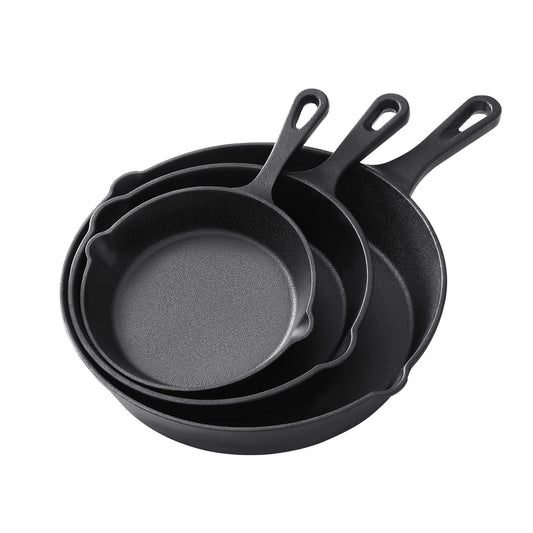
Traditional cast iron is popular because it holds heat well and works beautifully with coals. It is also heavy. That weight becomes more noticeable as the oven gets larger.
Lighter alternatives can be easier to transport, especially for campers who move often or have tight payload limits. The trade-off can be different heat retention and cooking behaviour, so choose based on how you actually cook rather than weight alone.
Vehicle space and weight matter
Camp ovens are not delicate little kitchen tools. A big cast-iron model takes up proper room and adds real weight to the vehicle.
If you are packing a small SUV or already carrying a fridge, battery gear, chairs, tables and recovery equipment, a medium oven may be much easier to live with than an oversized one.
Cooking over coals vs gas
Camp ovens are famous for cooking with coals, but some campers also use suitable setups over gas. The heat source changes how you manage temperature, but size still matters.
A larger oven needs more energy to heat evenly. If you are relying on a compact burner or limited fuel, going unnecessarily large can make cooking slower and less efficient.
Common sizing mistakes
The biggest mistake is buying the largest oven because it feels more versatile. Bigger is only better if you actually need the capacity.
The opposite mistake is going too small to save space, then discovering every meal has to be cooked in stages. Aim for enough room for your normal meals with a little spare capacity.
What size camp oven should beginners buy?
For most beginners cooking for two to four people, a medium camp oven is the easiest place to start. It gives you enough flexibility without becoming a burden to transport or manage.
If you are new to heat control and cooking with coals, our camp oven cooking guide covers the practical setup and technique.
When owning two sizes makes sense
Regular campers sometimes end up with a small oven for quick meals and a larger one for family trips or group weekends. That can be more practical than trying to make one oversized oven suit every trip.
Final camp oven sizing advice
Buy for the meals and group size you use most often. A compact oven is brilliant when space matters. A medium oven covers the widest range of everyday camping. A large oven earns its place when you genuinely cook for a crowd.
The best camp oven is not the biggest one you can fit in the car. It is the one you will actually pack, heat efficiently and use trip after trip.