Swag vs Tent Camping: Which Suits You?
Pulling into camp at sunset changes your priorities pretty quickly. You want shelter up fast, your bed sorted, and enough comfort to enjoy the trip instead of wrestling with poles in the dark. That is where the swag vs tent camping question really matters. The right choice depends less on what looks good online and more on how you actually camp across Australia.
For some campers, a swag is the easy winner. It is quick, compact and ideal for solo trips, overnighters and 4WD getaways where you are moving often. For others, a tent makes more sense because it gives you room to stretch out, stash gear, and keep the family comfortable over a few nights or more. Neither option is better in every situation. You can compare both styles in our Tents & Swags range. It comes down to space, speed, weather, vehicle room and who is coming with you.
Swag vs tent camping: the real difference
A swag is basically a sleep system and shelter rolled into one. Most swags combine a durable outer, built-in mattress and simple structure that gets you off the ground planning stage and straight into camp mode. They are popular with solo campers, couples and anyone who wants a no-fuss setup.
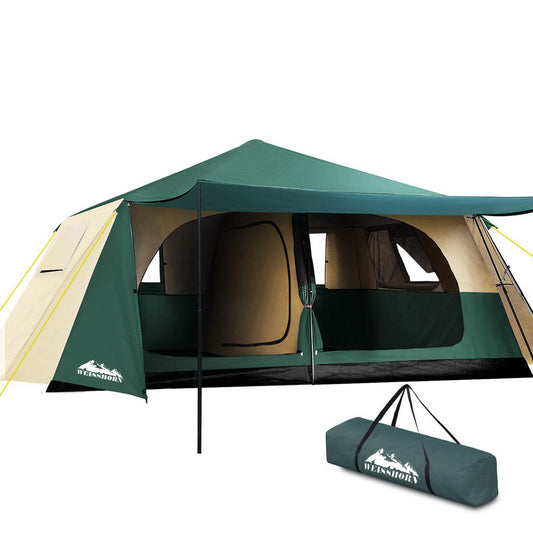
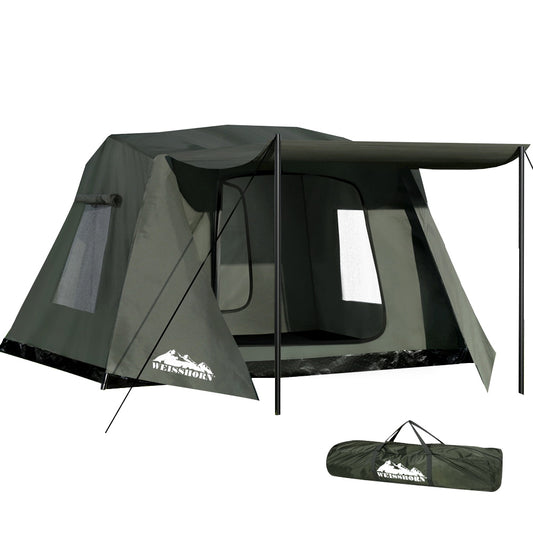
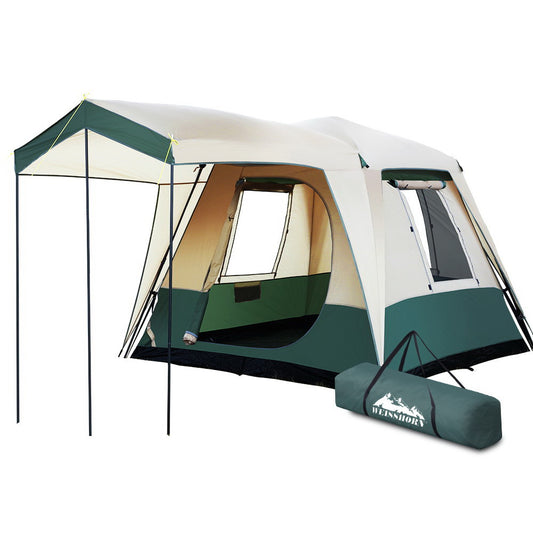
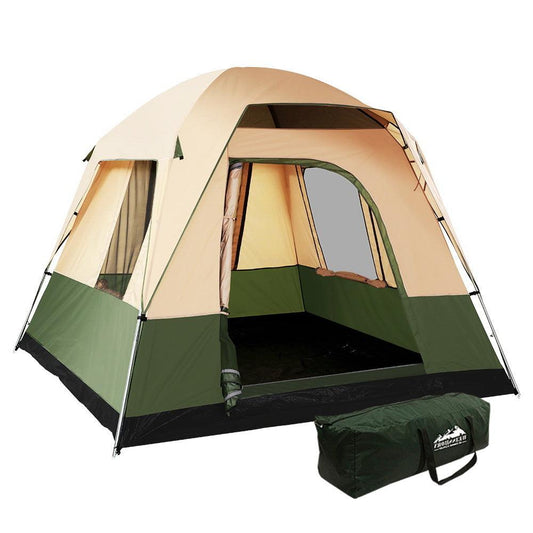
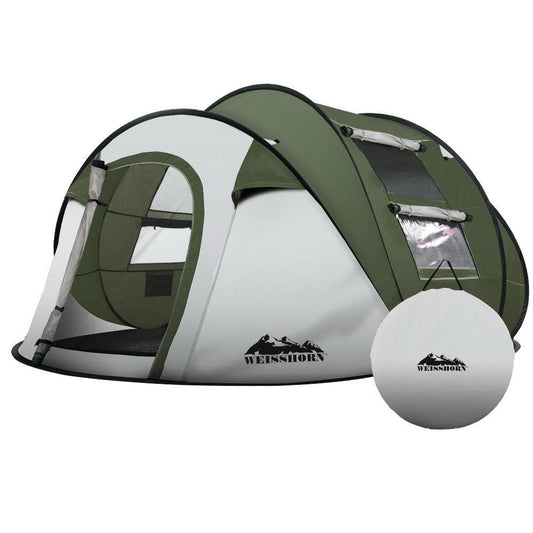
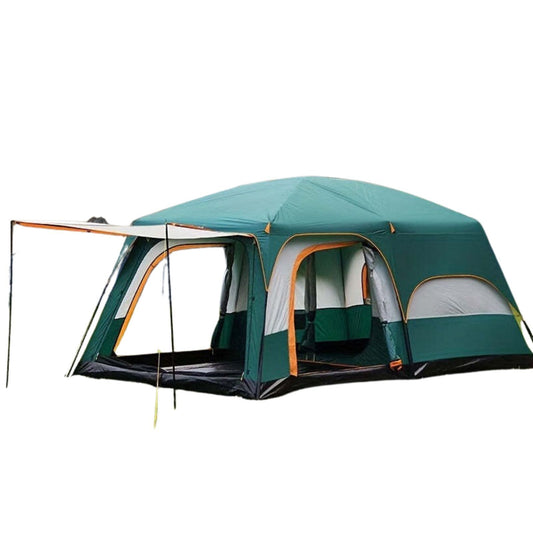
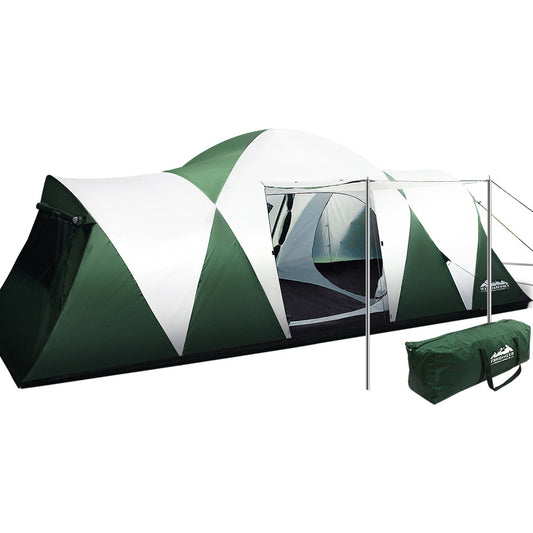
A tent is the more flexible option. You usually get more interior room, more head height and more layout choices. Some are light enough for simple weekend trips, while others are built to handle family camping, touring or longer stays with extra storage and living space.
So when people compare swag vs tent camping, they are really comparing speed and simplicity against space and flexibility. That is the trade-off in plain terms.
When a swag makes more sense
If your camping style is all about getting out there without overcomplicating things, a swag is hard to beat. Setup is usually fast, pack-down is straightforward, and you are not dealing with a heap of separate gear just to get a decent night’s sleep.
That is a big plus for 4WD touring, fishing trips, overnight stops and weekends where you are changing campsites regularly. A swag works well when you are not trying to build a full campsite. You roll in, unclip it, sort your bedding and you are largely done.
Swags also suit campers who value durability. Many are built tough with Australian conditions in mind, especially for dusty inland trips, cooler nights and rougher ground. If you are sleeping solo or as a pair and you do not need standing room, the compact footprint is a genuine advantage.
There is also less temptation to overpack. With a swag, you keep things simple because space forces you to. For plenty of campers, that is part of the appeal.
The limits of a swag
The same compact size that makes a swag convenient can also make it restrictive. If you are camping with kids, carrying plenty of gear or stuck inside during wet weather, a swag can feel pretty tight. There is not much room to move, change clothes or wait out a long patch of rain in comfort.
Storage is another factor. Boots, bags and extra gear often end up outside or in the vehicle, which is manageable on a dry overnight trip but less ideal on a longer stay. If comfort for more than sleeping is important, a swag can start to feel like the smaller option it is.
When a tent is the better choice
A tent is usually the smarter buy if you camp with family, stay in one spot for a few days, or just like having room to breathe. Even a modest tent gives you more usable space than a swag, and that changes the whole experience once the trip goes beyond a quick overnight stop.
Being able to sit up, get changed, keep bags undercover and spread out your sleeping setup makes camping easier, especially with kids. If the weather turns, that extra room is not just nice to have. It can be the difference between a decent trip and a soggy, cramped one.
Tents also offer more variety. Some are geared towards simple weekend use, while others are made for touring, family holidays or caravan park stays where comfort matters more than fast pack-up. If your camping setup needs to adapt to different trip types, a tent generally gives you more options.
The trade-offs with tents
More space usually means more setup time, more components and more bulk in the vehicle. Depending on the style of tent, you may be dealing with poles, pegs, guy ropes and separate sleeping gear. That is not a dealbreaker, but it does matter if you are arriving late, leaving early or moving camp often.
Cheaper tents can also fall short if they are not suited to local conditions. Ventilation, waterproofing and material quality matter in Australia, particularly when you are dealing with heat, coastal wind or a decent downpour. A roomy tent that struggles in bad weather is not much value.
Comfort, weather and Aussie conditions
This is where the swag vs tent camping choice gets more practical.
For cool, dry conditions, a quality swag can be brilliant. The built-in mattress, enclosed design and sturdy materials can make for a comfortable sleep without much effort. Plenty of campers prefer that all-in-one feel, especially for quick regional trips or bush camps.
In hot weather, ventilation becomes a bigger issue. Some swags handle airflow well, but a larger tent often gives you more breathing room and better cross-ventilation, especially if it has multiple windows and decent mesh panels. If you are camping through summer or in humid coastal spots, that extra airflow can make a real difference.
Rain is more of an it-depends scenario. A tough swag can handle poor weather well, but you are still living in a compact shell. In a tent, you may get more room to keep yourself and your gear dry, provided the tent is properly set up and built for the conditions. For extended wet weather, extra internal space usually wins.
Budget and value over time
A swag can be excellent value if it matches the way you camp. You are often buying shelter and sleeping comfort in one product, which simplifies your setup. For solo campers and couples doing regular short trips, that can be money well spent.
A tent can stretch further if you need multi-person capacity or broader use. One tent can serve family holidays, festival weekends, road trips and longer campground stays. If you need that flexibility, the better long-term value may be in a tent, even if the initial setup includes a few extra pieces.
It is worth thinking beyond the price tag. Ask what gear you already own, how much space you have in the car, and whether you want a quick overnight setup or a more comfortable base camp. Value is not just about what costs less at checkout. It is about what gets used.
Which camper suits which setup?
If you mostly travel solo, head away for one or two nights, fish, tour in a 4WD or like moving camp without fuss, a swag will probably suit you. It is fast, practical and built for campers who want fewer moving parts.
If you camp with a partner and like a bit more comfort, the answer depends on how much space you want and how often you move. Some couples love swags for short trips. Others quickly decide that a tent is worth it for the extra room.
For families, tents are usually the clear winner. The extra sleeping room, gear storage and liveability make camping smoother, especially when the weather is unpredictable or the kids are not keen on roughing it.
For beginners, either option can work. If you want the easiest path to your first overnight trip, a swag is approachable and simple. If you are building a setup for different trip types from the start, a tent may give you more room to grow.
Swag vs tent camping: what should you buy first?
If you are stuck between the two, start with the one that matches the trips you will actually do in the next 12 months, not the fantasy setup you might use one day. That sounds obvious, but it is where plenty of buyers go wrong.
If most of your trips are quick getaways, remote overnighters or touring runs where setup speed matters, buy the swag first. Our swag buying guide can help narrow down the right style. If you are planning family weekends, holiday park stays or longer breaks where comfort matters more than pack-up time, go with the tent. Our tent buying guide covers the key trade-offs.
A lot of experienced campers end up owning both because each has its place. But if you are choosing one, be honest about your routine, your passengers and your storage space at home and in the vehicle. That will point you in the right direction faster than any spec sheet.
Great camping gear should make getting away easier, not more complicated. Whether you land on a swag or a tent, the best choice is the one that gets packed, used and trusted when it is time to head off for the weekend.